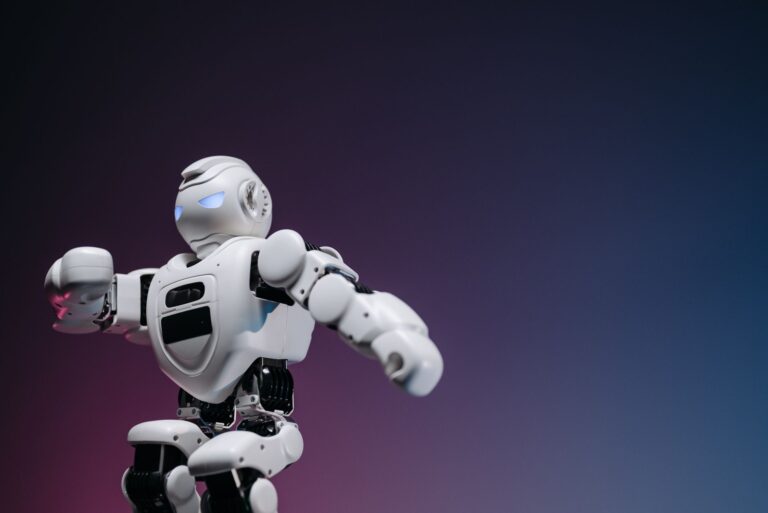

The NVIDIA Isaac Platform has emerged as one of the most significant technological developments in robotics, positioning the company to capture an enormous share of a market projected to reach $260 billion by 2030. While NVIDIA’s dominance in AI training chips and data center GPUs has driven its meteoric stock performance over the past few years, the Isaac robotics platform represents a potentially transformative revenue stream that many investors have yet to fully appreciate. This comprehensive suite of tools, simulation environments, and AI models provides the foundational infrastructure that robotics companies need to develop, train, and deploy intelligent machines at scale. The robotics industry faces a fundamental challenge: developing autonomous systems requires billions of hours of training data that cannot be safely or economically collected in the real world.
A warehouse robot learning to navigate dynamic environments, a surgical system practicing delicate procedures, or an agricultural machine identifying crops all need extensive training before deployment. The Isaac Platform addresses this through sophisticated simulation, synthetic data generation, and pre-trained AI models that dramatically accelerate development timelines while reducing costs. For companies racing to bring robotics products to market, Isaac has become increasingly indispensable. By the end of this analysis, readers will understand exactly what the Isaac Platform encompasses, how it generates revenue for NVIDIA, why major robotics companies have standardized on this ecosystem, and what the platform’s growth trajectory means for NVIDIA’s stock valuation. The article examines specific adoption metrics, competitive positioning, and financial projections that illuminate why Isaac could represent NVIDIA’s next major growth catalyst beyond its current data center dominance.
Table of Contents
- What Is the NVIDIA Isaac Platform and Why Does It Matter for Robotics Development?
- How Isaac Platform Revenue Could Drive NVIDIA Stock Performance
- Major Companies Adopting NVIDIA Isaac for Robotics Development
- NVIDIA Stock Valuation and the Isaac Platform Growth Catalyst
- Technical Advantages That Position Isaac Ahead of Competing Robotics Platforms
- Risks and Challenges Facing Isaac Platform Adoption
- How to Prepare
- How to Apply This
- Expert Tips
- Conclusion
- Frequently Asked Questions
What Is the NVIDIA Isaac Platform and Why Does It Matter for Robotics Development?
The NVIDIA Isaac Platform is an end-to-end robotics development ecosystem that spans simulation, AI training, perception systems, and deployment infrastructure. At its core, Isaac provides three interconnected components: Isaac Sim, a physically accurate simulation environment built on NVIDIA’s Omniverse platform; Isaac ROS, a collection of GPU-accelerated robotics algorithms and packages; and Isaac Perceptor, a reference architecture for autonomous mobile robots. Together, these tools enable developers to create, test, and deploy robotic systems without the traditional bottlenecks of physical prototyping and real-world data collection. Isaac Sim deserves particular attention because it solves one of robotics’ most persistent challenges: the simulation-to-reality gap.
Traditional simulators produce synthetic data that often fails to transfer effectively to real-world conditions because lighting, physics, and sensor behavior differ substantially between virtual and physical environments. NVIDIA’s approach uses ray-traced rendering, accurate physics simulation through PhysX, and realistic sensor models to generate synthetic training data that closely matches real-world conditions. Companies report that robots trained primarily in Isaac Sim require minimal fine-tuning when deployed in actual operating environments, reducing development cycles from years to months. The platform’s significance extends beyond technical capabilities to ecosystem dynamics that create substantial competitive moats:.
- **Developer lock-in through tooling investments**: Once robotics teams build their workflows around Isaac, switching costs become prohibitive. Training pipelines, asset libraries, and deployment infrastructure all assume Isaac compatibility.
- **Pre-trained model advantages**: NVIDIA provides foundation models trained on vast datasets that companies can fine-tune for specific applications, eliminating the need to train from scratch.
- **Hardware integration**: Isaac optimizes naturally for NVIDIA’s Jetson edge computing platform, creating a seamless development-to-deployment pathway that competitors cannot easily replicate.

How Isaac Platform Revenue Could Drive NVIDIA Stock Performance
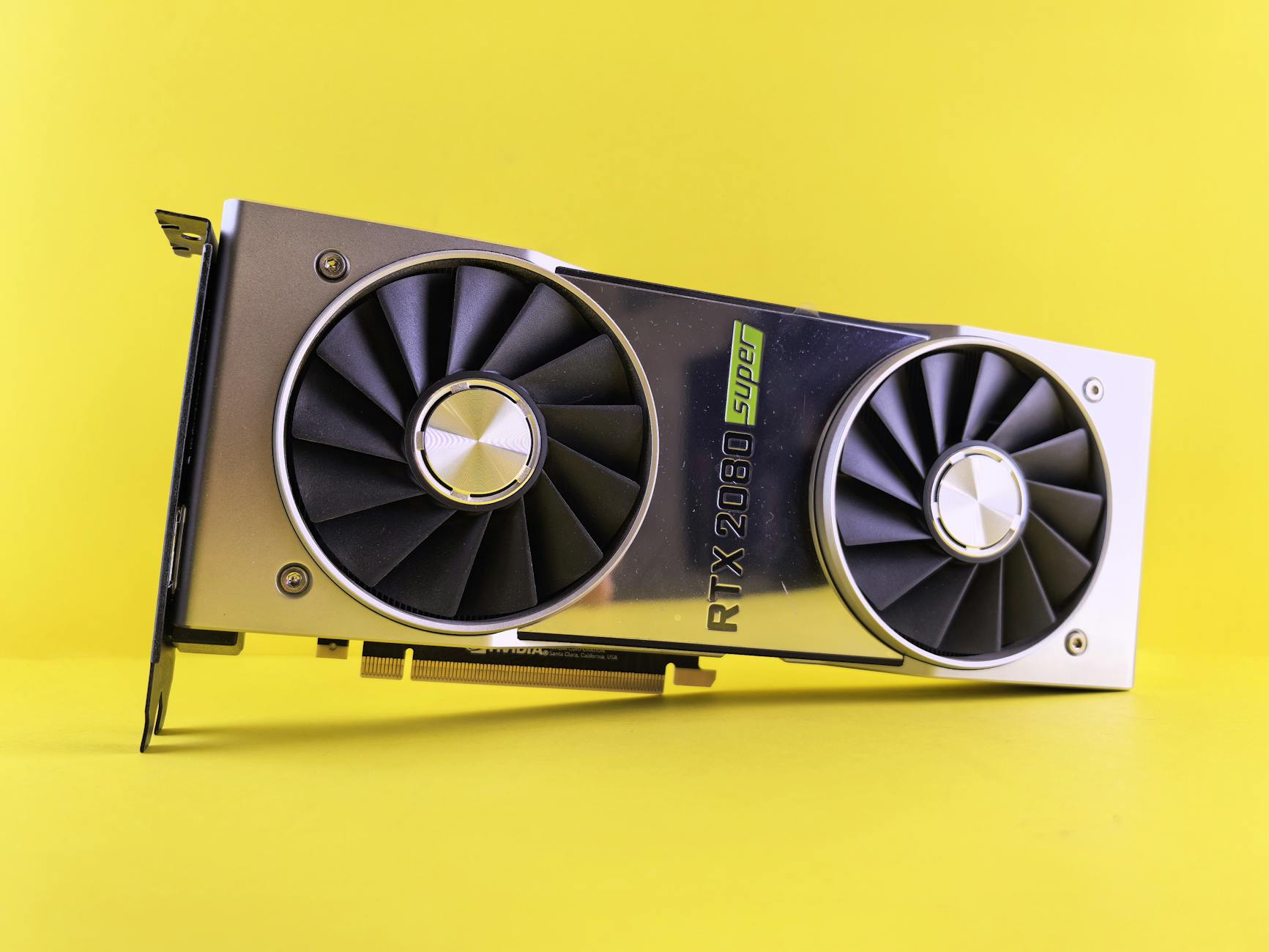
Understanding Isaac’s financial impact requires examining NVIDIA’s strategic positioning across the entire robotics value chain. The platform itself operates primarily as a software ecosystem with subscription and licensing components, but its real financial power comes from driving hardware sales across multiple product lines. Every robot developed using Isaac typically deploys on Jetson edge computing modules, trains using data center GPUs, and runs simulations on RTX workstations. This multiplier effect means Isaac platform adoption translates directly into recurring hardware revenue across NVIDIA’s product portfolio. Current estimates suggest the robotics simulation and development tools market will reach $4.2 billion annually by 2028, with NVIDIA positioned to capture 40-50% market share based on current adoption trends.
However, the indirect hardware revenue dwarfs direct software licensing. Each major robotics deployment—whether in warehouses, manufacturing facilities, or autonomous vehicles—requires substantial GPU infrastructure. Amazon’s warehouse robotics division alone operates over 750,000 robots, each requiring edge computing hardware and supported by extensive training infrastructure. As Isaac becomes the standard development platform, NVIDIA captures revenue at every stage of the robotics lifecycle. Financial analysts have begun modeling Isaac’s contribution to NVIDIA’s growth trajectory:.
- **Data center GPU pull-through**: Large-scale robot training workloads require A100 and H100 GPU clusters, with major robotics companies operating training infrastructure worth hundreds of millions of dollars.
- **Jetson embedded computing growth**: The Jetson product line, purpose-built for edge AI in robotics, generated approximately $1 billion in annual revenue as of 2024, with projections suggesting $3-4 billion by 2027 as Isaac-developed robots reach mass deployment.
- **Enterprise software revenue**: Isaac Enterprise subscriptions, simulation compute licensing, and support contracts represent high-margin recurring revenue that improves NVIDIA’s overall business quality.
Major Companies Adopting NVIDIA Isaac for Robotics Development
The credibility of any platform depends on who uses it, and Isaac’s customer roster reads like a directory of robotics industry leaders. Amazon Web Services has integrated Isaac Sim into its RoboMaker simulation service, enabling thousands of robotics developers to access NVIDIA’s simulation capabilities through AWS infrastructure. BMW has deployed Isaac across its manufacturing operations to simulate and optimize factory robotics before physical installation. These enterprise adoptions validate Isaac’s production readiness and establish reference implementations that accelerate broader market adoption.
The autonomous mobile robot (AMR) segment has demonstrated particularly strong Isaac adoption. Companies like Locus Robotics, which operates fulfillment robots in warehouses for major retailers, uses Isaac Sim extensively to train navigation systems. Fetch Robotics (now part of Zebra Technologies) standardized on Isaac for perception algorithm development. The agricultural robotics sector has similarly embraced the platform, with companies like John Deere and autonomous farming startups using Isaac to train crop identification and navigation systems that must operate in highly variable outdoor conditions. Specific deployment examples illustrate Isaac’s practical impact:.
- **Mercedes-Benz** uses Isaac Sim to train humanoid robots for manufacturing applications, reducing the time required to develop new assembly procedures from weeks to days.
- **BYD**, the world’s largest electric vehicle manufacturer, has adopted Isaac for developing production line robotics, enabling simulation of entire factory workflows before physical implementation.
- **Teradyne Robotics** (parent of Universal Robots) integrates Isaac capabilities into collaborative robot development, expanding the platform’s reach into small and medium manufacturing.
NVIDIA Stock Valuation and the Isaac Platform Growth Catalyst
Evaluating Isaac’s impact on NVIDIA’s stock requires contextualizing robotics within the company’s broader business model and growth narrative. NVIDIA’s market capitalization exceeded $3 trillion in 2024, driven primarily by data center GPU sales for AI training. The stock trades at premium multiples that assume continued growth across multiple vectors. Isaac represents what analysts call an “embedded option”—a potential growth driver not fully reflected in current valuations because the robotics market remains in early stages of development.
The investment thesis centers on robotics following a similar adoption curve to data center AI, but with a longer time horizon. Data center AI infrastructure spending exploded over 18-24 months as ChatGPT and similar applications drove urgent enterprise demand. Robotics deployment follows a more gradual curve because physical systems require manufacturing capacity, regulatory approval, and operational integration that software deployments do not. However, the total addressable market for robotics may ultimately exceed data center AI because robots interact with the physical world across manufacturing, logistics, agriculture, healthcare, and consumer applications. Key valuation considerations for investors analyzing Isaac’s potential:.
- **Market expansion beyond current customers**: While NVIDIA’s data center business primarily serves cloud providers and large enterprises, Isaac addresses a much broader customer base including mid-market manufacturers, agricultural operations, and emerging robotics startups.
- **Recurring revenue quality**: Software platform revenue carries higher margins and greater predictability than hardware sales, potentially improving NVIDIA’s overall business quality as Isaac scales.
- **Competitive positioning**: No competitor offers an integrated platform matching Isaac’s capabilities, suggesting NVIDIA can maintain pricing power and market share as the robotics market expands.
Technical Advantages That Position Isaac Ahead of Competing Robotics Platforms
NVIDIA’s technical advantages in robotics stem from vertical integration that competitors cannot easily replicate. The company controls the entire stack from silicon (GPU architectures optimized for parallel AI workloads) through system software (CUDA, cuDNN, TensorRT) to application frameworks (Isaac ROS, Isaac Sim). This integration enables optimization at every level that platform companies relying on third-party components cannot achieve. When a robotics company runs Isaac Sim on NVIDIA hardware, every layer of the system has been designed to work together.
The simulation fidelity Isaac achieves represents a genuine technical breakthrough with practical implications. Traditional robotics simulation used simplified physics engines and basic rendering that produced training data only loosely correlated with real-world conditions. Isaac Sim’s integration with Omniverse enables physically-based rendering with accurate material properties, global illumination, and atmospheric effects. The physics simulation handles soft body dynamics, fluid interactions, and multi-body contacts with accuracy sufficient for training robots that manipulate deformable objects or operate in complex environments. Advanced capabilities that differentiate Isaac from alternatives:.
- **Domain randomization automation**: Isaac automatically varies simulation parameters (lighting, textures, object positions, sensor noise) to generate diverse training data that improves model robustness without manual configuration.
- **Synthetic data generation at scale**: The platform can generate millions of labeled training images overnight, addressing one of the most significant bottlenecks in perception system development.
- **Digital twin synchronization**: Isaac Sim integrates with real-world sensor data to maintain accurate digital representations of physical environments, enabling continuous simulation-reality validation.

Risks and Challenges Facing Isaac Platform Adoption
Despite strong positioning, several factors could limit Isaac’s growth trajectory and its impact on NVIDIA’s stock performance. The robotics industry has historically experienced slower adoption curves than software markets, with deployment timelines measured in years rather than months. Economic downturns particularly impact robotics investment because automation projects require significant capital expenditure and carry implementation risk. A recession could delay enterprise robotics deployments and reduce near-term Isaac platform growth regardless of the technology’s merits.
Competition, while currently limited, may intensify as the market grows. Google DeepMind has demonstrated impressive robotics research capabilities, and Amazon’s robotics division possesses the resources and motivation to develop internal tooling. Open-source alternatives continue improving, potentially offering “good enough” capabilities for price-sensitive customers. NVIDIA’s premium positioning works well when customers need the best available technology but may limit addressable market if cost-effective alternatives emerge for standard applications.
How to Prepare
- **Study NVIDIA’s Omniverse architecture documentation** to understand how Isaac Sim integrates with the broader platform. The technical capabilities that differentiate Isaac stem from Omniverse’s Universal Scene Description foundation and real-time collaboration features. Understanding these foundations reveals why competitors cannot easily replicate Isaac’s simulation fidelity.
- **Review NVIDIA’s quarterly earnings calls and investor presentations** focusing on robotics and edge computing commentary. Management provides guidance on Jetson revenue, Isaac enterprise adoption metrics, and strategic priorities that illuminate the company’s robotics ambitions. Pay particular attention to customer deployment announcements and partnership expansions.
- **Analyze the competitive landscape in robotics simulation** by examining alternatives like Gazebo (open-source), Unity Robotics, and MathWorks. Understanding what each platform offers and where Isaac maintains advantages helps assess the durability of NVIDIA’s market position.
- **Track major robotics company announcements** for Isaac adoption signals. When companies like Boston Dynamics, Fanuc, or ABB announce Isaac integration, these endorsements validate platform capabilities and indicate industry direction. Trade publications and robotics conferences provide early visibility into adoption trends.
- **Monitor the broader robotics market development** through industry research from firms like ABI Research, IDC, and specialized robotics analysts. Market growth rates, deployment statistics, and investment trends all influence Isaac’s potential trajectory and timing.
How to Apply This
- **For robotics developers**: Begin with NVIDIA’s Isaac ROS tutorials and sample applications to understand the development workflow. The learning curve requires investment, but skills developed transfer across the growing ecosystem of Isaac-based projects and companies.
- **For investors**: Construct a monitoring framework tracking quarterly Jetson revenue, Isaac enterprise customer announcements, and robotics industry capital expenditure trends. These leading indicators will signal inflection points before they appear in NVIDIA’s consolidated financial statements.
- **For enterprise technology strategists**: Evaluate Isaac’s fit within your organization’s automation roadmap. Even companies not currently deploying robots should understand the platform because supply chain partners, customers, and competitors are likely adopting it.
- **For robotics entrepreneurs**: Standardizing on Isaac reduces technical risk and improves hiring efficiency because the platform’s growing adoption means more engineers have relevant experience. The ecosystem benefits—pre-trained models, asset libraries, integration tools—accelerate time to market compared to building on alternative foundations.
Expert Tips
- **Watch Jetson AGX Orin adoption metrics** as the primary leading indicator for Isaac’s commercial impact. This high-end edge computing module targets exactly the sophisticated robotics applications that Isaac enables, making its sales trajectory a proxy for Isaac platform success.
- **Pay attention to NVIDIA’s GTC conference robotics announcements** each spring and fall. Major platform updates, customer wins, and strategic partnerships typically debut at these events, providing advance visibility into Isaac’s development direction.
- **Evaluate Isaac’s position in the humanoid robotics wave** currently attracting significant venture capital and corporate investment. Companies like Figure, 1X, Apptronik, and Tesla’s Optimus program all require sophisticated simulation and training infrastructure. Isaac’s capabilities map directly to humanoid development requirements.
- **Consider the China factor** in Isaac’s growth trajectory. Chinese robotics companies represent a significant potential customer base, but export restrictions on advanced AI hardware may limit their access to Isaac’s full capabilities, creating both market limitations and potential competitive vulnerabilities.
- **Track NVIDIA’s acquisition activity** in robotics and simulation. Smaller acquisitions often signal strategic priorities before they appear in product announcements. Companies developing complementary technologies—sensor simulation, domain-specific models, deployment tools—represent potential targets that could expand Isaac’s capabilities.
Conclusion
The NVIDIA Isaac Platform represents a strategic asset whose value extends far beyond its direct revenue contribution. By establishing the dominant development environment for robotics AI, NVIDIA has positioned itself to capture value across the entire robotics value chain—from training infrastructure through edge deployment hardware. The platform’s technical advantages, growing ecosystem adoption, and integration with NVIDIA’s hardware portfolio create compounding effects that could drive substantial revenue growth as robotics deployment accelerates globally.
For investors evaluating NVIDIA’s long-term trajectory, Isaac represents optionality on a market potentially comparable to data center AI. The path forward requires monitoring specific metrics—Jetson revenue growth, enterprise customer expansion, and competitive developments—while maintaining perspective on the multi-year timeline robotics deployment requires. Unlike software markets where adoption can occur rapidly, physical robotics deployment involves manufacturing constraints, regulatory processes, and operational integration that extend timelines. Patient investors who understand Isaac’s strategic importance and track the right indicators will be best positioned to assess when the platform’s potential begins converting into financial results that move NVIDIA’s consolidated performance.
Frequently Asked Questions
How long does it typically take to see results?
Results vary depending on individual circumstances, but most people begin to see meaningful progress within 4-8 weeks of consistent effort. Patience and persistence are key factors in achieving lasting outcomes.
Is this approach suitable for beginners?
Yes, this approach works well for beginners when implemented gradually. Starting with the fundamentals and building up over time leads to better long-term results than trying to do everything at once.
What are the most common mistakes to avoid?
The most common mistakes include rushing the process, skipping foundational steps, and failing to track progress. Taking a methodical approach and learning from both successes and setbacks leads to better outcomes.
How can I measure my progress effectively?
Set specific, measurable goals at the outset and track relevant metrics regularly. Keep a journal or log to document your journey, and periodically review your progress against your initial objectives.
When should I seek professional help?
Consider consulting a professional if you encounter persistent challenges, need specialized expertise, or want to accelerate your progress. Professional guidance can provide valuable insights and help you avoid costly mistakes.
What resources do you recommend for further learning?
Look for reputable sources in the field, including industry publications, expert blogs, and educational courses. Joining communities of practitioners can also provide valuable peer support and knowledge sharing.