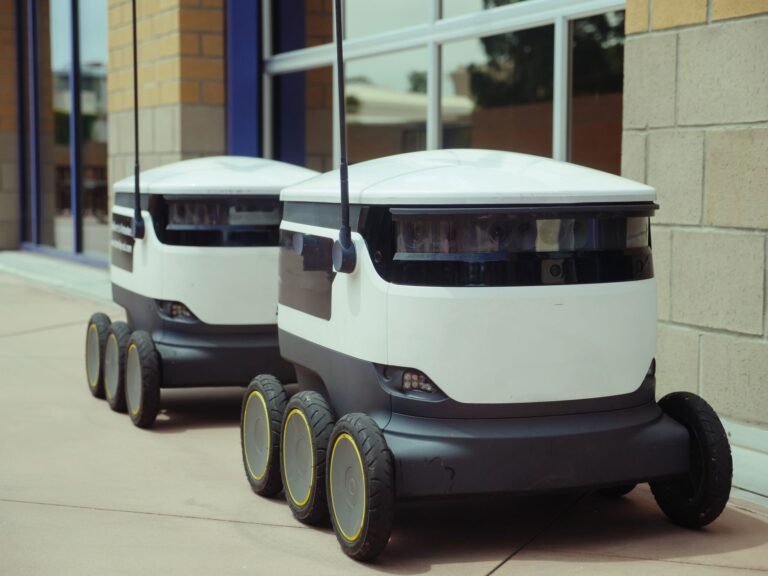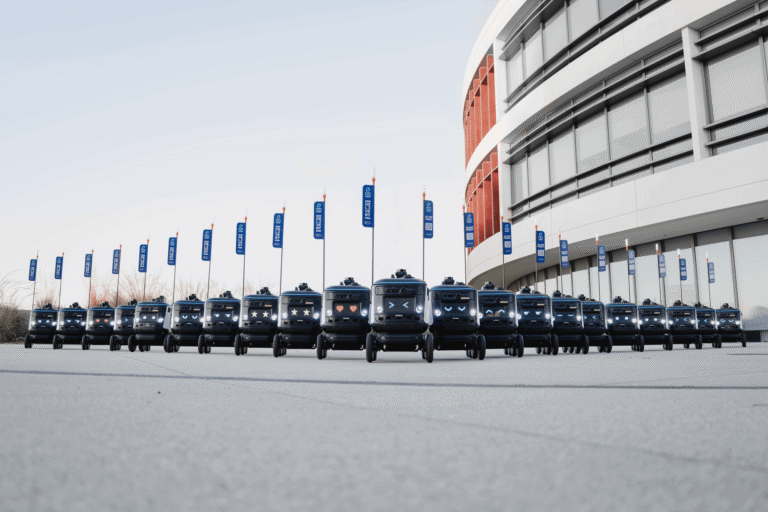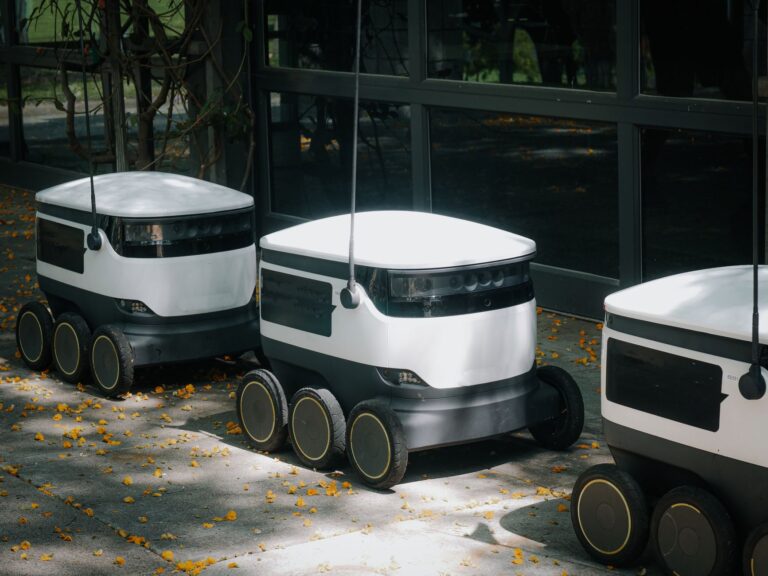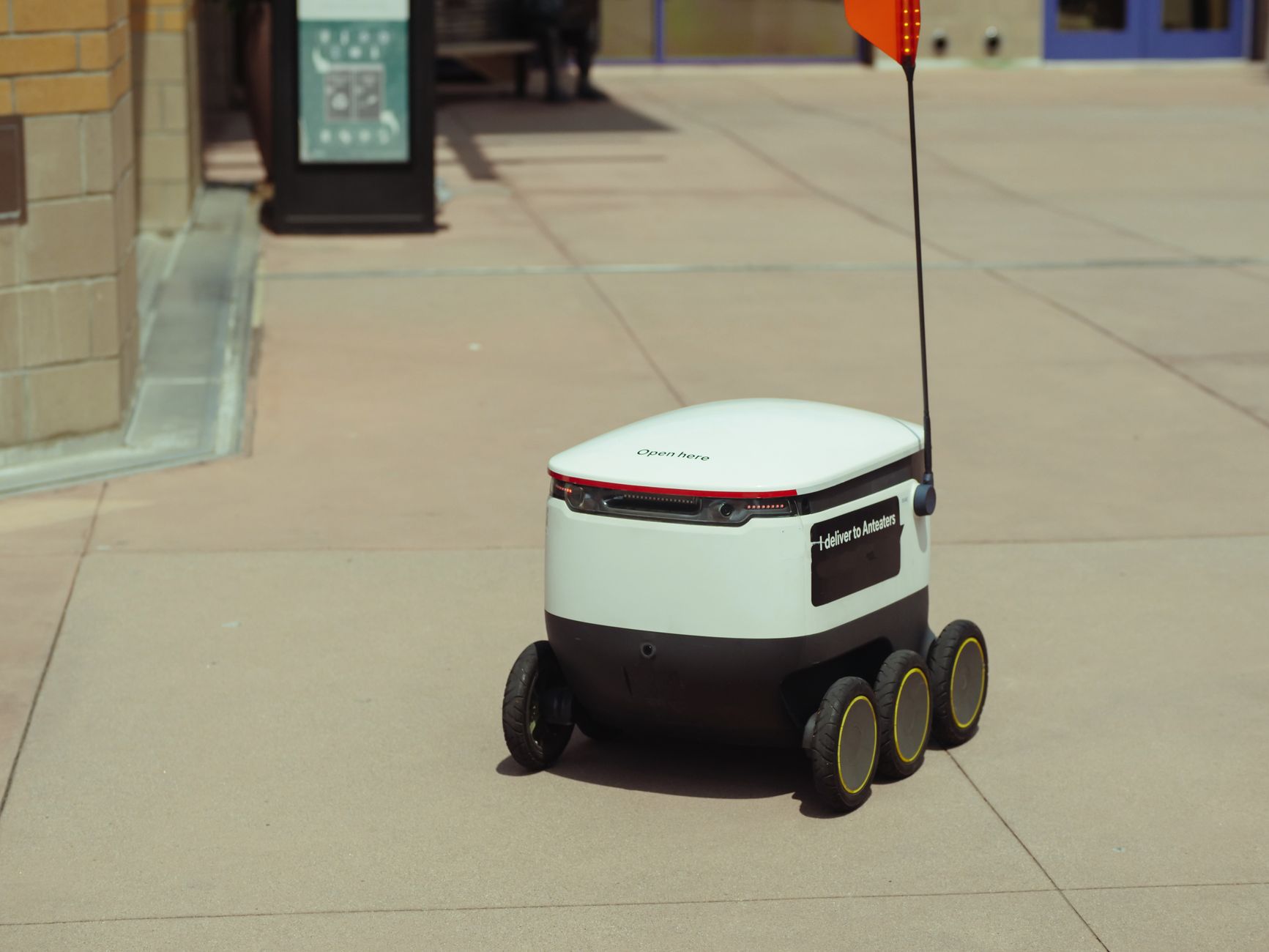

A campus delivery robot service has shut down operations at a major Wisconsin university, marking another setback for autonomous delivery platforms seeking to establish permanent footholds in higher education environments. The closure reflects broader challenges facing robot delivery companies as they attempt to maintain profitable operations on campuses where labor costs and energy consumption have proven higher than projected, while student adoption rates have plateaued in many markets.
University campuses were once seen as ideal testbeds for autonomous delivery technology—controlled environments with predictable routes, weather-shielded walkways, and concentrated customer bases within small geographic areas. The reality has proven messier. This particular shutdown joins a pattern of similar exits from college campuses across North America, where robot delivery services have struggled to move beyond pilot phases into sustainable business operations despite strong initial enthusiasm from both institutions and vendors.
Table of Contents
- Why Are Campus Robot Delivery Services Failing?
- The Technical Limitations That Operators Underestimated
- What Happens to the Robots After Shutdown?
- How Campus Delivery Robot Services Compare to Alternatives
- The Broader Pattern of Robot Deployment Failures in Education
- Financial Pressures on Robot Delivery Startups
- What This Means for Future Autonomous Delivery Technology
- Frequently Asked Questions
Why Are Campus Robot Delivery Services Failing?
Campus delivery robot services face an economic problem that no amount of technical refinement has yet solved: the cost of operation exceeds revenue at most universities. A delivery robot typically requires regular maintenance, operates at lower speeds than human delivery (usually two to four miles per hour), and can only function in favorable weather conditions. When universities calculate the total cost per delivery—including depreciation, energy recharging, software updates, and staffing to monitor operations—the economics often fail to justify continued investment, particularly when compared to hiring student delivery workers or partnering with established food delivery platforms. Weather presents a particularly acute limitation in Wisconsin and similar northern climates. autonomous robots struggle with snow, ice, and freezing temperatures that disable sensors and batteries.
This seasonal inefficiency means capital sits idle during winter months while overhead costs continue, a dynamic that doesn’t affect traditional delivery services. One campus that attempted year-round robot delivery discovered that winter operations reduced service availability by 60 percent, yet fixed costs remained constant. Student demand, while initially high due to novelty, often declines after the first few months. Early adoption creates a spike in orders, but sustained usage patterns typically show that students return to established delivery services, campus dining facilities, or direct trips to commercial areas. This demand cliff forces operators to decide whether to absorb losses while waiting for potential growth, or to shut operations before losses accumulate further.
The Technical Limitations That Operators Underestimated
Robot delivery systems require infrastructure support that universities may not fully fund or maintain. Charging stations need placement and monitoring, software requires constant updates to navigate changing campus layouts, and safety systems demand investment as liability concerns increase. Operators often discover that a functioning pilot program with careful oversight from enthusiastic faculty sponsors transforms into an unsustainable burden once operational responsibility shifts to standard campus IT or facilities departments. Campus environments also present navigation challenges that differ significantly from controlled testing environments. Students move unpredictably, campus construction projects shift routes, and outdoor terrain includes curbs, stairs, and drainage systems that stationary robots cannot navigate.
Some services have encountered specific campus features—dormitory complexes with narrow alleys, steep paths between buildings, or restricted areas that limit delivery zones—that reduce the addressable market to a smaller percentage of the campus population than initial planning suggested. Liability concerns present an ongoing legal complication. When a robot collides with a student, vehicle, or property, questions arise about responsibility. Universities increasingly require comprehensive insurance, incident reporting, and accident prevention plans that add administrative overhead without corresponding revenue increases. One campus documented sixteen minor collisions over an eighteen-month period, prompting mandatory safety training for student staff and formal incident protocols that transformed a simple delivery service into a regulated operational liability.
What Happens to the Robots After Shutdown?
Campus robot closures create a practical logistics problem for operators: relocating equipment, deciding whether to redeploy robots to other markets, or writing off assets entirely. Some companies have attempted to move robots from failed campus deployments to urban neighborhoods or other university locations, but the robots often remain underutilized if the underlying economic model was unsustainable in the first place. Recycling or repurposing these specialized platforms proves difficult because their design assumes autonomous navigation through defined routes, making them less adaptable to other use cases than general delivery vehicles or equipment.
Universities reclaim campus space previously allocated for charging stations and storage facilities, but the symbolic impact often exceeds the practical real estate value. Campus communities that grew accustomed to robot delivery services—even if adoption remained modest—experience a sense of technological retreat. This can affect campus perception of innovation and may make future technology pilots more difficult to implement, as stakeholders develop skepticism toward untested vendors making grand claims about transformative services.
How Campus Delivery Robot Services Compare to Alternatives
Traditional human delivery services maintain consistent performance regardless of weather, handle complex interactions with customers, and adapt to changing circumstances without requiring infrastructure overhauls. A student delivering pizzas on a bicycle or scooter incurs minimal overhead compared to a robot requiring depreciation recovery, software support, and specialized charging infrastructure. Some universities have discovered that maintaining a small fleet of electric scooters for staff use provides greater flexibility and faster implementation than waiting for robot deployment.
Third-party delivery platforms like DoorDash or Uber Eats, despite their commission structures, spare universities from operational risk and infrastructure investment. These platforms bear the cost of technology, maintenance, and liability while automatically adapting to changing market conditions. When a campus robot service fails, it typically leaves no alternative to these established platforms, suggesting universities might have achieved the same consumer outcomes with less capital investment and operational risk through existing services from the start.
The Broader Pattern of Robot Deployment Failures in Education
This Wisconsin shutdown represents the continuation of a cycle rather than an anomaly. Multiple universities have attempted similar deployments over the past four to six years, and few have progressed beyond pilot phases or short-term operational windows. The common thread involves initial enthusiasm meeting operational reality, with capital and operational costs exceeding both revenue and institutional patience.
A significant warning for future campus technology deployments: pilot programs with dedicated project funding and enthusiastic institutional support often create a false signal of success. When pilots end and transition to regular operations under standard organizational structures and financial scrutiny, apparent success collapses. Universities should distinguish between “pilot programs that functioned during testing” and “sustainable services that cover operational costs.” These are not the same, and confusing them has led to multiple failed robot deployments.
Financial Pressures on Robot Delivery Startups
Companies operating campus robot services face investor pressure to achieve scale and profitability, creating tension with the reality of limited campus markets. A startup that deployed robots at five or ten universities might need fifty deployments to justify operational overhead, yet each new campus requires local customization, relationship-building with university administration, and initial losses before any possible break-even point.
This creates a spiral where growth becomes necessary for survival, but growth exposes the underlying economic fragility of the model. Venture capital funding for robot delivery has contracted significantly from peak levels, making it harder for operators to absorb ongoing losses while building scale. This financial pressure often accelerates decisions to exit underperforming markets, including campuses that might have remained operational if funding remained abundant.
What This Means for Future Autonomous Delivery Technology
Campus failures in robot delivery don’t prove autonomous delivery technology impossible, but they do demonstrate that optimistic assumptions about early adoption, operational costs, and customer demand require rigorous validation before large-scale deployment. Technologies that work technically in controlled tests may fail economically in real-world operations, and this difference appears consistently across campus deployments.
Future robot services will likely require either stronger unit economics through reduced production costs, higher adoption rates than current campus deployments have achieved, or fundamentally different operational models that don’t depend on campuses as primary markets. The Wisconsin closure, like previous campus exits, serves as data confirming that enthusiasm for autonomous technology does not automatically translate into sustainable business outcomes.
- —
Frequently Asked Questions
Why are campus delivery robots failing when pilots seemed successful?
Pilots operated with dedicated funding and close institutional support, masking underlying economic problems. When transitioned to normal operations, fixed costs and weather challenges made profitability unsustainable.
Could better weather-resistant robots solve Wisconsin’s climate challenge?
Perhaps partially, but improved hardware increases costs further, worsening the unit economics that made current deployments unprofitable.
Are any campus robot services still operating long-term?
A small number continue at select locations, but most campuses that attempted deployment have discontinued service within two to three years.
How much did the Wisconsin robot service cost students?
Specific pricing varies, but campus robot services typically charged $2-5 per delivery when comparable alternatives cost less or offer greater reliability.
Will this shutdown discourage future autonomous delivery attempts?
Yes—repeated failures reduce institutional appetite for pilot programs and make vendor relationships harder to establish, even for improved services.