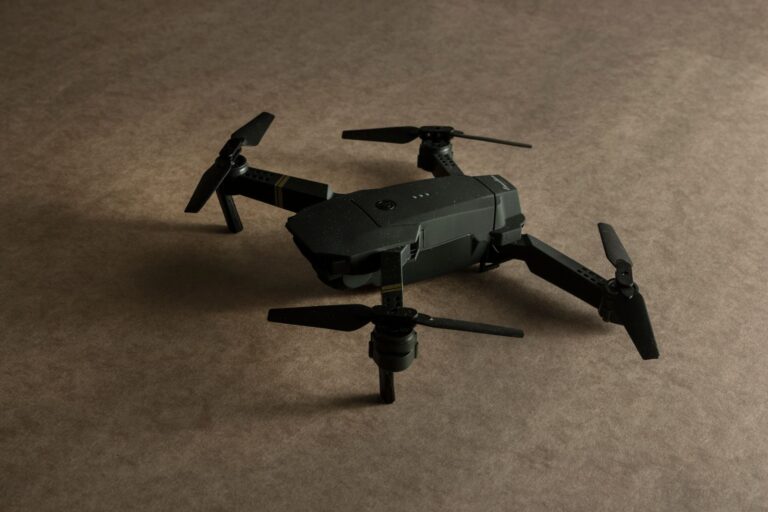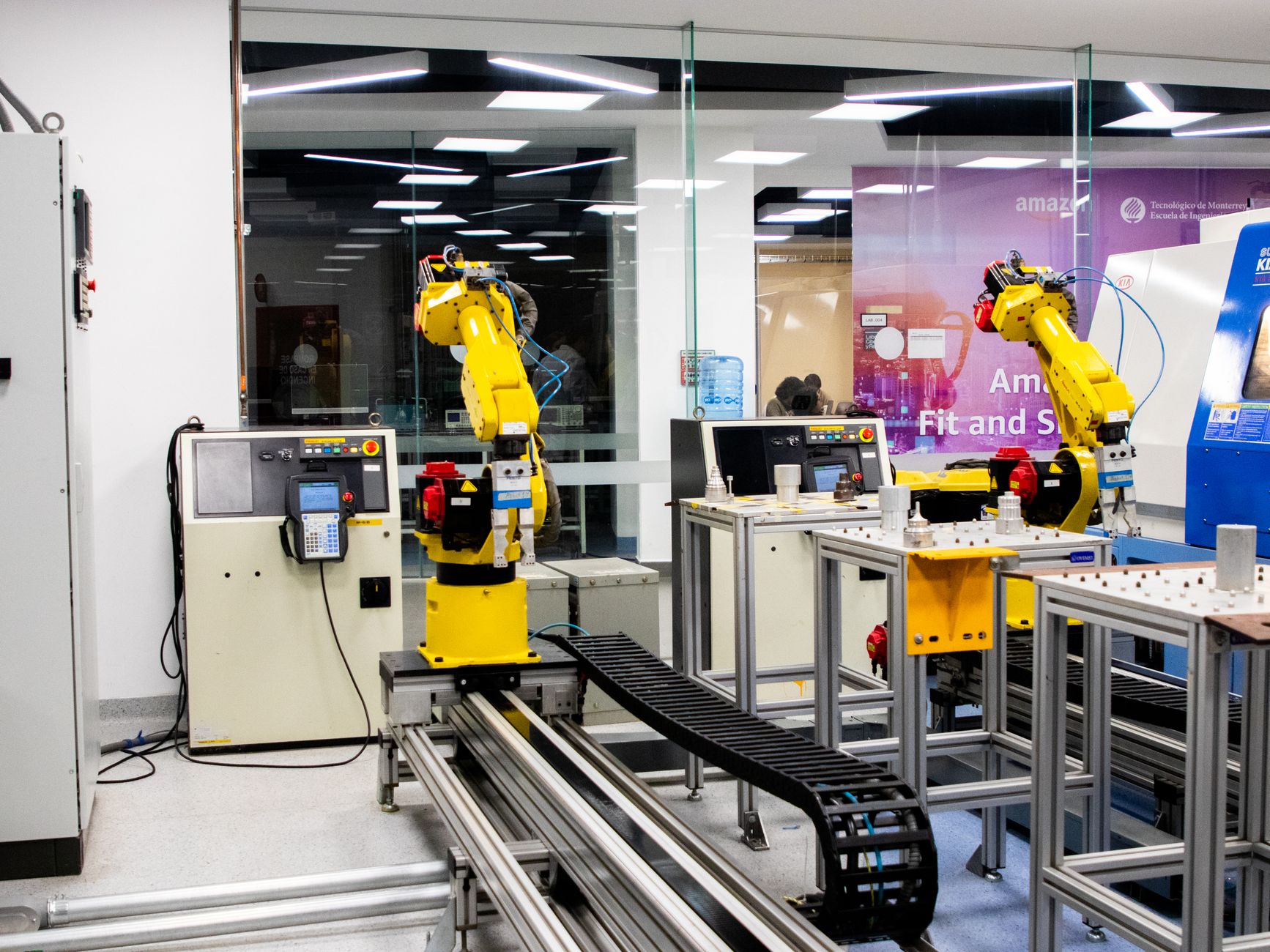

Poland has entered into agreements to domestically manufacture unmanned aerial systems based on designs and technology battle-tested by Ukrainian forces in their ongoing conflict with Russia. This shift represents a strategic pivot for Polish defense manufacturing, establishing supply chains that can sustain drone operations without dependence on external producers. Rather than importing finished systems, Poland is investing in the technical infrastructure to build these platforms locally, a move that accelerates both its own military modernization and strengthens its alliance with Ukraine through technology transfer and production partnerships. The Ukrainian military has driven rapid iteration in drone design through operational necessity, fielding systems that have proven effective against modern threats.
Polish production of these designs addresses a critical gap: allied nations need reliable, sustainable sources of these systems, and domestic manufacturing reduces lead times while building in-country expertise. This represents a departure from Poland’s traditional reliance on NATO standardization and Western procurement, reflecting both the unique demands of the Ukraine conflict and the technological merit of systems already validated in combat. The arrangement also signals broader industrial implications for European defense manufacturing. Poland’s domestic production capacity will likely serve not only national requirements but potentially regional allies within Eastern Europe and NATO. This geographic positioning near Ukraine’s border offers additional advantages for logistics and support.
Table of Contents
- Why Poland Chose to Manufacture Ukrainian Drone Designs
- Technical Transfer and Manufacturing Challenges
- Production Capacity and Supply Chain Integration
- Military Requirements Versus Commercial Production Constraints
- Regulatory and Strategic Coordination Challenges
- Supporting Ukraine While Building Domestic Capacity
- Industrial Learning and Long-Term Military-Industrial Development
Why Poland Chose to Manufacture Ukrainian Drone Designs
Ukraine’s drone development emerged from the practical needs of wartime innovation rather than the constraints of traditional procurement cycles. Front-line commanders identified capability gaps and worked with engineers to design systems that could be produced with available materials and expertise, resulting in platform designs optimized for specific operational challenges. Polish military planners recognized that these designs carried the weight of real-world combat validation, making them lower-risk candidates for domestic production compared to unproven platforms.
The financial comparison between purchasing finished systems and establishing local production capacity typically favors long-term domestic manufacturing, particularly when production volumes are substantial. Importing drones from any single source also creates strategic vulnerabilities—supply chain disruptions, diplomatic complications, or shifts in the producing nation’s priorities can leave military forces without critical assets. By establishing Polish production facilities, the nation reduces this dependency while building indigenous technical expertise that persists beyond any single conflict or alliance relationship.
Technical Transfer and Manufacturing Challenges
Transitioning battlefield designs into sustained domestic production introduces significant technical hurdles that extend beyond simple assembly. Production systems require standardized documentation, quality control protocols, and supply chain management for components—processes that consume considerable time and resources. Additionally, the designs must often be adapted to Polish manufacturing capabilities and infrastructure, which may differ substantially from the original production methods used in Ukraine. Quality control represents a critical limitation in rapid manufacturing scale-up. Prototypes and small-batch production can maintain standards through direct oversight, but moving to industrial-scale output requires automated testing, statistical process controls, and rigorous defect prevention systems.
Early-stage Polish production may show variance in component reliability or performance characteristics compared to Ukrainian-manufactured examples, a tradeoff that typically resolves only through iterative production and continuous improvement. Rushing this phase risks producing systems that fail in operational conditions, damaging both military effectiveness and diplomatic relationships. Component sourcing creates another layer of complexity. Drones require specialized electronics, sensors, and materials that may not have domestic Polish suppliers. The nation must either develop new suppliers, negotiate imports from neutral third parties, or accept dependency on external sources for critical components—essentially moving rather than eliminating the supply chain vulnerability.
Production Capacity and Supply Chain Integration
Establishing a drone manufacturing facility requires decisions about production scale, facility location, and supply chain geography. Poland has historically concentrated defense manufacturing in regions with existing industrial infrastructure and skilled labor pools, suggesting new drone facilities will likely build on established industrial areas rather than requiring entirely new sites. This approach leverages existing technical talent and suppliers for adjacent industries. The comparison between different production models—centralized single-facility production versus distributed multi-site manufacturing—presents tradeoffs. A single large facility offers economies of scale and standardized quality control but creates a single point of failure if disrupted by accident, natural disaster, or military action.
Distributed production spreads risk but reduces efficiency and complicates supply chain coordination. Poland’s location near Ukraine’s border and within NATO territory means any production facility faces potential security considerations that manufacturers in Western Europe do not. Component suppliers integrated into Polish manufacturing must meet specific technical standards while operating within the nation’s industrial regulatory framework. This process typically requires certification of suppliers and long-term agreements ensuring consistent quality. Early production runs often reveal supplier limitations—materials that don’t meet specifications, lead times that exceed planning assumptions, or quality inconsistencies—requiring both technical problem-solving and diplomatic negotiation with suppliers.
Military Requirements Versus Commercial Production Constraints
Military drone systems require different design priorities than commercial equivalents, though both operate in similar regulatory and physical environments. Combat systems must optimize for reliability under degraded conditions, repairability in field settings, and resilience against electronic countermeasures, whereas commercial drones prioritize ease of use and cost minimization. Polish production facilities must maintain these military-specification requirements even as they scale output, a constraint that limits how much commercial manufacturing expertise directly transfers. The tradeoff between rapid production expansion and technical maturity heavily favors caution in military applications. A manufacturing facility that doubles output in a year may inadvertently reduce quality or introduce new failure modes.
Ukrainian forces have operated drone systems that are genuinely field-expedient—sometimes assembled with combat-appropriate compromises rather than engineered-for-longevity specifications. Polish production, constrained by NATO standards and domestic military procurement practices, will likely produce more robust but also more costly systems than the original Ukrainian designs, shifting the efficiency calculus for military planners. Documentation and knowledge transfer from Ukrainian engineers to Polish technicians requires substantial time investment. Technical specifications alone are insufficient—manufacturing teams need to understand design rationales, failure modes observed in combat, and the underlying engineering principles that allow informed modifications if operational requirements evolve. This knowledge transfer often takes longer than physical facility construction.
Regulatory and Strategic Coordination Challenges
Manufacturing military hardware involves regulatory oversight, export control restrictions, and NATO coordination standards that differ between Poland and Ukraine. Polish facilities must meet EU weapons manufacturing directives, NATO standardization agreements for interoperability, and national defense regulations—frameworks that Ukrainian wartime production intentionally avoided or adapted. Aligning these systems requires time and coordination, particularly when the original designs embodied rapid prototyping approaches rather than formal engineering documentation. Export restrictions present a significant strategic warning. Production of military drones manufactured in a NATO member state faces different international law constraints than Ukrainian production.
Other nations seeking to acquire these systems may find Polish-manufactured variants subject to NATO export controls and U.S. foreign military sales restrictions, depending on technology content and component origins. This limitation may reduce the commercial or strategic value of Polish production compared to Ukrainian sources, a consideration that affects planning around production capacity and sales expectations. Technology control is another constraint. If the designs incorporate components or technologies sourced from U.S., German, or other NATO suppliers, permission from those nations may be required before exporting or even producing certain variants. This layered approval process can delay production decisions and limit manufacturing flexibility, particularly in crisis situations requiring rapid scale-up.
Supporting Ukraine While Building Domestic Capacity
Polish manufacturing of Ukrainian designs serves dual strategic purposes: Poland gains indigenous drone production capability while Ukraine benefits from allied manufacturing capacity that supplements its own production. This mutual benefit arrangement creates incentives for continued technology transfer and design collaboration, though the relationship also creates information security considerations.
The geographic proximity of Polish facilities to Ukraine’s borders offers logistical advantages for rapid replacement of combat losses and delivery of new systems. Compared to manufacturing in Western Europe, Polish production can sustain Ukrainian operations with shorter supply lines and faster response times. However, this proximity also creates vulnerability if the conflict shifts or if Polish territory faces military pressure—production facilities this close to active conflict zones require robust security measures and contingency planning.
Industrial Learning and Long-Term Military-Industrial Development
Manufacturing complex military hardware generates institutional knowledge beyond the specific drone platform. Engineers and technicians working in Polish facilities learn production techniques, quality management approaches, and systems integration practices that apply to future weapons development. This accumulated expertise becomes particularly valuable if technological requirements evolve beyond the initial design, requiring Polish designers to develop variants or successor systems building on the foundation established through manufacturing current designs.
The competitive landscape for drone manufacturing in Europe is consolidating around multiple nations establishing their own production capacity rather than centralized supplier relationships. Poland’s entry into manufacturing positions it within this competitive field, alongside efforts in other NATO member states to develop indigenous capabilities. This decentralization reduces single-point dependencies across the alliance but fragments supply chains and increases per-unit production costs—a tradeoff that NATO planners have judged acceptable given the geopolitical environment.
- —