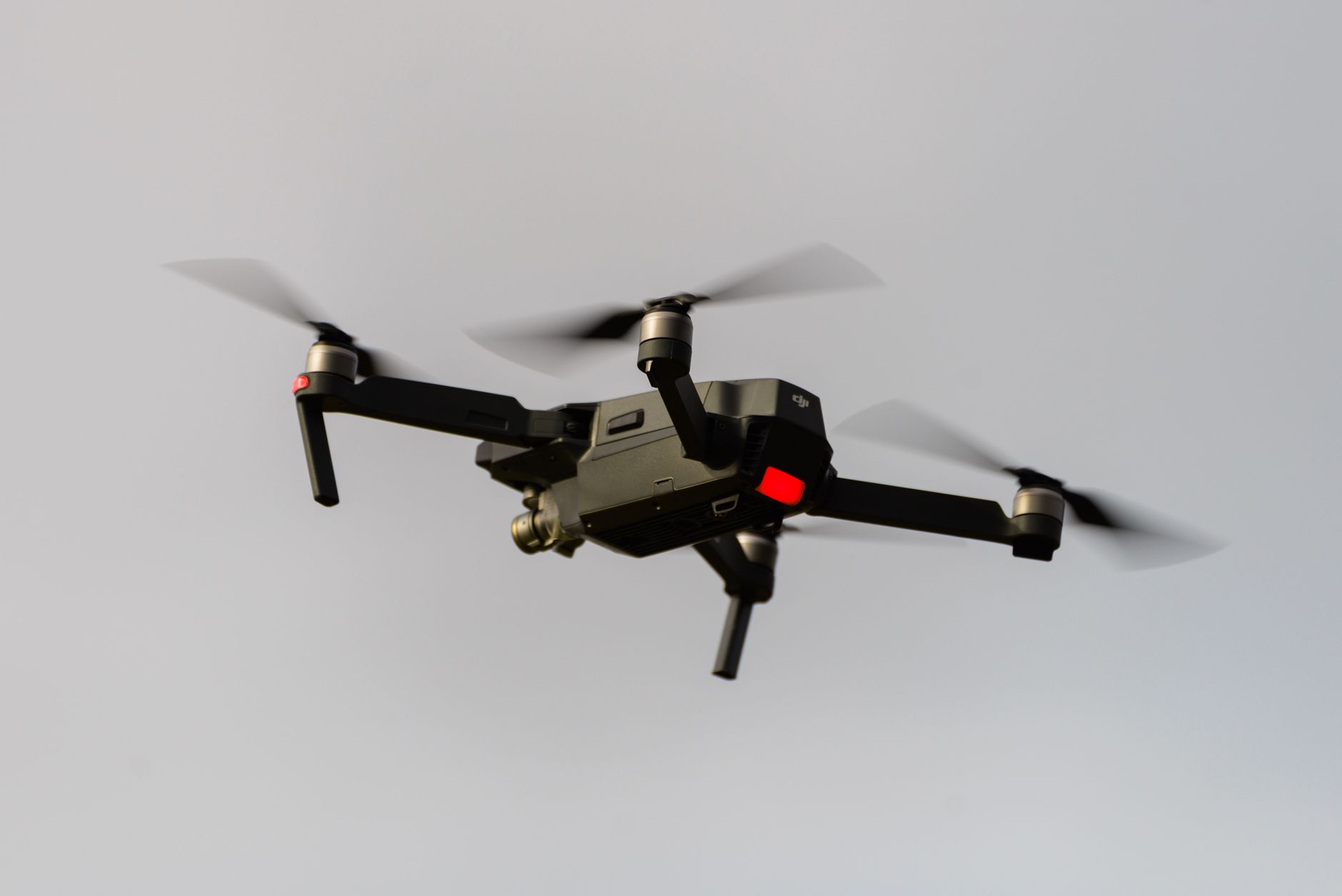

Anti-drone systems are becoming increasingly visible at major U.S. sporting events, driven by security agencies’ concerns about unauthorized aerial activity in crowded venues. The technology has shifted from specialized military applications to commercial detection and mitigation systems specifically designed for civilian events. Events like Super Bowls, World Series games, and Olympics have prompted rapid deployment of these systems, making them a standard component of modern venue security protocols.
The demand stems from multiple factors: increased accessibility of commercial drones, the difficulty of detecting small unmanned aircraft with traditional security methods, and the vulnerability of large gatherings to aerial surveillance or other threats. Security planners now view anti-drone systems as essential infrastructure rather than experimental technology, comparable to metal detectors and bag screening. This shift has created a growing market for vendors offering detection, identification, and neutralization solutions tailored to outdoor event environments. A typical deployment might involve radar-based detection arrays positioned around a stadium perimeter, coupled with radio frequency scanners that identify drone control signals. These systems operate continuously during events and are often coordinated with law enforcement and federal agencies responsible for airspace security.
Table of Contents
- What Types of Anti-Drone Technology Are Deployed at Sporting Events?
- How Do Mitigation Systems Respond to Detected Drones?
- Why Are Sporting Events Considered High-Priority Targets for Anti-Drone Measures?
- What Are the Operational Challenges of Deploying Anti-Drone Systems at Venues?
- How Do False Positives Affect Anti-Drone System Effectiveness?
- What Role Do Federal Regulations Play in Anti-Drone Deployment?
- What Emerging Technologies Are Expanding Anti-Drone Capabilities at Events?
What Types of Anti-Drone Technology Are Deployed at Sporting Events?
Anti-drone systems used at major events rely on several distinct technologies, each with different capabilities. Radar-based detection identifies aircraft through radio reflection, offering coverage of wide areas but sometimes struggling to distinguish drones from birds or weather phenomena. Radio frequency detectors track the communications signals between operators and their devices, allowing identification of specific drone models and operator locations. These technologies are frequently combined in layered systems to increase reliability and reduce false positives. Acoustic detection systems listen for the distinctive sound signatures of drone propellers, working particularly well in controlled outdoor environments.
However, their range is limited compared to radar, and loud ambient noise from crowds or music can reduce effectiveness. Some venues employ multiple detection methods simultaneously—radar for range detection, RF scanners for signal identification, and acoustic sensors as backup—creating redundancy that prevents single-point failures. The tradeoff involves complexity and cost. A comprehensive system covering a stadium and surrounding areas may require dozens of sensors, extensive cabling, and ongoing calibration by trained technicians. Temporary events face particular challenges because systems must be installed, tested, and removed within tight timeframes, and outdoor conditions like rain, wind, and electromagnetic interference can degrade performance.
How Do Mitigation Systems Respond to Detected Drones?
Once anti-drone systems detect an aircraft, response options range from passive monitoring to active intervention. The most common approach is detection and alert—security personnel are notified of the drone’s presence and location, allowing manual response by law enforcement or contracted security teams. This method avoids collateral damage and allows investigation of whether the drone poses an actual threat. Active mitigation techniques include signal jamming, which disrupts the communication link between the operator and the drone, causing it to land or return to its launch point. Radio frequency jamming is regulated by federal law, and only authorized government agencies or licensed contractors can legally employ it.
This limitation means that venue operators must work through law enforcement agencies, creating coordination challenges during events with thousands of spectators. A significant downside to jamming is that it can interfere with legitimate communications in the area, including police and security radios if poorly tuned. Additionally, sophisticated drones can include autonomous flight plans that allow them to continue operating even if their control signal is jammed. Net capture and directed energy weapons exist but are rarely deployed at civilian events due to safety concerns and regulatory restrictions. Most venues therefore rely on detection and alerting rather than aggressive intervention.
Why Are Sporting Events Considered High-Priority Targets for Anti-Drone Measures?
Large sporting events concentrate tens of thousands of people in a defined space, creating high-consequence scenarios if unauthorized drones approach. The crowd density, media coverage, and symbolic importance of these events make them attractive targets for various threat actors—from pranksters seeking attention to actors with malicious intent. Security agencies must plan for the full spectrum of possibilities, from nuisance flights to coordinated attacks. The visibility and prestige of major sporting events also means that any security incident receives intense media scrutiny and can impact public confidence in venue safety.
A single undetected drone incident could trigger changes in event policies, increased costs, and reputational damage to organizers. This pressure has accelerated adoption of anti-drone technology even in the absence of specific, credible threats at individual events. International events like the Olympics introduce additional complexity because they occur in temporary security zones and must accommodate international athletes, officials, and spectators. These events typically see the most advanced anti-drone deployments because federal agencies are willing to commit resources to protect high-profile functions. Smaller regional sporting events may use simpler, more cost-effective systems or rely primarily on airspace restrictions enforced by the Federal Aviation Administration.
What Are the Operational Challenges of Deploying Anti-Drone Systems at Venues?
Integration of anti-drone systems into existing venue security infrastructure requires coordination between multiple agencies and contractors. The venue owner typically manages physical security, but airspace authority belongs to the FAA, and law enforcement agencies may operate their own detection and response capabilities. Clarifying who controls what and how information flows between these entities is often the most time-consuming aspect of deployment planning. Weather conditions significantly impact system performance. Radar systems can penetrate light rain but experience degradation in heavy precipitation or severe thunderstorms. Acoustic sensors become nearly useless in high-wind conditions or when crowd noise exceeds certain thresholds.
Radio frequency systems are affected by electromagnetic interference from the stadium’s lighting, video displays, and telecommunications equipment. Operators must account for seasonal patterns and plan deployments around historical weather data for the event’s typical date. Testing and validation of these systems is complex and must occur without disrupting the event itself. Pre-event testing windows are limited, and system tuning often continues during event hours as operators adjust sensitivity settings and identification parameters based on real-world conditions. This dynamic adjustment is a limitation—there is no set-and-forget deployment. Human operators must actively manage the systems, interpret alerts, and coordinate responses in real time.
How Do False Positives Affect Anti-Drone System Effectiveness?
False alarms represent a major operational challenge for venues deploying anti-drone systems. Radar systems commonly generate alerts for birds, weather balloons, and helicopters operating in nearby airspace. If a system triggers too frequently on non-threats, operators experience alert fatigue and may become slower to respond to actual anomalies. Establishing the right sensitivity thresholds requires significant technical expertise and venue-specific testing. Radio frequency detection faces a different false positive problem: it can pick up civilian drones that are actually operating legally in nearby areas outside the secured perimeter. The system detects the signal but cannot distinguish whether the drone is inside the no-fly zone or simply beyond it.
This ambiguity forces security personnel to launch investigations that consume resources and attention. Some venues address this by requiring drone operators in surrounding areas to register with event organizers, allowing their signals to be pre-identified and filtered out. A critical limitation is that reducing false positives by raising detection thresholds creates a corresponding risk of missing actual threats. The ideal threshold varies based on atmospheric conditions, background radio interference, and the specific drone models in use. Operators must constantly balance these competing demands, and no perfect solution exists. This inherent tradeoff means that venues must accept either a higher number of false alarms or increased risk—there is a cost to each choice.
What Role Do Federal Regulations Play in Anti-Drone Deployment?
The FAA maintains strict control over U.S. airspace and determines where, when, and how anti-drone systems can operate. Special Flight Authorizations and temporary flight restrictions are typically issued for major events, creating no-fly zones around venues. These regulatory frameworks establish the legal basis for security operations but also constrain what can be done without prior approval.
Contractors cannot operate jamming systems or engage in active mitigation without explicit federal authorization. Different agencies have different authorities and responsibilities. The FBI handles security threats, the Secret Service protects designated individuals, and the FAA manages airspace. Each brings its own anti-drone capabilities and procedures to major events, and coordination between these entities determines overall effectiveness. Miscommunication or unclear command structures can lead to detection capabilities that don’t translate into response capabilities, leaving gaps in security.
What Emerging Technologies Are Expanding Anti-Drone Capabilities at Events?
Artificial intelligence and machine learning are beginning to improve anti-drone system performance by automatically distinguishing between threat and non-threat aircraft. AI-assisted systems can learn the flight patterns of authorized helicopters, news helicopters, and other legitimate aircraft in a venue’s area and filter them from alerts. This technology reduces false positives but requires training data and ongoing adjustment as conditions change. Cellular and networked detection systems that aggregate information from multiple sensors across a venue provide more comprehensive airspace awareness than single-point sensors.
These networked systems allow operators to track drone movements over time and predict flight paths, enabling more effective response. However, integrating disparate sensors from different manufacturers remains technically challenging, and standardization of data formats and communication protocols is still developing across the industry. Advances in portable anti-drone systems have made deployment faster and more flexible. Earlier systems required extensive installation and permanent infrastructure; newer systems can be transported and deployed within hours. This mobility has expanded deployment to events held at temporary venues or venues without existing security infrastructure, though it has not eliminated the need for experienced technicians to configure and operate the systems correctly.