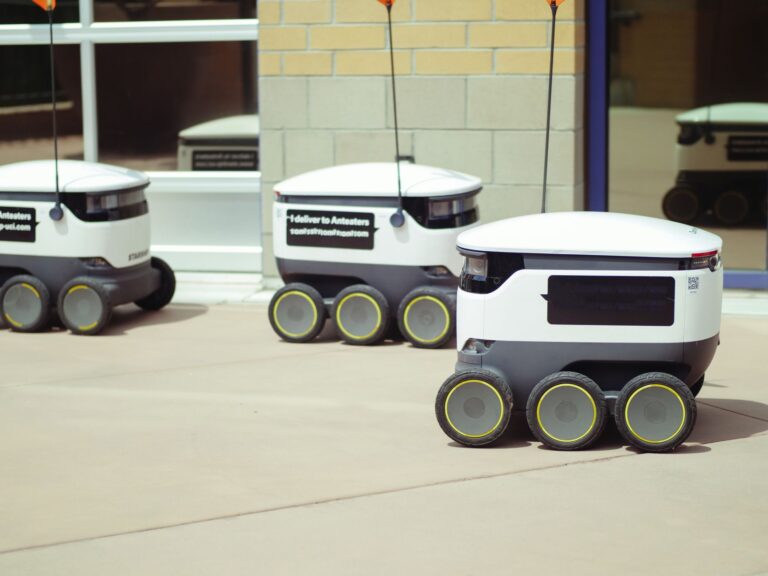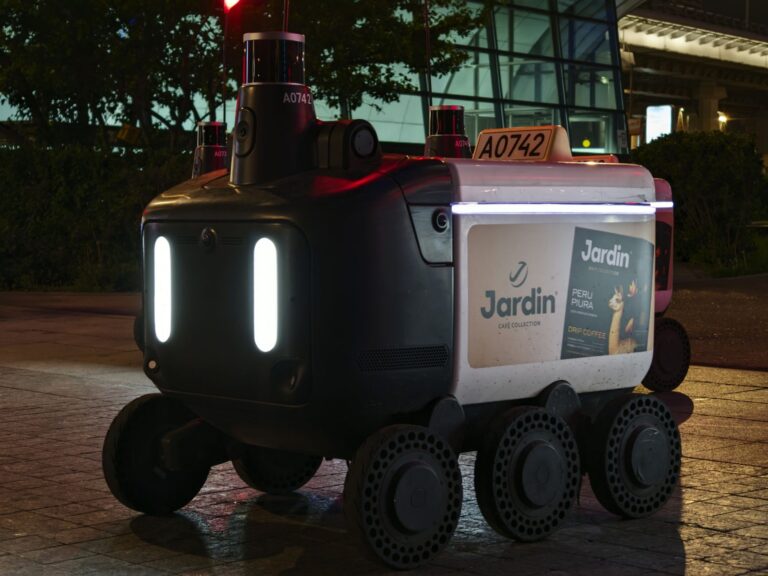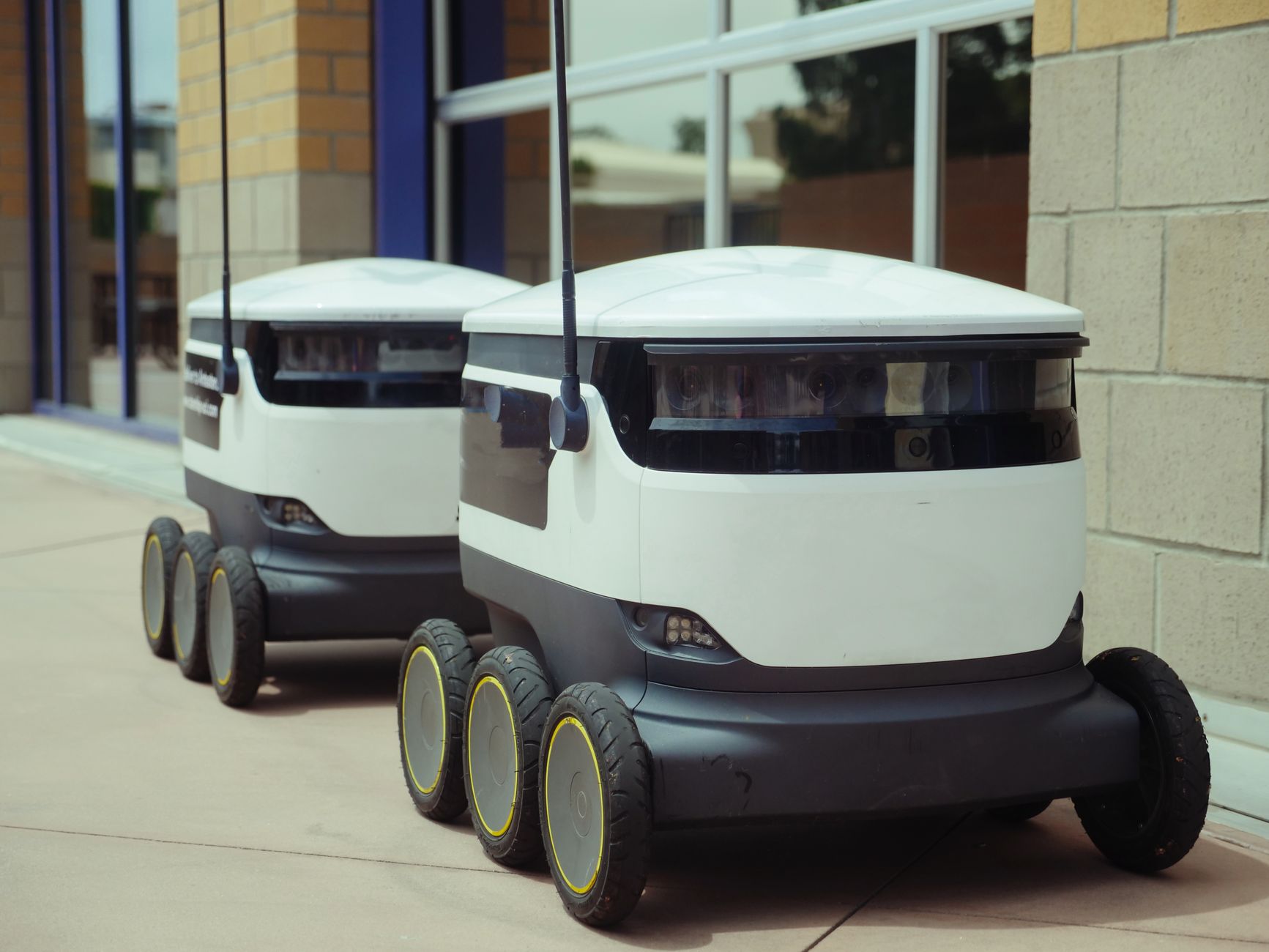

Delivery robots in hotels and apartment buildings carry food, parcels, towels, and small supplies from a lobby or pickup point to a guest or resident door. They are small indoor mobile robots that travel hallways on wheels, avoid obstacles, and signal arrival by call, text, or on-screen code.
A staff member or resident loads the locked compartment and enters the destination. The robot then plans a route, keeps to clear floor space, and waits for pickup. Buildings that use them well treat them as part of front-desk and concierge work, not as replacements.
Table of Contents
- How indoor delivery robots navigate
- How they ride elevators and pass doors
- Which jobs fit hotels and apartments
- What building teams should set up first
How indoor delivery robots navigate
Indoor delivery robots combine floor maps with live sensors. A stored map defines hallways, elevators, and drop-off points. Laser, depth, or ultrasonic sensors detect people, carts, luggage, and temporary obstacles. They move slowly and stop rather than push through crowds.
Bright trim, lights, and sound help residents notice them in narrow corridors. Managers usually set quiet hours, speed limits, and no-go areas near stairs, pools, and loading docks. Performance depends on the building layout. Wide, uncluttered halls with clear room numbers work best. Tight turns, mirrors, glass walls, high thresholds, and thick carpet can slow travel or block sensors.
How they ride elevators and pass doors
Elevator access is the main technical hurdle. Common approaches include wireless elevator control, where the robot requests a car and selects a floor, and staff-assisted trips for buildings without that link. Fire-service modes, maintenance holds, and crowded cars still require human backup. Locked doors are a second limit.
Most robots cannot open heavy fire doors or apartment doors. Buildings handle this with automatic doors, propped delivery routes, lobby handoff stations, or a resident meeting the robot at the door. Secure handoff matters for both settings. A locked compartment with a PIN, QR code, or app unlock keeps items private. Hotels often add automatic return to the front desk after delivery, while apartment buildings favor parcel-room or locker handoffs for unattended drops.
Which jobs fit hotels and apartments
Hotels use these robots for late-night food runs, drinks, toiletries, towels, and documents. The value is fast internal transport without pulling staff from the desk. Items must be small, stable, and spill-resistant, with hot soup, open cups, and fragile goods packed carefully.
Apartment buildings use them for parcels, groceries, laundry, and intercom-linked food drop-offs. They help during peak delivery hours and reduce lobby congestion. Large furniture boxes, perishables needing refrigeration, and age-restricted items usually stay with staff. Both settings need clear limits:.
- one or two secured compartments per trip, not bulk hauling
- attended pickup at the door for valuable or time-sensitive goods
- staff takeover for stairs, outages, blocked halls, or upset residents
- routine cleaning of wheels, sensors, and compartments after food use
What building teams should set up first
Start with routes, not robots. Walk the full path, measure doors and ramps, mark charging spots, and test elevator timing at busy hours. Choose a few standard trips, such as lobby to upper floors, before adding more stops. Train staff on loading, destination entry, failed-delivery recovery, and guest messaging.
Guests and residents need short instructions: where to meet the robot, how to unlock it, and whom to call for help. Clear signage reduces touching, blocking, or crowding around the machine. Plan for safety and upkeep with locked storage, daily sensor checks, and a contact for stuck robots. Keep a manual backup for power cuts, network loss, and elevator service days. Test one hallway change at a time, such as new rugs or lobby furniture, before clearing the robot for full duty.