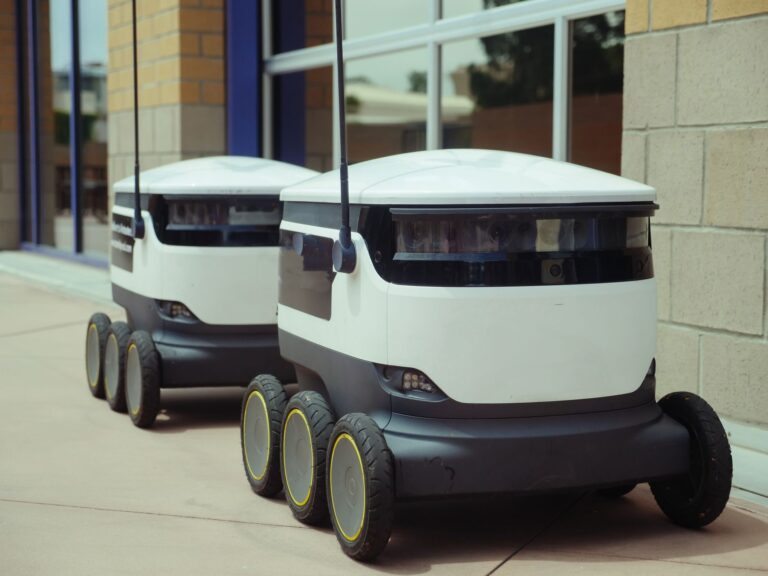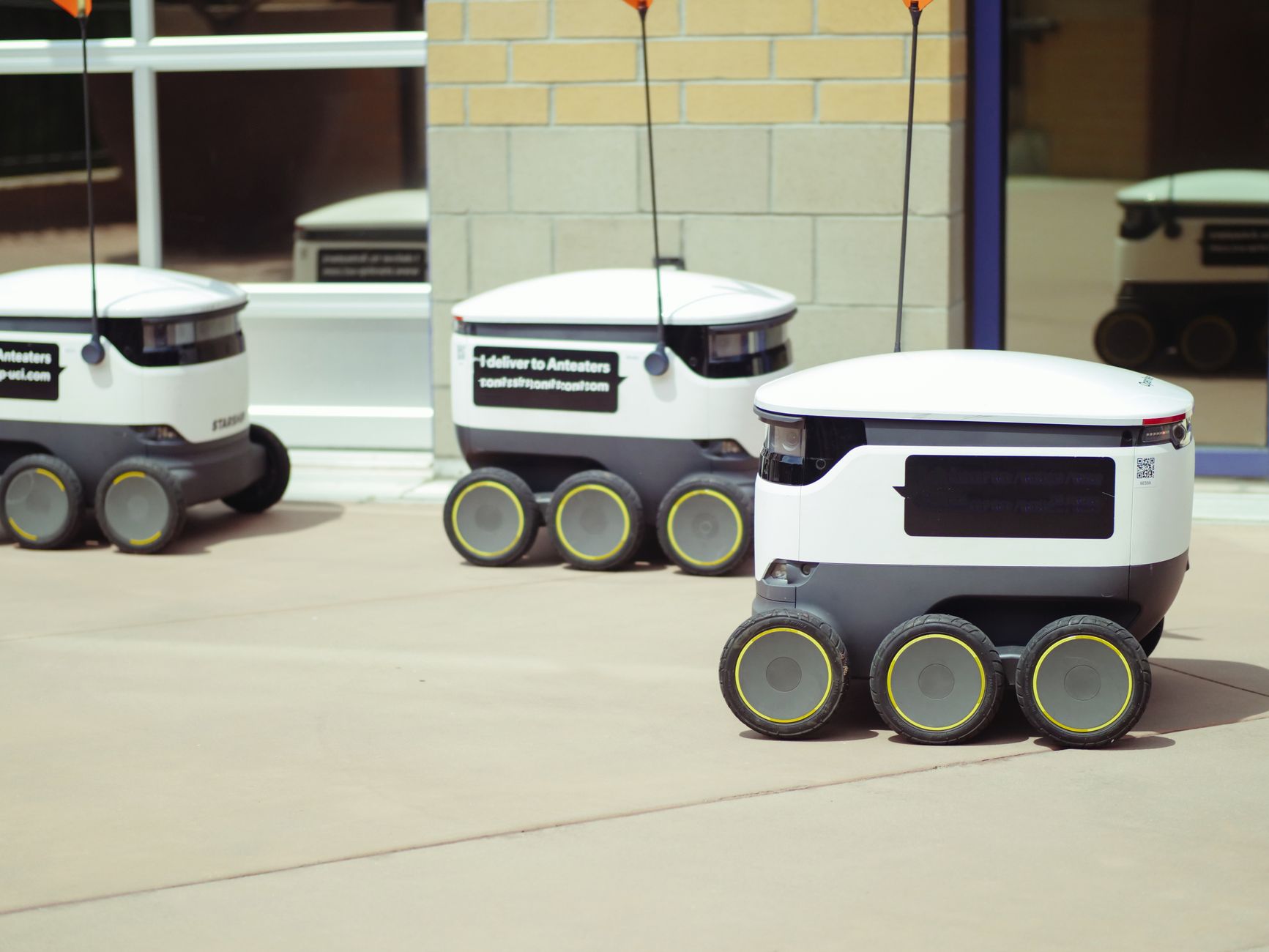

Mobile robot safety standards changed to cover the people who run fleets every day. Industrial mobile robots, which move materials without fixed tracks, gained a user standard on September 29, 2026. The Association for Advancing Automation announced ANSI/A3 R15.08-3-2026 for industrial mobile robot users, completing the three-part R15.08 series. The release arrived just before the International Robot Safety Conference on November 3-5 in Detroit.
Table of Contents
- What does Part 3 require from users?
- Who handles safety across a robot's life?
- Why align mobile and fixed robot rules?
- What else changed in robot safety?
- What will Detroit address?
What does Part 3 require from users?
Part 3 shifts attention from purchase and setup to daily operation. It assigns site users duties for risk assessment, management of change, training, and periodic reviews.
Those duties fit normal plant changes. A revised layout, heavier payload, new traffic route, or added fleet vehicle can change stopping distance and visibility. Users can turn the standard into routine checks:.
- review risk after layout, payload, route, or software changes
- control changes before robots return to full speed
- train operators, maintenance staff, and nearby workers
- repeat reviews on a set schedule
Who handles safety across a robot's life?
The R15.08 series divides responsibility across three parties. Part 1 covers the mobile robot maker. Part 2 covers integrators that build systems and fleets. The ANSI Blog explains that maker, integrator, and user structure, with new Part 3 for sites running applications daily.
Makers must design safe machines and describe operating limits. Integrators must build safe systems within those limits. Users then keep those limits valid. They watch floors, traffic, loads, and people. They act when real use drifts from the planned use.
Why align mobile and fixed robot rules?
Many plants use both fixed robot cells and mobile robots. Separate user rules would force two safety routines for one floor. Part 3 was developed jointly with R15.06 Part 3 for traditional industrial robots. Plants can therefore follow consistent guidance for continued operation.
The same review habit applies to a fenced cell and a moving fleet. The practical gain is fewer gaps. A pallet move may start at a fixed cell and finish on a mobile base. Aligned user duties keep responsibility clear during that handoff.
What else changed in robot safety?
Mobile robots are one part of a wider update. In February 2025, ISO published ISO 10218-1:2025 and ISO 10218-2:2025, replacing 2011 editions. Part 1 treats robots as partly completed machinery. Part 2 covers integrated applications and cells. The U.S.
adoption, ANSI/A3 R15.06-2025, revises the 2012 standard. Engineering.com reports it clarifies functional safety and folds collaborative guidance into the core, with added end-effector and manual load and unload content. Functional safety covers controls that detect faults and hold safe states. Collaborative guidance covers shared work between people and robots. Part 1 of R15.08 was also reaffirmed as ANSI/A3 R15.08-1-2020 (R2026) without technical change. That step holds makers to safe-by-design and documented environments while users take on change control.
What will Detroit address?
The Detroit agenda focuses on putting the new documents to work. A3 lists sessions on R15.06-2025, ISO 10218 changes, risk assessment, and mobile applications, plus functional safety, cybersecurity, collaborative work, and physical AI. The audience includes engineers, integrators, and safety staff.
Listed speakers come from Amazon Robotics, NVIDIA, OSHA, and Boston Dynamics. The mix links plant practice, supplier design, and enforcement views. Attendees can compare fleet layouts, payload limits, training plans, and review intervals against the new user duties. Bring current maps, load lists, and change records to test against session checklists.