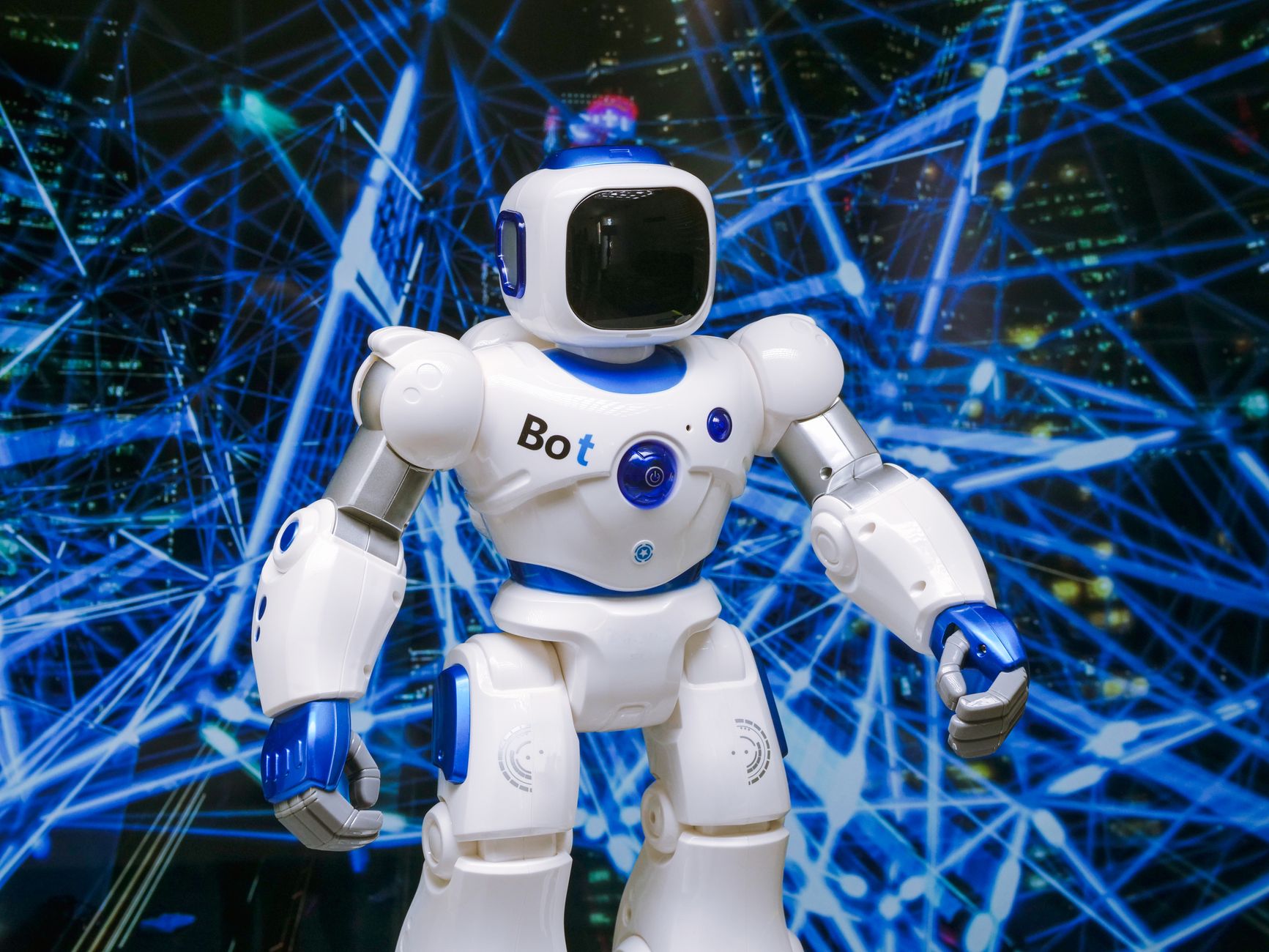

U.S. humanoid robot policy does not yet exist as a single, dedicated framework, so the practical answer to how the government should regulate these machines is to adapt existing safety, labor, and liability rules rather than wait for one sweeping law. A humanoid robot is a machine built in roughly human form—two arms, two legs or a wheeled base, and sensors—designed to work in spaces made for people.
The six recommendations below outline where targeted rules would do the most good. These recommendations are a durable framework, not a report on enacted law. They reflect long-standing regulatory principles applied to a technology that is still early, uneven, and mostly deployed in controlled settings like warehouses and research labs.
Table of Contents
- The six recommendations at a glance
- Why safety and liability come first
- Privacy, data, and cybersecurity
- How workforce and reporting rules fit in
- What operators and buyers can do now
- Frequently Asked Questions
The six recommendations at a glance
Effective regulation would spread across several agencies rather than sit in one new bureau. Each recommendation targets a specific harm that current rules address only partly.
Each item maps to an agency that already regulates a related area. That overlap is a feature: it lets oversight start now instead of after a landmark statute.
- **Safety certification** — Require a baseline safety standard before a robot works near untrained people, similar to how workplace machinery is certified.
- **Clear liability rules** — Define who pays when a robot causes injury or property damage: maker, operator, or owner.
- **Data and privacy limits** — Govern the cameras, microphones, and location data these robots collect in homes and workplaces.
- **Workforce transition support** — Pair deployment rules with retraining and reporting for displaced workers.
- **Testing and incident reporting** — Mandate logging and disclosure of failures, much like aviation and automotive recalls.
Why safety and liability come first
A humanoid robot that shares floor space with people is a moving mass with grippers and momentum. The nearest existing model is workplace machinery, which faces guarding, lockout, and testing requirements before it operates near staff. Extending that logic—rather than inventing it—gives regulators a running start. Liability is the harder gap.
Traditional product law asks whether a product was defective, but a learning robot can behave in ways its maker did not directly program. Regulators would need to decide how much responsibility stays with the manufacturer versus the operator who deploys and configures the machine. A workable rule of thumb assigns liability to the party best positioned to prevent harm. The maker controls design and safety limits; the operator controls where and how the robot runs. Clear allocation, set in advance, reduces the costly uncertainty that slows both adoption and accountability.
Privacy, data, and cybersecurity
A humanoid robot is also a mobile sensor platform. To navigate, it constantly records images, sound, and spatial maps of the rooms it enters. In a home or hospital, that data is unusually sensitive. Rules here can borrow from existing data-protection principles: collect only what the task needs, store it briefly, and tell people when a robot is recording.
A warning worth flagging for buyers and operators is that a robot streaming footage to a vendor's cloud may expose more than a stationary camera ever would. Cybersecurity raises the stakes further. A compromised humanoid robot is not just a data leak—it is a physical actor that an attacker could redirect. Treating connected robots like other critical connected systems, with patching duties and breach reporting, addresses a threat that privacy rules alone miss.
How workforce and reporting rules fit in
Deployment will displace some tasks before it displaces whole jobs, and policy can smooth that shift. Requiring operators to report large-scale robot deployments gives labor agencies data to target retraining where it is actually needed. This is disclosure, not a ban on automation. Incident reporting serves a parallel purpose for safety.
Aviation and automobiles improved partly because failures were logged, investigated, and shared. A comparable requirement for serious robot malfunctions would let regulators spot patterns—say, a gripper that fails under a specific load—before they cause repeat harm. The limit to acknowledge: reporting rules only work if thresholds are clear and enforcement is funded. Vague mandates produce paperwork, not safety.
What operators and buyers can do now
Regulation is unsettled, but organizations deploying these robots need not wait for it. A few practical steps reduce risk and prepare for future rules.
These measures track the six recommendations closely. Acting on them early is cheaper than retrofitting compliance later, and it builds a record that future regulators are likely to expect.
- Ask vendors for written safety limits, testing records, and a clear liability position before purchase.
- Map what data the robot collects, where it goes, and who can access it.
- Confirm the robot receives security updates and that breaches will be disclosed to you.
- Keep humans in charge of stopping the machine, with an accessible emergency stop and defined oversight roles.
- Log incidents internally even where no law yet requires it.
Frequently Asked Questions
Is there a single U.S. law that regulates humanoid robots today?
No. Oversight currently comes from general rules on workplace safety, product liability, data protection, and cybersecurity, not a dedicated robot statute.
Who is liable if a humanoid robot injures someone?
It depends on the cause and existing product and workplace law. Clearer rules would assign responsibility to whichever party—maker or operator—was best positioned to prevent the harm.
Do these recommendations ban automation or job losses?
No. They focus on disclosure, safety, and retraining support rather than restricting where robots can be used.