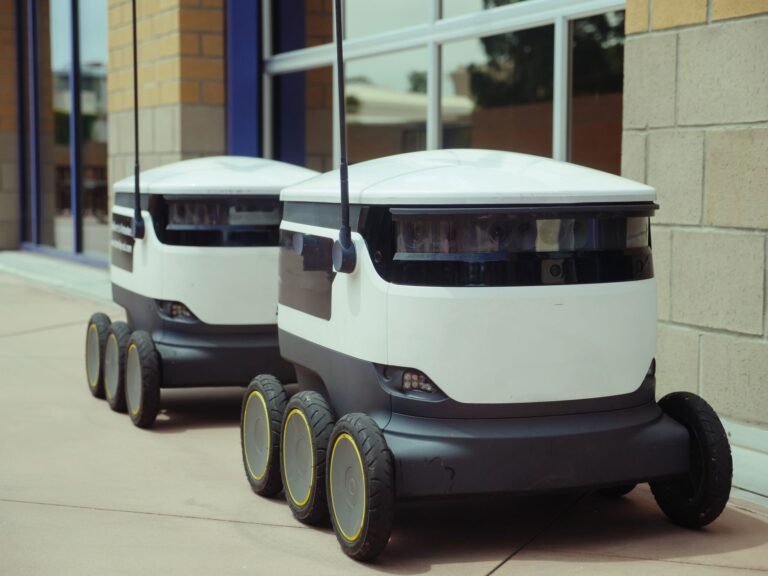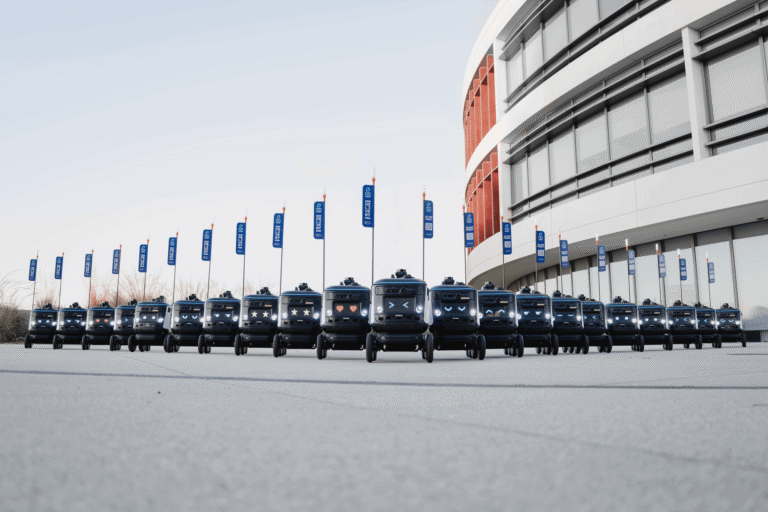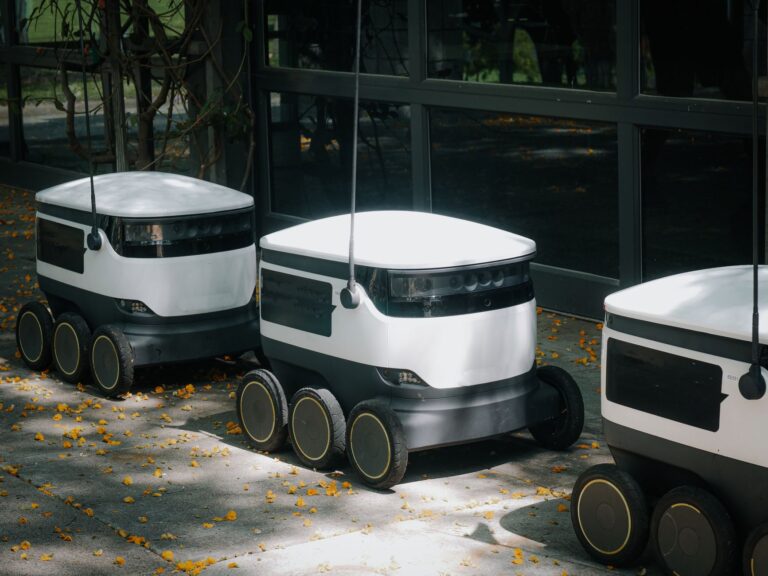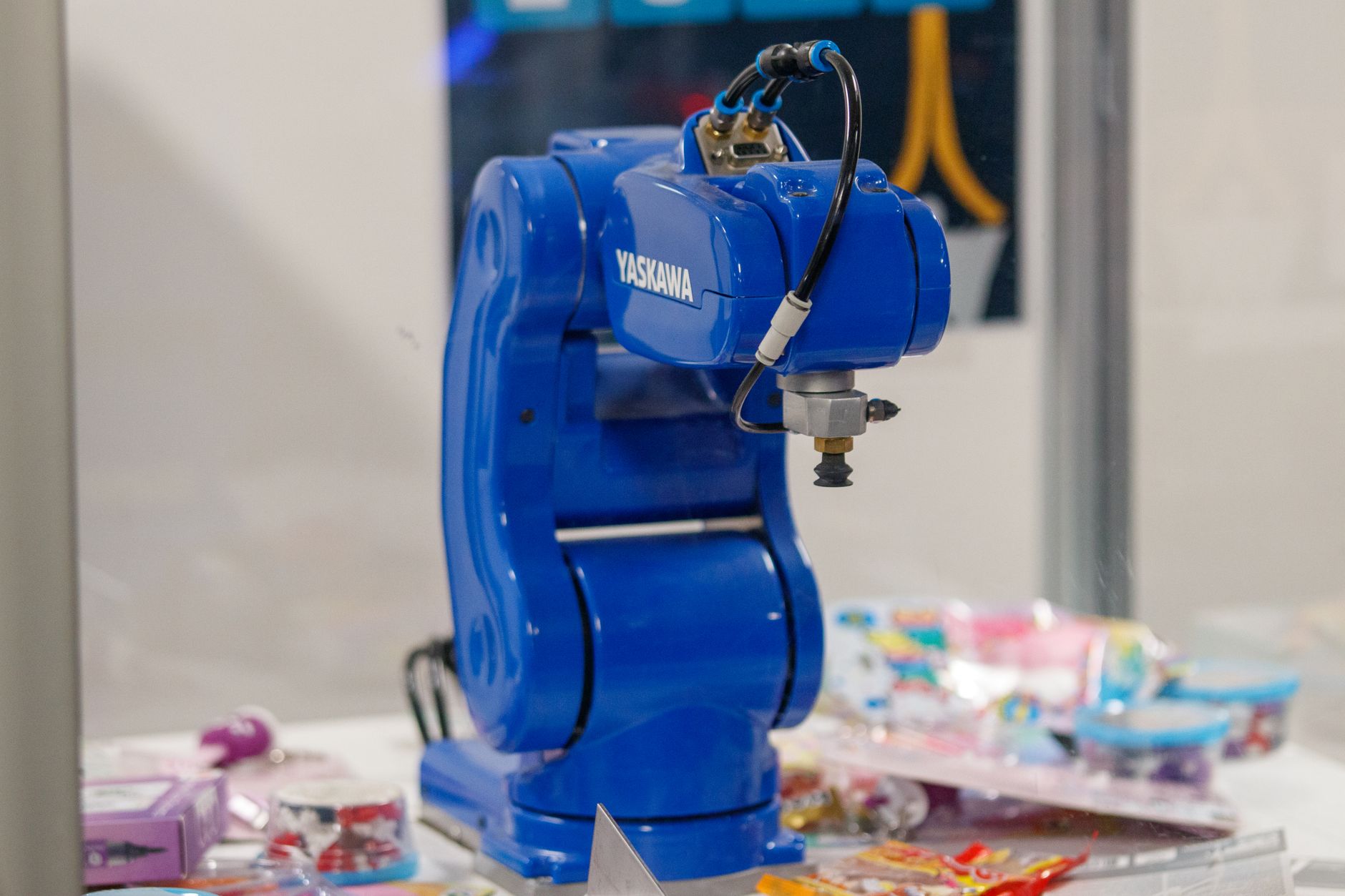

One Stop Systems supports robotics and edge AI because autonomous systems operating in the field cannot afford the latency of cloud processing. When a construction drone navigates a jobsite, when a mining robot encounters an unexpected obstacle, or when an autonomous vehicle makes a split-second driving decision, the processing must happen on the device itself—not thousands of miles away in a data center. One Stop Systems has built its entire business around making this possible, designing and manufacturing ruggedized GPU expansion platforms and compute systems specifically engineered to handle the demanding requirements of real-time robotics at the edge.
The company’s focus on robotics edge AI stems from a fundamental constraint of autonomous systems: the speed of physics. A robot gathering sensor data from multiple cameras, LiDAR units, and radar arrays generates terabytes of information per hour. Sending that raw stream to a cloud API introduces network latency—often measured in hundreds of milliseconds—that makes real-time autonomous decision-making impossible. By providing high-performance compute directly on or near the robot itself, One Stop Systems enables manufacturers to deploy truly autonomous equipment in mining, construction, agriculture, and military operations.
Table of Contents
- Edge AI Processing: Why Autonomous Robots Demand On-Device Computing
- One Stop Systems’ Hardware Architecture and GPU Expansion Platforms
- Recent Robotics Contracts and Market Traction
- Market Growth and the Business Opportunity for Edge AI Robotics
- Ruggedization Challenges and Environmental Constraints in Robotics Deployment
- Sensor Fusion and Real-Time Perception in Autonomous Robotics
- Strategic Position in the Autonomous Systems Supply Chain
Edge AI Processing: Why Autonomous Robots Demand On-Device Computing
Edge AI differs fundamentally from cloud-based machine learning because it eliminates the communication bottleneck. Traditional cloud AI requires constant back-and-forth transmission between device and server, which introduces network dependence and latency penalties. A robot operating in a remote mining pit, underground tunnel, or combat zone cannot rely on consistent connectivity. One Stop Systems addresses this by providing dense GPU compute directly on robotic platforms or in nearby edge server deployments, enabling continuous autonomous operation even when network links fail or lag.
The technical advantage extends beyond latency. Edge processing reduces bandwidth consumption dramatically—a robot processing sensor data locally might transmit only the final decision or compressed insights, rather than raw sensor streams. For a fleet of autonomous mining equipment, this translates to lower infrastructure costs and reduced strain on communication networks. One Stop Systems specifically markets itself to industries facing these constraints: autonomous vehicles, mining equipment manufacturers, aircraft systems, medical imaging, and military applications where connectivity is neither guaranteed nor desirable from a security standpoint.
One Stop Systems’ Hardware Architecture and GPU Expansion Platforms
One Stop Systems manufactures specialized GPU expansion platforms designed for harsh operating environments where consumer-grade hardware fails. Their flagship offering is Ponto, the world’s first PCIe Gen 5 expansion platform that supports up to 16 full-size, high-wattage GPUs in just 6U of rack space. This density matters for robotics applications because it allows autonomous systems manufacturers to concentrate significant compute power in compact form factors that can be mounted on vehicles, robots, or edge data centers in challenging locations.
The engineering challenge in supporting robotics is not simply adding more GPUs—it’s engineering those GPUs to survive extreme conditions. industrial robots and autonomous equipment operate in environments where commercial data center hardware would fail: high vibration, temperature swings, moisture, dust, electromagnetic interference, and physical shock. One Stop Systems builds ruggedized systems that pass military and industrial certifications, using thermal design and mechanical engineering to keep components stable under conditions that would destroy standard GPU servers. A limitation worth noting: ruggedized hardware costs more upfront and requires specialized expertise to deploy and maintain, which is why One Stop Systems targets high-value applications rather than consumer robotics.
Recent Robotics Contracts and Market Traction
One Stop Systems’ commitment to robotics edge AI shows concrete results in their recent contract wins. In February 2026, the company secured an initial purchase order from a leading manufacturer of autonomous construction and mining equipment, with approximately $2 million in expected 2026 orders and a five-year pipeline valued at $10 to $15 million. This contract represents the kind of blue-chip customer validation that many edge AI startups struggle to achieve—these are established equipment manufacturers betting their autonomous product roadmaps on One Stop Systems’ technology.
Beyond commercial robotics, One Stop Systems has also penetrated the military sector. In 2026, the U.S. Army placed a $1.3 million order for the company to develop a ruggedized vehicle visualization system using nvidia Jetson AGX Orin processors, creating 360-degree ground vehicle visualization capabilities for military autonomous and semi-autonomous platforms. Additionally, the company secured a purchase order to support a network of autonomous energy nodes for an alternative energy-powered data center company, further validating that edge compute demand spans both mobile robotics and stationary autonomous systems.
Market Growth and the Business Opportunity for Edge AI Robotics
The scale of opportunity underlies One Stop Systems’ strategic push into robotics edge AI. In Q1 2026, the company reported nearly $15 million in bookings—”one of the strongest quarters of new bookings in the company’s history.” The company has provided guidance for 20 to 25 percent revenue growth in 2026, reflecting accelerating demand across autonomous systems. This growth trajectory reflects a broader trend: as autonomous vehicles, mining equipment, construction robots, and military systems move from pilot programs into commercial deployment, the edge compute infrastructure must scale proportionally.
The robotics and autonomous equipment market offers different economics than cloud AI. While cloud providers compete primarily on software and scale-out pricing, edge AI compute vendors like One Stop Systems compete on specialized hardware capabilities, integration expertise, and ability to deliver systems that survive industrial environments. A comparison illustrates the difference: a cloud AI model might cost pennies per inference at massive scale, but an autonomous mining vehicle requires a hardware platform that operates reliably in sub-zero temperatures and high-vibration environments for five years or more. One Stop Systems captures value by solving that second problem.
Ruggedization Challenges and Environmental Constraints in Robotics Deployment
Ruggedization introduces tradeoffs that robotics system integrators must carefully navigate. Standard data center GPUs use passive or liquid cooling optimized for climate-controlled environments. One Stop Systems’ ruggedized systems often employ redundant thermal pathways, sealed connectors, conformal coatings, and vibration isolation—all of which add cost and weight. For a small aerial drone, this weight penalty might be unacceptable; for a large autonomous mining truck, it represents a justified investment. Understanding these tradeoffs is essential: choosing One Stop Systems’ solutions makes sense for applications requiring extended deployment in harsh environments, but may be overengineered and cost-prohibitive for short-duration or benign-environment robotics projects.
Another environmental consideration involves power consumption. Robotics operating remotely often rely on onboard batteries, solar, or tethered power. High-performance GPU compute is power-hungry, and One Stop Systems must ensure their platforms can operate within the power budgets of their target systems. An autonomous agricultural robot with limited battery capacity might require a different compute approach than a tethered construction robot with unlimited power. One Stop Systems addresses this by offering modular platforms—customers can configure the number and type of GPUs to match their specific power and performance budgets, rather than forcing a one-size-fits-all solution.
Sensor Fusion and Real-Time Perception in Autonomous Robotics
Robotics systems typically integrate data from multiple sensors—cameras, LiDAR, radar, thermal imaging, and IMU accelerometers—to build a real-time understanding of their environment. This sensor fusion process is computationally intensive and absolutely requires low-latency processing. A collision-avoidance algorithm for an autonomous vehicle must process sensor fusion results in tens of milliseconds, not hundreds.
One Stop Systems’ GPU platforms enable the kind of dense parallel processing that sensor fusion algorithms require, supporting frameworks like TensorFlow and PyTorch to run complex perception models in real time. A practical example: an autonomous underground mining vehicle might simultaneously process video streams from six onboard cameras, point clouds from two LiDAR units, and radar returns—totaling hundreds of gigabytes per hour of raw sensor data. An edge AI compute platform must fuse these streams, run object detection and localization algorithms, plan a collision-free path, and execute the resulting motion commands—all within 100 milliseconds. One Stop Systems’ multi-GPU platforms distribute this workload across parallel processors, making such real-time autonomous operation feasible.
Strategic Position in the Autonomous Systems Supply Chain
One Stop Systems occupies a specialized but strategically important position in the autonomous equipment ecosystem. Equipment manufacturers—whether building autonomous mining vehicles, agricultural robots, or military systems—must integrate perception, planning, and control software. They typically source perception GPUs and compute infrastructure from specialists rather than building it internally.
One Stop Systems positions itself as a “pure play on edge AI compute,” targeting the infrastructure layer where autonomous systems require the most specialized engineering: ruggedized, high-performance, scalable GPU platforms built for extreme environments. The company’s Q1 2026 bookings surge and multi-million-dollar robotics contracts demonstrate that equipment manufacturers are actively investing in autonomous deployment. As autonomous systems move from limited-scale pilots to commercial fleet operations, demand for edge compute infrastructure should continue accelerating. One Stop Systems’ selection by leading construction equipment, mining vehicle, and military system manufacturers validates that their technical approach—specialized, ruggedized GPU platforms optimized for harsh-environment robotics—has secured genuine market traction in the industries where autonomous systems are creating the most economic value.
- —