
Education robotics in September 2026 is best understood as structured, team-based engineering work where students build, program, test, and improve robots. It can fit a classroom or an organized afterschool program, provided the school plans for instruction, staffing, safety, and student data. For most schools, the central decision is not which robot kit looks most impressive. It is whether the program gives students regular time to collaborate, solve problems, and connect robot work to clear learning goals.
Table of Contents
- What does education robotics involve?
- Which program fits a student's age?
- Will robotics raise math achievement?
- What should a school budget and plan for?
- How should schools handle privacy, safety, and adult roles?
What does education robotics involve?
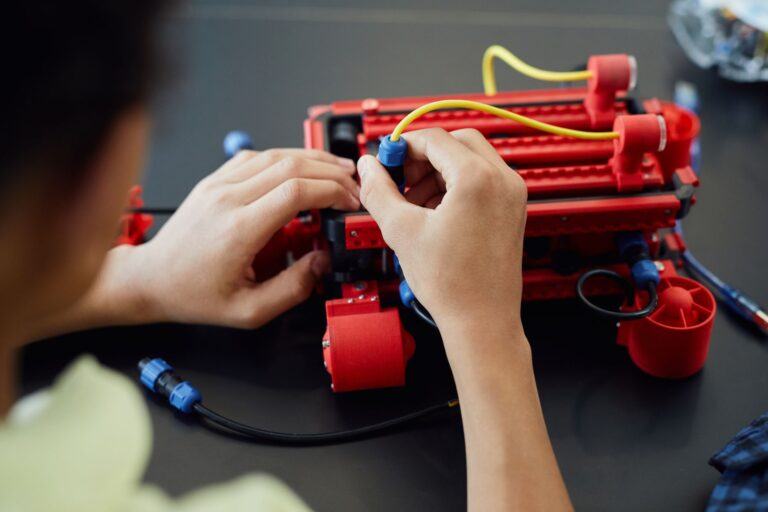
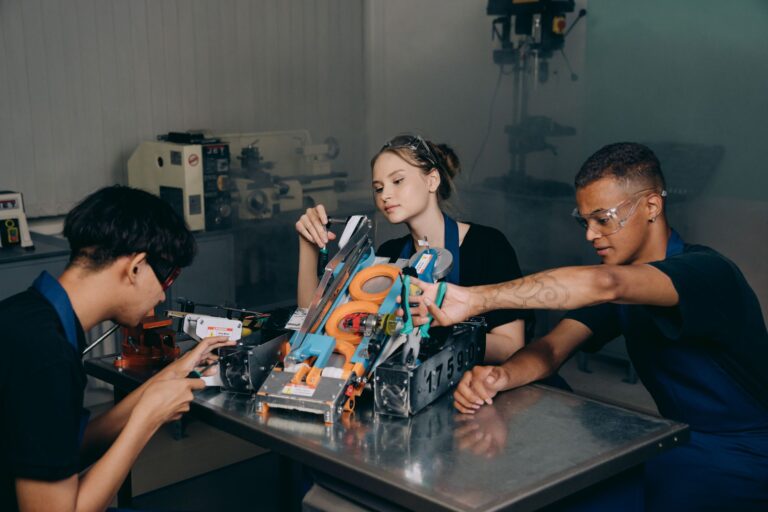
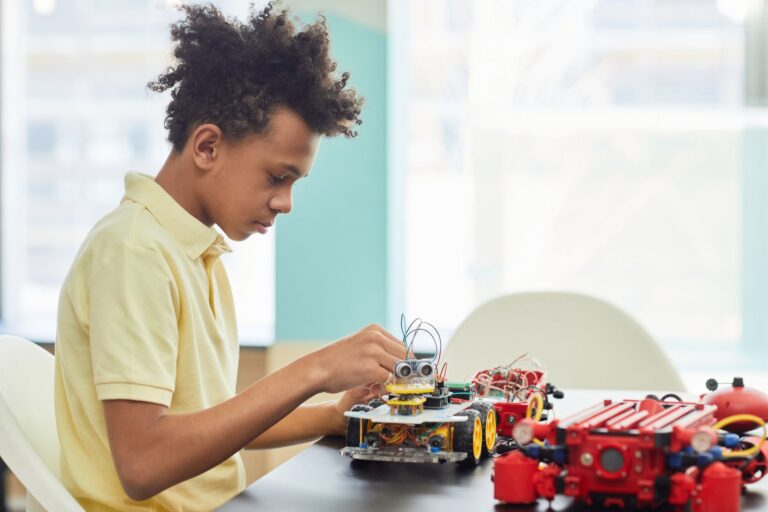
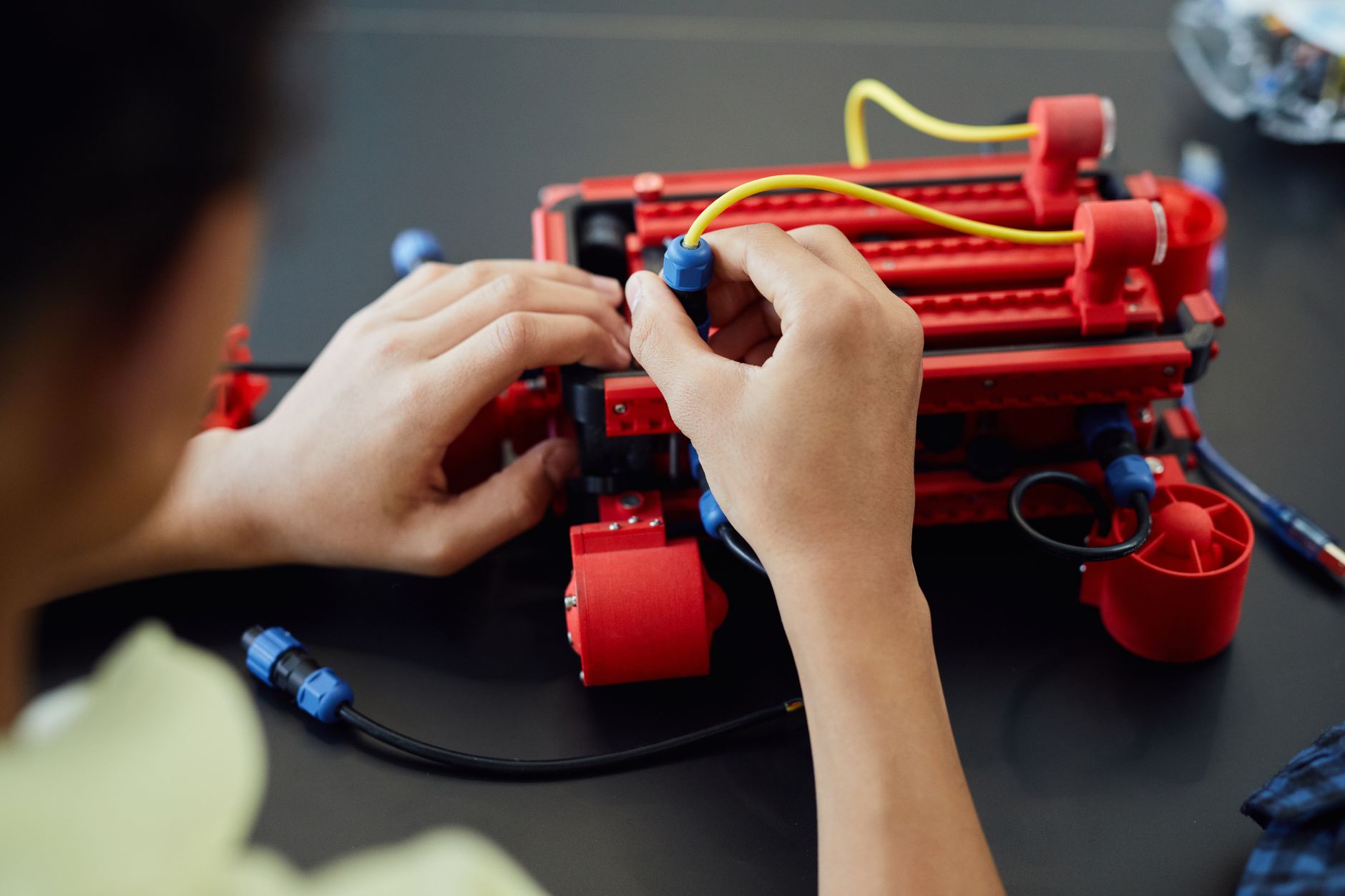
Education robotics combines physical construction, coding, and problem-solving around a challenge. Students may divide roles such as builder, programmer, tester, documenter, or presenter, then revise their work when the robot misses a task. That format makes robotics useful beyond a coding lesson.
A team can measure distances, diagnose a faulty sensor, explain a design choice, or manage a deadline. FIRST describes its programs as classroom and structured afterschool engineering activities built around collaboration, building, programming, and challenges for educators and organization leaders. A practical session has three parts: a brief concept lesson, protected team build time, and a short test-and-reflect cycle. Without that reflection, students can finish an activity without understanding why a design worked or failed.
Which program fits a student's age?
Match the program to the student's developmental stage, available time, and level of adult support. Younger learners benefit from shorter challenges and more guided building; older students can take on longer design cycles, competition preparation, and deeper programming.
FIRST offers a useful age-based comparison: FIRST LEGO League serves ages 5–16, with the range varying by region; FIRST Tech Challenge is for grades 7–12; and FIRST Robotics Competition is for grades 9–12 on its educator program page. A school does not have to start with a full competition season. A small pilot can use the same team routines: assign roles, set one challenge, schedule tests, and ask every student to explain one design decision.
Will robotics raise math achievement?
Robotics can support attendance, engagement, and applied learning, but a robot kit by itself is not a proven shortcut to higher math scores. The strongest reason to adopt it is as part of a coherent instructional experience. The U.S.
Department of Education's What Works Clearinghouse reviewed a Baltimore five-week VEX robotics summer program and found moderate evidence of improved attendance compared with business-as-usual. It found uncertain effects on mathematics achievement, based on one quasi-experimental study of 652 students in grades 5–7 in the March 2026 review. The Baltimore model paired daily math and science instruction with two hours of team robot design, programming, and operation. Teachers also completed a week of training before the program, which points to the real implementation requirement: connect robotics to teaching, rather than treating equipment as the intervention.
What should a school budget and plan for?
Start by identifying what the school already has: instructional time, a suitable room, staff who can supervise, storage, internet access, and a small group of students for a pilot. Then choose a format that fits those limits.
FIRST provides free curricula, camp guides, scope-and-sequence options, standards alignments, and certified professional development. Equipment, registration, and local staffing can still create costs, so a budget should separate one-time purchases from recurring program expenses. Use this pre-launch check:.
- Name the instructional goal and the students served.
- Reserve regular build and test time.
- Assign an adult responsible for setup, inventory, and supervision.
- Plan teacher training before students begin.
- Decide how teams will share limited equipment fairly.
How should schools handle privacy, safety, and adult roles?
Cloud-connected platforms can collect, use, or transmit student information. Before purchasing or renewing one, schools should review the vendor's terms and use the U.S. Department of Education's model procurement checklist for education-technology privacy review on Student Privacy. Hands-on work also needs explicit safety expectations.
FIRST's 2026 competition rules require safety glasses with side shields and closed-toed, closed-heeled shoes in pit and field areas, while making teams responsible for their own protective equipment in the 2026 competition manual. For U.S. and Canadian FIRST teams, coaches, mentors, event volunteers, and applicable team roles must meet expanded 2026–27 Youth Protection Clearance requirements. The clearance includes policy acknowledgment, training, screening, and applicable local or state requirements.