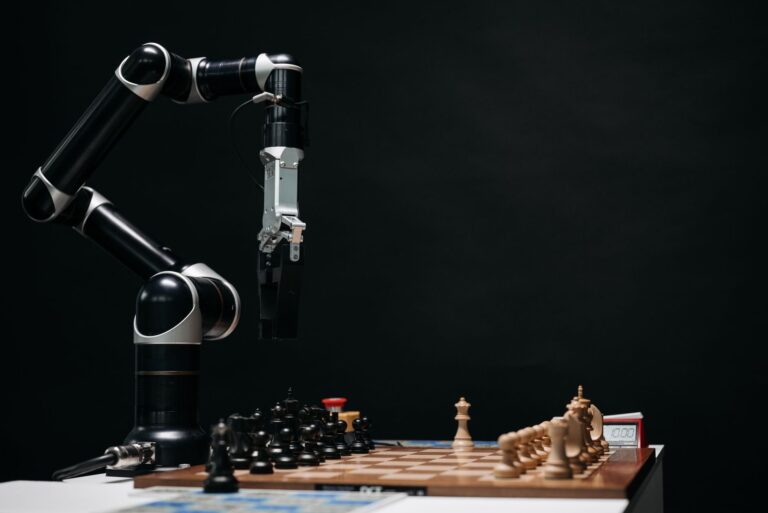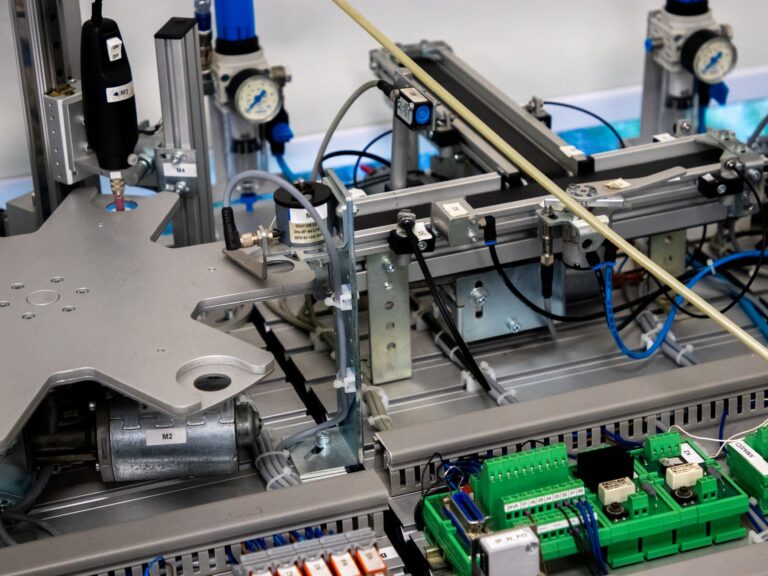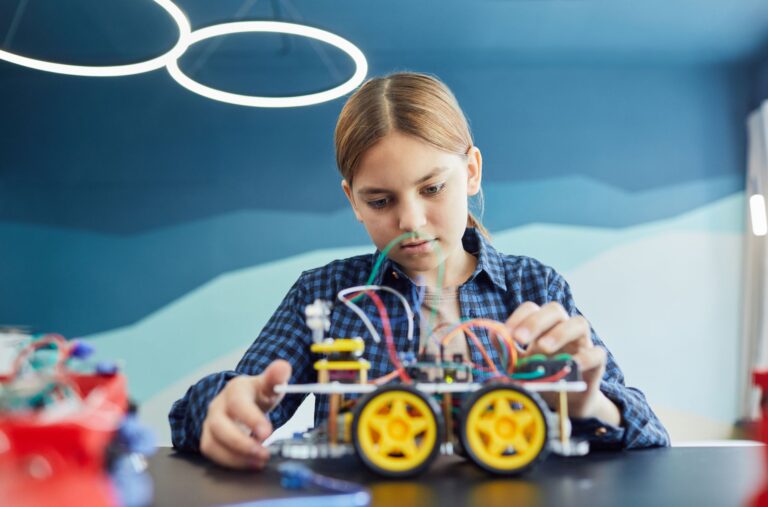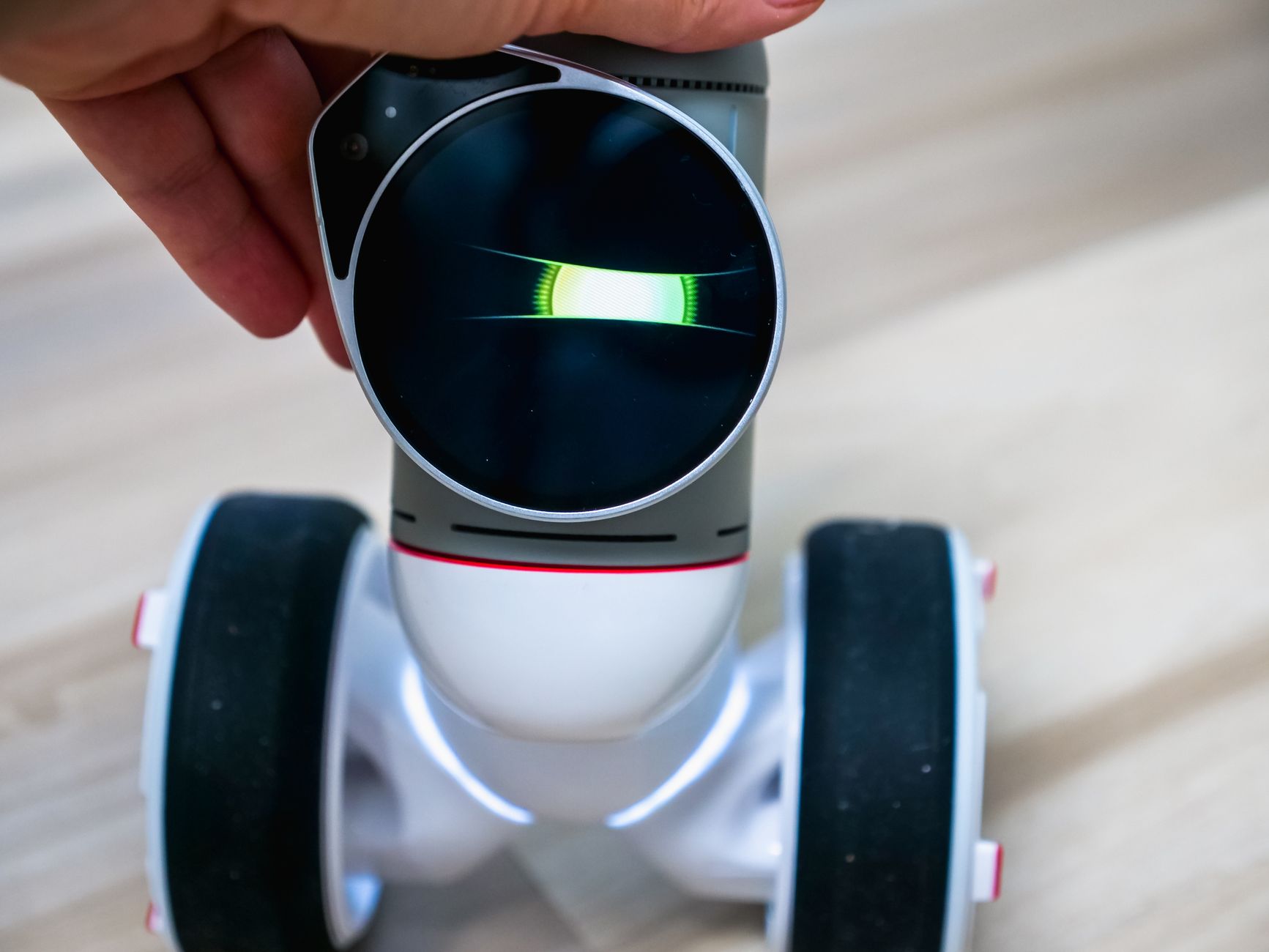

This 2026 guide explains what robot sensors can reliably detect, what safety rules now require, and how to judge a deployment. Sensors are cameras, lidars, radars and other inputs that collect signals, while perception is software that turns signals into detection, tracking and action.
Choices differ by task. A warehouse tote robot faces different risks than a street robotaxi. The questions below help match capability to safety evidence.
Table of Contents
- What can robot perception do now?
- Why does sensor choice affect reliability?
- What safety rules shape a 2026 deployment?
- What should you ask before you buy?
What can robot perception do now?
Modern perception fuses several sensing modes to detect objects, estimate motion and plan paths. Cameras read color and detail, lidar builds precise depth, radar holds up in rain and dust, and maps add road context.
IoT Tech News reports Waymo's sixth-generation Driver uses 13 cameras, four lidars and six radars with HD maps and simulation IoT Tech News report on 200 million driverless miles. The company links that suite to 200 million driverless miles showing camera-only sensing hits limits for Level 4 operation.
Why does sensor choice affect reliability?
Cameras are passive. They need outside light and clear air. Lidar and radar send their own signals and read returns, so they keep depth cues when light fails. That difference shows in poor light.
TechTimes describes a March 2026 federal engineering analysis that found Tesla's camera-only system failed to detect or warn appropriately under glare and airborne obscurants TechTimes account of the federal engineering analysis. The lesson is practical: ask for test data in darkness, glare, rain and dust, not only clear-day video. For indoor robots, the same rule holds. Reflective racks, low sun through dock doors and forklift dust can blind one sensor. Fusion gives the system a second way to confirm an obstacle before it moves.
What safety rules shape a 2026 deployment?
Collaborative cells now need fuller safety files. IDEC summarizes ISO 10218-1:2025 and -2:2025 as replacements for the 2011 edition, absorbing ISO/TS 15066 IDEC summary of the ISO 10218 revisions. Part 1 grew from 50 to 95 pages and Part 2 reaches 223 pages, with explicit functional-safety functions for the full application. Public-space robots face product testing.
UL Solutions announced on March 11 2026 its first UL 3300 certification for a public-facing robot, awarded to Simbe's Tally inventory robot and dock UL Solutions announcement on the first UL 3300 certification. Testing covered fire, shock and autonomous mobility in unpredictable human settings. Ask who owns the whole application, not just the arm or vehicle. The integrator should name speed limits, separation distances, stop functions and restart steps for your layout.
What should you ask before you buy?
Start with failure behavior and proof. Vendors often show best-case demos.
Your job is to pull the edge cases into view. Require a witnessed test in your light and dust conditions before signing.
- Where does perception fail, and what safe stop does the robot take next?
- What low-light, glare, dust and rain test data can you review?
- Which ISO functions and third-party tests cover this exact setup?
- Who maintains maps, software updates and incident logs?
You Might Also Like
- Tutorials and DIY Robotics 2026 Guide: capabilities, safety, and deployment; Key Facts and Questions to Ask
- Mining Robotics 2026 Guide: capabilities, safety, and deployment; Key Facts and Questions to Ask
- Food and Beverage Robotics 2026 Guide: capabilities, safety, and deployment; Key Facts and Questions to Ask