
LG Innotek is collaborating with NVIDIA to build sensing solutions for physical AI, software-driven systems that sense and act in the real world. The effort includes vision sensing for humanoid robots and robotic hands. LG announced the collaboration on Oct.
22, 2026 as a step toward leading the physical AI and robotics sensing market. At NVIDIA GTC Berlin on Oct. 20, the company showed its first results for the joint work.
Table of Contents
- What they showed first
- Why the direct sensor-to-GPU link matters
- What the humanoid vision work will add
- What robotics teams can do now
What they showed first
LG Innotek unveiled a 3-megapixel camera module and a Multi-modal Vision System. Both are designed to implement NVIDIA Holoscan Sensor Bridge, a link that moves sensor data straight to the graphics processor. According to LG in the Oct. 23 announcement, the goal is real-time sensor-to-GPU connectivity.
The Multi-modal Vision System combines camera, LiDAR and radar for integrated environmental perception. TheElec reports in its Oct. 22 report on the collaboration that the design merges LG Innotek optical and multisensor technology from mobile and autonomous driving with NVIDIA's platform. That mix gives developers one perception building block instead of separate sensor parts.
Why the direct sensor-to-GPU link matters
Holoscan Sensor Bridge is a hardware-accelerated Ethernet path that streams sensor data directly into GPU memory. NVIDIA lists about 10-microsecond sensor-to-GPU latency, up to 10 times lower than software-based Ethernet, in the Holoscan Sensor Bridge description. Lower transfer delay leaves more time for perception and control.
TheElec notes robot and autonomous-vehicle developers are the affected users. HSB sends sensor data directly to the AI computer without passing through the CPU. That direct path helps robots perceive surroundings and decide faster.
What the humanoid vision work will add
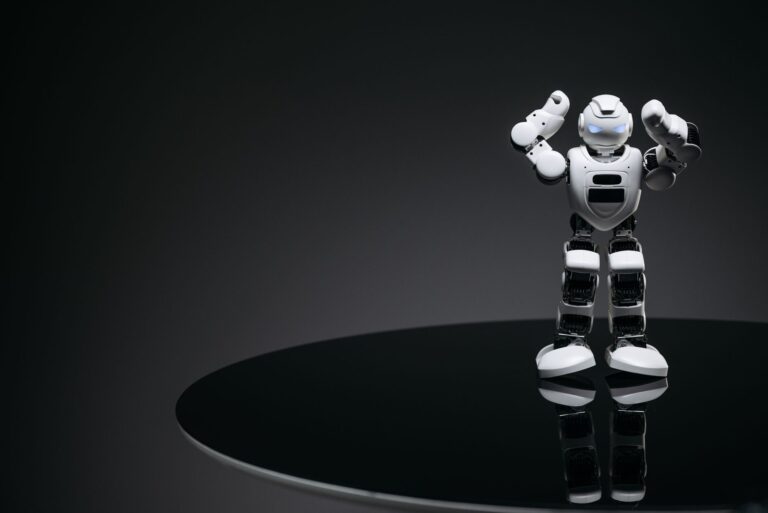
LG says the companies plan to expand the work into vision sensing for humanoid robots and robotic hands. The expansion also covers sensing compatible with NVIDIA's next-generation platforms. A robotic hand needs close-range shape cues, while a head-height camera needs wider scene awareness.
TheElec reports the companies plan to unveil those humanoid vision and hand solutions at CES and GTC in 2027. That schedule means the humanoid-specific products are roadmapped, not shipping now. Buyers should treat current modules as the test path and humanoid modules as the next step.
What robotics teams can do now
Teams building on NVIDIA platforms can prepare the sensing side before 2027. Useful early work stays close to what LG Innotek has shown.
LG frames the work as becoming a Total Physical AI Solution Provider. TheElec ties that push to LG Innotek's 2025 robotic vision-sensing collaboration with Boston Dynamics and sensing work since July 2026. Watch CES and GTC in 2027 for the humanoid unveiling.
- Route camera, LiDAR, and radar data toward direct GPU intake
- Measure end-to-end perception delay against the HSB latency target
- Keep hand-vision requirements separate from navigation vision until specs appear