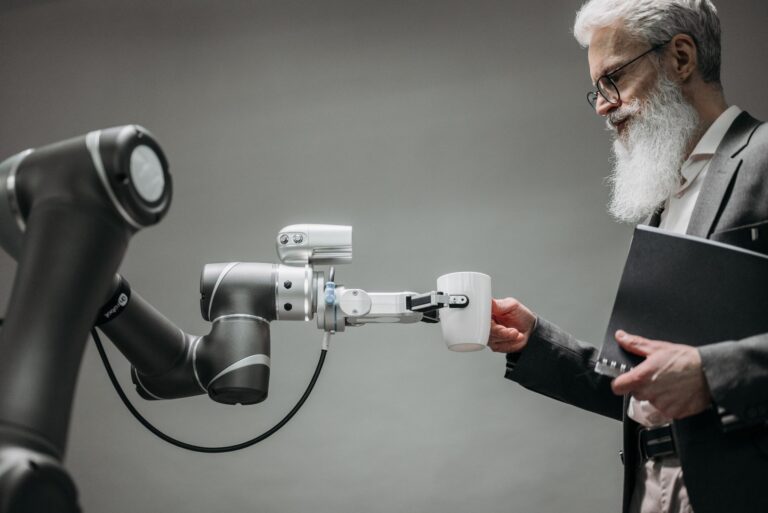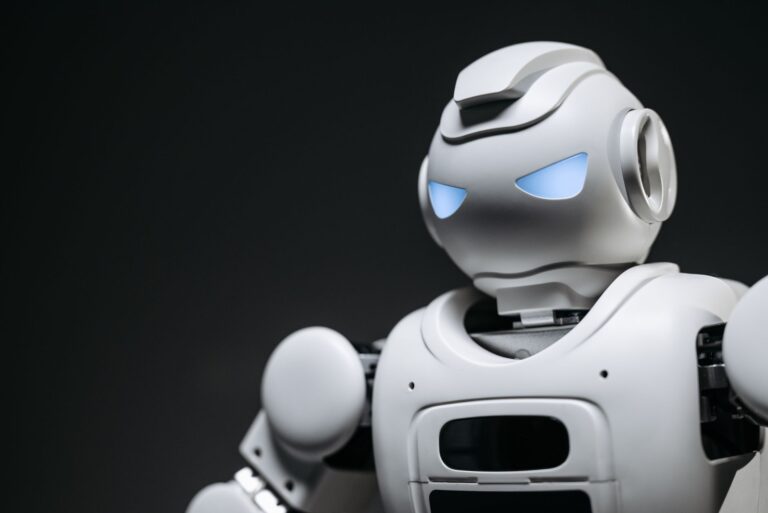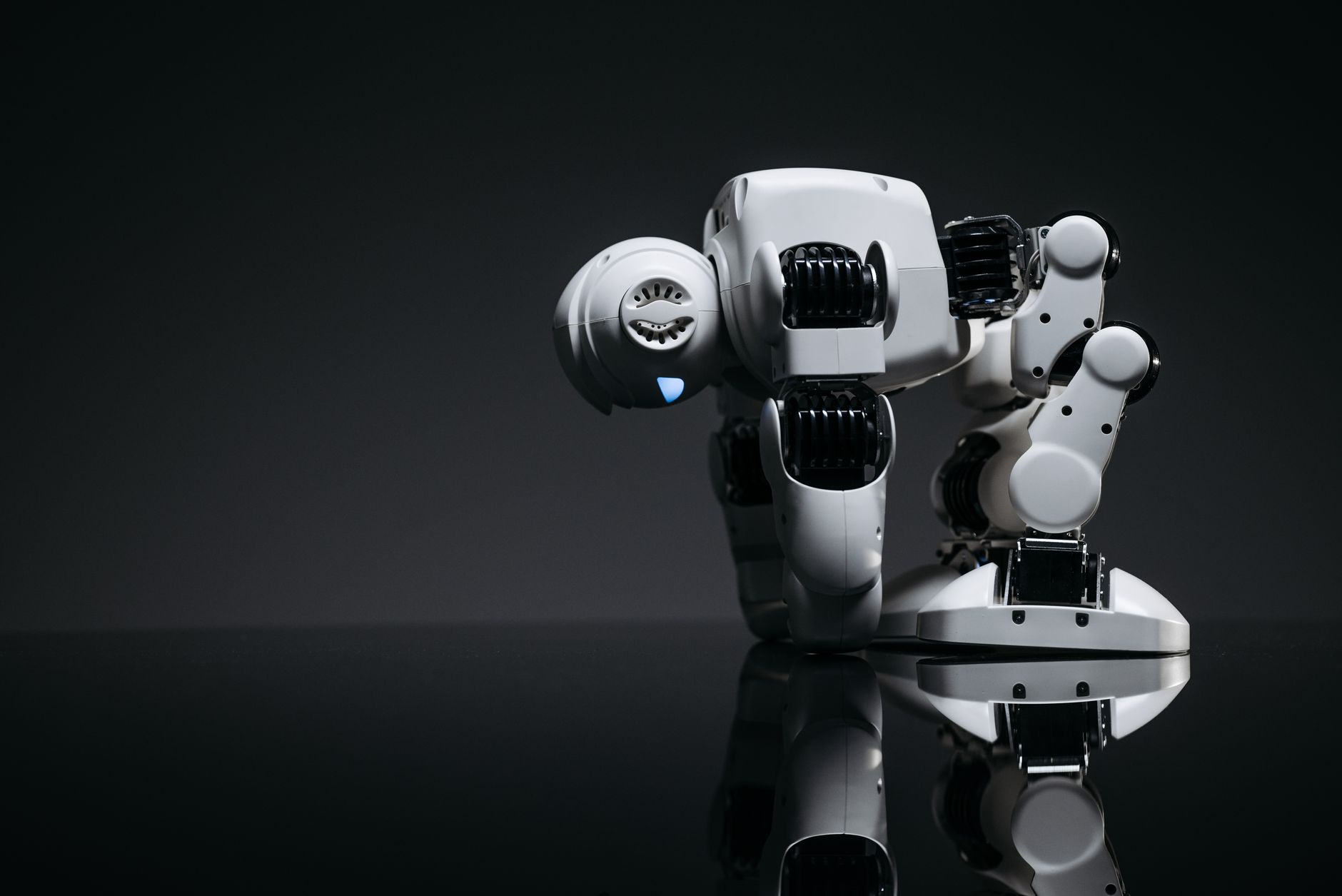

Natural language processing robotics means robots that turn ordinary speech or writing into physical actions. In 2026 the practical choice for buyers comes down to proven tasks in structured cells, current safety standards, and deployment checks for oversight and logging. Plant engineers, integrators, and operations managers can now scope projects around voice setup, kitting, and logistics sequencing. Safety and transparency duties set the boundary for what can move from pilot to production.
Table of Contents
- What can language-driven robots do now?
- How do robots handle vague instructions?
- Which safety rules decide if deployment is allowed?
- What governance and transparency work is required?
- What should buyers ask before signing?
What can language-driven robots do now?
FANUC America showed AI agents at IMTS 2026 that read handwritten instructions to identify, locate, and kit parts. According to the FANUC America press release, the same demos included systems for parts handling built around those language inputs FANUC's IMTS 2026 robotics and physical AI demos. The result is less teach-pendant work for defined picks and kits.
The same program introduced CRX Vibe Coding, which creates Python code and robot programs directly from natural-language voice commands. BMW Group separately ran Figure 02 at Spartanburg for about ten months in support of X3 production, then started Figure 03 in June 2026 on logistics sequencing. Both cases fit supervised material handling, not open-floor autonomy.
How do robots handle vague instructions?
Vague commands such as move that cup over there fail when a robot cannot tell which object or path matters. MIT News reports that CSAIL's Masked IRL pairs two language models to close that gap MIT's description of the mug-around-laptop task. One model expands the instruction by comparing demonstrations to optimal paths.
The second model masks details that do not affect the task outcome. In tests with real and simulated robots, the method moved objects like a mug around a laptop while ignoring clutter. For users, the lesson is to give a few demonstrations and keep key landmarks stable.
Which safety rules decide if deployment is allowed?
A robot arm labeled collaborative is not automatically safe to deploy beside people. IDEC's summary of ISO 10218:2025 explains that the standard now judges only full collaborative applications in a shared safeguarded space IDEC's summary of the ISO 10218 revisions. It also absorbed force and pressure limits from ISO/TS 15066.
The update adds explicit safety functions and cybersecurity planning for the cell. Buyers should therefore validate force limiting, guarding, stop functions, and access for each layout. A prior cell approval does not transfer to a new task or workstation.
What governance and transparency work is required?
NIST's voluntary AI Risk Management Framework 1.0 organizes trustworthy AI work into Govern, Map, Measure, and Manage. Its July 26, 2024 Generative AI Profile extends that approach to generative AI risks for developers and deployers, including robotics teams. Teams can map language failure modes, measure task success, and assign human oversight before scale-up.
Deployments that touch European users face a separate disclosure duty. TechTimes reports that the EU AI Act's Article 50 transparency duties became enforceable August 2, 2026 Technology Org's guide to what applies on August 2. Anyone serving the EU market must disclose AI interaction and mark AI-generated and deepfake content. Product teams should build disclosure, logging, and content marking into the workflow early.
What should buyers ask before signing?
Proven 2025-2026 factory results come from supervised, structured cells with defined tasks and integrator-controlled safeguards. That finding, discussed in a 2026 Frontiers in Robotics and AI analysis, means open-world autonomy remains out of scope for purchase orders.
Ask vendors to show validation data from a cell like yours. Require written answers, then test refused commands, noisy speech, and changed layouts during acceptance.
- How was force limiting validated for this load, speed, and contact point?
- Who supervises language commands, and how are corrections logged?
- What conformity assessment and post-market monitoring are included?
- What disclosures appear when workers or customers interact with the AI system?
You Might Also Like
- Sensors and Perception Robotics 2026 Guide: capabilities, safety, and deployment; Key Facts and Questions to Ask
- Mining Robotics 2026 Guide: capabilities, safety, and deployment; Key Facts and Questions to Ask
- Food and Beverage Robotics 2026 Guide: capabilities, safety, and deployment; Key Facts and Questions to Ask