
Employers want people who can keep robots running safely through busy winter operations. The most wanted robot skills are setup, monitoring, basic troubleshooting, and routine maintenance. Here, a robot skill means a practical ability a worker uses to deploy, supervise, or fix a robotic system. Employers value these abilities because they reduce downtime when schedules are tight and staff are stretched.
Table of Contents
- What do employers mean by robot skills?
- Which troubleshooting skills matter most?
- How does winter change robot work?
- What can you practice now to be ready?
What do employers mean by robot skills?
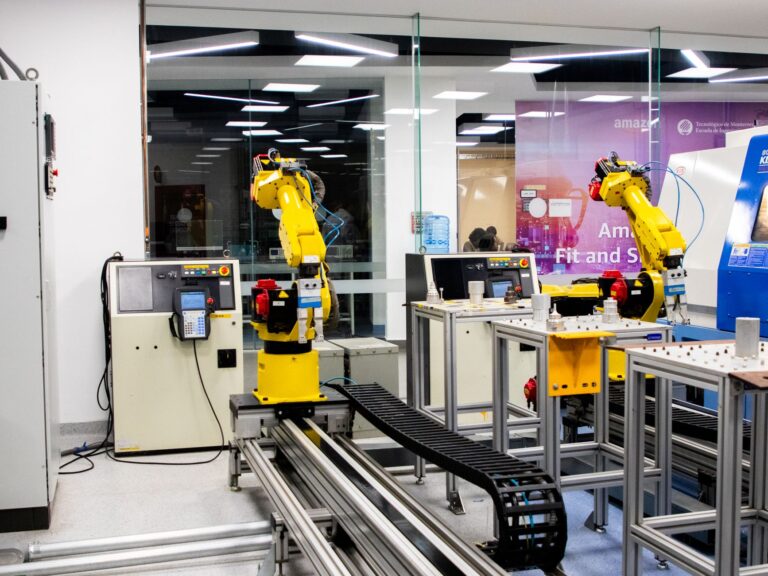
Employers usually mean worker skills for working with robots, not abilities built into the robot. They want technicians, operators, and integrators who can handle real machines on the floor. That work splits into three groups.
Installation and setup covers fixturing, calibration, and testing. Daily operation covers starting jobs, watching dashboards, and handling stops. Maintenance covers cleaning, inspection, lubrication, and swapping wear parts.
Which troubleshooting skills matter most?
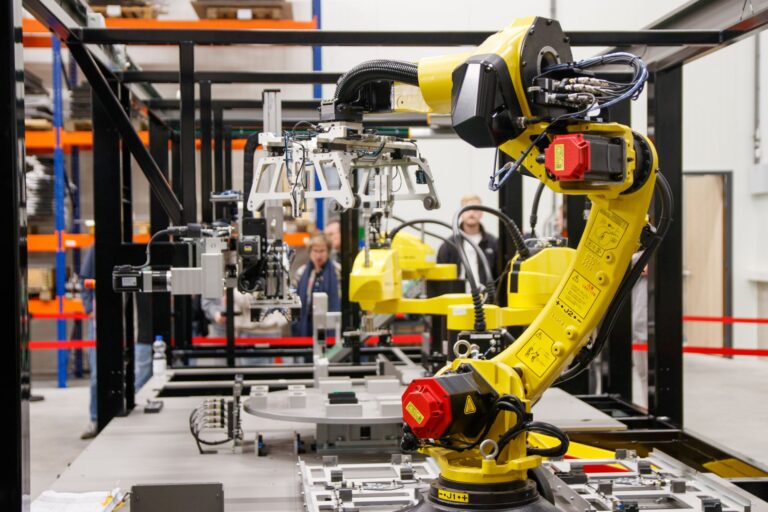
Fault recovery is the core winter skill. Employers want staff who can read an error, check sensors and cabling, clear a jam safely, and restart a cell without creating a second fault.
Useful habits include checking the simplest cause first. A blocked camera, dirty lidar lens, loose connector, low battery, or shifted pallet often explains a stop. Workers who follow lockout steps, document the fix, and report repeat faults save hours over a season.
- Follow the stop, identify, correct, test, and record sequence
- Check power, sensors, software state, and mechanical blockages in order
- Use manuals and built-in diagnostics before changing settings
How does winter change robot work?
Cold, moisture, and low light make small problems more likely. Batteries drain faster, cables stiffen, condensation forms on optics, and floor surfaces change traction for mobile robots.
Outdoor and doorway tasks need extra care. Workers should allow warm-up time, keep lenses and sensors clean and dry, secure cables against wind and carts, and adjust speed or routes for wet floors. Indoor sites also see more dust, packaging scrap, and layout changes during peak volume.
What can you practice now to be ready?
Focus on transferable tasks that apply across brands. Practice safe start-up and shutdown, tool changes, coordinate checks, backup and restore, and basic network checks.
Build proof with small, visible work. Maintain one cell, write a one-page recovery guide, log common stops, or complete vendor-neutral training on safety and electrical basics. Hiring teams notice candidates who show careful safety practice, clear notes, and steady recovery under pressure.