
Programming robotics in October 2026 means choosing a ROS 2 version, a language pair, and a safety basis before writing control code. This FAQ gives source-checked answers to those decisions for builders, students, and product teams. ROS 2, the open-source middleware that links sensors, motion control, and autonomy software, anchors most answers. The sections below explain which distribution to target, which languages to use, what new perception tools change, and which safety rules apply.
Table of Contents
- Which ROS 2 distribution should I target?
- Should I use Python, C++, or both?
- What does Isaac ROS 5.0 change for perception?
- Which safety standards affect my software choices?
- Where should a beginner start without wasting money?
Which ROS 2 distribution should I target?
Start new work on ROS 2 Jazzy Jalisco for stability. According to Open Robotics ROS 2 Documentation, Jazzy was released May 23, 2024 for Ubuntu 24.04 with support until May 2029, as listed in the ROS 2 releases overview. Lyrical Luth is the newer option for longer horizons. The same Open Robotics listing dates its release to May 22, 2026 with support to May 2031.
Choose Lyrical when you need support into the 2030s and can accept a newer ecosystem. Match Ubuntu and libraries to the distribution. Jazzy targets Ubuntu 24.04, and perception packages increasingly list Lyrical plus Ubuntu 24.04. Lock that combination in your build notes before adding drivers.
Should I use Python, C++, or both?
Use both, for different jobs. SecondTalent citing TIOBE for Sept. 2026 places Python at 17.76% and C++ at 8.67%, with Python used for prototyping and C++ for performance-critical control. Python fits behavior, testing, and model integration.
C++ fits motor control, real-time loops, and embedded code where timing matters. Many teams prototype a node in Python, then rewrite the hot path in C++. Learn enough of each to read the other. You will debug interfaces where a Python planner sends goals to a C++ controller. Shared message types make that handoff routine.
What does Isaac ROS 5.0 change for perception?
It adds ready-made GPU-accelerated perception packages and agent-assisted setup for ROS 2 Lyrical on Ubuntu 24.04. According to AIChatDaily, NVIDIA released Isaac ROS 5.0 on Sept. 22, 2026 at ROSCon Toronto as free open-source software, described in the Isaac ROS 5.0 release report. The practical effect is less custom CUDA plumbing.
The NVIDIA Developer Blog shows developers can accelerate an existing ROS 2 node with an agent workflow and CUDA backend with minimal code changes. Jetson AGX Thor is the named edge target for running perception and autonomy. Use it where camera, depth, or navigation load limits frame rate. It does not replace tuning exposure, calibration, and safety stops. Test accelerated nodes on recorded data, then on hardware at low speed.
Which safety standards affect my software choices?
Design to ISO 10218 third edition. According to Engineering.com, the early-2025 Parts 1 and 2 update clarifies functional safety to SIL-rated functions, folds in collaborative guidance, and adds end-effector and manual load rules. Treat collaborative speed, force, and separation settings as software requirements, not labels. Plan for the EU Machinery Regulation 2023/1230.
According to Robotics and Automation News, it applies from Jan. 20, 2027 and extends CE-marking duties to software-driven, autonomous and AI-enabled machinery, explained in the EU regulation analysis. That shift makes ISO 10218:2025 the expected conformity basis for Europe-bound systems. Log safety functions, version software, and keep risk assessments current. NIST test methods can support ANSI/A3 R15.06 and R15.08 evaluations, per the NIST program page, but lab benchmarks do not certify an unfenced humanoid system.
Where should a beginner start without wasting money?
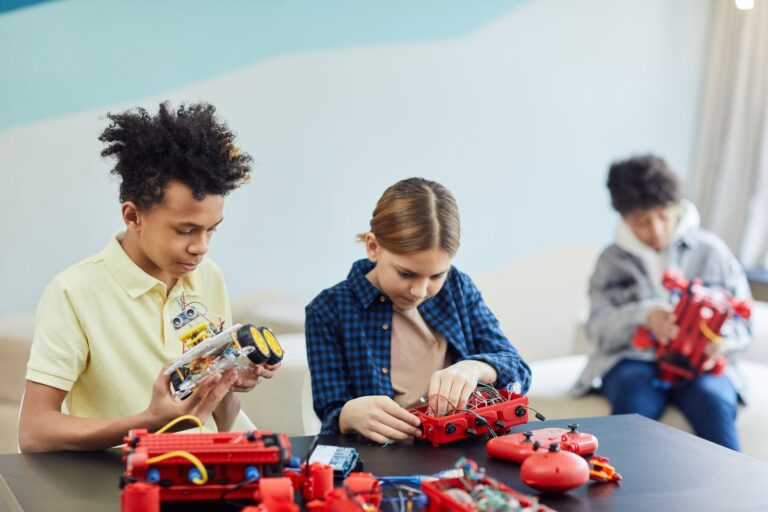
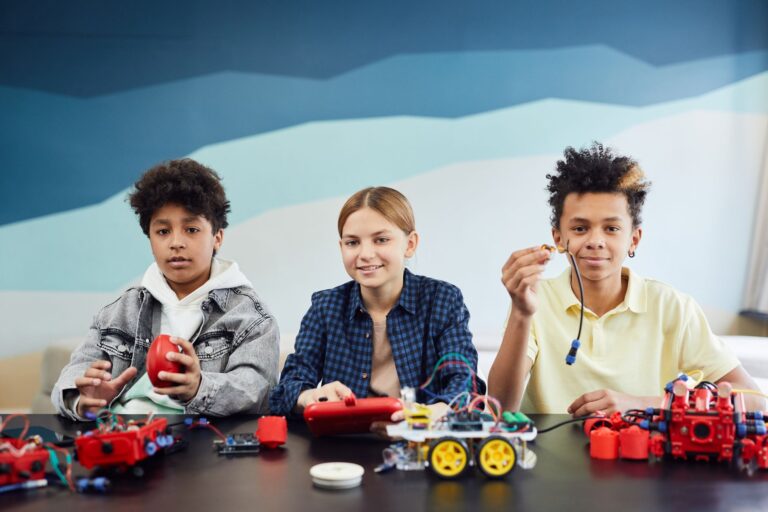
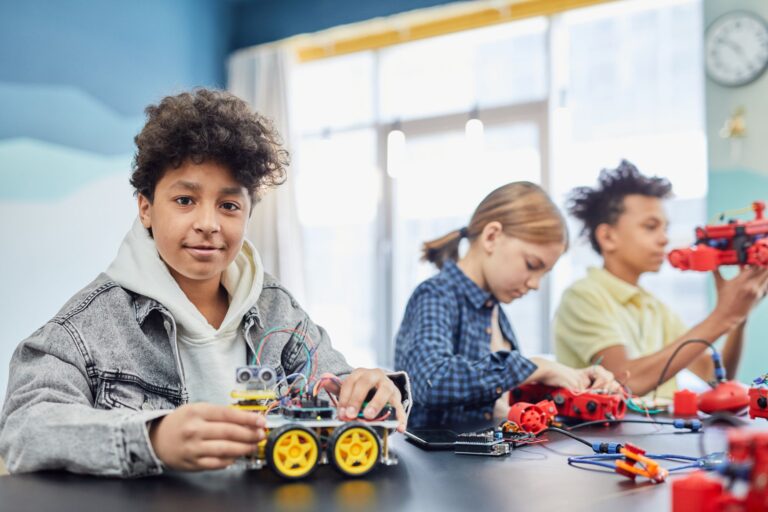
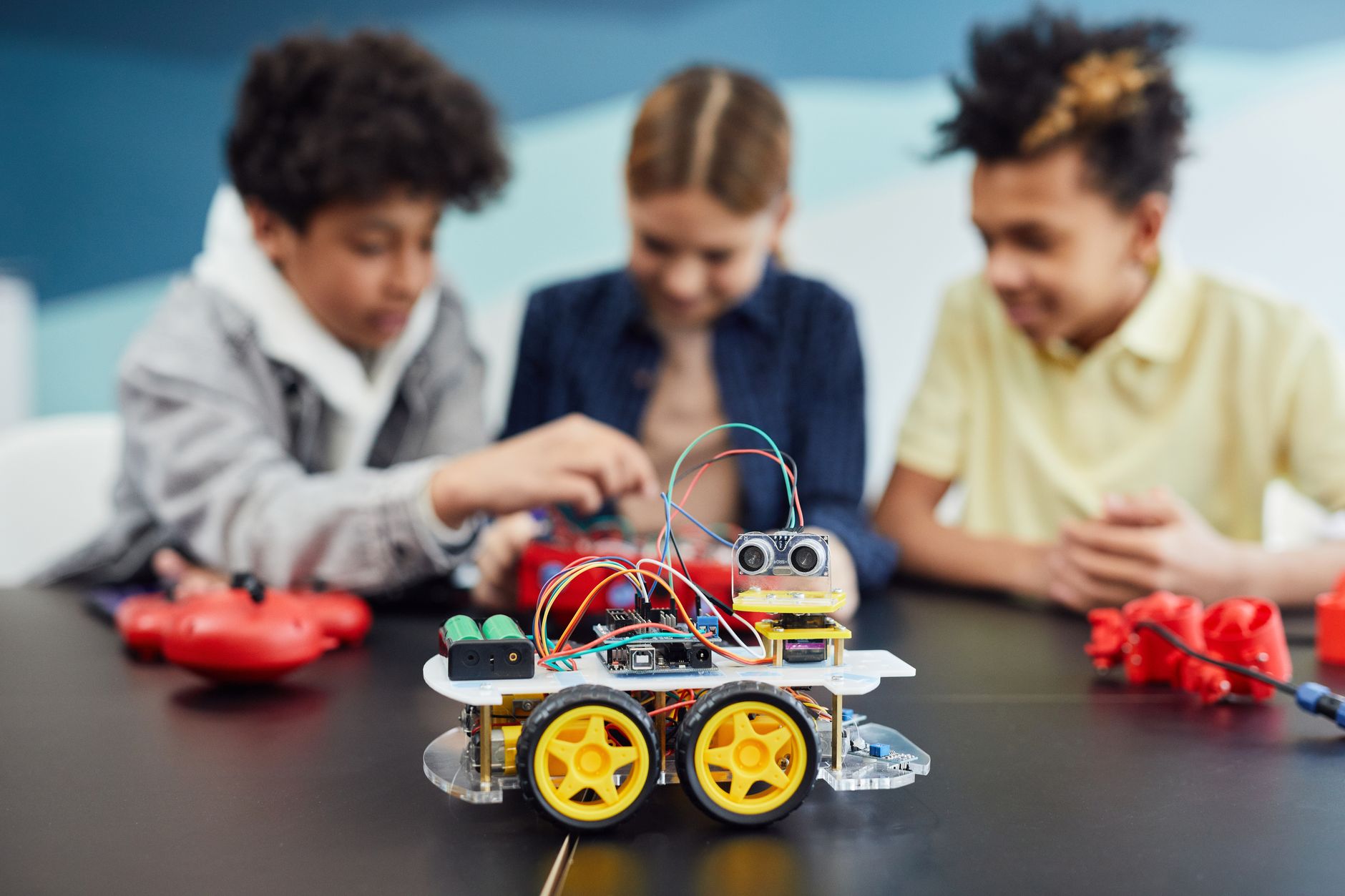
Start with Python plus ROS 2 on Gazebo simulation or an educational kit. According to the RobotShop Community 2026 guide, move to C++ later for embedded and real-time control. Simulation teaches topics, frames, and services before hardware risk.
Expect a gap between simulation and hardware. The same guide warns that simulation omits wheel slip, battery sag, and sensor noise. Validate on hardware in stages: Keep the first robot small, fenced, and slow. Buy spare wheels, a spare battery, and a kill switch before extra sensors.
- drive straight and turn on one floor surface
- add payload, then low light and clutter
- log battery voltage against speed and error rates