
A home-help robot needs a stable mobile base, room-mapping sensors, one or two arms with adaptable grippers, and safe onboard power and control. A home-help robot is a movable machine that navigates rooms and handles physical chores like picking up clutter, cleaning floors, and carrying light loads.
Needs change with the chore list and the layout of the home. A floor-cleaning machine can work with a low body and simple tools. A machine that tidies shelves needs reach, grasping, and better perception.
Table of Contents
- How does it move around a house?
- What does it use to see and feel its way?
- What arms and hands handle chores?
- What power, computing, and safety hardware are needed?
How does it move around a house?
Most home designs favor wheels on a low, stable base. Wheels handle flat floors, rugs, and small thresholds with simple steering and low noise. Legged designs climb stairs but need more balance control and joint protection. Width, height, and turning radius decide where the robot can go.
A narrow body fits through doorways and between chairs. A low profile reaches under beds and sofas, while soft bumpers protect walls and furniture. Cliff sensors, wheel slip detection, and suspension help on mixed surfaces. Rugs, cords, pet toys, and wet floors can trap or tip a weak base. Good ground clearance and sealed wheels make daily travel more reliable.
What does it use to see and feel its way?
A chore robot maps rooms with depth cameras, laser ranging, or a mix of both. Depth data builds a floor plan and locates obstacles such as shoes, legs, and open doors. A front bumper and close-range sensors catch what cameras miss in poor light. Touch and force sensing matter once contact starts.
Sensors in the wrist or gripper detect weight, slip, and resistance. That feedback helps the robot lift a cup without crushing it or dragging a full laundry bag. Sound, temperature, and dirt detection support specific chores. A floor unit can find dirty zones and avoid wet spills. A carrying unit can listen for voice cues and stop when it feels an unexpected push.
What arms and hands handle chores?
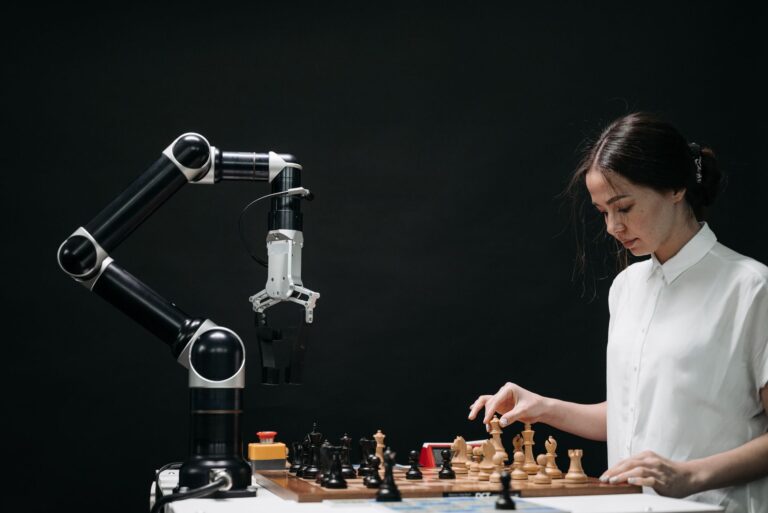
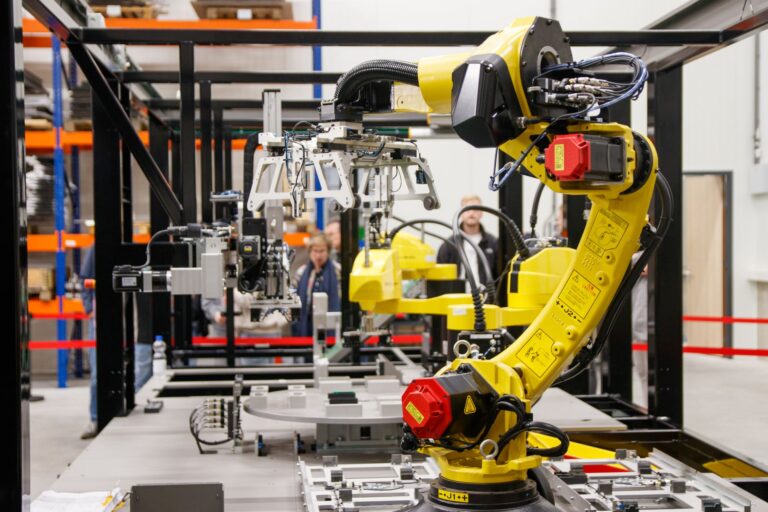
Many chores need one arm with shoulder, elbow, and wrist motion. Two arms help carry baskets, fold cloth, or hold one item while placing another. Reach should cover floor level to countertop height in a normal kitchen.
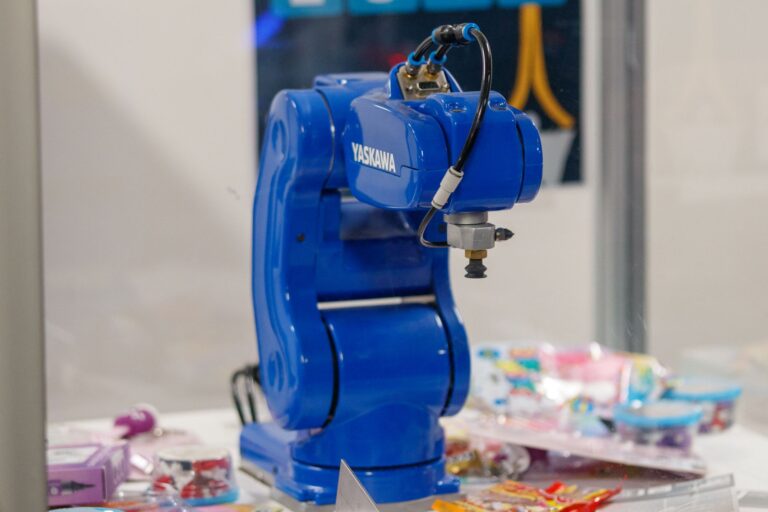
The end tool matters more than finger count. A soft two-finger gripper picks up bottles, toys, and folded clothes. Suction cups lift smooth boxes and plates, while simple hooks, mops, brushes, and dusters suit pushing, wiping, and sweeping. Useful handling depends on gentle control rather than brute strength: A stiff, sharp, or oversized hand drops items and marks surfaces.
- padded, washable grip surfaces for dishes and food containers
- compliant joints that give way on contact with people or pets
- quick-change mounts for mops, brushes, and carrying trays
What power, computing, and safety hardware are needed?
A rechargeable battery pack must support travel, sensing, arm motion, and return to the charger. Docking contacts or a plug-in station keep charging simple and safe. Batteries belong in a protected, ventilated compartment away from water and cleaning fluid. Onboard processing runs mapping, motion planning, and grasp control without delay.
Cameras, microphones, and motor controllers connect through secured internal wiring. A clear manual stop button lets any household member halt motion at once. Choose enclosed joints, rounded covers, and slow speeds near people. Locked panels keep fingers away from pinch points and hot parts. A robot that stays stable, stops quickly, and signals before it moves fits home life best.