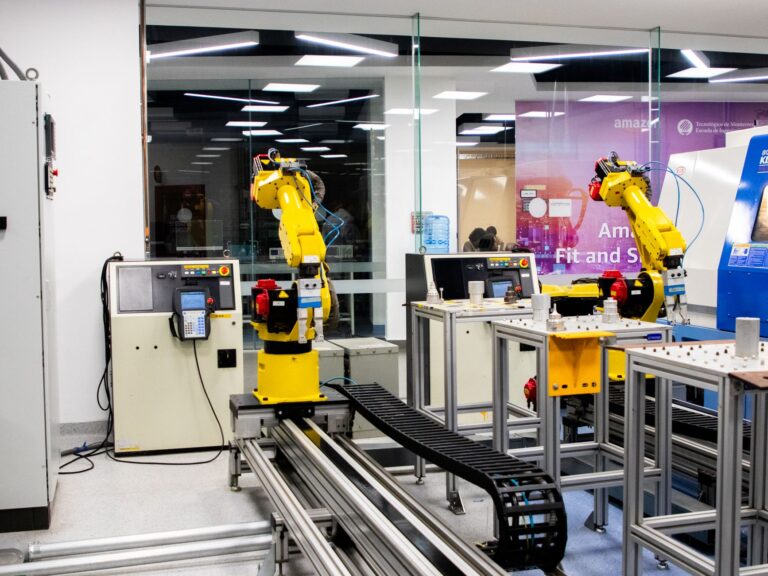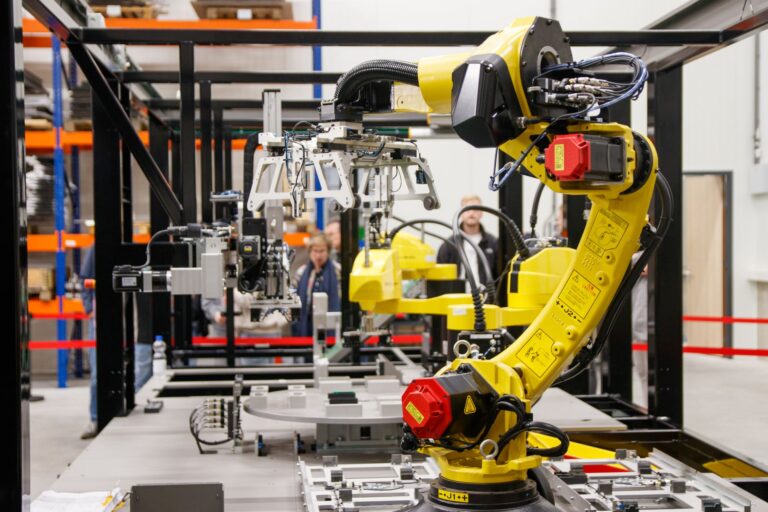

A complete installed industrial robot cell in 2026 typically costs $80,000–$400,000. MillBrief Editorial reports that range covers tooling, safety and integration, because the arm alone is only about 30–40% of total cell cost MillBrief cost analysis.
An installation means a working cell, not just a robot arm. A six-axis arm bends and rotates on six joints for handling, welding and machine tending. Installation adds the gripper, fencing, controls, programming and startup testing that let it run safely.
Table of Contents
- What does the arm alone cost?
- Why does installation cost more than the arm?
- How much does a cobot system cost?
- What will you pay after startup?
What does the arm alone cost?
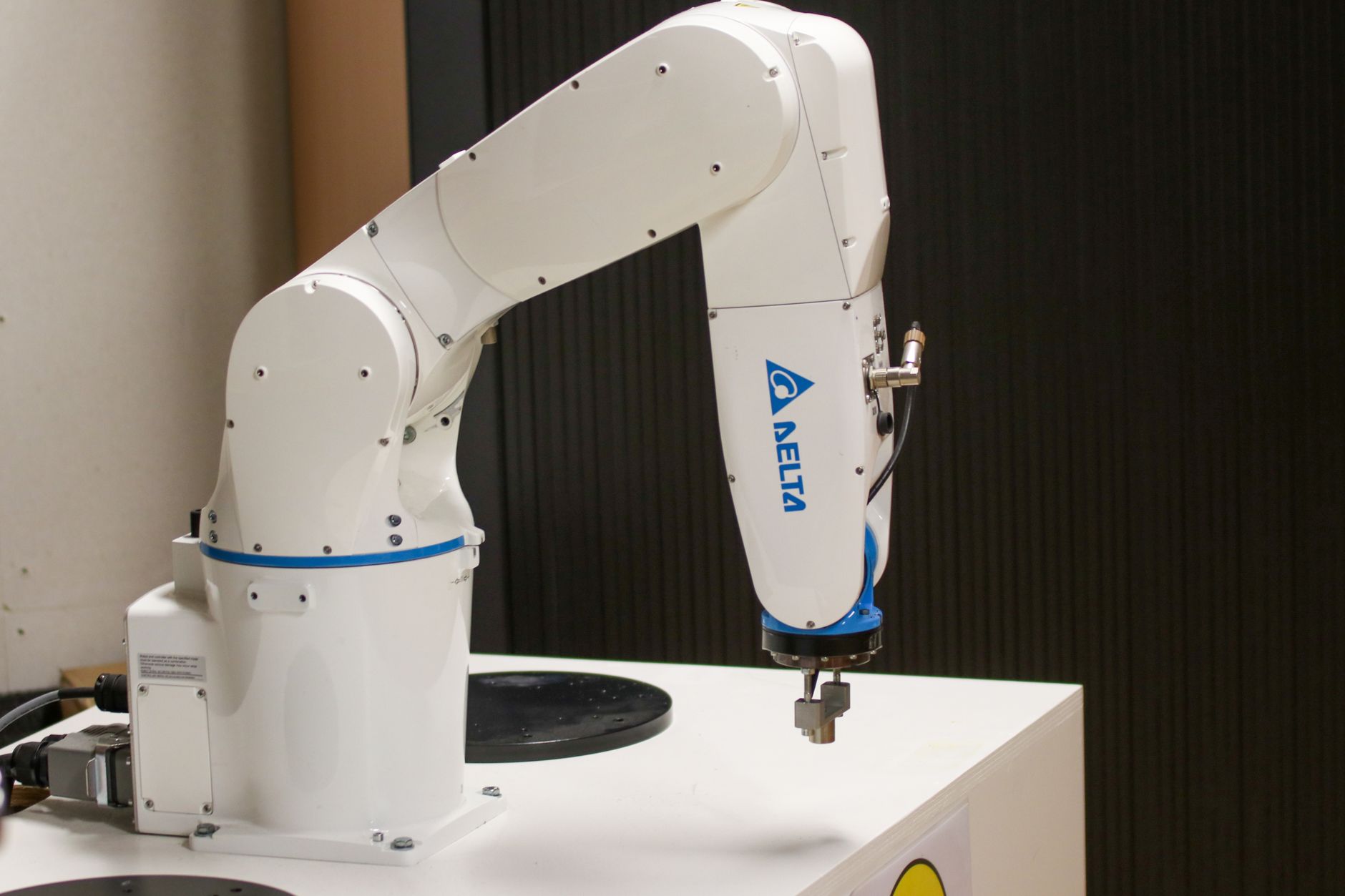
MillBrief Editorial puts a new six-axis arm at about $25,000–$180,000 in 2026. SCARA arms run $7,500–$60,000 or more, while simple Cartesian units run $5,000–$15,000. Payload, speed and brand origin move the price within each range.
SpecForge Editorial Team breaks Tier-1 six-axis arms into payload tiers. Arms for 7–12 kg list roughly $25,000–$80,000, arms for 20–50 kg list $50,000–$150,000, and heavy models over 100 kg list $80,000–$250,000 or more. Buy the smallest payload and reach that still handles the part plus the gripper.
Why does installation cost more than the arm?
Cell engineering often dominates the budget. SpecForge Editorial Team reports engineering, fixturing, safety fencing and PLC and conveyor tie-in typically adds 40–80% on top of robot list price, plus 8–15% for installation and commissioning SpecForge installation breakdown.
Those extras turn an arm into a production cell. Programming, guarding, electrical work and testing take labor. Changes to conveyors, feeders and inspection add hardware and time.
- Gripper and tooling matched to the part
- Fencing, sensors and controls for safe operation
- Fixtures, feeders and line connections for steady flow
How much does a cobot system cost?
EVS International puts a collaborative robot arm alone at $25,000–$60,000. The same source puts a deployed cobot system with tooling, vision, integration and training at $40,000–$150,000, and over $200,000 for welding and painting EVS 2026 cobot pricing guide.
Universal Robots reports startup Voodoo Manufacturing found its cobots about five times less expensive to implement than a traditional industrial robot. Quick setup avoided safety cages, light curtains and other guarding. Savings depend on risk assessment, speed and tooling, so fenceless operation does not fit every job.
What will you pay after startup?
Annual service, spares and re-teaching average 5–10% of installed cost per year. The Bot Scout reports that ongoing operating cost, so buyers must budget beyond installation day The Bot Scout cost review.
EVS International puts cobot maintenance alone at $2,000–$8,000 yearly. The International Federation of Robotics reports factories installed 542,000 industrial robots in 2024, with installation value reaching a record $16.5 billion. Ask vendors for spare prices, response time and re-teaching fees before signing.