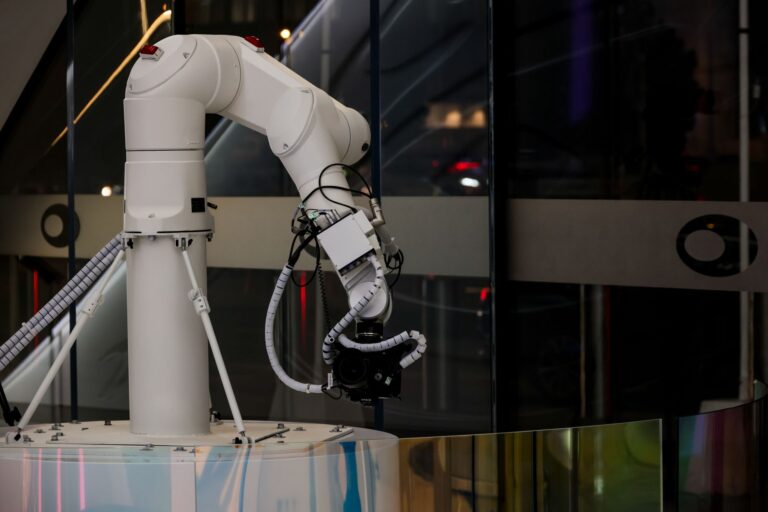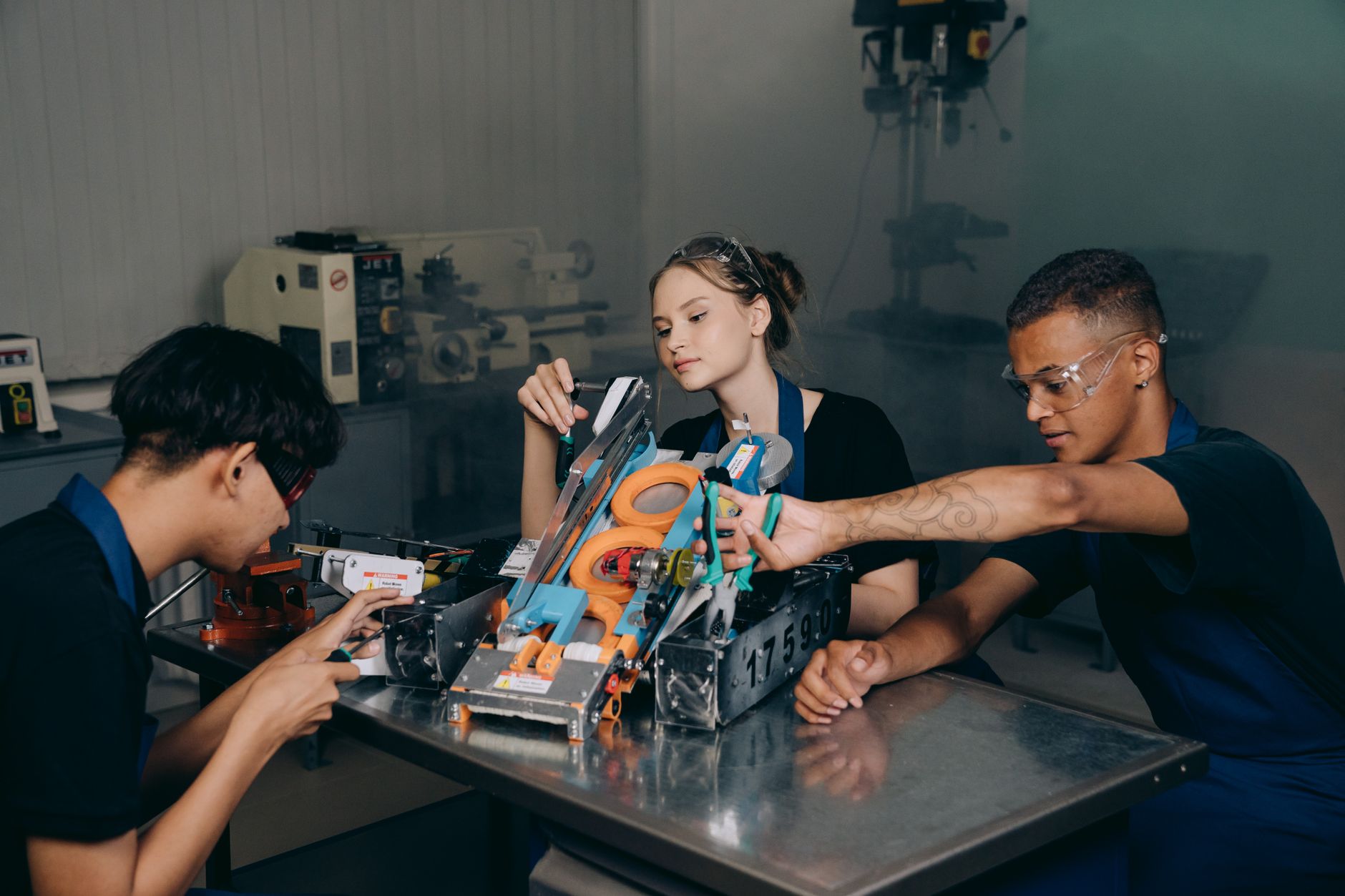

Yes, some construction robots can work through winter shutdowns, but most sites still pause them. A winter shutdown is a planned pause in building work during cold months, often because ground, materials, and labor are limited. A construction robot is a machine that does a site task with limited human control, such as hauling, grading, surveying, or inspection. Whether it can continue depends on shelter, ground conditions, power, and what job it does.
Table of Contents
- What a shutdown really stops
- Which robots can stay useful?
- What does cold do to the machine?
- How do crews keep robots ready?
- When should you park the robot?
What a shutdown really stops
A shutdown rarely means every machine leaves the site. It usually means heavy outdoor work stops while planning, maintenance, and indoor work continue. Concrete, earthwork, roofing, and painting are sensitive to frost, snow, and short daylight.
That distinction matters for robots. A machine tied to frozen ground or wet materials must wait. A machine that surveys, scans, guards, or works indoors may keep a useful role.
Which robots can stay useful?
Enclosed or indoor machines have the clearest path. Robotic total stations, layout robots, warehouse-style carriers, and inspection crawlers can work inside finished shells or temporary enclosures. Drones and quadrupeds can patrol, map snow load, check fences, and document progress.
Outdoor work machines face harder limits. Autonomous haulers, dozers, excavators, and bricklaying rigs need traction, visibility, and workable material. They can move snow, carry supplies, or grade thawed ground, but frozen digging and exposed masonry often stop.
What does cold do to the machine?
Cold affects energy, fluids, grip, and sensing. Batteries deliver less run time and charge more slowly. Hydraulic oil, grease, and diesel thicken, so joints move stiffly and starts become harder.
Sensors and movement suffer next. Ice can coat cameras, lidar, and exposed joints. Wheels and tracks slip on packed snow, and wind can push light drones off path. Seals, hoses, cables, and plastic parts also become more brittle.
How do crews keep robots ready?
Crews that succeed treat winter as storage plus light duty, not normal production. Practical steps help: Regular short runs matter. They reveal dead batteries, stuck joints, stale software, and pest or moisture damage before spring work returns.
- Park machines on dry mats, charge batteries indoors, and run short exercise cycles
- Fit winter fluids, rated tires or tracks, sensor covers, and blade or blower attachments
- Give the robot a clear, marked path with charged beacons or reflectors
- Assign one person to clear ice, check charge, and log faults
When should you park the robot?
Park the robot when the task needs bare ground, wet mortar, fresh concrete, or stable slopes. Deep snow, ice sheets, whiteout, and repeated freeze-thaw make navigation and material handling unsafe.
Parking is also a choice about cost and risk. Leaving a costly machine idle outdoors can wear it faster than careful storage. A heated container, dry warehouse bay, or dealer storage often preserves more value than occasional winter hours.