
Amazon is positioning itself for the next decade of growth by vertically integrating three complementary technologies: cloud computing infrastructure through AWS, proprietary chip design and manufacturing, and warehouse robotics automation. Rather than relying solely on AWS’s software services, the company is building the complete stack—from the silicon that powers data centers to the robots that move goods through fulfillment networks. This strategy transforms Amazon from a cloud software provider into a hardware manufacturer, creating competitive advantages that are difficult for rivals to replicate.
The integration of these three pillars represents a fundamental shift in how Amazon builds competitive moats. AWS serves as both a revenue generator and a testing ground for new hardware capabilities; custom chips designed by Amazon optimize costs and performance for workloads that would be uneconomical to run on third-party processors; and warehouse robotics reduce labor costs while increasing throughput. When combined, these capabilities allow Amazon to operate warehouses more efficiently than competitors while simultaneously offering cloud services that benefit from the same innovations tested internally.
Table of Contents
- Why Is Amazon Pursuing Vertical Integration Across Cloud, Silicon, and Robotics?
- Cloud Computing as the Anchor—And Its Limitations
- Chip Manufacturing—Building Proprietary Silicon
- Warehouse Robotics as Operational Advantage
- Integration Challenges and Competitive Pressure
- Market Positioning and Customer Adoption
- Execution and Long-Term Viability
- Frequently Asked Questions
Why Is Amazon Pursuing Vertical Integration Across Cloud, Silicon, and Robotics?
The consolidation reflects a survival strategy in increasingly competitive markets. AWS faces pressure from Microsoft Azure and Google Cloud, making differentiation through proprietary infrastructure essential. By designing its own chips rather than purchasing processors from Intel, AMD, or Nvidia, Amazon reduces dependency on external suppliers while improving margins on cloud services. Chips designed specifically for machine learning inference or database operations can deliver better performance-per-dollar than general-purpose processors.
robotics represents the third component of this integration because the economics of warehouse automation have reached a tipping point. Labor shortages and wage inflation in logistics make automation financially viable at scale, and Amazon’s fulfillment centers generate the volume necessary to justify massive robotics investments. The company can test new robotic systems in its own warehouses before selling them as products or services, much like AWS does with infrastructure innovations. This closed-loop feedback creates institutional knowledge that external competitors cannot easily acquire.
Cloud Computing as the Anchor—And Its Limitations
AWS remains amazon‘s most profitable division, generating the majority of the company’s operating income despite representing a smaller fraction of revenue than retail. The cloud segment benefits from first-mover advantages and established customer relationships, but this dominance is not permanent. Competition has eroded pricing power, and customers increasingly demand cost optimization and specialized hardware configurations. Amazon’s response is to offer cheaper alternatives to standard cloud instances by building chips optimized for specific workloads.
However, custom silicon carries significant risks. Designing and manufacturing chips requires expertise acquired over years, capital investment that takes time to recoup, and willingness to absorb failures. If a custom chip underperforms or becomes obsolete, Amazon has wasted resources that could have funded other initiatives. Additionally, cloud customers accustomed to flexibility may resist lock-in to Amazon’s proprietary hardware, preferring portability across cloud providers. AWS must balance the cost benefits of custom silicon with customer concerns about vendor dependency.
Chip Manufacturing—Building Proprietary Silicon
Amazon has publicly discussed custom chips including Trainium processors for training machine learning models and Inferentia chips for inference workloads, alongside Graviton processors for general computing tasks. These chips are not sold separately; they power AWS infrastructure, reducing Amazon’s costs for customers who use these services. The strategy mirrors Apple’s vertical integration in consumer electronics—designing processors that differentiate the platform.
Manufacturing these chips involves partnerships with foundries like TSMC rather than internal fabrication plants, which limits Amazon’s direct control over production capacity and timelines. Chip design cycles span years, meaning Amazon must accurately predict future workload patterns before committing resources. A chip designed for 2026 market conditions may be obsolete by the time it ships in volume. The competitive risk is significant because Nvidia dominates AI accelerators and has strong relationships with cloud providers, making it difficult for Amazon to capture meaningful market share in cutting-edge accelerators despite inferior performance-per-dollar claims.
Warehouse Robotics as Operational Advantage
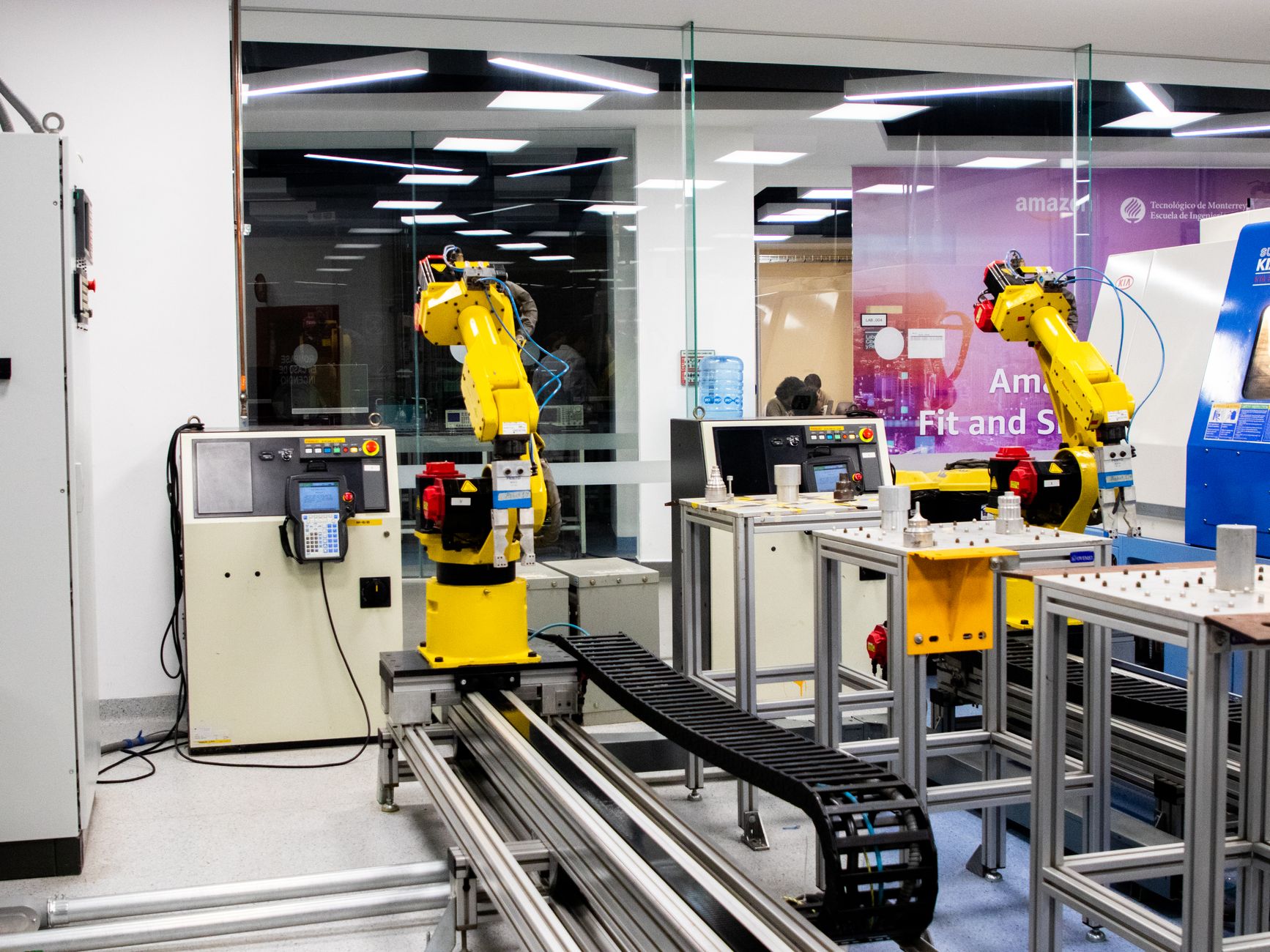
Amazon’s acquisition of Kiva Systems in 2012 established the company as a serious robotics operator, with thousands of mobile drive units now operating in fulfillment centers. These robots move shelving units to humans rather than requiring humans to walk through warehouses, reducing fatigue and increasing picking speed. The operational benefit is measurable: centers using robotics can process orders faster with fewer labor hours, directly improving profitability. Yet robotics adoption comes with tradeoffs that often go unexamined.
Initial deployment requires significant capital expenditure and retrofitting of existing facilities, which is expensive and disruptive. Worker displacement creates labor relations challenges and regulatory scrutiny—state legislatures have begun investigating warehouse automation’s impact on working conditions. Robots require maintenance, spare parts, and software updates, creating ongoing operational complexity. Additionally, robots excel at repetitive tasks in controlled environments but struggle with variability; when product assortments change or facilities need reconfiguration, robots may require reprogramming or replacement, offsetting efficiency gains.
Integration Challenges and Competitive Pressure
The three pillars create synergies but also organizational complexity. Chip design teams must collaborate with cloud infrastructure teams, who must coordinate with robotics engineers. Cross-functional dependencies increase the risk of coordination failures and cost overruns. Additionally, Amazon faces competition not from monolithic rivals but from specialized players: Nvidia dominates AI chips, Microsoft and Google compete aggressively in cloud services, and emerging robotics companies are building specialized systems for logistics.
A critical limitation is that other large technology companies are pursuing similar strategies independently. Microsoft is working with chip partners to develop custom accelerators for Azure, and Google manufactures TPUs for its cloud infrastructure. Tesla is developing sophisticated robotics for manufacturing and logistics. Amazon’s advantages are scale and vertical integration, but these are slowly being adopted across the industry as competing companies recognize the benefits of proprietary hardware.
Market Positioning and Customer Adoption
AWS customers can now request instances powered by Graviton processors, receiving lower prices in exchange for potential compatibility issues and reduced portability. This offering works for customers with standardized workloads but creates friction for those running diverse applications requiring regular migration between cloud providers.
Adoption has been steady but not transformative, suggesting that while customers appreciate cost savings, vendor lock-in remains a genuine concern that limits uptake. Amazon has also begun offering robotics-as-a-service to warehouse operators outside the company, monetizing robotic systems developed for internal use. This expands revenue potential and allows Amazon to recover capital investments in robotics faster, but it also means competitors can access similar technologies by licensing rather than building internally.
Execution and Long-Term Viability
The success of Amazon’s vertical integration strategy depends on flawless execution across three distinct technical domains. Cloud infrastructure requires continuous innovation to remain competitive with Azure and Google Cloud. Chip design demands sustained investment and talent recruitment from a limited pool of experienced semiconductor engineers. Warehouse robotics requires ongoing refinement to adapt to changing customer needs and competitive threats.
Failures in any domain cascade through the others, creating systemic risk that is difficult to mitigate. Historical precedent suggests that companies excelling in one domain rarely achieve simultaneous excellence in adjacent domains. Vertical integration creates efficiency but also organizational rigidity, making it harder to pivot when market conditions change. Amazon’s execution across three hardware-intensive domains simultaneously—while maintaining a massive retail operation and managing growth in international markets—represents an operational commitment that few companies can sustain. The company’s competitive advantage depends not just on the validity of the strategy but on its ability to execute at scale across disciplines simultaneously.
Frequently Asked Questions
Why is Amazon designing its own chips instead of buying from Nvidia or Intel?
Custom chips optimized for specific workloads deliver better performance-per-dollar than general-purpose processors. Proprietary silicon also reduces Amazon’s dependency on external suppliers and allows the company to differentiate AWS offerings while improving margins.
Are Graviton and Trainium chips available to customers outside Amazon?
Customers can use Graviton processors through AWS instances, but Trainium and Inferentia are primarily used internally to power AWS services. Amazon doesn’t sell these chips directly to end users.
How much of Amazon’s revenue comes from warehouse robotics?
Robotics is not a separate revenue-reporting segment; robots are deployed in Amazon’s own fulfillment centers to reduce operational costs. Amazon is beginning to offer robotics services to external warehouse operators, but this remains a small business compared to retail and AWS.
Does using Graviton chips create lock-in that prevents customers from switching cloud providers?
Yes. Applications built on Graviton architecture are optimized for AWS and difficult to migrate to Azure or Google Cloud, which use different processors. This is an intentional competitive strategy but creates friction for customers valuing portability.
How does Amazon’s robotics strategy compare to competitors like DHL or XPO Logistics?
Amazon has developed robotics capabilities internally, while logistics competitors typically license or purchase robots from external manufacturers. Amazon’s approach may offer cost advantages but requires substantial capital investment and internal expertise.
What risks does Amazon face in trying to dominate cloud, chips, and robotics simultaneously?
Vertical integration creates operational complexity and capital intensity. Failures in chip design, cloud competition, or robotics deployment cascade through the business. Additionally, competitors like Microsoft and Tesla are pursuing similar strategies, potentially eliminating Amazon’s advantages if execution falters.