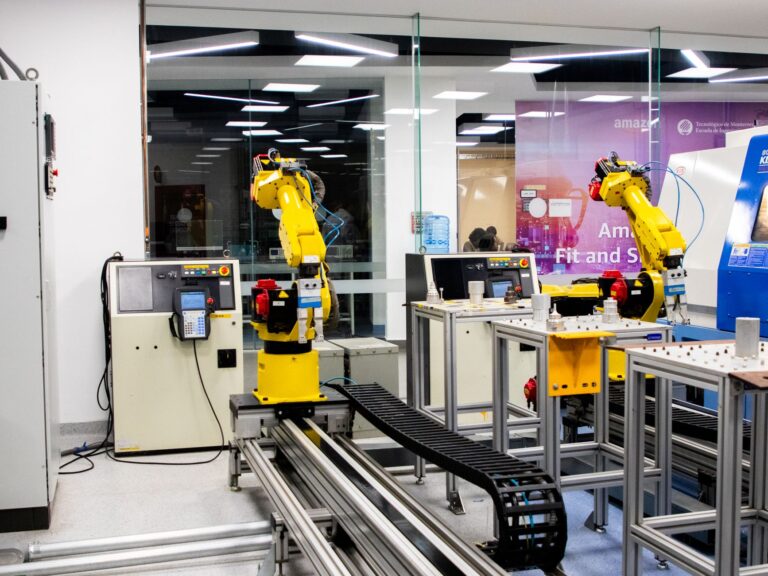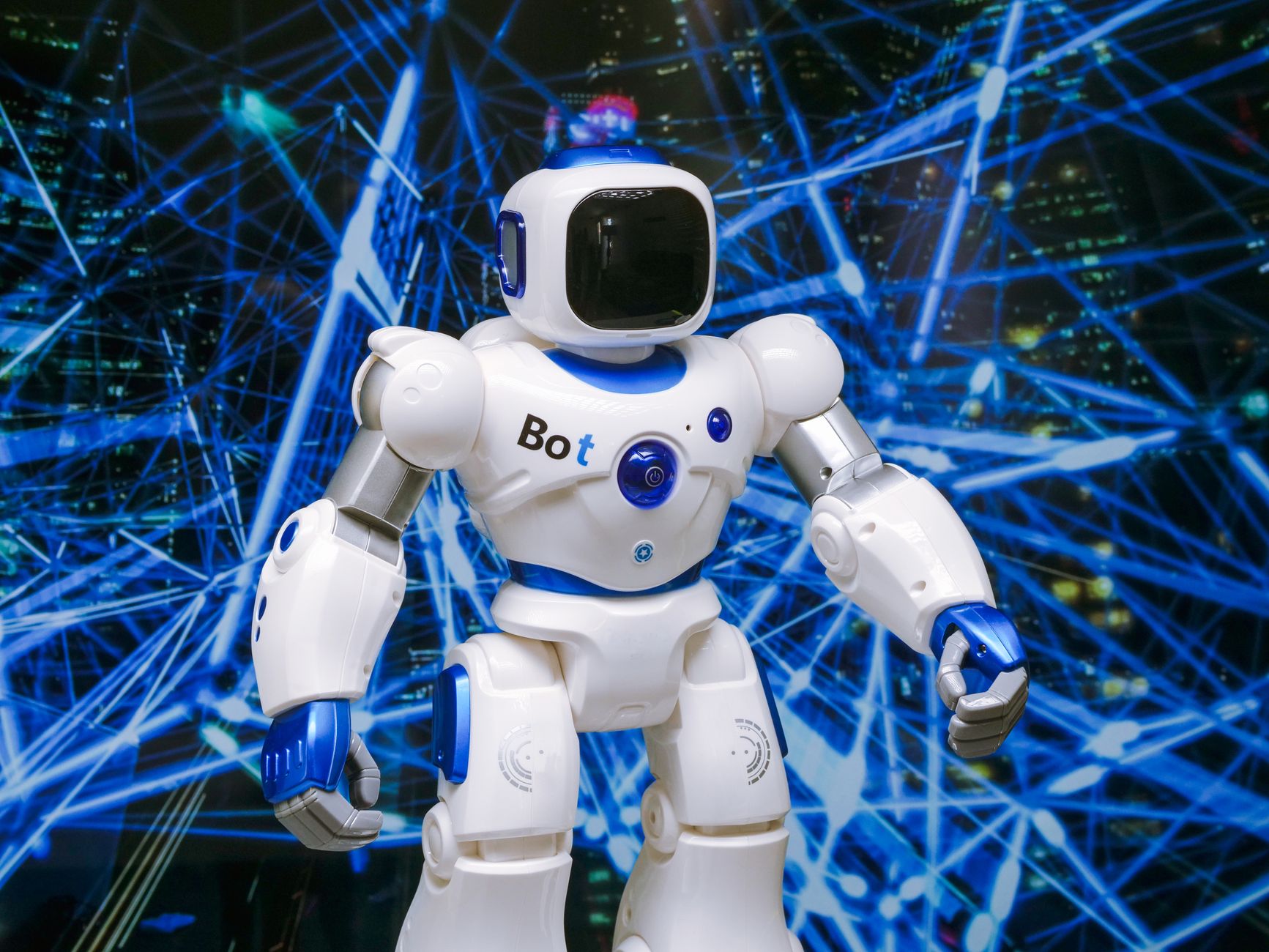

Yes, natural language processing, software that understands and produces human language, can help robots explain their own errors. It links fault detection to message generation, so a stoppage becomes a clear statement about cause and next action.
Factory operators, home users, and field technicians all need quick reasons, not error codes. A spoken or screen message saves time during setup, recovery, and handoff. The value depends on clear wording tied to real sensor data.
Table of Contents
- How does a robot turn an error into words?
- What makes an explanation useful?
- Where do these explanations break down?
- How can teams make explanations safer to use?
How does a robot turn an error into words?
A robot constantly checks motors, sensors, cameras, and software for expected values. When a reading falls outside range, the system flags a fault type such as blocked path, failed grasp, or low power. That structured fault becomes the input for language.
The language stage selects words that fit the fault, location, and confidence. Simple systems fill a fixed template with live details. More flexible systems compose a sentence from the same fault data, with tone and length set by the designer. A typical flow looks like this:.
- detect a mismatch, such as a wheel that does not turn when commanded
- match it to a known cause, such as an obstacle or a loose cable
- generate a short message with place, cause, and next step
What makes an explanation useful?
Useful explanations name the affected part, the likely cause, and one action. "Left gripper missed the box. Check alignment, then retry" helps more than "Grasp error 214." Concrete nouns and verbs let the user picture the problem.
Context also matters. The message should fit the moment, the user role, and the display. A technician may need joint name and force reading, while a home user needs a safe next move. Short sentences, plain words, and consistent terms reduce confusion across repeated stops.
Where do these explanations break down?
Language can sound certain even when the diagnosis is uncertain. A blocked camera, poor lighting, and a moved object can produce the same signal, so the robot may pick the wrong cause. Vague messages hide that risk, while overly long messages bury the action.
Language limits add another failure point. Idioms, unclear pronouns, and missing units cause mistakes during recovery. Speech may fail in loud rooms, and small screens may cut off key words. Designers should keep messages short, test wording in noise and haste, and always show a safe stop option when confidence is low.
How can teams make explanations safer to use?
Tie every message to a checked signal, not to a guess from words alone. Require the robot to verify grip force, position, battery, or map match before it names a cause. Keep a log that pairs the spoken message with the raw reading for later review.
Test messages with the people who will hear them. Watch new users recover from common faults, note where they pause, and revise the wording. Add a simple follow-up such as "show more detail" or "repeat" for missed messages. Start with ten frequent failures and write one tested message for each.