
Trump's robotics import talks put NLP humanoid suppliers in a holding pattern with rising supply risk. NLP means natural language processing, the speech and dialogue software that acts as a humanoid's brain, and those brains still need affordable bodies that depend heavily on Chinese parts.
On Oct. 28, 2026, President Trump signed Proclamation 11077 finding robotics imports threaten national security but imposing no tariffs, instead ordering trade talks, according to Sidley Austin in its Sidley Austin update. That leaves language suppliers exposed to future duties, quotas, or import limits rather than immediate charges.
Table of Contents
- What Trump actually ordered
- Which hardware sits in the talks
- Why language suppliers depend on bodies
- What to do before April 2027
What Trump actually ordered
The proclamation uses Section 232 national-security authority for robotics, industrial machinery, and parts. It sets no tariff rate, product list, or start date. Commerce and the U.S.
Trade Representative must negotiate import-adjustment deals instead. Commerce and USTR must report progress within 180 days, by about April 26, 2027. Sidley Austin notes tariffs, quotas, fees, or domestic incentives remain possible if talks fail. Suppliers therefore face a timed negotiation window, not a final duty schedule.
Which hardware sits in the talks
The underlying Commerce probe opened in Sept. 2025 and covers programmable computer-controlled systems.
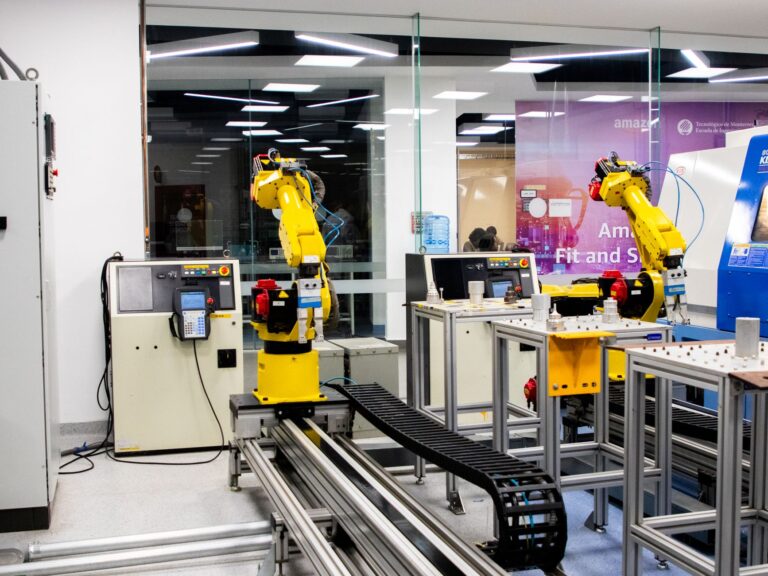
It also covers cutting, welding, and handling machine tools, stamping presses, autoclaves, ovens, and laser and water-cutting machinery, according to Reuters reporting in the AJOT trade report. That scope matters for NLP vendors because dialogue systems ship inside complete robots. Even when talks focus on industrial machinery, motors, actuators, sensors, and controllers often share suppliers and factories with humanoid bodies.
Why language suppliers depend on bodies
An NLP stack cannot deploy without a mobile body, sensors, and wireless links. U.S.
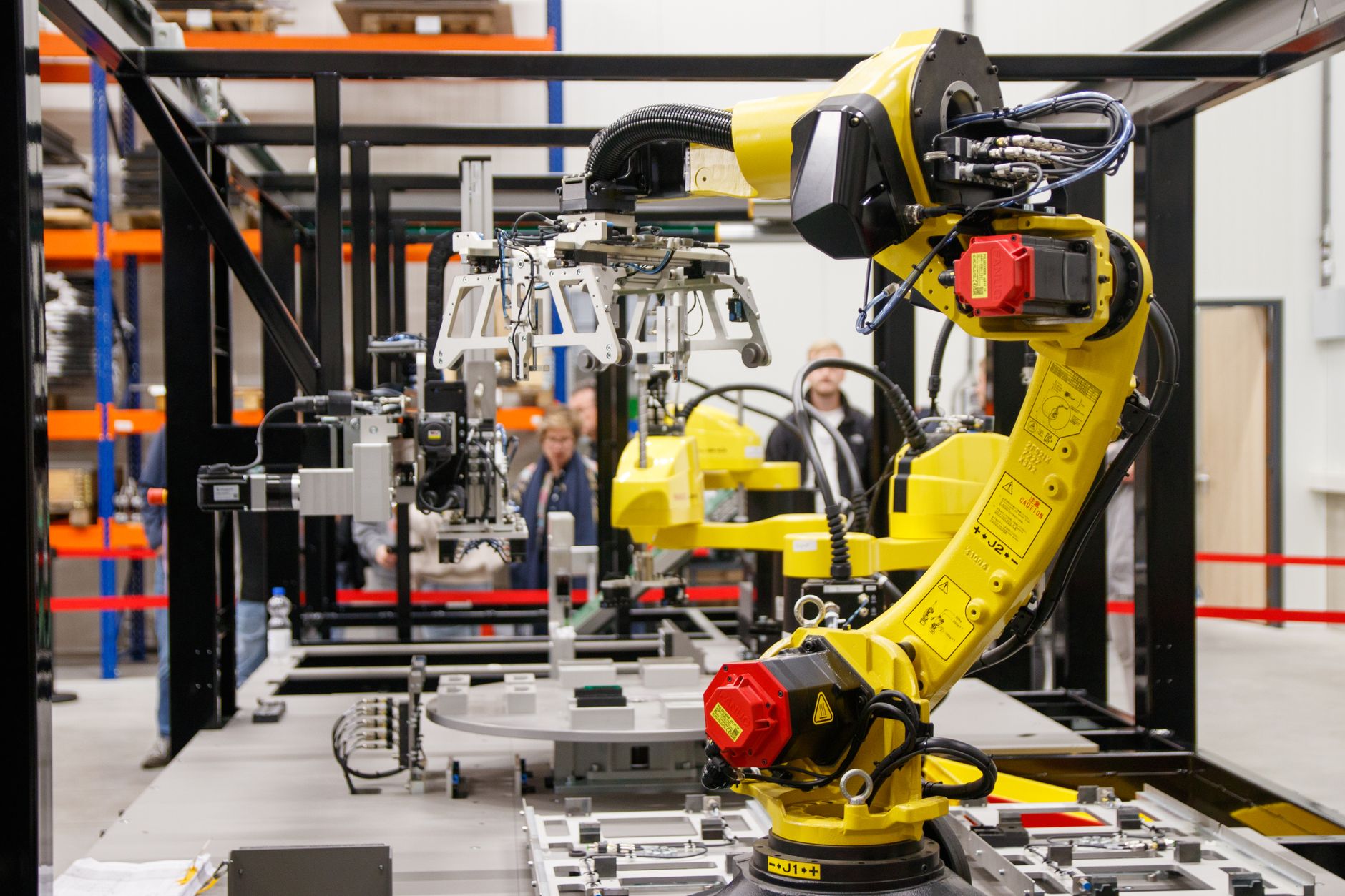
humanoid makers including Apptronik, Tesla, and others remain dependent on China for actuators comprising over half of material cost, with four of five major vision-system suppliers Chinese, according to Humanoids Daily. Morgan Stanley analysis places about 63% of key humanoid component production, especially actuators, motors, and reducers, with Chinese firms, as described in the FourWeekMBA supply-chain review. That concentration means import curbs on hardware directly raise costs and delay pilots for companies selling only the language brain.
What to do before April 2027
A separate FCC action already restricts new foreign-made advanced robots. On July 28, 2026, the Public Safety Bureau added foreign-produced advanced robotic devices to its Covered List under DA 26-786, blocking equipment authorization needed to import, market, or sell new models without conditional approval, according to Steptoe in the Legal 500 FCC analysis. That rule covers new humanoid, quadruped, and other mobile robots over 4.4 lbs with sensors, wireless connectivity, and onboard software.
Already-authorized models may still be imported and updated through at least 2029. NLP teams should therefore separate existing-model deployments from new-model launches in planning. Practical moves for the talks window include: Start second-source testing now, before negotiators set quotas or fees.
- Qualify a non-Chinese source for actuators, reducers, and vision modules
- Design language software to run across two hardware builds
- Seek conditional FCC approval early for any new foreign-built test unit
- Tie customer pilots to authorized models through 2029 where possible