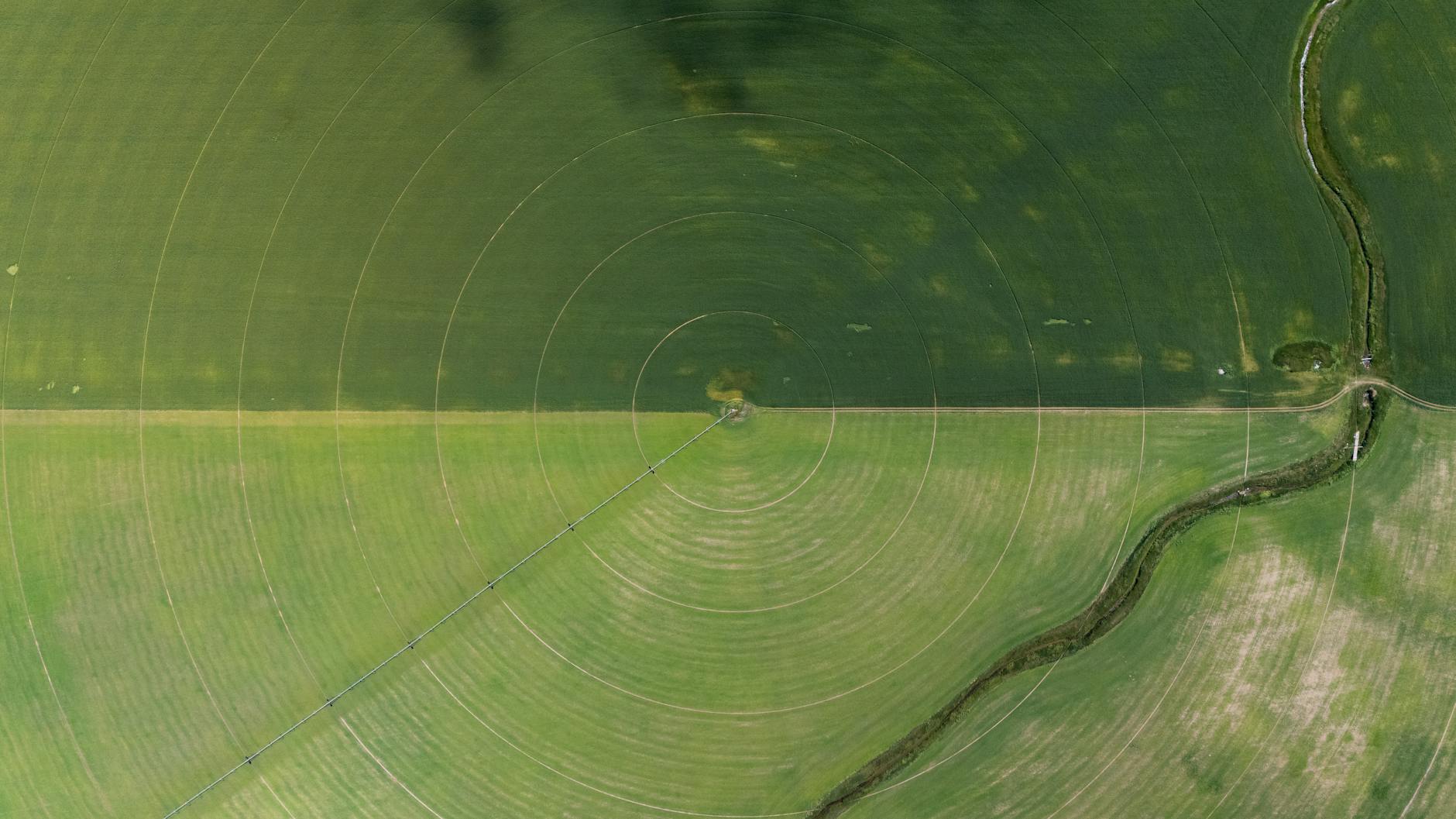

DE has emerged as a defining force in precision agriculture, functioning as a centralized data intelligence platform that integrates real-time field monitoring, predictive analytics, and automation insights across farming operations. Like Google transformed information access, DE democratized agricultural data—taking raw sensor inputs, satellite imagery, and farm records and converting them into actionable intelligence that helps growers optimize every aspect of production. Consider a corn farmer in Iowa using DE to monitor soil moisture across 1,500 acres: instead of manual scouting, the platform aggregates data from soil sensors, weather stations, and historical yields to recommend irrigation timing, reducing water waste by up to 20% while maintaining productivity.
The platform’s power lies in its ability to connect previously siloed agricultural systems. Equipment manufacturers, input suppliers, agronomists, and growers can all access standardized data within a single ecosystem, creating network effects similar to Google’s approach to information architecture. This integration has become critical as farming grows more complex, with equipment getting smarter and data volumes increasing exponentially.
Table of Contents
- How DE Became Essential Infrastructure in Modern Farming
- The Architecture Behind Agricultural Intelligence
- Robotics Integration and Autonomous Decision-Making
- ROI, Adoption Barriers, and Scaling Challenges
- Data Privacy and the Limits of Corporate Agriculture
- Integration with Supply Chain and Market Intelligence
- The Future of Autonomous Agriculture and Generational Shift
- Conclusion
How DE Became Essential Infrastructure in Modern Farming
DE’s evolution reflects agriculture’s shift from experience-based decision-making to data-driven management. Farmers historically relied on intuition, local knowledge, and relationships with agronomists—valuable but limited by geographic scope and memory constraints. The platform solved this by creating a permanent, quantifiable record of what works, accessible from any device in real time. Instead of calling an agronomist to diagnose a crop problem, a grower can pull up DE’s analytics dashboard and see exactly where nitrogen levels dropped, when stress began showing, and which fields responded best to previous interventions.
The comparison to Google extends to user experience design. Early agricultural software required extensive training and data entry. DE prioritized ease of access through smartphone apps and web interfaces that don’t require technical expertise, similar to Google’s philosophy of putting powerful tools in users’ hands without friction. A farm manager can check field status while walking equipment or in a dealer’s office without needing IT support, which dramatically accelerated adoption across operations of all sizes.

The Architecture Behind Agricultural Intelligence
DE’s technical foundation combines multiple data streams—satellite imagery, ground sensors, equipment telemetry, weather data, and market information—into unified analytics. The platform uses machine learning to identify patterns across millions of acres, finding correlations that individual farmers couldn’t detect alone. For example, the system might discover that a specific combination of soil type, weather pattern, and planting date consistently produces the highest yields, then flag operations where those conditions exist but management practices differ from the optimal approach.
However, this centralization creates significant limitations. Data accuracy depends entirely on sensor quality and proper calibration—garbage in still means garbage out. A miscalibrated soil moisture sensor or poorly positioned weather station can lead a grower to make expensive decisions based on incorrect information. Additionally, the platform requires consistent connectivity, which remains problematic in rural areas with poor broadband infrastructure, forcing farmers to work around connectivity gaps or accept delays in real-time decision-making.
Robotics Integration and Autonomous Decision-Making
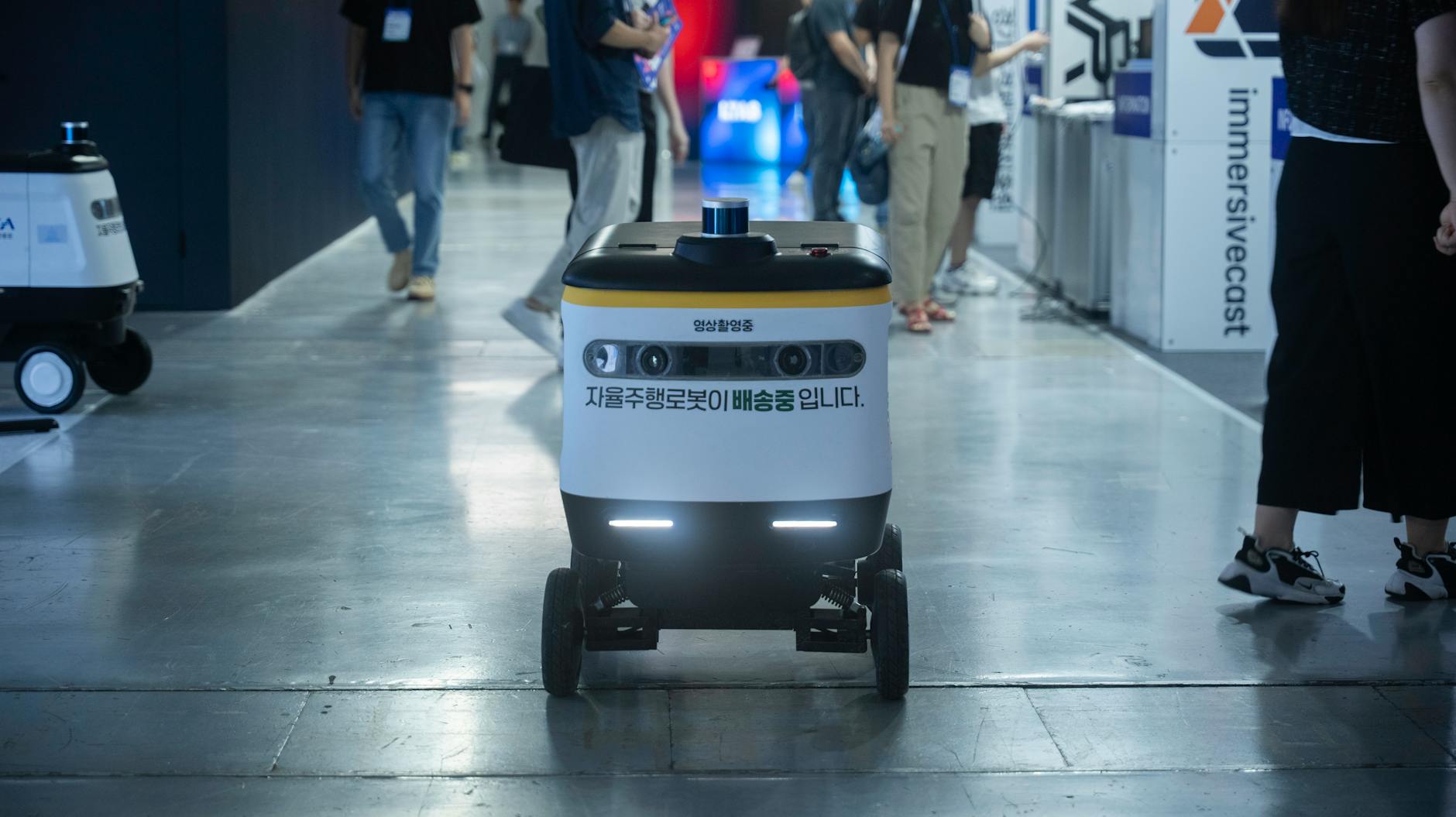
DE’s real competitive advantage emerges when connected to autonomous equipment and robotics. Instead of just providing recommendations, the platform can directly control variable-rate application systems, irrigation controllers, and autonomous vehicles. A tractor might receive instructions from DE to adjust seeding rates field-by-field based on soil data, or a sprayer could modify chemical application rates based on real-time weed detection combined with historical efficacy data.
This closes the loop between data analysis and physical action. The integration with equipment manufacturers has created powerful but complex dependencies. A grower using DE with John Deere equipment gets seamless data flow, but switching equipment brands requires data migration and sometimes losing historical context. For example, a farmer combining yield maps from a Deere combine with DE analytics for the past five seasons might lose some precision when shifting to AGCO equipment, as data standards don’t always transfer perfectly between platforms.
ROI, Adoption Barriers, and Scaling Challenges
Field evidence shows significant returns for early adopters. Large-scale operations (1,000+ acres) frequently report 5-15% yield improvements or 10-20% input cost reductions within two years of full platform adoption. These numbers come from optimization across fertilizer, water, seed rates, and harvest timing. For commodity producers operating on 3-5% profit margins, even a 5% cost reduction is transformative.
Yet adoption remains uneven. Small and mid-size farms struggle with the upfront investment in sensors, equipment upgrades, and training, plus ongoing subscription costs that can run $2-5 per acre annually depending on feature tier. A 500-acre operation might invest $5,000-$10,000 to retrofit basic sensor capability, creating a payback period of 2-3 years that’s acceptable for large operations but risky for smaller growers managing tighter margins. Additionally, farmers in certain regions benefit more than others—high-value crops like vegetables and specialty crops see faster ROI than commodity grains, creating a wealth-of-information divide.
Data Privacy and the Limits of Corporate Agriculture
As DE accumulated detailed farm data across millions of acres, privacy concerns emerged. Growers were uncomfortable that their field-level productivity data could theoretically be combined with commodity price data and financial information to identify struggling operations—knowledge that could affect credit terms or equipment sales. The platform maintains data security, but structural concerns remain about concentration of agricultural information in single corporate hands. A related limitation is over-reliance on historical patterns.
During unusual years—extreme droughts, unexpected pest outbreaks, or climate shifts outside historical norms—the system’s recommendations can become unreliable precisely when they’re most needed. The 2012 U.S. Corn Belt drought exceeded historical baselines, making predictive models less helpful. Growers had to fall back on agronomic fundamentals and local knowledge, reminding them that data intelligence augments rather than replaces judgment.
Integration with Supply Chain and Market Intelligence
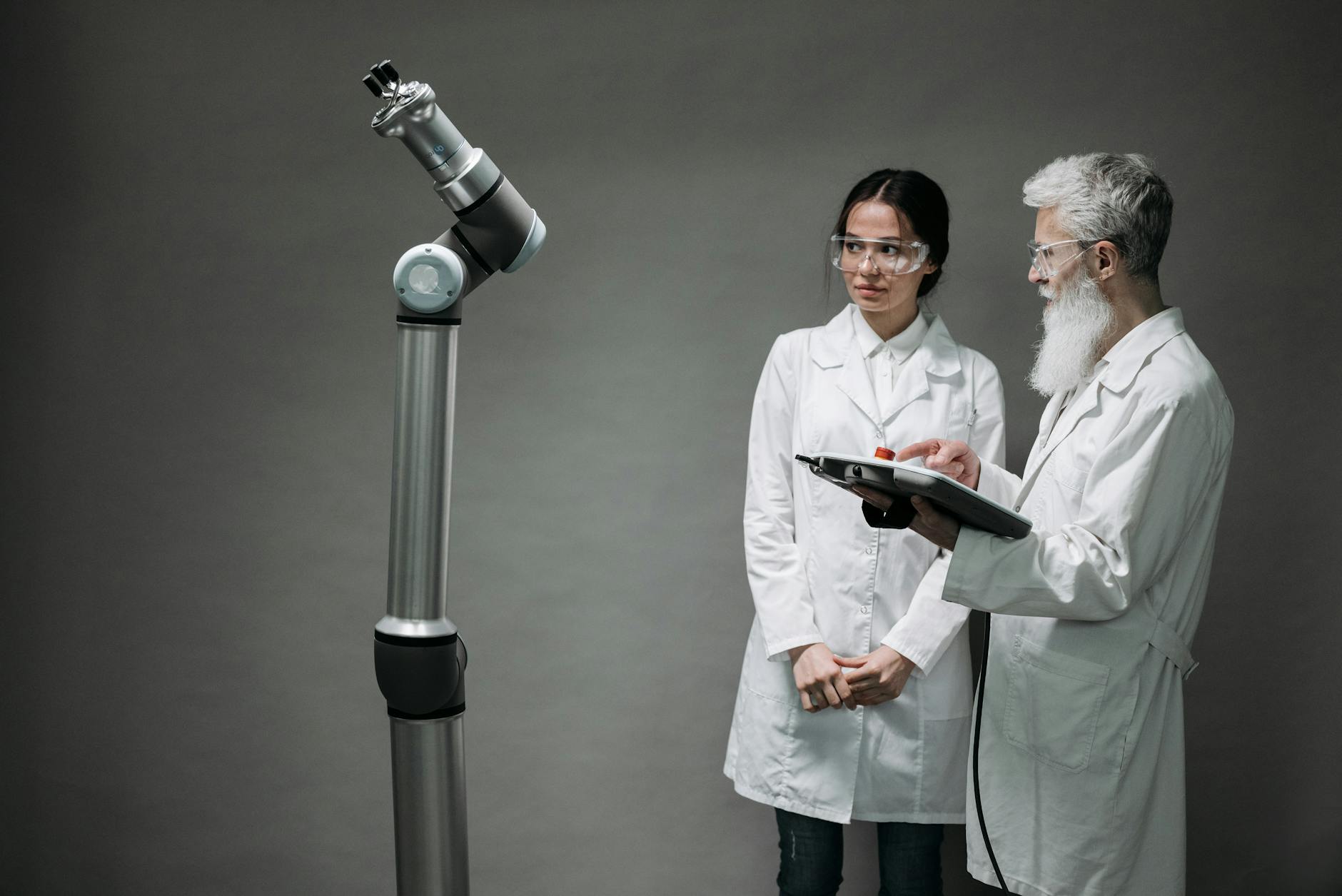
DE increasingly bridges production data with market context. The platform now incorporates commodity futures prices, transportation costs, and storage availability to help growers optimize harvest timing not just for crop quality but for profitability. A soybean grower seeing high basis levels might adjust harvest timing to capture better prices, while someone facing squeeze margins might store crops differently based on carry-month analysis.
This market-to-field integration is where DE moves beyond production optimization into business decision-making. Real-world example: A wheat farmer using DE noticed that historical data showed certain fields produced better malting-quality wheat when harvested one week later, increasing premiums paid by breweries. The platform helped isolate which soil and management combinations reliably produced that quality, turning data into premium market access that averaged an extra $2-3 per bushel on 30% of production.
The Future of Autonomous Agriculture and Generational Shift
DE’s trajectory points toward increasing autonomy, with the platform making more decisions without human intervention while maintaining override capabilities. Next-generation equipment will receive direct instructions from DE algorithms rather than offering recommendations, similar to how autopilot functions in vehicles. This shift parallels broader agricultural trends toward hands-off farming enabled by technology.
The platform also faces disruption from decentralization and open standards. Some growers and equipment manufacturers are building alternative ecosystems with better data portability and farmer ownership models, challenging DE’s monopoly-like position. The parallel to Google involves regulatory scrutiny as well—agricultural data governance is becoming a policy concern, with questions about who owns farm data and who should control its use. How DE navigates these emerging dynamics will determine whether it remains agriculture’s dominant platform or whether the ecosystem splinters into competing approaches.
Conclusion
DE earned its reputation as the Google of precision agriculture by making complex data accessible and actionable at scale, transforming farming from anecdotal to analytical decision-making. The platform demonstrated that agriculture could adopt information technology without sacrificing operational practicality, proving that even traditional industries could benefit from intelligent systems that reduce friction and amplify human decision-making.
The true test ahead isn’t maintaining dominance but earning continued trust as data becomes increasingly valuable and concentrated. For farmers and equipment manufacturers, the opportunity lies in leveraging DE’s insights while developing independence from any single platform—maintaining the benefits of data-driven farming while preserving operational flexibility and data ownership.