
September 2026 has not yet produced enough evidence for a full-month food and beverage robotics update. As of September 6, the clearest change is stronger food-handling performance, while several announced products and projects still await real-world deployment evidence. Food and beverage robotics covers machines that prepare, serve, move, or distribute food and drinks. Recent developments show why buyers must evaluate both robotic capability and the service network needed to keep equipment running.
Table of Contents
- Food handling becomes more reliable
- Service capacity becomes part of the product
- A large order still needs deployment proof
- Automation is expanding beyond kitchens
- Watch contracts and operating results, not demonstrations
Food handling becomes more reliable
Chef robotics reported more than 130 million production servings and introduced an updated Food World Model in late august. A world model helps a robot predict how ingredients will behave during handling. The company said the model beat its baseline on eight of nine ingredients and reduced post-pick surface errors by 42%. These errors occur when a robot successfully lifts food but leaves it on an unintended surface before placement. Chef Robotics reported the results on August 27.
That improvement matters because food is harder to manipulate than uniform factory parts. Ingredients can bend, clump, slide, or change consistency between batches. Better performance across multiple ingredients suggests a broader system rather than a narrowly programmed demonstration. The unanswered question is whether those gains persist across kitchens, recipes, temperatures, container shapes, and production speeds. Buyers should request results for their own ingredients rather than relying on aggregate serving counts.
Service capacity becomes part of the product
robot performance alone does not determine whether an installation succeeds. Food operations also need rapid troubleshooting, replacement parts, trained technicians, and useful equipment data. Chef Robotics said its international deployments require round-the-clock remote support, telemetry, certified technicians, and spare-parts logistics. It also reported that one customer expanded from two robots to 36 and that fewer than 5% of support cases reached engineering.
The company described that support operation on August 24. Those figures suggest that routine problems can often be resolved without software or hardware engineers. However, the disclosure does not provide uptime, repair times, or the cost of maintaining that support structure. Prospective operators should ask vendors for:.
- Uptime measured during normal production
- Median response and repair times
- Local technician coverage
- Spare-parts locations and delivery targets
- Clear responsibility for failed integrations
A large order still needs deployment proof
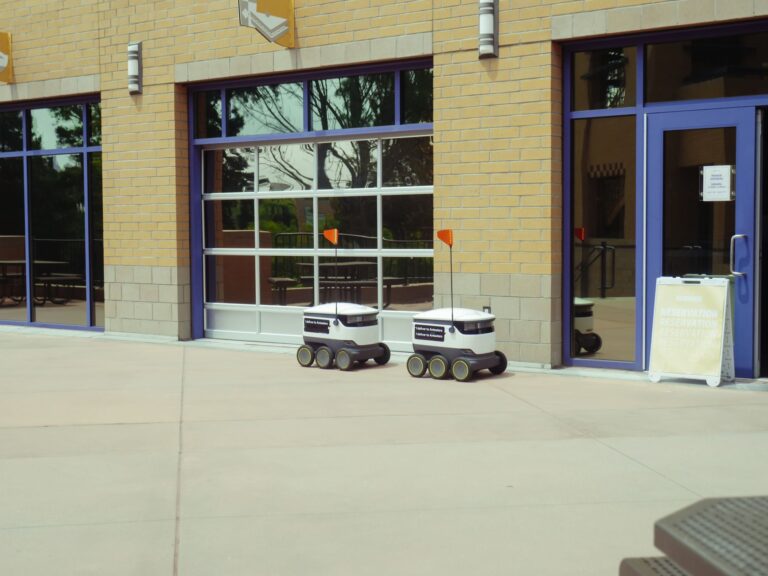
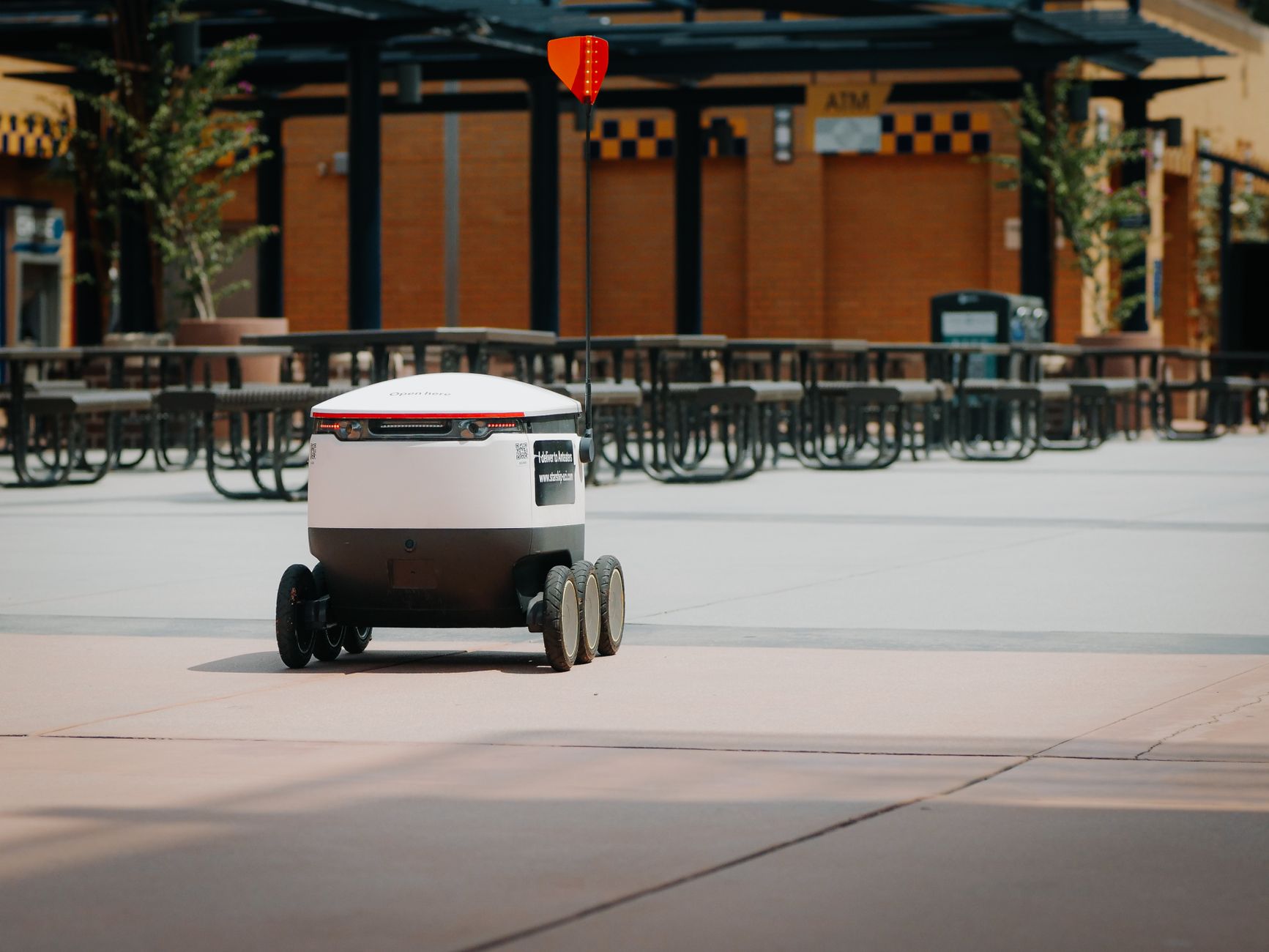
Sagtec Global launched its HALO food-serving robot and announced a $3 million order for 1,500 units from a Dubai distributor. The product targets front-of-house delivery in Middle Eastern restaurants and hospitality venues. Sagtec announced the launch and order on August 18. The order indicates distributor interest, but it does not establish that 1,500 robots are operating successfully.
Sagtec identified production, delivery, deployment, and expected benefits as forward-looking matters. The next meaningful evidence will be fulfilled deliveries and results from customer locations. Useful measures include daily operating hours, staff interventions, route failures, guest acceptance, and service response times. Restaurant and hotel buyers should also distinguish movement from complete service automation. A delivery robot may transport dishes effectively while people still load trays, manage elevators, clear tables, and handle unexpected obstacles.
Automation is expanding beyond kitchens
Food robotics also includes warehouse systems that move grocery cases before products reach a restaurant or store. In March, Associated Wholesale Grocers agreed to install Symbotic automation across 114,000 square feet of its Louisiana grocery center. The planned system is designed to handle nearly 19 million cases annually. Construction is expected during 2027, with operations scheduled to begin in the fourth quarter of that year.
This is a substantial planned application, but it should not be counted as a current operating result. The relevant evidence will arrive after commissioning, when the companies can report throughput, accuracy, labor requirements, downtime, and performance during demand peaks. For grocery operators, the long schedule is itself instructive. Large-scale automation requires facility work, integration, testing, and operational preparation; an agreement is the start of that process, not its completion.
Watch contracts and operating results, not demonstrations
Two earlier 2026 announcements illustrate the gap between product visibility and adoption. SoftBank Robotics showcased STEAMA, which prepares frozen noodle dishes in about 90 seconds, and FLAMA, which automates steps from ingredient addition through cleaning. The documented May appearance was a trade-show showcase, with no disclosed customer deployment.
Richtech Robotics and SoundHound demonstrated robotic beverage preparation connected to voice ordering. Their agreement was a non-binding letter of intent rather than a firm deployment commitment. Richtech Robotics described the demonstration and agreement on May 6. Readers assessing the next announcement should separate evidence into three levels: For the rest of September, the strongest signals will be completed installations, repeat orders from existing operators, disclosed uptime, and support performance—not another show-floor demonstration.
- Demonstration: the system performs in a controlled setting
- Commercial commitment: a customer or distributor places an order
- Operating proof: installed units produce measurable results over time