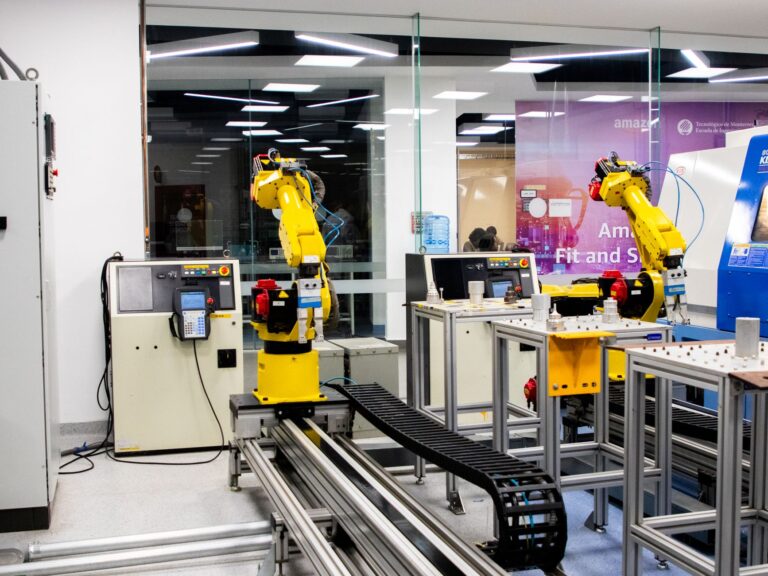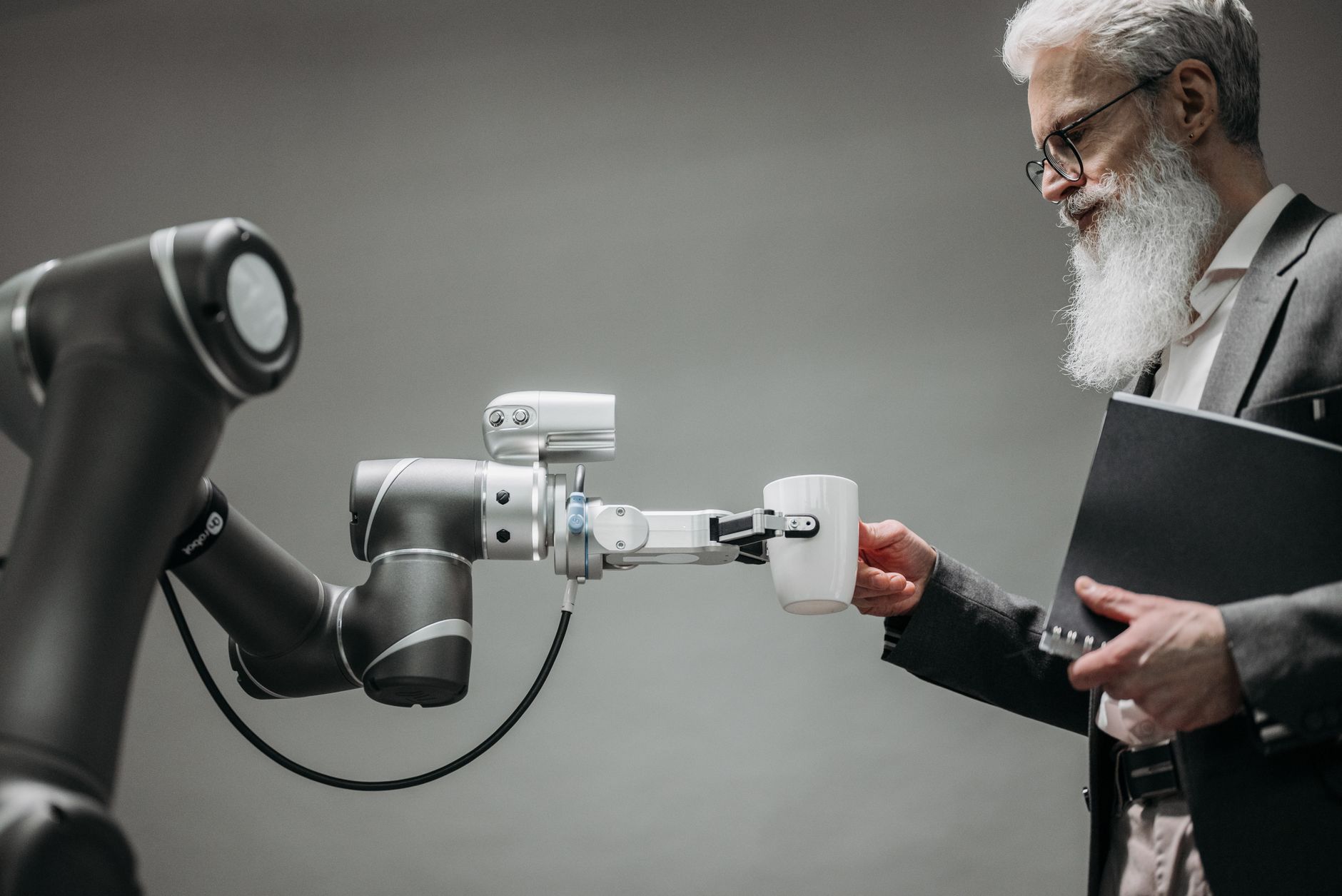

Robots learn to follow multi-step spoken instructions by turning speech into text, then turning that text into an ordered plan of actions. A multi-step instruction is one command that needs several actions in order, such as pick up the box and carry it upstairs. Training teaches the robot which words map to which movements, sensors, and checks.
For warehouse, factory, and home robots, this skill cuts the need for buttons, screens, or code. Clear speech means fewer mistakes, fewer stops, and less rework. Present systems handle plain wording and familiar jobs best.
Table of Contents
- From Sound to Action Plan
- How Does Training Connect Words and Movement?
- How Do Robots Track Progress Across Steps?
- Where Do Spoken Commands Still Break Down?
- How Can You Give Instructions Robots Follow?
From Sound to Action Plan
The first job is speech recognition. The robot converts audio into words, then splits the request into separate tasks. For "go to the shelf, grab the red bin, and bring it here," it pulls out three actions plus key details like place, object, and direction. The second job is grounding, which links words to the physical world.
"Red bin" must match a shape and color the camera can see. "Here" must match a location the robot can find on its map. The third job is planning. The robot orders the actions, checks what is possible, and fills in missing moves like grip, lift, or turn. If a step looks unsafe or unclear, a well-built system pauses or asks for help.
How Does Training Connect Words and Movement?
Much learning comes from human demonstration. People show the task while speaking the command, so the robot records language paired with motion and sensor readings. Repeated pairs teach it that "lift" involves arm force, and "gently" means slower speed and lighter grip. Simulation adds practice at low cost.
The robot tries thousands of word-and-action pairs in a virtual room before touching real objects. This builds skill for common layouts, lighting shifts, and object positions. Human correction sharpens the result. When the robot picks the wrong item or order, a person ranks or fixes the response. Over time, the system favors plans that earned approval and completed the full sequence.
How Do Robots Track Progress Across Steps?
Robots use short-term memory to hold the plan. They mark each step as ready, active, or done. That record keeps later steps tied to earlier ones, so "put it down" still points to the box from step one. Sensors confirm real progress.
Cameras, touch sensors, and joint feedback check grasp, weight, distance, and placement. If the bin slips or the path is blocked, the robot can repeat the step, skip ahead safely, or stop. Spoken updates also help. Many systems restate the next action or request confirmation before a risky move. That habit catches wrong turns early, before the error spreads through the chain.
- Keep the goal active across steps
- Check sensor proof after each move
- Repeat or ask when proof is missing
Where Do Spoken Commands Still Break Down?
Vague words cause many failures. "That one," "over there," and "a little more" have no fixed meaning for a machine. Noise, accents, and similar object names add more confusion during recognition. Long chains raise the risk.
Each extra step adds another chance for drift, missed grasp, or wrong room. Tasks with changing people, pets, tools, or inventory are harder because the scene no longer matches training. Safety limits matter too. A robot should refuse a lift beyond its rating, a speed that risks collision, or entry into a blocked zone. Buyers and supervisors should treat refusal as protection, not as a defect.
How Can You Give Instructions Robots Follow?
Use short steps in order, with one action per clause. Name the object, place, and direction in plain terms. Pause between jobs with more than three steps, and confirm the robot's repeat-back before it moves.
Test new phrases during calm periods, not during rush work. Record which wordings succeed and share that short list with the team. Say the location, object, and order every time you issue the task.
- Say the action first, then the target
- Name color, size, or location for similar objects
- Give order words like first, then, and last
- State the stop point, tray, or room by name