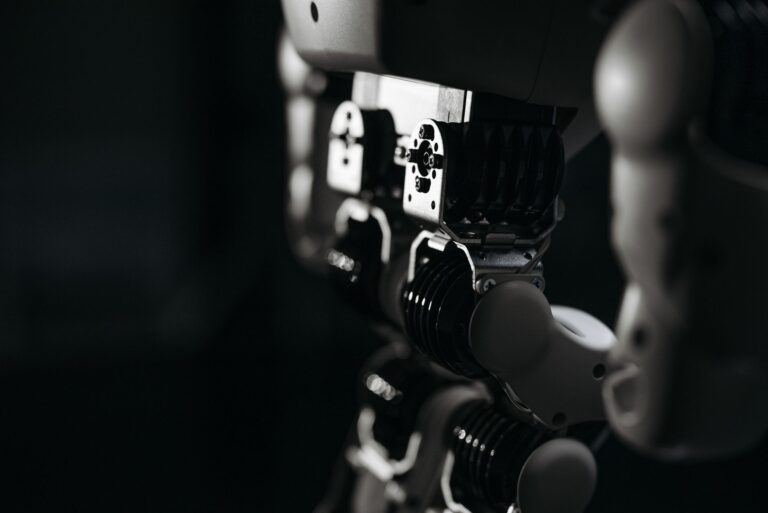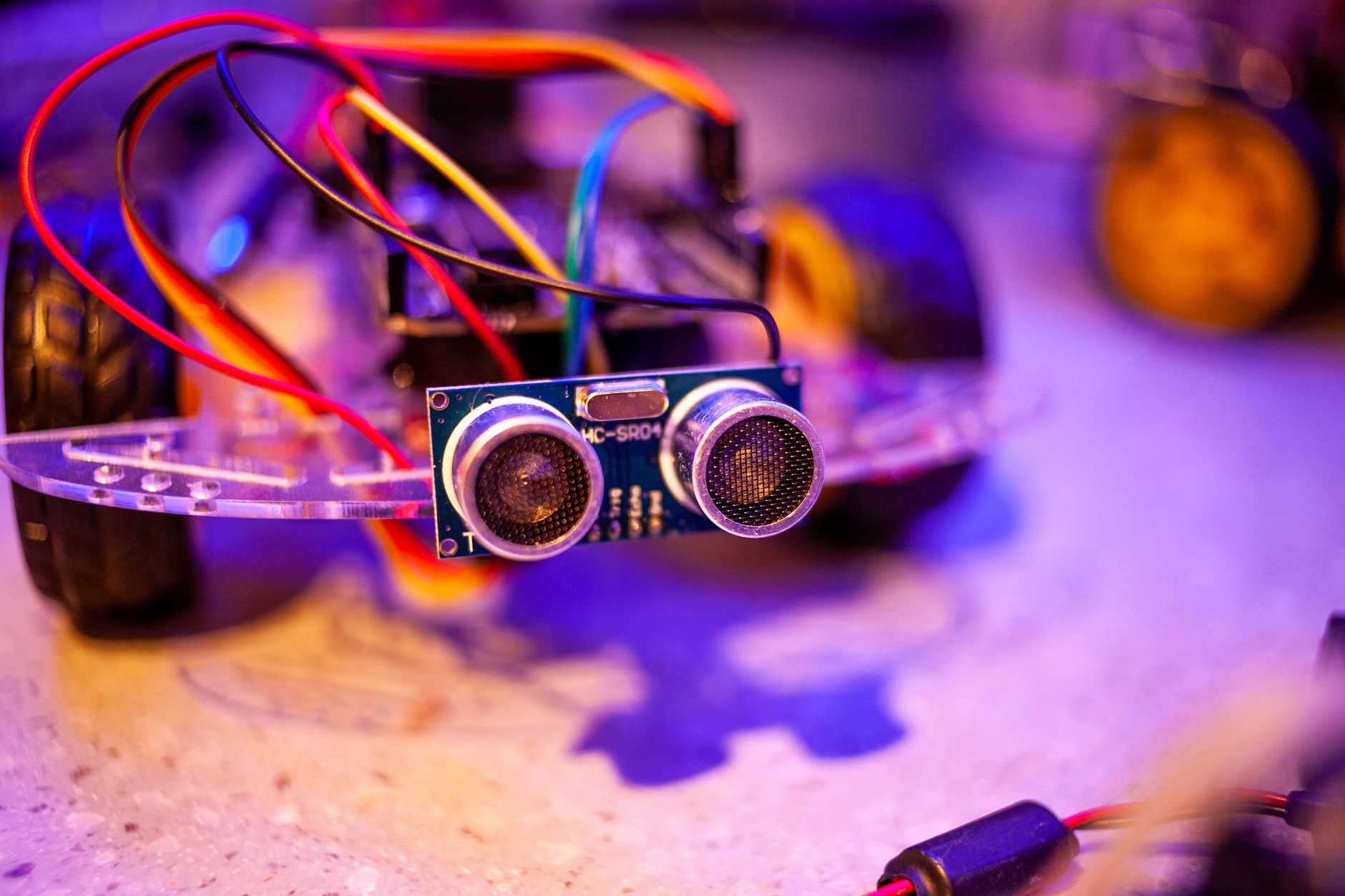

Stony Brook's crab-inspired robots handle dangerous seabed work as a tethered two-robot team that walks instead of swimming. One robot scouts sites, plans routes and surfaces to contact operators, while the second burrows into sand to inspect hazards such as unexploded ordnance, meaning old military explosives left on the seafloor.
The project pairs Stony Brook University with Case Western Reserve University to build a system that moves from air into water and down to the ocean floor. Sourcearun reports the work is funded by a $2.4 million U.S. Office of Naval Research grant the Sourcearun report.
Table of Contents
- Why walk instead of swim?
- How does the two-robot team divide the job?
- Where will rough-water ability be tested?
- What should operators realistically expect?
Why walk instead of swim?
Surf zones are the shallow, turbulent bands where waves break and currents shift fast. Conventional small underwater robots use jet thrusters, which struggle to adjust trajectory and torque quickly enough there.
The crab design uses legs and flexible limbs to grip, brace and move along the bottom. Wisevoter notes this legged approach is meant for conditions that outpace small thruster vehicles the Wisevoter update.
- Thruster vehicle: floats and pushes water to steer, easily pushed off course in surf.
- Crab robot: plants limbs on sand and rock, holds position and crawls forward.
- Result for operators: steadier sensing and inspection where divers face high risk.
How does the two-robot team divide the job?
The robots stay linked by a tether during descent and seabed work. Environmental Protection reports that Stony Brook's robot guides both to the seabed while scouting sites, planning routes, avoiding obstacles and surfacing to communicate with operators the Environmental Protection report. Case Western Reserve's robot then does the close-in hazardous task.
It burrows into sand to inspect hazards such as unexploded ordnance left by military operations. That split keeps human divers out of turbulent surf. One machine manages navigation and communications, while the other enters the sediment to check the target.
Where will rough-water ability be tested?
Stony Brook is building a 40-foot wave tank at its marine-sciences boathouse. The tank will use fan arrays to combine waves with gusting wind. That setup lets engineers test walking, station-keeping and tethered coordination before open-water exposure.
Coastal trials near Southampton are planned after the tank tests. For automation teams, the sequence matters: controlled surf first, then field surf. Success in the tank does not equal success on the coast.
What should operators realistically expect?
The practical payoff is prospective: safer seabed monitoring and explosives searches, plus future environmental-monitoring uses if surf-zone trials succeed. The effort remains developmental, with no published field-performance data yet.
Stony Brook's team is led by William Stewart, assistant professor of mechanical engineering, working with Case Western Reserve engineers experienced in crab-like surf-zone robots. Occupational Health & Safety reports the partnership centers on hunting seafloor explosives without sending divers into the surf the Occupational Health & Safety report.