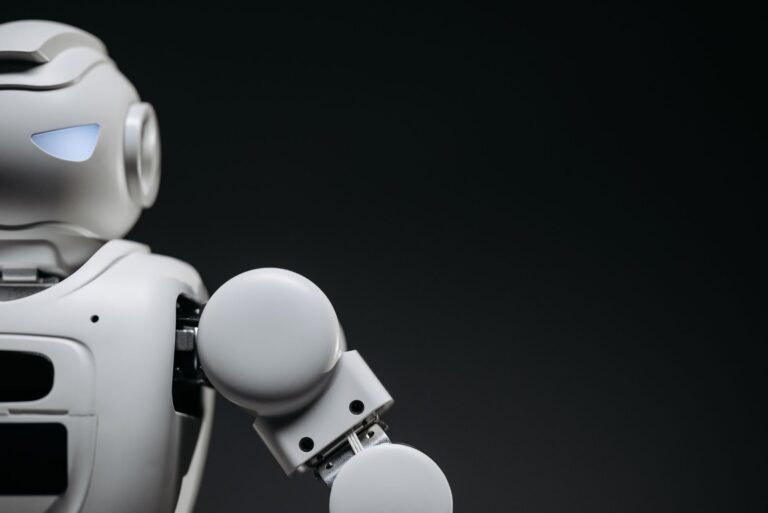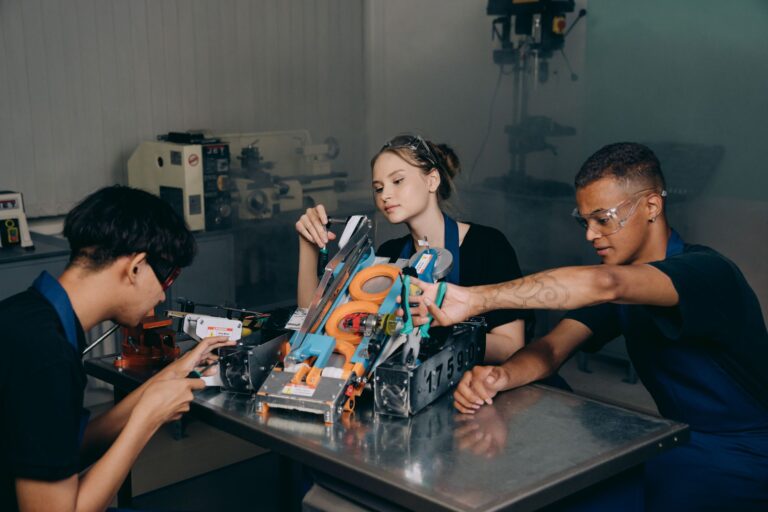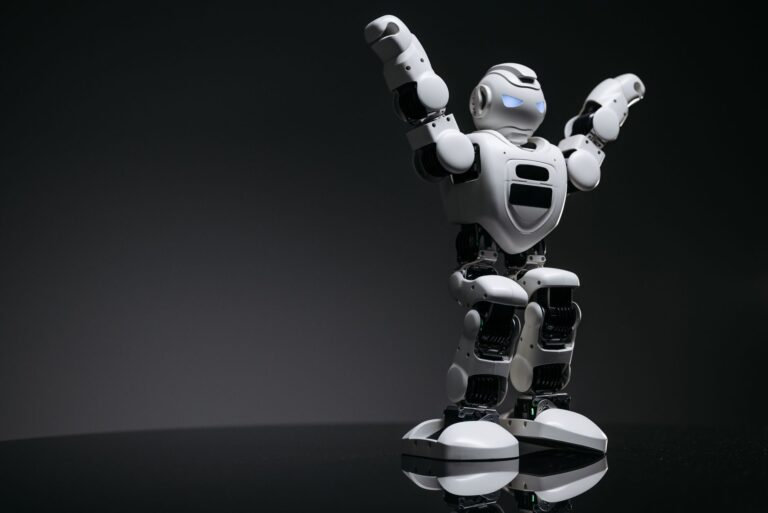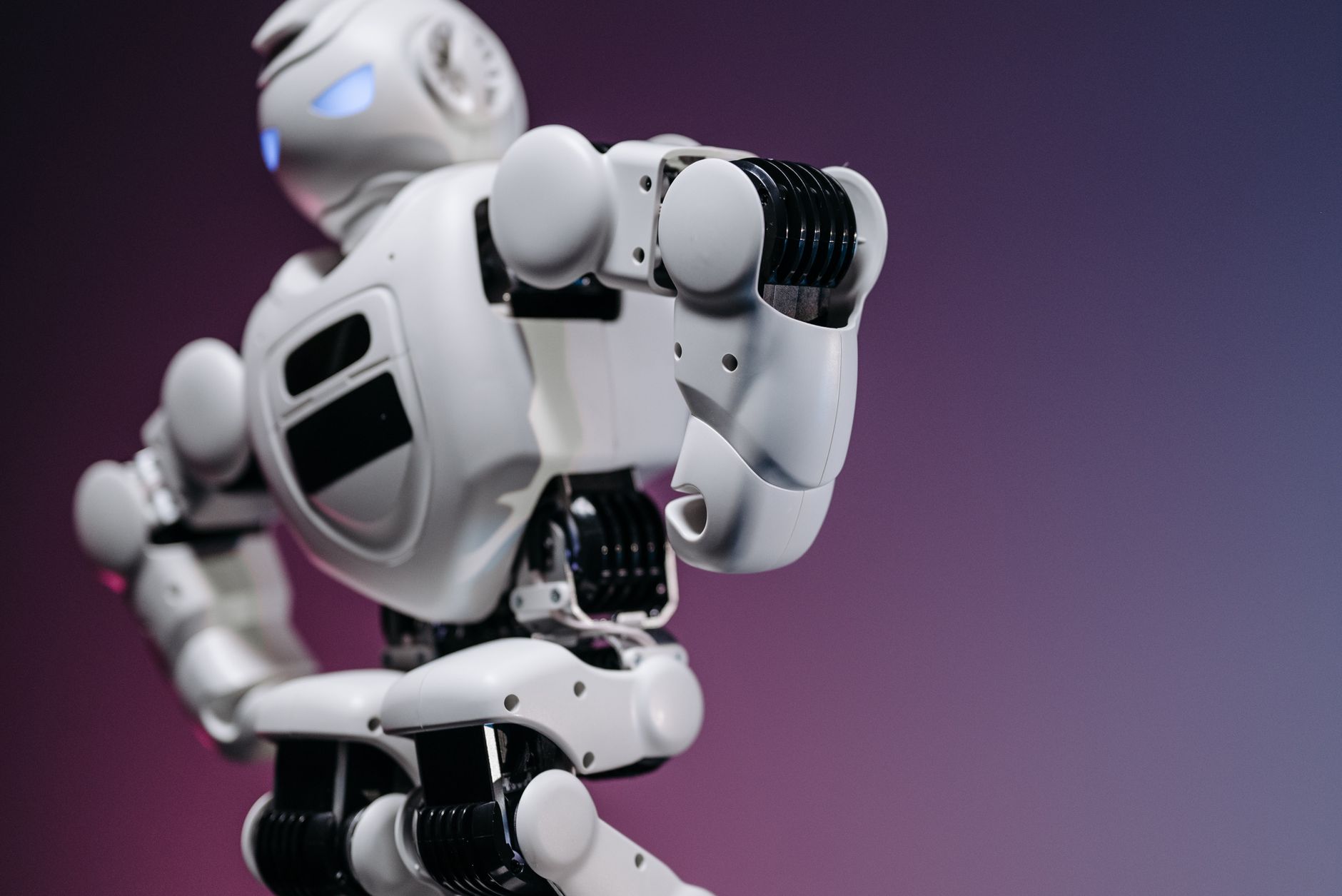

The startups to watch this winter are those running extended pilots in warehouses, factories, and stores. A humanoid robot is a two-legged machine with arms and hands shaped to work in places built for people. Focus on teams that show daily work, safety practice, and service support. Demo videos alone do not prove readiness for winter operations.
Table of Contents
- What separates pilots from demos
- Where will humanoids work first?
- What limits still shape use?
- How can you judge a startup claim?
- How to plan a small trial
What separates pilots from demos
A demo shows a task once under controlled conditions. A pilot repeats the task across shifts, staff changes, and floor clutter. Watch for startups that describe hours worked, faults handled, and human supervision needed.
Useful pilots name the site type and the job. Examples include moving totes, pushing carts, or carrying parts between stations. Vague claims about general help signal an early stage.
Where will humanoids work first?
Humanoids fit first where the building already suits people. That means flat floors, standard doors, stairs with rails, and work set at hand height. Warehouses, back rooms, and light assembly areas match this pattern best.
They fit less well in crowded, wet, or fast-moving places. Uneven ground, loose cables, and close contact with crowds raise fall and touch risks. Fixed arms, mobile bases, and simpler machines often do these jobs better.
What limits still shape use?
Balance, hands, and batteries set current limits. Walking stays slower and less sure than wheeled motion, especially with a load. Hands can grip known objects but still struggle with soft, slick, or mixed items.
Charging and upkeep also shape winter plans. Short run time means more swaps, docks, or spare packs. Ask how a team handles drops, stops, software faults, and safe recovery around workers.
How can you judge a startup claim?
Look for proof of repeat work, not peak skill. A strong team explains the task range, failure rate, staffing, and fix time. A weak pitch leans on smooth video and broad promises.
- Ask what task runs without changes to the room.
- Ask how staff stop the robot and restart work.
- Ask who repairs the machine and how fast help arrives.
- Ask what data the customer keeps and where it goes.
How to plan a small trial
Pick one narrow job with clear start and end points. Good first jobs repeat often, use light loads, and avoid public areas. Define success before the trial starts, such as carts moved per hour or missed picks per shift.
Staff the trial like normal work, not a showcase. Train leads, post clear floor rules, and log every stop. Start with one task, one shift, and set review dates.