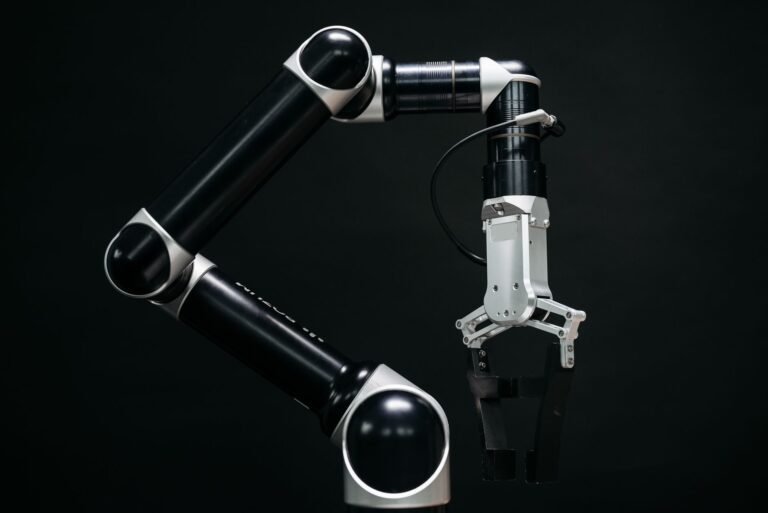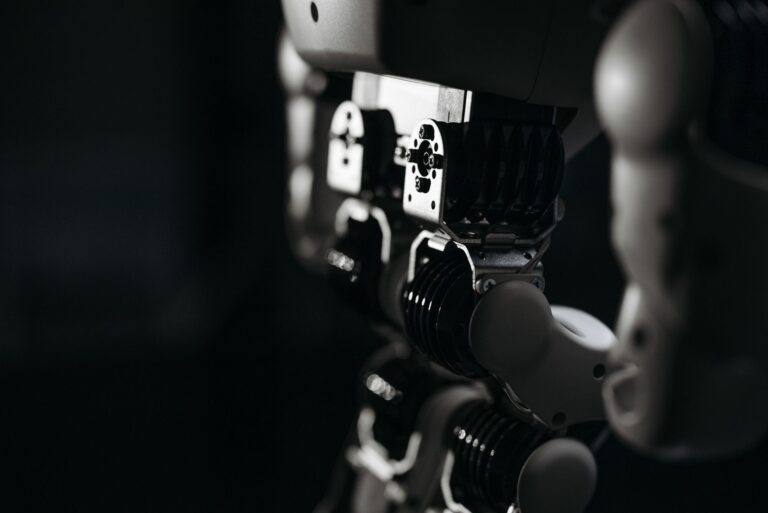

Yes. Impossible Metals' Eureka robot selectively picked polymetallic nodules at over 4,000 meters. The company said in its Business Wire announcement that the fully autonomous dive took place Nov.
9, 2026 in the Clarion-Clipperton Zone. Polymetallic nodules are mineral-rich lumps that rest on the deep seabed. For robotics readers, the test matters because selection, grasping, and ascent all happened without a tether to a surface mining ship.
Table of Contents
- How does Eureka collect nodules?
- What did the September dive demonstrate?
- Why does selective pickup matter?
- What stands between this test and mining?
How does Eureka collect nodules?
Eureka hovers above the seabed instead of driving across it. It uses AI vision to identify individual nodules and nearby visible marine life, then picks selected rocks with robotic arms. Lift uses buoyancy rather than a riser pipe, according to the company description.
That design removes a long vertical pipe and keeps collection and transport inside the untethered vehicle. The approach puts perception close to manipulation. The robot must locate a target, judge surrounding life, grasp one rock, and stow it for ascent.
What did the September dive demonstrate?
During a September 2026 scientific expedition, the robot descended to the seabed between Hawaii and Mexico. It collected about 450 grams of nodules and returned to the surface. The weight equals a small demonstration sample, not a production load.
The dive showed descent, autonomous selection, pickup, and return in very deep water. The result applies to feasibility of the picking method. It does not show continuous operation, hourly throughput, or performance across varied terrain.
Why does selective pickup matter?
Blanket dredging gathers everything in its path. Selective pickup tries to take a chosen nodule while leaving surrounding sediment and visible animals in place.
For autonomy, that means repeated close-range decisions: Success depends on stable hovering, clear imaging near the bottom, and reliable grasping. Each failed grasp costs time and energy at depth.
- detect nodule candidates on the seafloor
- check for visible marine life nearby
- select and grasp one target
- lift it by buoyancy for recovery
What stands between this test and mining?
The recovered 450 grams will go to research partner Viridian Biometals. The material will support study of nodule-associated bacteria and possible biological metal extraction, not commercial sale. The dive was marine scientific research rather than production, as described in the Tech Revolt report. A small research sample does not prove commercial throughput or ecosystem safety at mining scale.
Commercial mining still needs approval from the International Seabed Authority or the U.S. government, according to the MLQ.ai Newsroom summary. Impossible Metals requested a U.S. lease process off American Samoa in April 2025.