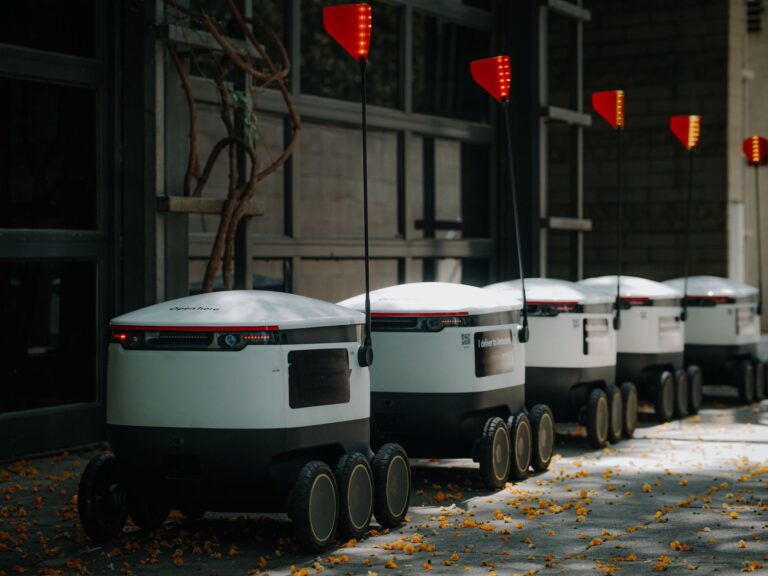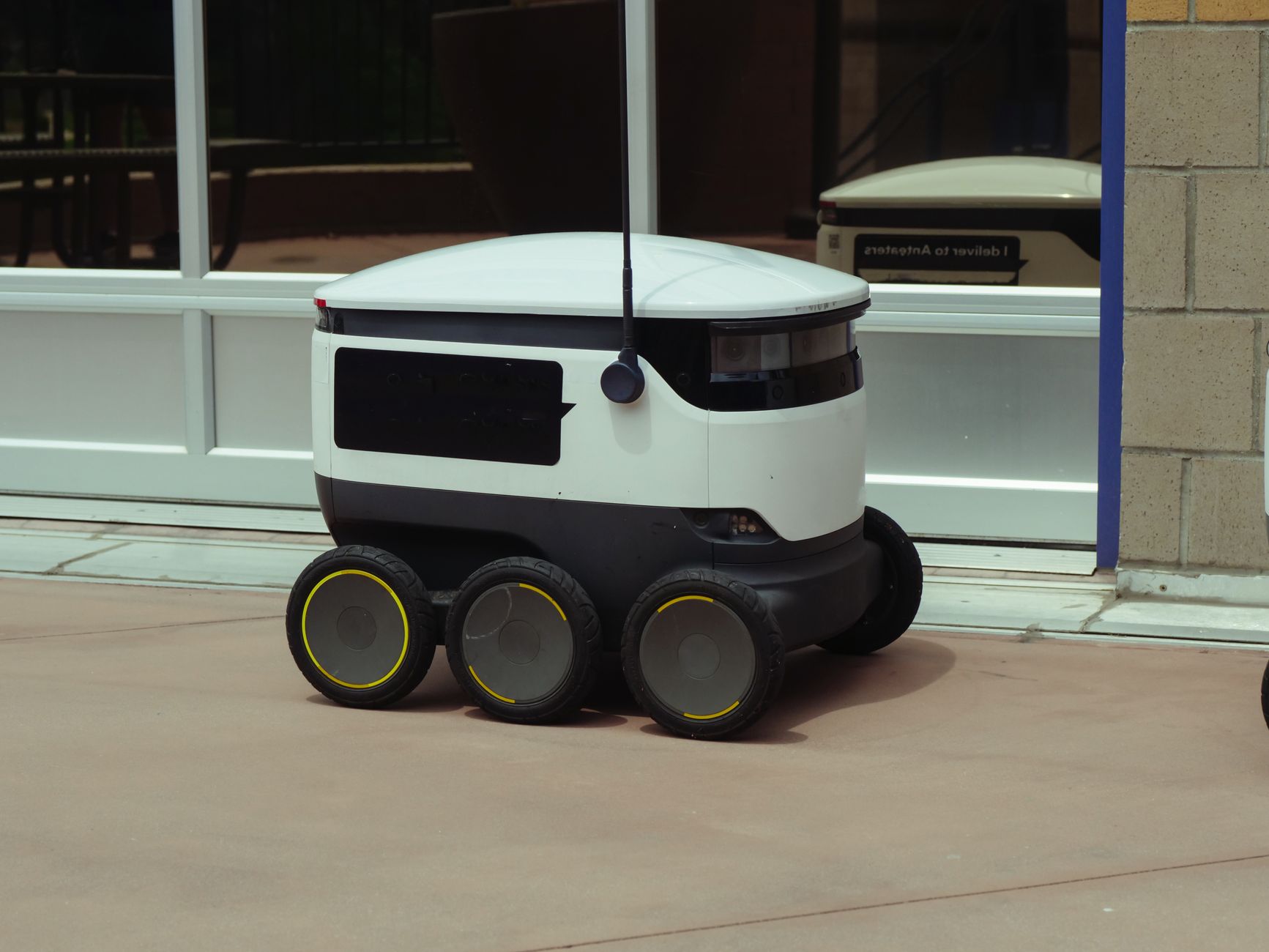

Aerial and ground robots inspect solar farms with vision by traveling set routes while cameras record panel appearance and heat patterns. Software then compares those images with normal panels and flags cracks, dirt, hot spots, and misalignment for crews to check. Machine vision here means cameras paired with image software that finds visible and thermal changes. Drones supply fast overhead coverage, while wheeled or tracked ground robots supply steady close-range views.
Table of Contents
- What do drones see from above?
- What do ground robots add?
- How does software turn pictures into work orders?
- How do robots move through rows safely?
- Where does vision still struggle?
What do drones see from above?
Drones typically carry two kinds of cameras. Color cameras, often called RGB cameras, record surface flaws such as cracked glass, bird droppings, dust bands, and shading from weeds. Thermal cameras record heat, which reveals cells or connections running hotter than nearby cells. Flight height sets the trade-off between speed and detail.
Higher passes map a whole block quickly and show string-level heat issues. Lower passes show cell cracks, snail trails, and frame damage with sharper edges. Repeated flights also show change over time. A clean panel that turns patchy suggests new soiling. A spot that stays hot across flights points to a lasting electrical issue rather than a brief reflection.
What do ground robots add?
Ground robots drive between or beneath rows and look where drones see poorly. Their cameras capture panel backs, mounts, wiring, combiner boxes, and lower edges at short range. That angle helps find loose fasteners, chewed cable insulation, rust, and tilt errors. Steady motion gives sharper close-ups than a fast flyover.
A robot can pause, adjust focus, and shoot the same connector from several angles. Operators use those views to judge whether a drone flag needs cleaning, tightening, or replacement. Ground robots also work well under glare and wind that trouble flight. Bright midday sun can wash out aerial color images. A low camera with a shaded view often keeps contrast on glass and frames.
How does software turn pictures into work orders?
The pipeline has four practical steps. Images are tagged with position, aligned to a panel map, screened for defects, then ranked for maintenance.
Good maps matter more than fancy detectors. If one hot cell is tied to the wrong string, crews walk the wrong row. Teams check map alignment after layout changes, tracker work, and panel swaps.
- Capture with location: each image stores GPS, heading, and panel row.
- Map to assets: software places images on a layout of blocks, rows, and panel IDs.
- Detect issues: rules and trained models mark hot cells, cracks, dirt, vegetation shade, and missing panels.
- Prioritize action: the system sorts flags by safety, power loss, and spread.
How do robots move through rows safely?
Most missions follow preplanned paths. Operators draw flight lines above the rows or drive lanes between them, then set speed, camera angle, and overlap. Overlap means each panel appears in several images, which helps stitching and reduces missed spots. Navigation blends satellite positioning with onboard sensing.
Satellite fixes keep the robot on its lane, while cameras, lidar, and bump sensors watch for posts, tracker arms, cables, and people. Lidar means a laser sensor that measures distance to nearby objects. Clear rules prevent damage. Keep rotor wash and wheels away from loose soil, puddles, and low wiring. Pause work in strong gusts, low light, or when workers are inside the active block.
Where does vision still struggle?
Vision finds symptoms, not causes, by itself. Dirt looks much like ash, pollen, or light corrosion in a single color photo. A hot pattern can come from a bad cell, a bad diode, shade, or a poor connection. Heat images need care.
Sun angle, cloud gaps, wind cooling, and recent tracker moves all shift panel temperature. Crews compare nearby panels taken minutes apart, then confirm with electrical tests before replacing parts. The practical fix is simple: treat each flag as a starting point. Walk one flagged row, clean a test section, recheck connections, and only then schedule wider work.