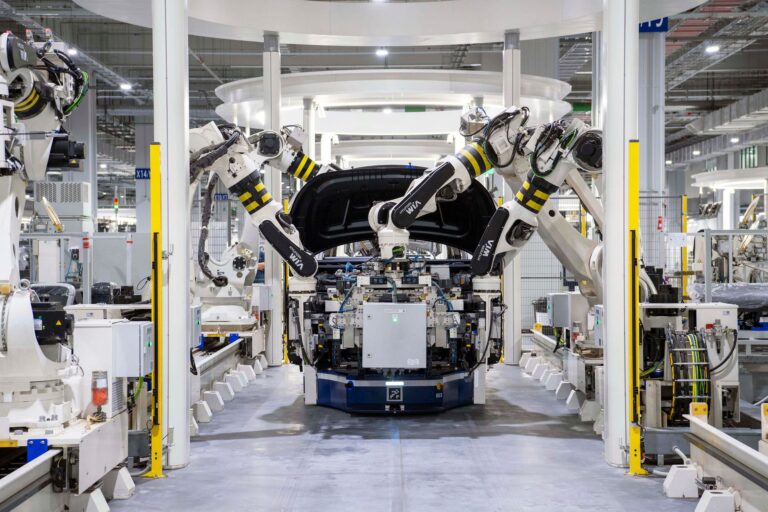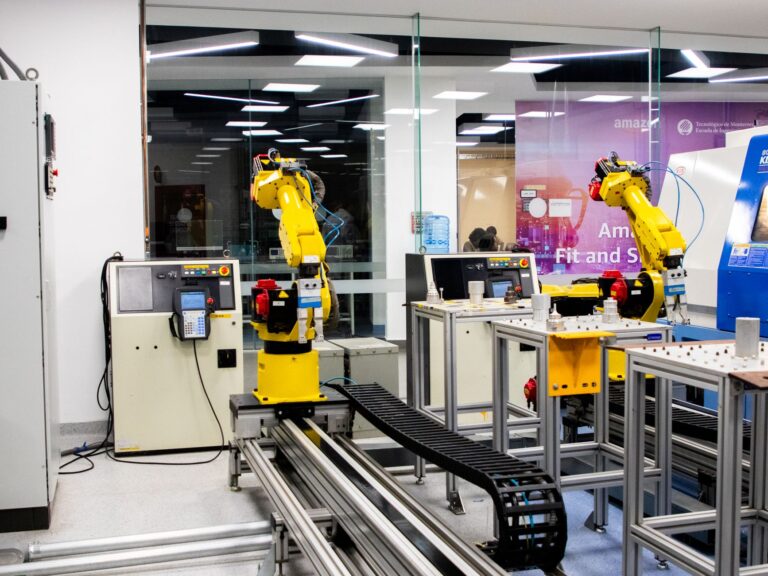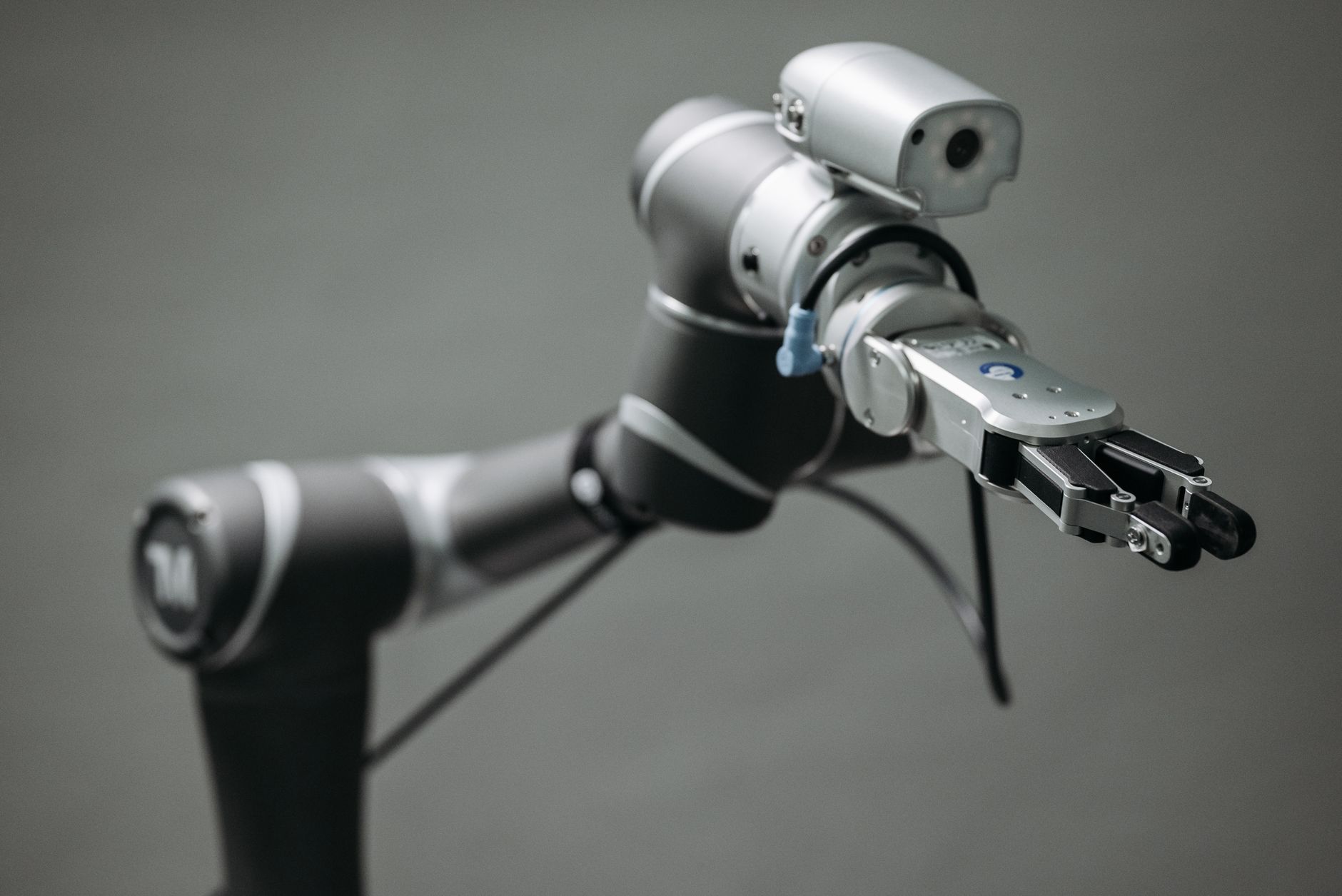

A manufacturing automation business case should show how a specific system will improve saleable output, staffing resilience, quality, or safety at an acceptable cost. Productivity gains support the case only when they become measurable cash flow, and payback depends on realistic labor, demand, downtime, and integration assumptions. The business case is the financial and operational justification for investing in robots, controls, sensors, or automated equipment. It should compare the proposed process with a documented baseline, including risks and costs that continue after installation.
Table of Contents
- Establish the production baseline
- Convert productivity into financial value
- Build a credible staffing plan
- Calculate payback without hiding costs
- Test whether the case survives uncertainty
Establish the production baseline
Start with the constraint the project will address, such as slow cycle time, inconsistent quality, unsafe handling, or an unstaffed shift. Automating a process that is not limiting production may improve that station without increasing plant output. Record current cycle time, uptime, scrap, rework, changeover time, labor hours, and completed units.
Use representative production periods rather than one unusually strong or weak shift. Separate scheduled downtime from failures and material shortages. A practical baseline should answer four questions: Overall equipment effectiveness, or OEE, combines availability, performance, and quality into one measure. It can help identify losses, but the business case should retain the underlying figures so managers can see what automation is expected to change.
- How many good units does the process produce?
- What prevents it from producing more?
- What does each lost unit, labor hour, or quality failure cost?
- Can downstream operations and customer demand absorb additional output?
Convert productivity into financial value
Faster cycles do not automatically create revenue. Additional capacity has value only when the company can sell the output, avoid overtime, reduce outsourcing, or postpone another capital purchase. Quality improvements can provide a clearer benefit. In a hypothetical process producing 10,000 units monthly, reducing scrap from 3% to 1.5% creates 150 additional good units without increasing material input.
Their value depends on avoided material and processing costs, not necessarily the full selling price. Include benefits only once. For example, a shorter cycle may increase capacity and reduce labor hours per unit, but counting both as full savings can overstate the return. Use contribution margin—the selling price minus costs that rise with each additional unit—when valuing incremental sales.
Build a credible staffing plan
automation often changes labor demand rather than eliminating it. A robotic cell may reduce repetitive loading while adding responsibilities for setup, replenishment, inspection, troubleshooting, and preventive maintenance. Calculate labor savings from hours genuinely removed from the operating plan. If workers will be reassigned, describe the benefit as added capacity, avoided hiring, reduced overtime, or attrition replacement—not as payroll savings unless payroll will actually fall.
The staffing plan should identify who will operate, support, and maintain the system. It should also budget for training, documentation, and coverage when the primary technician is absent. A machine that depends on one specialist creates a new production risk. Involve operators, maintenance staff, safety personnel, and quality teams before equipment selection. Their input can expose difficult changeovers, variable parts, access problems, and inspection requirements that a cycle-time estimate misses.
Calculate payback without hiding costs
Simple payback divides the total investment by the expected annual net benefit. If a hypothetical project costs $480,000 and produces $160,000 in annual net benefits, its simple payback is three years. The investment should include more than the robot or machine price. Add end-of-arm tooling, guarding, controls, software, integration, electrical work, facility changes, validation, training, initial spares, and production losses during installation and ramp-up.
Annual net benefit should include applicable contribution margin, avoided labor costs, lower scrap, reduced rework, and other documented savings. Subtract maintenance, software, energy, consumables, support contracts, replacement tooling, and expected downtime. Simple payback does not account for cash-flow timing or value after the payback date. For longer-lived projects, also compare discounted cash flow, useful life, residual value, and the company's required return.
Test whether the case survives uncertainty
A single forecast can make a fragile project look certain. Build conservative, expected, and favorable cases using different assumptions for demand, uptime, cycle time, scrap reduction, staffing, and ramp duration. Pay particular attention to assumptions that control several benefits. If projected labor savings require unattended operation, confirm that material supply, fault recovery, quality checks, and downstream handling can also run without an operator.
Before approval, define measurable acceptance criteria and assign an owner to each one. Useful criteria include sustained cycle time, good-part output, changeover duration, fault frequency, safety validation, and operator training completion. For an uncertain application, a pilot or staged deployment can reduce exposure. Set a decision gate after representative production trials, and release the next investment only if the system meets the agreed performance and support requirements.