
MBOT represents a speculative bet on the future of medical automation—the unproven belief that robotic systems will eventually handle a significant portion of surgical, diagnostic, and therapeutic tasks currently performed by human clinicians. While automation has transformed manufacturing and logistics, medical robotics remains largely confined to narrow, high-certainty procedures like prostate-assisted surgery, leaving most clinical workflows untouched. The speculation isn’t about whether robotics will play a role in medicine; it’s about the timeline, adoption rate, regulatory barriers, and whether the economic case will ever justify the investment. Companies and investors betting on MBOT are essentially wagering that technological breakthroughs will overcome current limitations faster than skeptics expect.
The term “speculative” applies because actual market penetration has been slower than early adopters predicted. Da Vinci surgical systems, the leading platform for decades, still handle only about 6% of general surgery procedures in the United States despite decades of development. Medical robotics companies have burned through billions in R&D with uneven returns. Investors considering MBOT-type opportunities are backing a vision that current surgical robots will eventually become as commonplace as operating microscopes—but the evidence suggests meaningful adoption faces technical, economic, and regulatory hurdles that may take another decade to fully resolve.
Table of Contents
- Why Medical Robotics Remains Speculative Despite Decades of Investment
- Technical Limitations That Constrain Current Medical Automation Platforms
- Market Competition and the Fragmented Landscape of Medical Automation Startups
- The Investment Thesis and Financial Reality of Medical Automation Bets
- Regulatory Uncertainty and the Liability Framework That Constrains Innovation
- Current Success Stories and the Limits of Narrow Automation
- The Uncertain Future and Timeline for Medical Automation Maturity
- Conclusion
Why Medical Robotics Remains Speculative Despite Decades of Investment
medical robotics differs fundamentally from factory automation because human bodies are inconsistent, unpredictable, and high-stakes. A manufacturing robot works with parts that are identical; a surgical robot must adapt to anatomical variations, unexpected complications, and the need for real-time decision-making in a sterile environment. Current systems like the da Vinci operate with telemanipulation—a surgeon uses a console to control robotic arms—which means the technology is an extension of human skill, not a replacement. This limitation is crucial: it explains why adoption has plateaued. The economic argument for buying a $2-3 million da Vinci system is weaker in smaller hospitals and emerging markets where capital is scarce.
A concrete example illustrates the gap between expectations and reality. Robotic knee replacement surgery promised faster recovery and precision, but studies show inconsistent superiority over human surgeons with good technique, while adding significant cost and operating-room time. Hospitals invested in robotic platforms expecting competitive advantage, only to discover that clinical outcomes don’t always improve enough to justify patient fees or insurance reimbursement. This pattern has repeated across multiple surgical applications, making investors wary that the next generation of mbot technologies will face similar validation hurdles. The speculative nature deepens when considering that truly autonomous surgical robots—systems that perform procedures without human control—remain years away and face unresolved liability questions.
Technical Limitations That Constrain Current Medical Automation Platforms
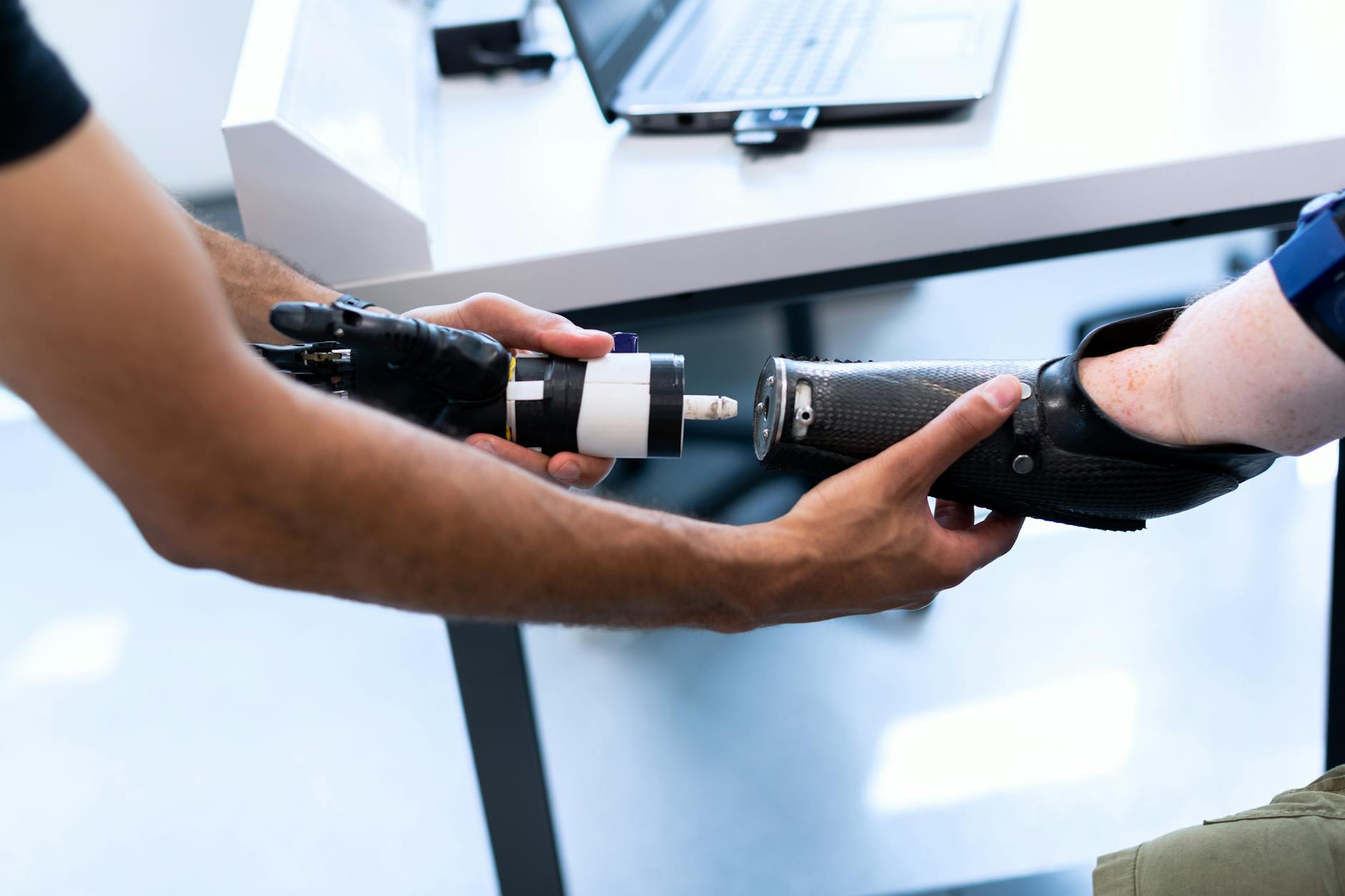
Touch sensation and haptic feedback are areas where medical robotics still lags behind human hands. A surgeon feels tissue resistance, texture changes, and subtle feedback that inform their decisions; most current robotic systems provide limited tactile information back to the operator. This is not a minor limitation—it affects the quality of many procedures and explains why some surgeons resist adoption. Companies have invested in force-feedback systems and artificial intelligence to compensate, but these solutions add complexity, cost, and latency to surgical systems where precision is measured in millimeters. The integration of imaging, real-time navigation, and robotic control introduces another layer of difficulty.
An autonomous medical robot would need computer vision that identifies anatomical structures reliably despite bleeding, tissue obscuration, and the dynamic environment of a living body. Current AI vision systems excel in controlled settings but perform unpredictably in noisy medical environments. This is why even the most advanced surgical robots today require continuous human oversight—they cannot safely operate without a surgeon monitoring and ready to intervene. The speculative bet on MBOT assumes these problems will be solved, but the timeline remains unclear. Early predictions of fully autonomous surgical robots by 2020-2025 have passed without realization, pushing expectations back another decade and reducing investor confidence in timelines.
Market Competition and the Fragmented Landscape of Medical Automation Startups
The medical robotics space is crowded with venture-backed startups, each claiming innovation in slightly different niches—robotic knees, AI-assisted diagnostics, autonomous wound care, or robotic pharmacy. This fragmentation actually signals market immaturity. Rather than a consolidating industry with clear winners, capital continues flowing into companies with speculative technology roadmaps and unproven business models. Some startups are acquired by larger medical device firms seeking innovation, but many burn through funding rounds without achieving clinical adoption or profitability.
Consider the difference between speculative robotics and proven medical technology. A new diagnostic imaging system enters a market with established reimbursement codes, regulatory pathways, and hospital budgets already allocated for such equipment. A novel robotic procedure faces the opposite: hospitals must justify new capital expenditure, navigate insurance coverage negotiations, train staff on new equipment, and prove clinical superiority—all before seeing revenue. This friction is why MBOT remains speculative. Investors are betting that one or two dominant platforms will eventually emerge and capture significant market share, but the evidence so far suggests a slower, more contested path to dominance than comparable technology transitions in medicine.

The Investment Thesis and Financial Reality of Medical Automation Bets
The bull case for MBOT rests on demographic pressures: aging populations in developed countries face surgeon shortages, and robotic systems could extend the reach of limited surgical expertise. In theory, a robotic surgery center in a rural area could allow a specialist surgeon in a metropolitan hospital to perform operations remotely, democratizing access. This narrative is compelling and attracts institutional capital, yet implementation has been minimal. Remote surgery has been demonstrated in proof-of-concept trials but hasn’t scaled into routine clinical practice, largely due to regulatory uncertainty, liability concerns, and the simple fact that hospitals with capital constraints don’t prioritize robotic expansion.
The financial returns on MBOT bets have been mixed at best. Intuitive Surgical, the creator of the da Vinci system, is profitable and generates strong revenue, but its stock performance reflects mature-company growth rather than the explosive returns venture investors expect. Smaller entrants have struggled to raise Series C and D funding as the path to profitability has become clearer and less dramatic than early projections suggested. Some companies have pivoted from surgical robots to non-surgical applications like pharmacy automation or diagnostic AI, acknowledging that the core surgical robotics market has challenges that capital alone cannot solve. This reality gap between investor expectations and market performance is the core reason MBOT remains speculative rather than an established sector.
Regulatory Uncertainty and the Liability Framework That Constrains Innovation
The FDA approval pathway for surgical robots has become clearer over time, but it remains conservative. Each new system must demonstrate safety and efficacy in clinical trials, a process that can take 5-10 years and cost tens of millions of dollars. This regulatory burden is appropriate for patient safety but also slows innovation and raises barriers to entry for smaller competitors. The speculative element deepens when considering autonomous systems: existing regulations assume human control and responsibility, but a truly autonomous robot raises unresolved questions about liability, accountability, and standards of care.
If a robotic system makes an error, who is liable—the manufacturer, the hospital, the surgeon who programmed it, or the AI developer? Legal frameworks haven’t answered this question definitively, and hospitals are understandably cautious about adopting technology that introduces novel liability exposure. Insurance companies have been slow to develop coverage policies for robotic procedures that fall outside established clinical norms, further slowing adoption. This regulatory and legal uncertainty is a primary reason why MBOT remains speculative: the technology may work, but the framework for safely deploying it at scale remains incomplete. Companies betting on rapid deployment may face unexpected regulatory setbacks that devalue their business models overnight.
Current Success Stories and the Limits of Narrow Automation
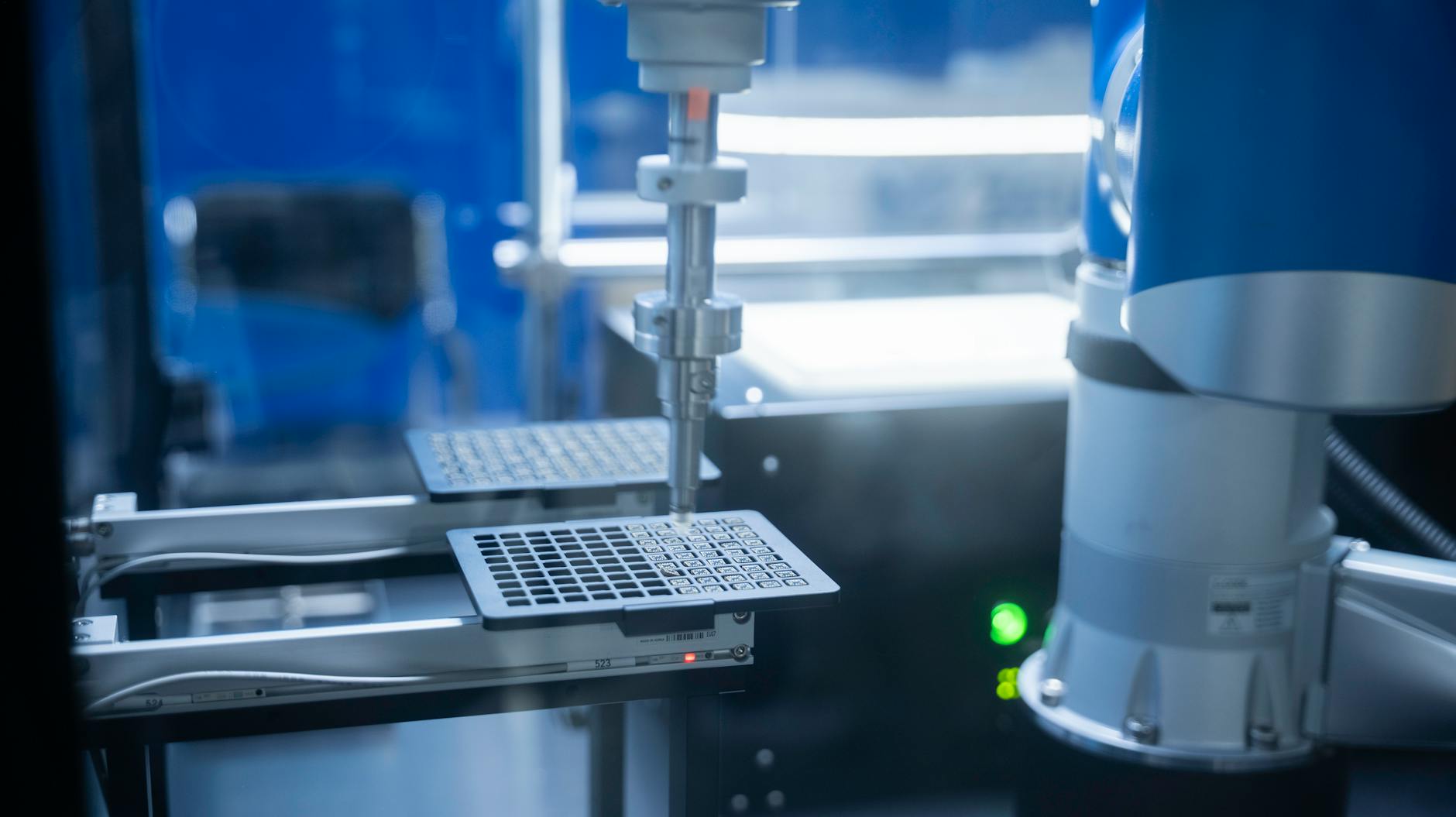
Robotic-assisted prostate cancer surgery has achieved meaningful adoption in the United States, with approximately 70% of prostate removals now performed with robotic assistance. This success is instructive: the procedure is well-defined, outcomes are measurable, and urologists have adopted the technology because it offers real advantages for patient recovery and surgeon ergonomics. This demonstrates that robotics can work in medicine when the clinical case is strong and adoption barriers are manageable. However, even with this success story, the financial returns to investors have been modest compared to other medical device innovations.
Robotic pharmacy systems are another area of meaningful deployment, automating medication dispensing in hospitals and retail pharmacies. These systems are less dramatic than surgical robots but have achieved significant market penetration because the economic case is clear: they reduce medication errors, speed order fulfillment, and lower labor costs. This success suggests that the most profitable MBOT applications may not be the high-profile surgical robots but rather the less glamorous automation of routine medical tasks. Investors pursuing the robotics automation narrative should pay attention to these pragmatic successes rather than betting solely on transformative surgical innovation.
The Uncertain Future and Timeline for Medical Automation Maturity
The next five to ten years will be critical for determining whether MBOT represents genuine market opportunity or overcapitalized hype. Advances in AI, sensor technology, and haptic feedback are real and accelerating, but deploying these innovations safely in medicine takes time. Companies focusing on narrow, well-defined problems—like automated diagnostic imaging analysis or robotic physical therapy—may succeed faster than those pursuing general-purpose surgical robots. The investors and companies that understand this segmentation, rather than chasing the “robotics will replace surgeons” narrative, are likely to achieve better returns.
The path forward likely involves continued human-in-the-loop systems where robots augment rather than replace clinicians, at least for the next decade. Truly autonomous surgical robots may eventually arrive, but their timeline has already slipped multiple times, and the regulatory hurdles remain high. MBOT remains speculative because the outcome is genuinely uncertain, not because the technology doesn’t work. The question is whether robotics automation will mature into a profitable, large-scale segment of medical technology or remain a niche innovation that generates interesting clinical papers but modest financial returns.
Conclusion
MBOT represents a bet on transformative change in medicine through robotics and automation—but one with significant uncertainty around timing, adoption, and return on investment. The technology works in narrow applications, proven by successful systems like da Vinci and robotic pharmacies, but has not achieved the widespread deployment that early advocates predicted. Regulatory, economic, and technical barriers remain substantial, and investors should view promises of rapid scaling with appropriate skepticism given the history of medical robotics timelines slipping.
For those considering MBOT-type investments or adoption decisions, the practical lesson is clear: focus on specific, well-defined clinical or operational problems where robotics demonstrably improves outcomes or reduces costs, rather than betting on general-purpose automation that replaces human expertise. The eventual maturation of medical robotics is plausible and perhaps even likely, but the path there involves longer timelines, higher hurdles, and more modest returns than the speculative narrative suggests. Patience, regulatory attention, and evidence-based adoption criteria will ultimately determine winners in this space.