
Recent discussions about humanoid robot presentations have raised questions about how viewers respond to robots that appear nearly—but not quite—human. The uncanny valley effect describes a psychological phenomenon where robots or animated characters become unsettling to observers when they approach human likeness without quite achieving it, often triggering discomfort rather than acceptance. This tension sits at the center of modern robotics development. Engineers must decide whether to design robots that clearly signal their mechanical nature or pursue near-human appearance, each choice carrying different implications for user trust, acceptance, and practical deployment.
Table of Contents
- What the uncanny valley effect actually is
- Why robotics companies face design tradeoffs
- Current evidence on viewer responses
- What humanoid robot designers consider now
- Practical implications for adoption and trust
- Frequently Asked Questions
What the uncanny valley effect actually is
The uncanny valley isn't a cultural preference or personal taste—it's a documented psychological response documented in human perception research. As a robot becomes more human-like in movement, facial features, or expression, observers feel more comfort and relatability up to a point. But when the robot reaches approximately 80–95% human realism without achieving complete human fidelity, the effect inverts: observers report discomfort, distrust, or aversion.
The response appears tied to our ability to read intent and safety. Human faces and movement patterns carry deep evolutionary significance. A robot that moves almost like a human but lacks subtle coordination creates cognitive discord—our brain recognizes "not quite right" but cannot articulate why, generating unease.
Why robotics companies face design tradeoffs
humanoid form factors offer genuine practical advantages: robots built to human scale fit existing infrastructure, can use tools designed for human hands, and integrate into workplaces without redesign. This efficiency explains why companies pursue humanoid designs despite the uncanny valley risk.
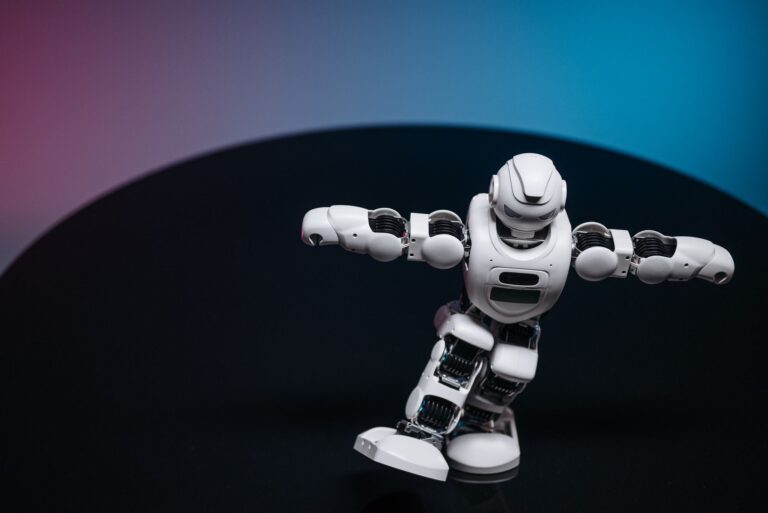
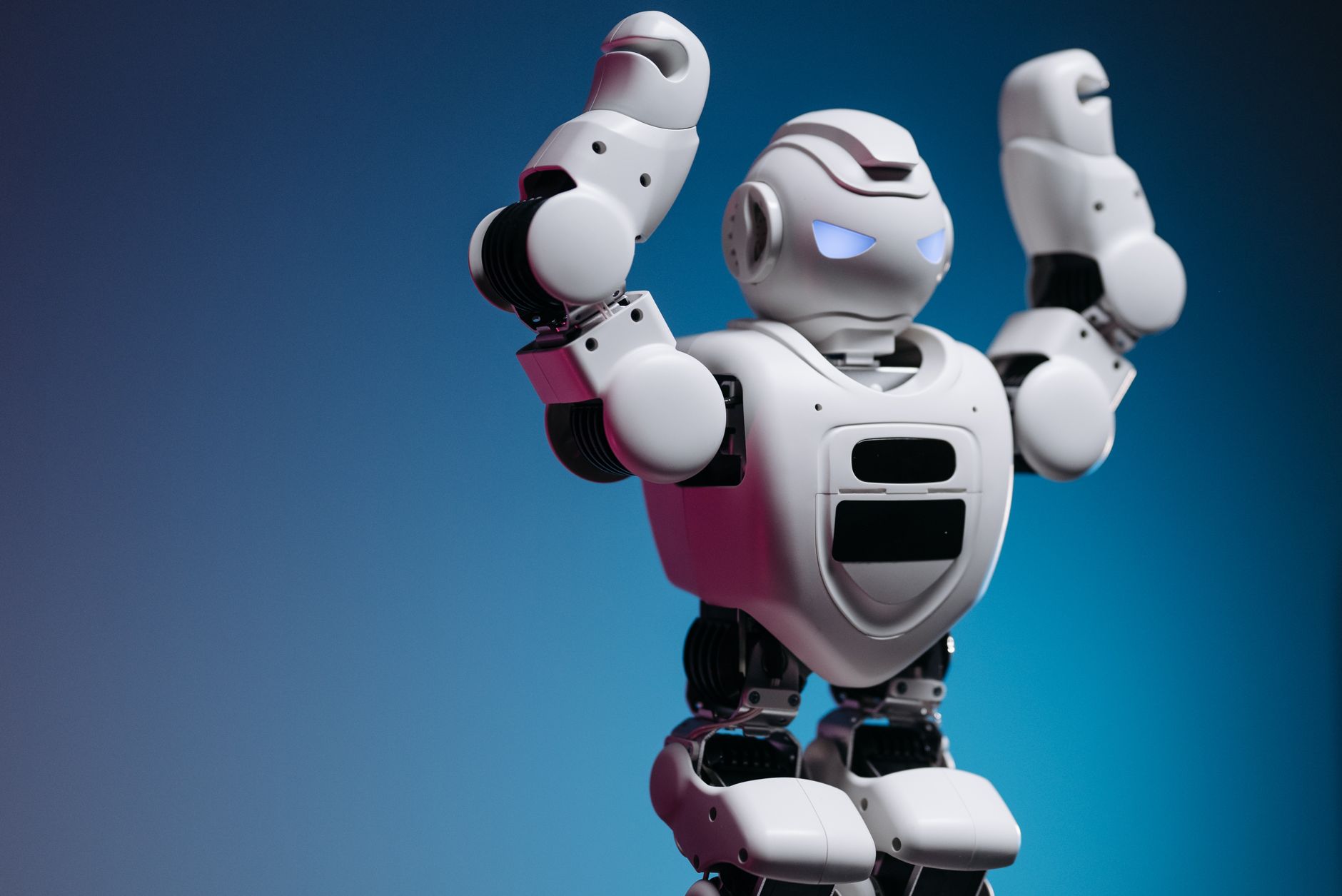
The appearance question becomes a separate choice. Some manufacturers opt for clearly mechanical aesthetics—visible joints, distinct proportions, obvious artificial materials—which sidestep the uncanny valley by making mechanical nature explicit. Others pursue near-human appearance betting that complete human fidelity will resolve discomfort. Most occupy middle ground, seeking "approachable but clearly robotic" designs.
Current evidence on viewer responses
Research on robot acceptance shows cultural variation. Some audiences respond better to clearly robotic designs; others find slightly humanoid robots acceptable. Factors that influence response include task context (a robot performing industrial work faces different acceptance standards than one in elder care), familiarity with robots, and whether the robot's appearance matches observer expectations.
Few large-scale studies track how video presentations specifically influence perception versus in-person encounters. Viewers assessing a robot on screen cannot experience movement in three dimensions, smell, or physical proximity—variables that affect real-world uncanny valley responses. This limits the ability to draw conclusions about field deployment based on video reactions alone.
What humanoid robot designers consider now
Current engineering practice emphasizes transparency about robotic identity in design rather than striving for perfect human mimicry. Robots like Boston Dynamics' Atlas and Tesla's Optimus signal their mechanical nature through proportions, material choices, and movement patterns while maintaining functional humanoid form.
Robotics teams increasingly study the task-specific context. A robot performing surgery might prioritize precision over appearance; a robot assisting older adults might prioritize clear safety signals and predictable behavior over human likeness. Performance and reliability matter more to deployment success than achieving a specific aesthetic standard.
Practical implications for adoption and trust
Workplace and consumer acceptance of robots appears more strongly tied to demonstrated reliability and transparent purpose than to appearance alone. Industrial robots have won broad acceptance despite decidedly mechanical aesthetics.
Conversely, humanoid robots with advanced capabilities sometimes face skepticism if their appearance contradicts their actual abilities. For organizations deploying humanoid robots, engineering the user experience includes clear communication about what the robot can and cannot do, limiting features to reliable capabilities, and designing environments where the robot's mechanical nature becomes obvious through visible operation rather than competing with human appearance cues.
Frequently Asked Questions
Does the uncanny valley effect actually prevent robot adoption in real workplaces?
Real-world adoption depends more on reliability, safety record, and task fit than on appearance. Mechanical-looking industrial robots deployed widely without cultural resistance; humanoid robots face scrutiny tied more to unproven capabilities than to how they look.
Can a robot be "too human" in appearance?
Yes. Robots that approach but miss complete human fidelity consistently trigger higher discomfort in research settings than either clearly mechanical robots or fully convincing digital humans do, though individual responses vary.
Does video viewing trigger the same uncanny valley response as in-person encounter?
Limited research exists. Video removes three-dimensional movement, spatial presence, and sound quality—variables that affect perception. A robot appearing unsettling on video may read differently in person, or vice versa.