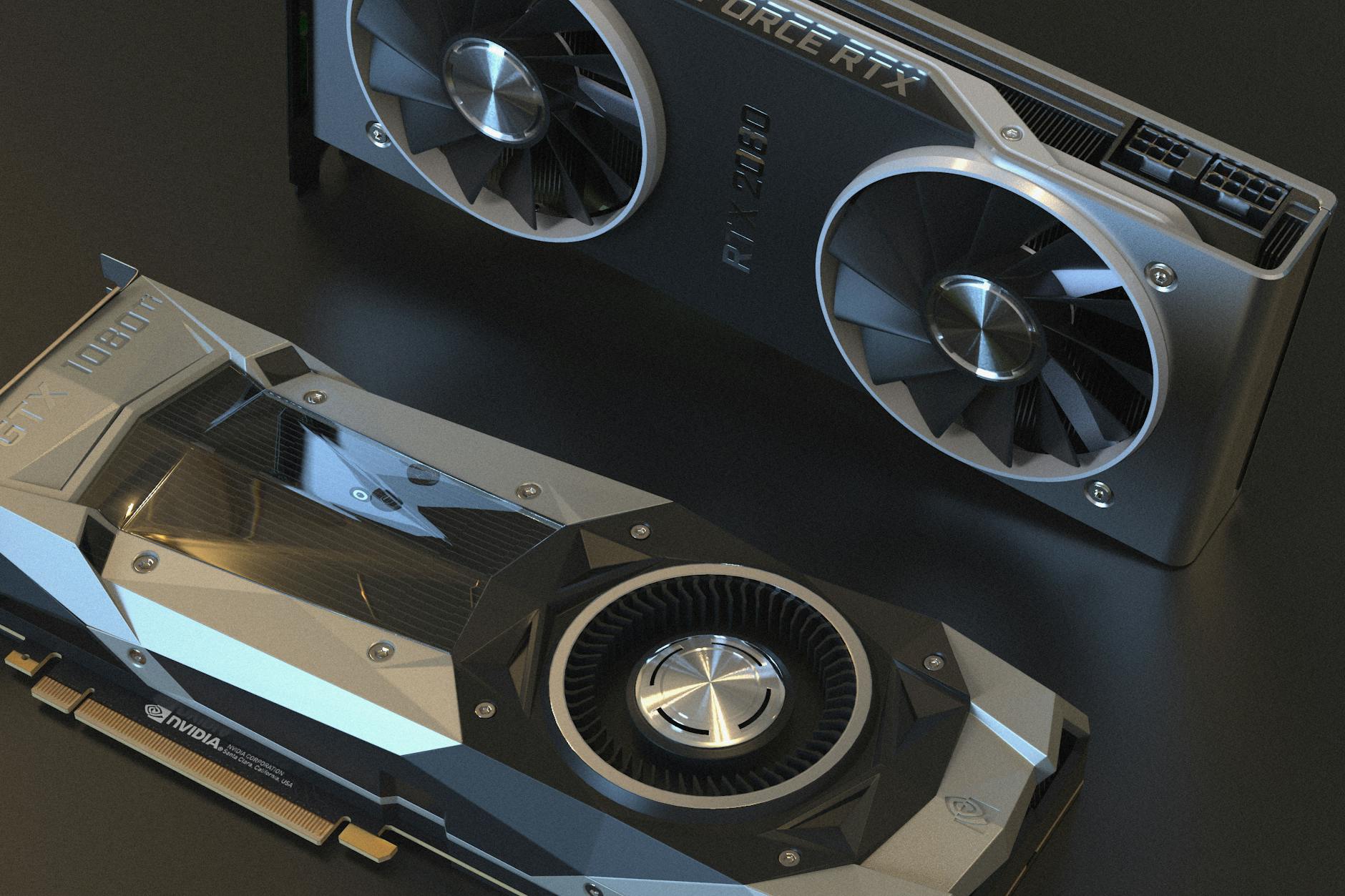

PATH Robotics has emerged as a leading contender for what industry observers have called “the Nvidia of digital workers”””a company building the foundational AI infrastructure that could power the next generation of robotic automation, much as Nvidia’s GPUs became essential to artificial intelligence computing. The Columbus, Ohio-based company develops AI-powered welding robots that can teach themselves to weld without traditional programming, addressing one of manufacturing’s most persistent labor shortages. Unlike conventional robotic systems that require extensive programming for each new task, PATH’s systems use computer vision and machine learning to adapt in real time, effectively creating a platform approach to skilled robotic labor. The comparison to Nvidia isn’t merely aspirational marketing.
Nvidia transformed from a graphics card company into the essential infrastructure provider for AI by creating hardware and software that developers across industries could build upon. PATH appears to be pursuing a similar strategy in physical automation””building proprietary AI systems that could eventually extend beyond welding to become a general platform for robotic dexterity in manufacturing environments. The company has attracted significant venture capital backing, with funding rounds reportedly reaching hundreds of millions of dollars from investors betting on this infrastructure play. However, readers should note that specific funding figures and valuations may have changed since available reports, and the company’s trajectory in a competitive market remains subject to considerable uncertainty. This article examines PATH’s technology and market position, explores the validity of the Nvidia comparison, analyzes the competitive landscape, and considers whether the “digital worker” platform thesis can succeed in the fragmented world of manufacturing automation.
Table of Contents
- What Makes PATH Comparable to Nvidia in the Robotics Space?
- The Welding Labor Crisis Driving PATH’s Growth
- How PATH’s Technology Differs From Traditional Robotic Welding
- The Platform Strategy Behind PATH’s Valuation
- Competition and Challenges in AI-Powered Manufacturing
- Manufacturing’s Adoption Curve for Autonomous Systems
- Where PATH and AI Welding May Be Heading
- Conclusion
What Makes PATH Comparable to Nvidia in the Robotics Space?
The Nvidia comparison rests on a specific business model parallel: both companies aim to provide essential enabling technology that others build upon rather than competing directly in end applications. Nvidia doesn’t make self-driving cars or run data centers””it provides the computational infrastructure that makes those applications possible. Similarly, PATH’s core proposition isn’t just selling welding robots but developing AI systems that could theoretically enable autonomous operation across multiple manufacturing processes. PATH’s welding systems reportedly use proprietary machine learning models trained on vast datasets of welding operations. The robots can allegedly interpret CAD drawings, assess the physical workpiece through computer vision, and execute welds without manual programming of each path.
This represents a fundamental shift from traditional industrial robotics, where skilled programmers must define every movement. If the technology works as described, it essentially commoditizes the programming expertise that currently limits robotic deployment, much as Nvidia’s CUDA platform commoditized parallel computing programming. However, the comparison has important limitations. Nvidia benefits from the fundamental physics of parallel processing””GPUs are architecturally suited to AI workloads in ways that create genuine technical moats. Whether PATH’s software advantages are equally defensible against well-funded competitors remains an open question. Companies like FANUC, ABB, and emerging startups are all pursuing AI-enabled robotics, and the manufacturing space has historically resisted platform monopolies due to its fragmented, application-specific nature.

The Welding Labor Crisis Driving PATH’s Growth
PATH’s market opportunity stems from a genuine crisis in skilled manufacturing labor. The American Welding Society has historically projected significant welder shortages in the United States, with experienced welders aging out of the workforce faster than new workers enter the trade. Similar shortages exist across most industrialized nations. Welding is physically demanding work, often performed in uncomfortable conditions, and requires years of training to master””all factors that have contributed to declining interest among younger workers. This shortage creates acute pain for manufacturers. Companies reportedly wait months to fill skilled welding positions, and production schedules suffer accordingly.
The economic incentive to automate isn’t merely about labor cost reduction””it’s about accessing labor capacity that simply doesn’t exist. PATH’s systems reportedly allow manufacturers to deploy welding capability without finding scarce human welders, which changes the automation calculus from “cheaper than humans” to “available when humans aren’t.” The limitation here involves the types of welding PATH can address. High-mix, low-volume manufacturing””producing many different parts in small quantities””has traditionally resisted automation because programming costs couldn’t be justified for short production runs. PATH claims its AI eliminates this barrier, but the technology’s effectiveness likely varies by application. Highly complex assemblies, unusual materials, or quality-critical aerospace and medical applications may still require human expertise that current AI cannot replicate. Manufacturers considering such systems should carefully evaluate whether their specific applications fall within the technology’s capable range.
How PATH’s Technology Differs From Traditional Robotic Welding
Traditional robotic welding systems require skilled programmers to define exact torch paths, speeds, and parameters for each weldment. This programming process can take hours or days, even for experienced technicians. The robot then executes these instructions precisely and repeatedly””ideal for automotive production lines making thousands of identical parts but impractical for job shops producing diverse, low-quantity work. PATH’s approach reportedly inverts this model. The system ingests CAD data and uses computer vision to assess the actual physical workpiece, accounting for variations in fit-up, material positioning, and surface conditions.
Machine learning models then determine appropriate welding parameters and torch paths autonomously, theoretically allowing the robot to weld parts it has never seen before without human programming intervention. This represents a shift from automation (precisely repeating programmed instructions) toward autonomy (making decisions based on sensed conditions). The real-world implications vary by manufacturing context. For high-volume production, traditional programmed robotics remains highly effective””the programming investment amortizes across thousands of parts, and precise repeatability is valued. PATH’s advantage emerges in environments with part variety, where programming costs previously made automation uneconomical. Job shops, heavy equipment manufacturers, and custom fabricators represent the natural initial market, though expanding into high-volume applications could require demonstrating quality and reliability matching established solutions.

The Platform Strategy Behind PATH’s Valuation
Venture investors have reportedly valued PATH at levels suggesting they see platform potential beyond welding. The strategic logic mirrors Nvidia’s evolution: develop sophisticated AI capabilities for one application, then extend that foundation to adjacent domains. In PATH’s case, welding serves as the proving ground for robotic perception and manipulation technologies that could eventually address machining, assembly, painting, inspection, and other manufacturing processes. This platform thesis explains valuations that might seem disconnected from current revenue. Investors aren’t simply valuing a welding robot company””they’re betting on the possibility that PATH becomes essential infrastructure for manufacturing autonomy broadly.
If successful, this would create the switching costs and ecosystem effects that characterize truly defensible technology businesses. Manufacturers using PATH’s AI platform for welding might naturally extend to PATH’s machining or assembly solutions rather than integrating different vendors’ incompatible systems. The tradeoff involves focus versus breadth. Platform companies often succeed by achieving dominance in one domain before expanding, but manufacturing’s diversity may require different approaches for different processes. Welding expertise doesn’t automatically transfer to precision machining or delicate assembly. PATH must either develop deep capability across multiple domains””requiring significant capital and talent””or accept being one of several specialized providers rather than the dominant platform player its valuation implies.
Competition and Challenges in AI-Powered Manufacturing
PATH operates in an increasingly competitive landscape. Established industrial automation giants””FANUC, ABB, KUKA, Yaskawa””are all investing in AI capabilities for their robotic platforms. These incumbents have installed bases, service networks, and customer relationships that startups cannot easily replicate. They also have decades of manufacturing-specific expertise that informs practical system design in ways that pure software innovation may not address. Several venture-backed competitors are pursuing similar visions. Companies including Machina Labs, Rapid Robotics, and Formic are approaching manufacturing automation with various AI-enabled strategies.
Some focus on specific processes, others on deployment models like robotics-as-a-service. The market is far from winner-take-all, and historical patterns suggest manufacturing technology often fragments rather than consolidates around single platforms. Even in the Nvidia comparison, AMD and Intel remain meaningful competitors despite Nvidia’s dominance. The warning for observers and potential customers: being an innovative technology leader doesn’t guarantee commercial success. The history of robotics includes numerous technically sophisticated companies that failed to achieve sustainable businesses. PATH’s challenge involves not just advancing AI capability but building sales channels, service operations, applications engineering resources, and customer support infrastructure that manufacturing customers require. The company’s ability to execute on these operational necessities will likely matter as much as its technological advantages.
Manufacturing’s Adoption Curve for Autonomous Systems
Manufacturing tends toward cautious technology adoption, particularly for processes affecting product quality or worker safety. Welding directly impacts structural integrity in many applications, creating understandable reluctance to trust AI systems with critical quality decisions. PATH and similar companies must demonstrate reliability and consistency across diverse conditions to earn manufacturer confidence. Early adopters have reportedly included companies facing acute labor shortages or producing high-variety, low-volume work where traditional automation was impractical.
These customers accept some uncertainty in exchange for accessing otherwise unavailable capability. Broader adoption will likely require demonstrated track records, industry certifications, and reference customers that reduce perceived implementation risk. The adoption pattern may resemble enterprise software more than consumer technology””slow initial penetration with gradual acceleration as proof points accumulate. Manufacturers will likely want to see PATH’s systems operating successfully at similar companies, producing comparable products, before committing their own operations. This creates a chicken-and-egg challenge that venture funding helps bridge but cannot entirely solve.
Where PATH and AI Welding May Be Heading
Looking forward, the trajectory of companies like PATH depends heavily on factors beyond their direct control. Continued labor shortages, reshoring of manufacturing to high-cost countries, and quality demands that favor automation all support the thesis. Economic downturns, technical setbacks, or successful responses from incumbent competitors could alter the landscape considerably.
The broader question involves whether manufacturing will consolidate around AI platforms in the way enterprise software consolidated around cloud infrastructure. PATH’s investors are betting yes””that the complexity and cost of developing manufacturing AI will create durable advantages for early leaders. Skeptics note that manufacturing’s physical diversity may resist such consolidation, with different industries and applications continuing to require specialized solutions. The outcome will likely emerge over years rather than months, making current predictions necessarily speculative.
Conclusion
PATH Robotics represents one of the most ambitious attempts to create platform infrastructure for manufacturing automation, and the Nvidia comparison captures the strategic aspiration if not yet the market reality. The company’s AI-powered welding systems address genuine labor shortages through technology that eliminates traditional programming barriers, potentially expanding robotics into applications previously considered unautomatable. Whether PATH achieves the market dominance its platform thesis requires remains uncertain.
Competition from incumbents and startups, the challenges of manufacturing diversity, and normal startup execution risks all create meaningful obstacles. Observers and potential customers should evaluate the technology based on specific application requirements rather than broad strategic narratives. The “Nvidia of digital workers” vision is compelling, but manufacturing has historically humbled companies promising transformative platforms. PATH’s coming years will reveal whether its approach can translate technological sophistication into the market position that comparison implies.