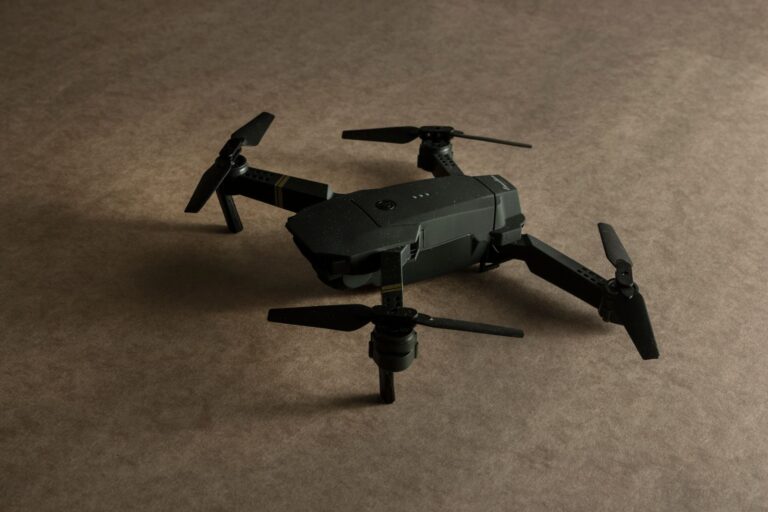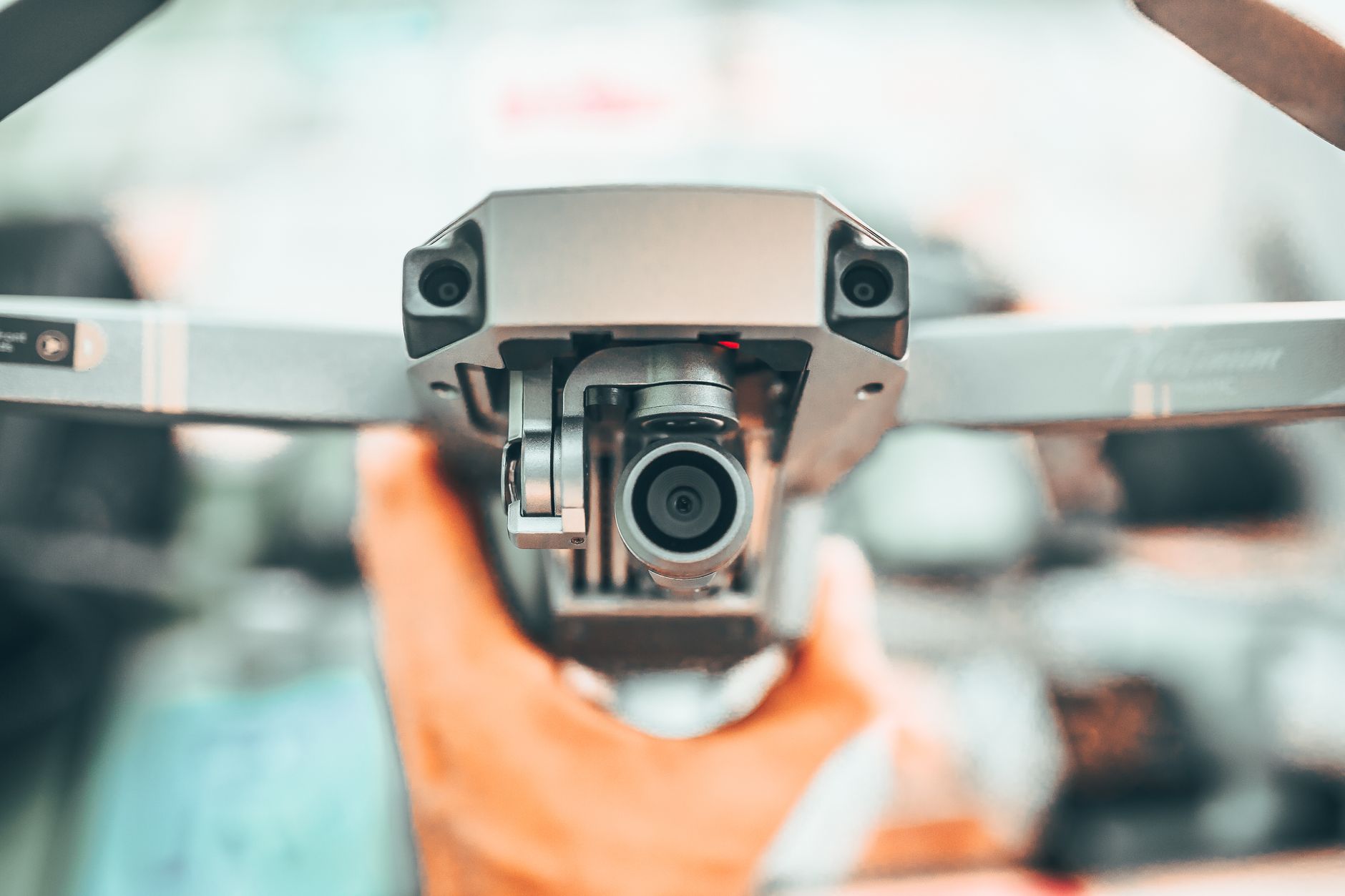

Federal prosecutors have dismantled what the Department of Justice describes as the largest and most sophisticated drone-based contraband smuggling operation ever prosecuted in the U.S. prison system. On June 24, 2026, a federal grand jury in the Middle District of Georgia unsealed an indictment against twelve defendants involved in a sprawling criminal enterprise that used six remotely operated aircraft to deliver drugs, weapons components, and communications devices into ten federal prisons across eight southern states over a span of nearly three years. The scale of the operation demonstrates how rapidly drone technology has evolved as a tool for criminal activity.
From September 2023 through May 2026, the smuggling network conducted at least 38 confirmed contraband deliveries using automated aircraft to reach correctional facilities spread across a region stretching from West Virginia to Louisiana and Mississippi. The sheer logistics of coordinating multiple drone flights across state lines, evading prison detection systems, and managing ground operations at ten separate locations reveals the operational complexity that has become possible with commercially available and modified unmanned aerial systems. The ringleader of the operation, Ira Christopher Jackson, 42, of Macon, Georgia, allegedly coordinated the entire network from a property his associates called “the lab,” where the drones were maintained and launch operations were planned. This case marks a watershed moment in understanding how automation and remote-control technology have expanded the operational envelope for criminal enterprises operating at scale.
Table of Contents
- How Drones Became the Delivery Infrastructure for Federal Prison Smuggling
- The Contraband Portfolio and What It Reveals About Prison Vulnerabilities
- Detection Technology and the Limits of Current Counter-Drone Systems
- Coordination Infrastructure and the Operational Complexity of Distributed Smuggling
- Why Drone Smuggling Presents Unique Investigative and Security Challenges
- How Technology Scaling Enabled the Network to Expand
- What the Case Reveals About Prison Security Technology and Drone Threats
How Drones Became the Delivery Infrastructure for Federal Prison Smuggling
The use of drones for prison contraband delivery represents a fundamental shift in prison security challenges. Prison administrators have traditionally focused on interdicting contraband at visiting areas, mail rooms, and perimeter fences, but unmanned aerial systems bypass these choke points entirely by delivering directly into prison yards and recreation areas from above. A drone capable of carrying a modest payload can cover several miles of open terrain in minutes, making it exponentially harder to predict or intercept than traditional smuggling methods involving corrupt staff or visitor-concealed contraband.
The six drones involved in this operation operated with enough sophistication and range to service facilities separated by hundreds of miles. According to prison officials, the drones were identified through Bureau of Prisons detection systems that tracked not just flight patterns but also the specific make and model information of the aircraft being deployed. This level of detection capability indicates that federal prisons have begun deploying counter-drone technology similar to what airports and military installations use, though the widespread availability of drones in the commercial market continues to present resource challenges for detection systems that must monitor airspace over sprawling prison complexes.
The Contraband Portfolio and What It Reveals About Prison Vulnerabilities
The materials moved through this smuggling network expose multiple vulnerabilities in prison security infrastructure. Methamphetamine and marijuana represent traditional drug contraband, but the inclusion of suboxone—an opioid treatment medication that has street value in prisons—reveals how criminal enterprises exploit prison-specific supply gaps. K-2, a synthetic cannabinoid, typically has higher dollar value per unit of weight than plant-based marijuana, making it a rational economic choice for drone delivery given payload constraints. The inclusion of cell phones in the contraband stream is particularly significant because it enables inmates to conduct business operations, coordinate escapes, and threaten witnesses from inside facilities that are supposed to be secure. Saw blades specifically described as “designed for use as weapons and to facilitate prison escapes” indicate that the operation was not merely supplying comfort items or drugs, but actively supporting infrastructure for violence and escape attempts.
This distinction matters to prison security policy because it demonstrates that the operation posed a direct threat to institutional stability and staff safety, not just inmate welfare. The variety of contraband types suggests the network operated on a fulfillment model rather than moving a single commodity. Different inmates may have placed different requests, and the operation’s infrastructure supported delivering across that spectrum. This approach maximizes market penetration within the facility but requires more complex logistics—more suppliers to source different product categories, more communication channels to take orders, and more coordination overhead. The fact that such an operation remained viable across 32 months and ten locations indicates that the profit margins and supply-side demand were substantial enough to support that complexity.
Detection Technology and the Limits of Current Counter-Drone Systems
The Bureau of Prisons employs drone detection systems that can identify both aircraft presence and specific technical characteristics—make, model, and launch location data. This capability differs from simple motion sensors or radar in that it provides forensic information useful for investigation and prosecution. The detection systems successfully identified flights often enough to establish patterns that led law enforcement to the operation’s hub locations and personnel. However, the operation’s ability to conduct 38 confirmed deliveries despite the presence of detection systems suggests fundamental limitations in current counter-drone technology. Detection capability does not automatically translate to interdiction capability.
A system that identifies a drone in flight may lack the means to disable it quickly enough to prevent payload delivery into a large prison yard, particularly if the aircraft is small enough to navigate complex terrain or weave between buildings. Some counter-drone systems operate by jamming radio signals, but sophisticated drone operators can use autonomous flight paths that minimize real-time communication requirements, reducing the effectiveness of jamming-based defenses. The geographic distribution of the ten targeted prisons across multiple states also illustrates a detection challenge: no single facility manages a unified airspace. Drones can approach from outside prison property, execute a delivery, and depart within a window that may be too narrow for response. Federal prisons typically occupy hundreds of acres of grounds, and the perimeter is monitored primarily for human intrusion, not low-altitude aircraft incursions. Each facility’s detection system operates independently, meaning an operator who shifts between targets can stay ahead of pattern-based enforcement responses.
Coordination Infrastructure and the Operational Complexity of Distributed Smuggling
The operation required a ground team at each of the ten prison locations, supply chains for sourcing contraband, communication channels to coordinate drops with inmates, drone pilots or operators trained on each aircraft, and management oversight from Jackson’s central location. From a pure operational-management standpoint, this enterprise resembles a small logistics company, complete with distributed facilities, inventory management, and customer fulfillment requirements. The alleged use of a central property nicknamed “the lab” for drone maintenance and coordination demonstrates how even criminal operations benefit from dedicated infrastructure. The facility would have housed spare parts, charging equipment for batteries, repair tools, and documentation of flight logs and payload weights—all the operational overhead that comes with maintaining a small fleet of aircraft.
The fact that prosecutors identified this location and that it apparently contained evidence sufficient to support the indictment of twelve individuals suggests that federal law enforcement identified the hub relatively early in the investigation, then worked backward to map the peripheral operations. Compared to traditional prison smuggling routes that rely on corrupt corrections officers or visitor collusion, drone-based operations eliminate certain intermediaries but create new vulnerabilities. A corrupt officer might maintain cover through plausible deniability, but a drone pilot standing outside a prison fence with control equipment has limited cover for their activities. Once law enforcement identifies drone flights and begins surveilling the launch areas, the operation becomes traceable to specific individuals and vehicles.
Why Drone Smuggling Presents Unique Investigative and Security Challenges
The primary investigative advantage law enforcement gained came from the detection systems themselves, which provided timestamps, flight characteristics, and landing zone data. However, for prison facilities without current counter-drone systems or in regions where detection capability is limited, identifying an ongoing drone smuggling operation may require months of pattern analysis or informant reports. The sophistication of this particular operation—with 38+ confirmed successful deliveries—demonstrates that detection systems, even when operational, do not necessarily halt activity, they merely generate evidence for after-the-fact prosecution. A significant limitation in addressing drone threats is the absence of a unified national airspace monitoring system for low-altitude unmanned flights. Commercial aircraft are tracked by air traffic control systems, but small drones operating below 400 feet in rural or semi-rural areas near prisons exist in a blind spot.
The detection systems deployed at federal prisons can identify drones in the immediate vicinity, but they cannot track where those drones came from or anticipate future flight paths. This reactive posture means the prison’s only advantage is awareness of an attempt after it has occurred. The investigation’s success in identifying Jackson’s operation relied on sustained law enforcement effort across multiple jurisdictions. The indictment unsealed on June 24, 2026, naming twelve defendants, suggests a grand jury process lasting months. For operational security lessons, the case illustrates that large criminal enterprises leave documentary trails—communications, financial transactions, witnesses—that eventually become evidence. A smaller, more disciplined operation with fewer participants and tighter communication might have avoided detection longer, but the profit potential from supplying ten separate facilities apparently made the larger operation economically rational despite the increased risk.
How Technology Scaling Enabled the Network to Expand
The operation scaled its activities across eight southern states by using a replicable technology platform: commercially available drones with sufficient payload capacity and range to service multiple prison facilities. A drone capable of carrying several pounds of cargo at flight distances of two to five miles can cover most rural prison properties from concealed launch locations outside the perimeter. Once the initial setup worked at one facility, the same technology and operational model could be adapted to additional targets with minimal modification.
The use of six drones provides redundancy—if one aircraft is damaged or lost, the operation continues. This approach resembles how legitimate logistics companies maintain backup equipment. The fact that the network sustained operations from September 2023 through May 2026 with only the drone detection systems available to counter it indicates that the profit margins and supply-side demand were sufficient to justify the investment in equipment, personnel, and coordination overhead across the entire region.
What the Case Reveals About Prison Security Technology and Drone Threats
The characterization of this operation as “the most sophisticated and sprawling criminal enterprise using drones to introduce contraband into the federal prison system ever charged” reflects both the scale of the smuggling network and the relative recency of systematic drone interdiction efforts in prison security. The Bureau of Prisons’ ability to detect, track, and generate forensic evidence about drone flights represents a significant security investment, yet the operation succeeded 38 times before being dismantled, suggesting that detection alone is insufficient without corresponding interdiction capability.
The identification of twelve defendants and the geographic spread of the operation across ten federal prisons in eight states demonstrates that drone-based smuggling has evolved from isolated incidents into a systematic criminal enterprise. The involvement of multiple participants at different locations indicates organizational structure and division of labor typical of distribution networks. For prison administrators evaluating counter-drone technology, this case provides concrete evidence that while detection systems generate valuable investigative leads, they must be paired with rapid-response capabilities to prevent payload delivery, clear documentation of airspace restrictions, and coordination between facilities to identify patterns across the federal prison system.