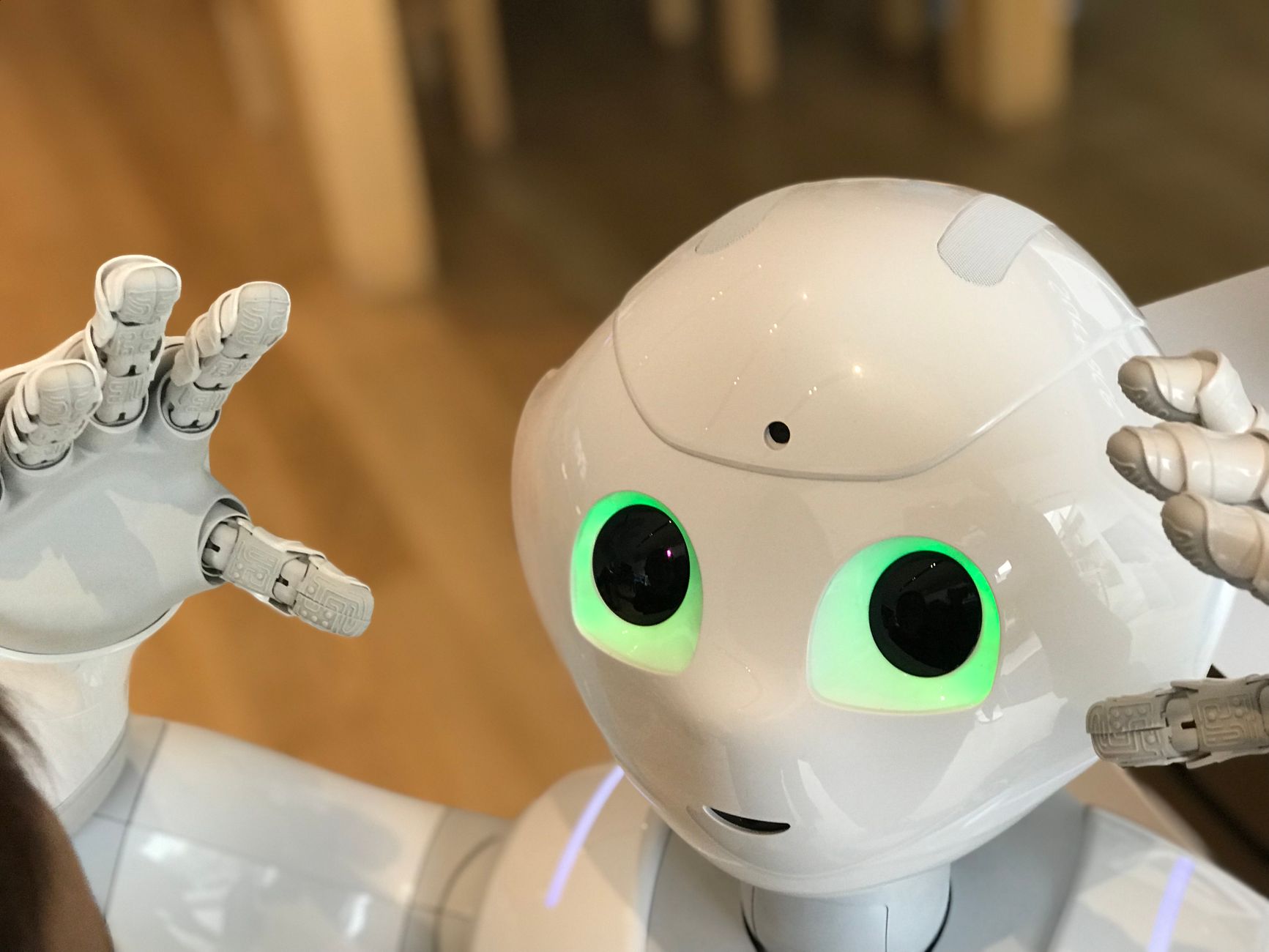

Pudu Robotics' rapid growth means service robots have shifted from trials to large-scale operation, with cleaning as the proven starting point. For operators, that means wider product choice, stronger service networks, and clearer payback in hotels, restaurants, and hospitals. Pudu Robotics makes commercial service robots for delivery, cleaning, and hospitality tasks. Gasgoo reported that the company more than doubled revenue in 2025 while reaching near break-even EBITDA, alongside cumulative shipments above 120,000 robots to more than 40,000 customers in 80-plus countries.
Table of Contents
- How large is Pudu's lead?
- Where does growth come from?
- What comes after delivery and cleaning?
- What should buyers do now?
How large is Pudu's lead?
Counterpoint Research ranked Pudu No. 1 worldwide in 2025 for commercial-cleaning-robot shipments and revenue, in a market above 50,000 units and $400 million. That position is described in Counterpoint Research's global ranking announcement. Frost and Sullivan also ranked Pudu No.
1 globally across four commercial-service-robotics dimensions. It credited the company with about 23-25% share of shipments and revenue. The installed base gives buyers more reference sites and more operating data. It also pushes rivals to compete on service, software, and price.
Where does growth come from?
Overseas markets supplied over 80% of revenue for multiple years, according to Frost and Sullivan reporting republished by TipRanks and Gasgoo. Cleaning robots supplied over 70% of revenue in the same period. That mix ties Pudu's fate to foreign hospitality and cleaning buyers.
Growth will rise or slow with hotel, restaurant, and hospital budgets. The April 2026 round of nearly 1 billion yuan, led by Longgang Financial Holding and Ya Capital, lifted valuation above 10 billion yuan. Gasgoo reported the funds are earmarked for research and global expansion.
What comes after delivery and cleaning?
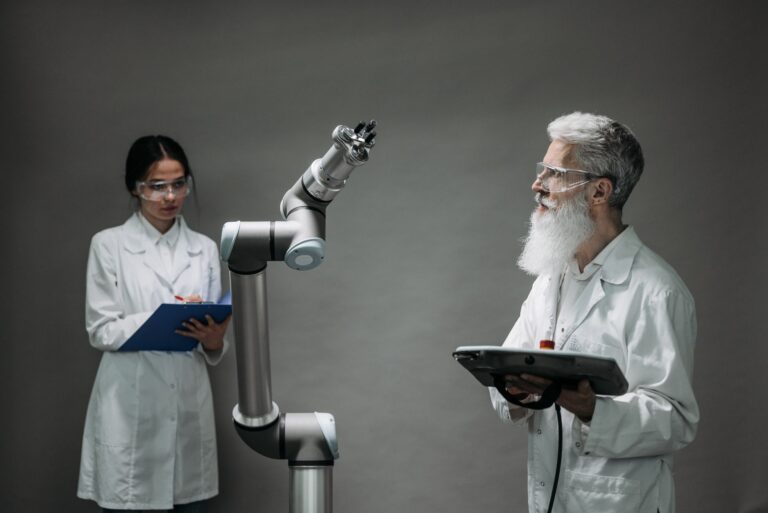
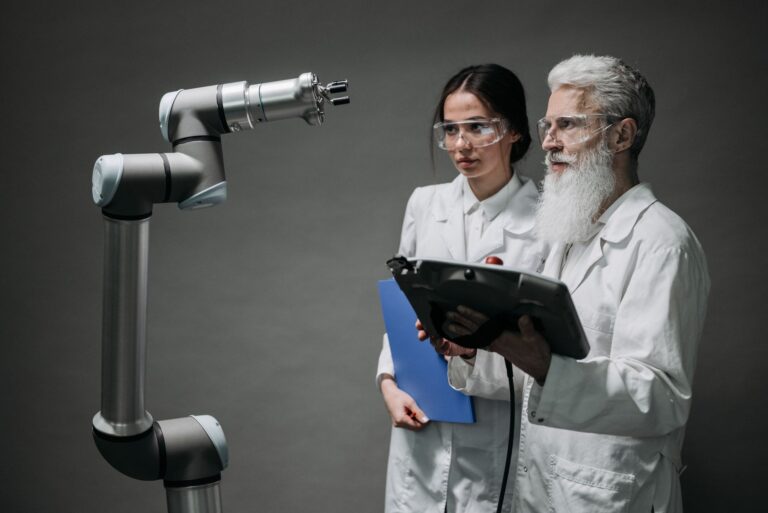
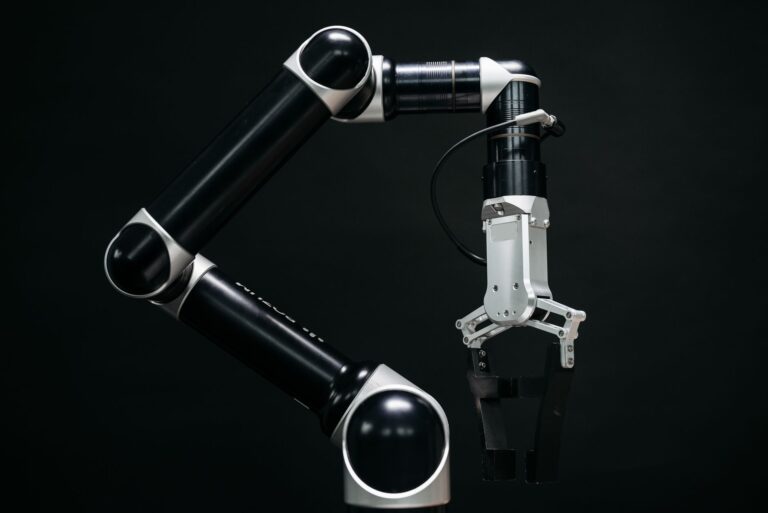
Pudu unveiled FlashBot Arm on March 31, 2025, according to the company. The semi-humanoid service robot carries two 7-degree-of-freedom arms. Target uses include hotels, restaurants, hospitals, and retail.
Arms add grasping and handling to mobile delivery bases. For buyers, that means more complex tasks may move to robots. It also means higher demands for safety checks, staff training, and workflow design.
What should buyers do now?
Start with cleaning where results are proven, then test handling tasks in one site. Compare labor savings, uptime, and support response before wider rollout. Pudu opened a Dallas U.S. headquarters in April 2026 to speed Americas sales and support, as described in the company's U.S. headquarters announcement.
U.S. hotels, restaurants, and hospitals gain a practical contact for trials and service. Counterpoint estimates commercial-cleaning-robot penetration remains below 10%. Most facilities still rely on manual labor, so early buyers can still gain an edge. CEO Zhang Tao said Pudu is preparing a Hong Kong listing and studying overseas manufacturing, with no HKEX filing confirmed.
- Map one repetitive route for delivery or scrubbing
- Ask for local service coverage and spare parts
- Track hours saved, missed runs, and staff time
- Review door, elevator, and layout fit