
A planetary rover is a wheeled vehicle that drives across alien ground to study many sites. A humanoid space robot copies the human body to work with tools and controls made for astronauts. Rovers act as mobile laboratories, while humanoids act as crew assistants. Your choice depends on location: open terrain favors wheels, while cabins, ladders and panels favor hands.
Table of Contents
- How Rovers Explore the Surface
- What Humanoids Do in Space
- Why Body Shape Decides the Job
- Which Limits Should You Plan For
How Rovers Explore the Surface
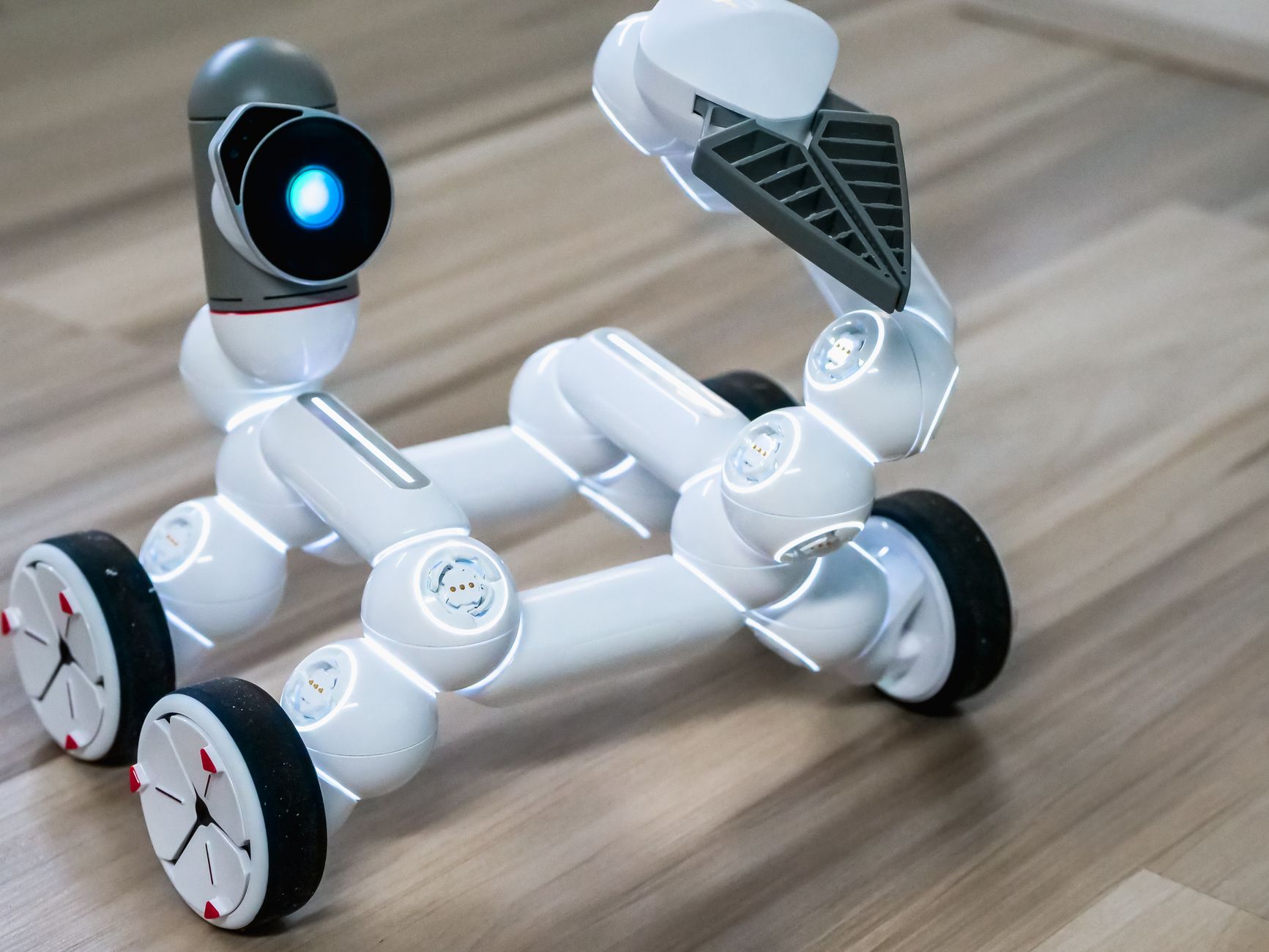
NASA JPL lists the car-sized Perseverance at about 10 feet long, 9 feet wide and 7 feet tall in its Perseverance press kit. A stationary lander stays at one spot, while this type of vehicle drives between sites. NASA Science lists seven instruments plus a 7-foot arm for sampling. The arm carries a drill, imagers and spectrometers to search for ancient microbial life and cache rocks.
NASA JPL Robotics describes six aluminum wheels on a rocker-bogie suspension in its mobility description. The design spreads weight evenly and limits tilt on rough ground. Top wheel speed is only 4.2 centimeters per second. Plan for slow traverses and strict terrain limits.
What Humanoids Do in Space
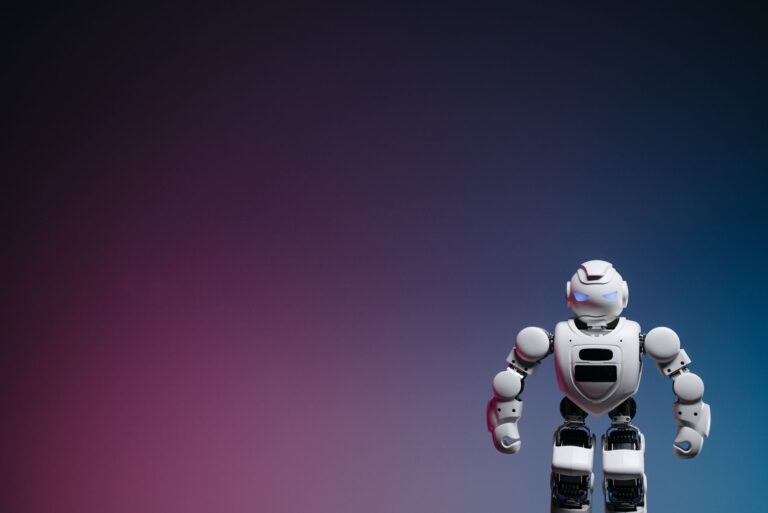
NASA built Robonaut 2 as a 300-pound head-and-torso robot with two human-like arms and hands. It became the first humanoid in space after launching to the International Space Station on STS-133 in February 2011, as described in the NASA Robonaut mission record. Teleoperated tests had it flipping switches, turning knobs, pressing buttons and handling tools.
The job was crew assistance, not surface travel. NASA lists its later Valkyrie humanoid at 6 feet 2 inches and 290 to 300 pounds in the NASA R5 technology page. It is bipedal, fully electric and has 44 degrees of freedom. It is built to use human tools and climb ladders in degraded human-engineered settings.
Why Body Shape Decides the Job
Wheels suit long surface surveys and repeated sampling stops. Legs and dexterous hands suit doors, rails, buttons and confined work areas. A rover carries laboratory instruments to the rock. A humanoid brings human motion to the machine interface.
MIT CSAIL reported NASA's approach for humanoids as precursor and assistant work. Tasks include maintenance, cleaning, experiment setup and hazardous jobs before or alongside astronauts. Human shape matters because spacecraft are already built for people. It avoids redesign of handles, seats and panels.
Which Limits Should You Plan For
Rover range is broad, but movement is slow and terrain-bound. Steep slopes, loose soil and large rocks still block routes. Science output depends on drive time, power and safe parking for arm work.
Humanoids remain experimental testbeds rather than operational crew. Only three Valkyrie prototypes were built, according to Smithsonian and university reports. Robonaut 2 operated on the space station during 2011 to 2018. Neither type replaces astronauts for complex field decisions.