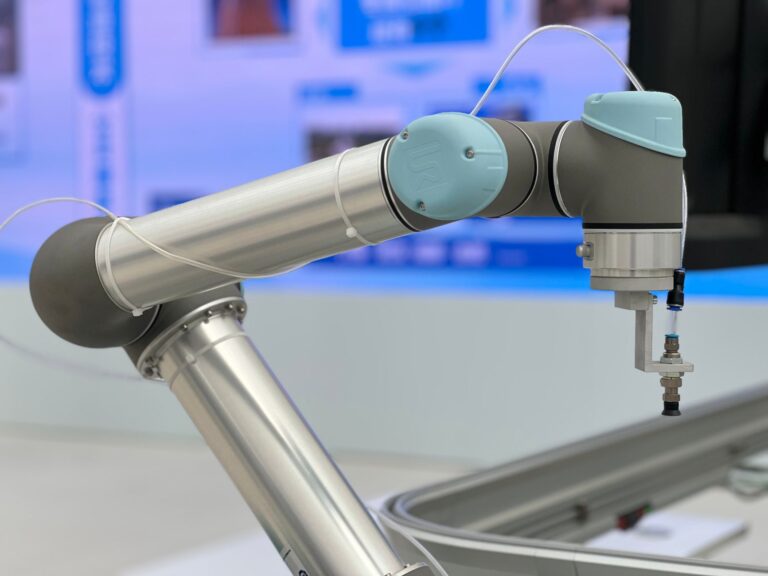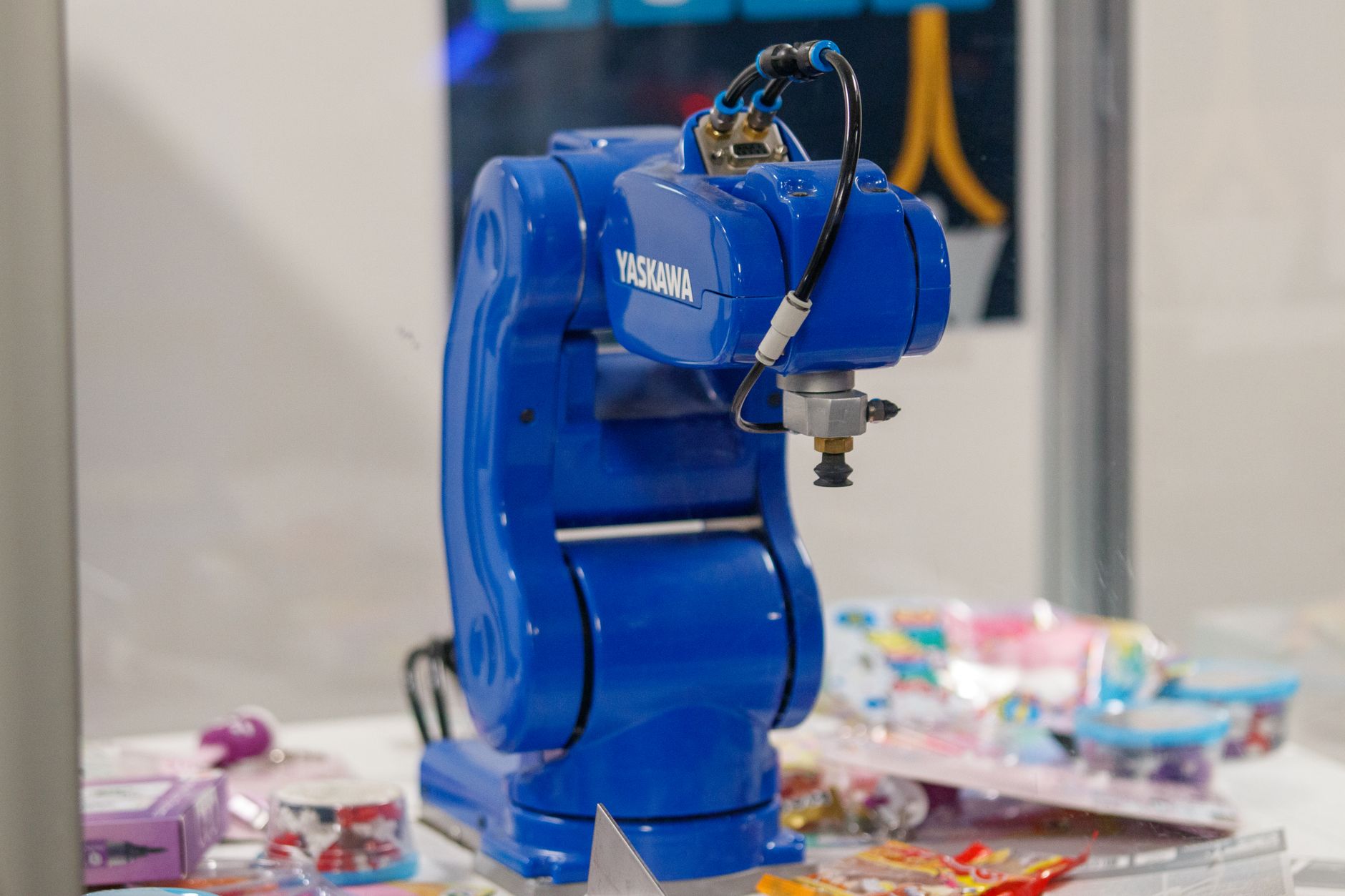

Robot simulation safety means identifying physical hazards, applying robot safety standards, and keeping trained human oversight over both virtual tests and real operation. Robot simulation is virtual rehearsal of robot tasks before running them on real hardware. Use it to find crushing, collision, and failure risks early, then prove controls on the final cell. This guide shows what to check, which rules apply, and how to keep people in control.
Table of Contents
- What hazards must you map first?
- Which standards govern the robot and the cell?
- How do collaborative operations stay safe?
- Why can simulation not prove safety alone?
- How do you keep human oversight practical?
What hazards must you map first?
Industrial robot systems can cause mechanical impact, crushing, electrical shock, high-pressure fluid rupture, and environment-related harm. The U.S.
OSHA Technical Manual directs employers to identify all hazard sources before operation, as described in OSHA hazard guidance. A useful hazard review covers programming, startup, normal operation, maintenance, and likely human error. It also covers power loss, control malfunction, unexpected motion, and access by nearby workers.
- Check impact, trapping, and pinch points through the full motion envelope.
- Check electrical, stored energy, hydraulic pressure, heat, noise, and fumes.
- Check fixtures, tooling, workpieces, guards, and emergency-stop reach.
- Check who can enter, when, and what the robot does if they do.
Which standards govern the robot and the cell?
The International Organization for Standardization splits duties between two 2025 standards, detailed in the ISO catalogue entry. ISO 10218-1 covers safe design and risk reduction of the robot itself. ISO 10218-2 covers integration, commissioning, operation, maintenance, and decommissioning of the complete application and cell. In the United States, ANSI/RIA R15.06 adopts ISO 10218 and makes documented risk assessment mandatory.
That duty falls on the integrator or end user for the final application, not only the robot maker. OSHA has no robot-specific standard. It enforces safety through general machine-guarding and electrical rules plus task-specific hazard analysis. Plan for the robot, the tooling, the cell layout, and the task together.
How do collaborative operations stay safe?
Collaborative operation allows defined contact between people and robots, but only under controls. Engineering summaries of ISO/TS 15066 describe four modes: safety-rated monitored stop, hand guiding, speed-and-separation monitoring, and power-and-force limiting. Allowable contact force and pressure depend on body region.
Limits are stricter for the sensitive face than for the hand. Speed-and-separation monitoring slows or stops the robot as distance shrinks. Hand guiding keeps a person directing motion with enabling controls active. Power-and-force limiting uses design, padding, force sensing, and speed limits to keep any contact below injury thresholds.
Why can simulation not prove safety alone?
Simulators improve safety by rehearsing dangerous picks, fast moves, tool changes, and fault responses virtually. Teams can test layouts, speeds, guard positions, and stop behavior without risking people or equipment. A persistent sim-to-real gap remains because physics, sensors, actuators, friction, and contact models are imperfect.
A grasp, slip, cable snag, or sensor delay that looks safe on screen can behave differently on hardware. Treat simulation as screening, not validation. Run targeted trials on real hardware for contact tasks, high speeds, heavy payloads, degraded sensors, and recovery moves. Keep guards, stops, and supervision in place until measured behavior matches the approved risk assessment.
How do you keep human oversight practical?
The U.S. National Institute of Standards and Technology organizes voluntary AI risk practice into Govern, Map, Measure, and Manage, explained in its NIST announcement. For oversight, it calls for defined roles, usable information, authority to intervene, and records of where oversight is unnecessary. In practice, that means one named owner for the cell risk assessment, clear stop authority for operators, and simple displays that show mode, speed, and confidence.
Selective autonomy helps: pause before a critical action, ask for explicit confirmation, and resume only after disagreement or low confidence is resolved. That design cuts interruptions compared with constant supervision. It still fails if operators lack time, training, or real stop authority. Assign backup coverage, drill stops and restarts, and log overrides for review.
You Might Also Like
- Simulation Digital Twins Robotics 2026 Guide: capabilities, safety, and deployment; Key Facts and Questions to Ask
- What Is New With Simulation Digital Twins Robotics in October 2026? Latest company releases and research papers and Key Takeaways
- Simulation Digital Twins Robotics FAQ for October 2026: Source-Checked Answers to Common Questions