
The robotics and automation sector has reached an inflection point. With the global robotics market projected to balloon from $76 billion in 2023 to $218 billion by 2030—a 14% compound annual growth rate—the conditions are ripening for a company to emerge as the dominant infrastructure player of the automation era. The parallel is deliberate: just as Nvidia became indispensable by providing the computing backbone for artificial intelligence, certain robotics companies are positioning themselves to supply the foundational technology that every industrial automation deployment will require. The question isn’t whether such a company exists, but whether you can identify it before the broader market does.
Several candidates are already making bold moves. Take Richtech Robotics, which surged 10.51% on a single day in May 2026 after announcing a partnership with SoundHound to integrate agentic voice AI directly into robotic systems—and listing those capabilities on Microsoft Azure Marketplace. Or consider Teradyne, which is forecasted to deliver 34.4% revenue growth and 57.1% earnings growth this year. The race is on, and the winner will do for automation what Nvidia did for AI: become the essential layer that every competitor depends on, regardless of where they compete.
Table of Contents
- THE ROBOTICS BOOM—SCALE AND SPEED OF ADOPTION
- WHAT DOES “NVIDIA OF AUTOMATION” ACTUALLY MEAN?
- THE INFRASTRUCTURE PLAYERS MAKING BOLD MOVES
- THE REAL-WORLD DEPLOYMENTS THAT DRIVE ADOPTION
- THE RISKS AND MARKET HEADWINDS TO WATCH
- THE AI INTEGRATION MOMENT—VOICE AGENTS AND ROBOTIC AUTONOMY
- THE INDUSTRIAL TRANSFORMATION AHEAD
- Conclusion
THE ROBOTICS BOOM—SCALE AND SPEED OF ADOPTION
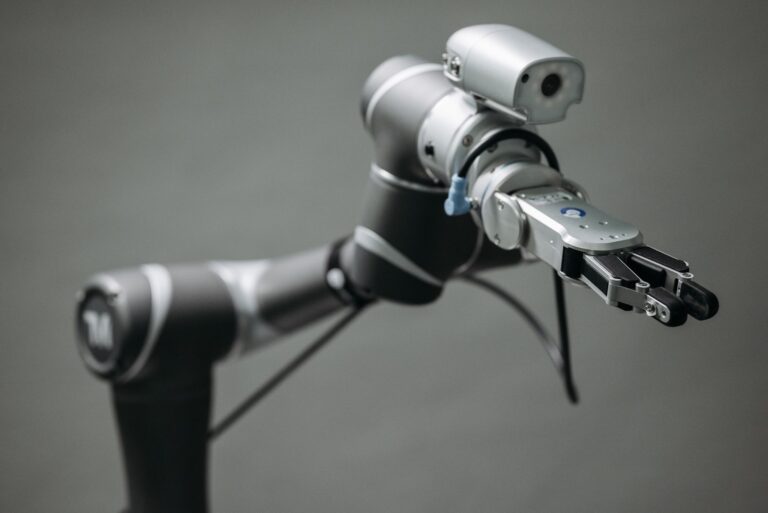
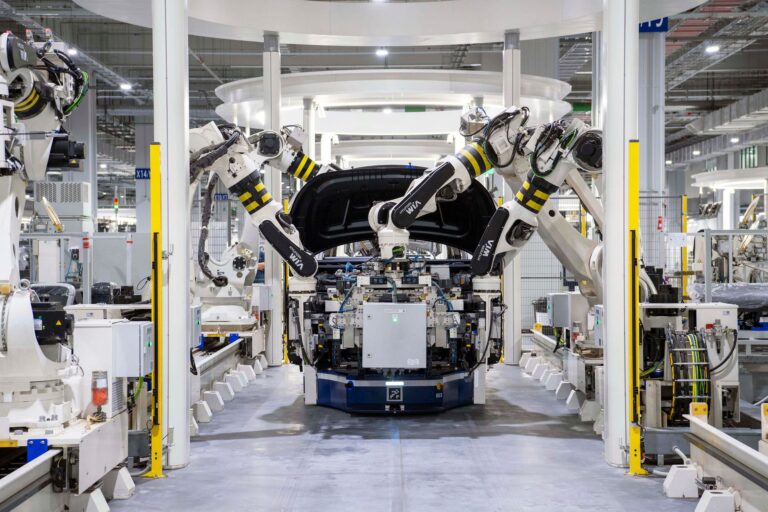
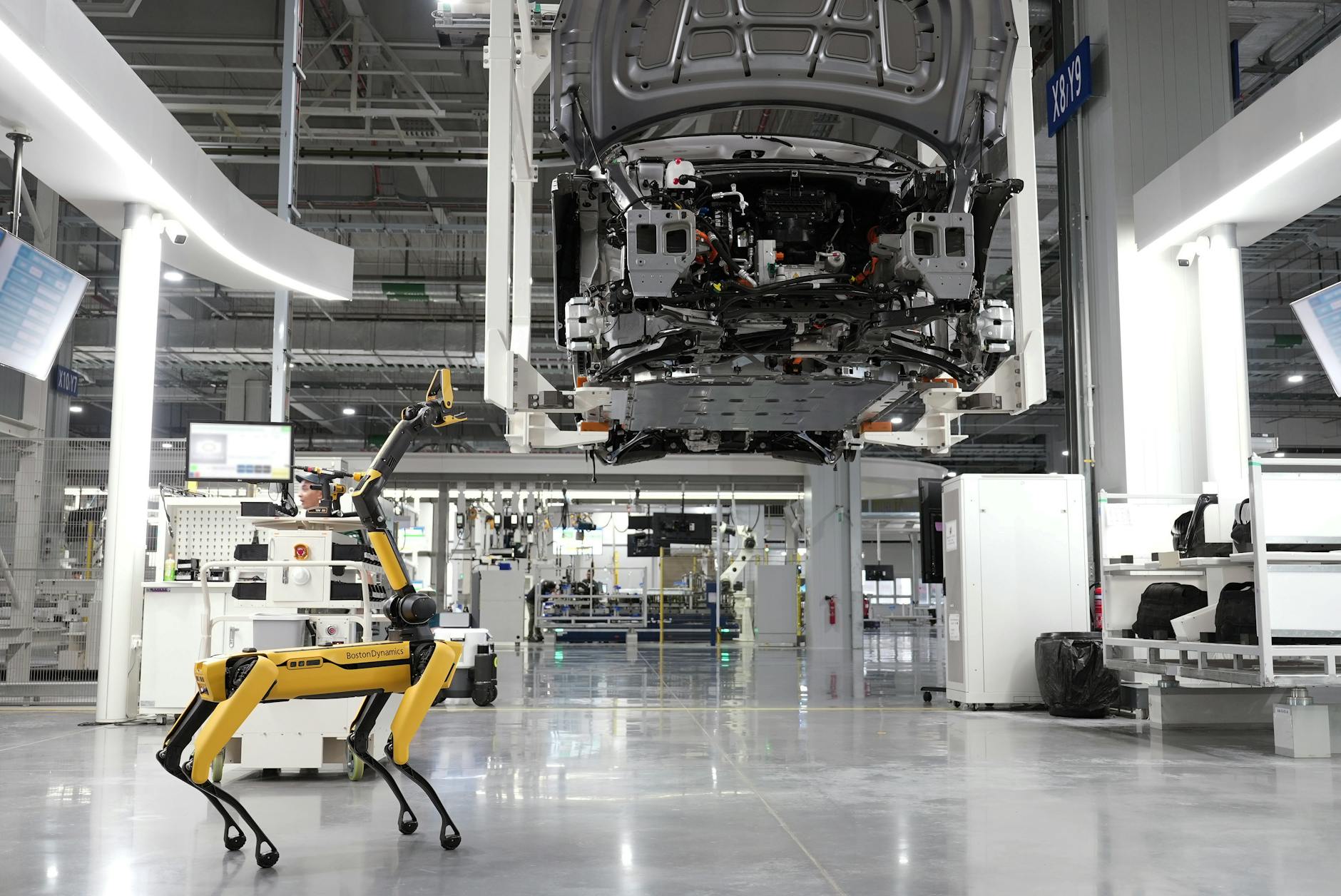
The numbers tell a story of explosive growth across multiple segments. Industrial robot installations alone hit $16.7 billion in market value during 2026—an all-time record. But that’s just the manufacturing side. The medical robotics market is accelerating even faster, projected to grow from $18.32 billion today to $72.54 billion by 2035, a 16.62% annual growth rate that dwarfs general industrial robotics. this expansion is not speculative or hype-driven; it’s grounded in a concrete problem: labor shortages across warehouses, factories, hospitals, and logistics networks worldwide.
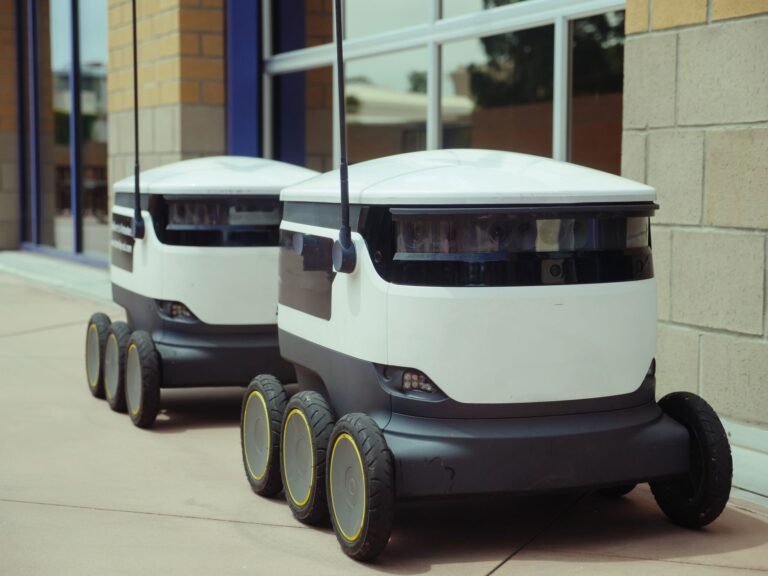
The urgency is real. Amazon, DHL, and UPS have already deployed robotic systems at scale, and they’re not slowing down. These are not experimental pilots—they are production deployments replacing human labor in roles that are increasingly hard to fill. A hospital system adopting surgical robots or a warehouse adding autonomous picking systems isn’t choosing between robotics and status quo; they’re choosing robotics because the alternative is operational gridlock. This isn’t a niche technology maturing; it’s an entire industrial paradigm shifting in real time.
WHAT DOES “NVIDIA OF AUTOMATION” ACTUALLY MEAN?
The Nvidia comparison carries specific weight. Nvidia didn’t become the AI giant by building the best chatbots or the most useful AI applications. It became the giant by owning the chip architecture, software stack, and ecosystem that made everyone else’s AI possible. Companies could compete in AI applications while all buying Nvidia chips, software, and developer tools. The company that wins the “Nvidia of Automation” crown will likely dominate not in any single robotics category, but in the foundational layer—whether that’s the control systems, the AI orchestration platform, the integration middleware, or the sensory architecture that ties everything together. The danger in this framework is assuming the winner is already obvious.
Nvidia wasn’t obvious in 2015. It was a graphics card company that saw an opportunity early. Similarly, the robotics infrastructure leader may emerge from an unexpected direction. It could be a software platform company like UiPath—which just acquired WorkFusion and launched its Maestro platform for coordinating AI agents—that becomes the orchestration layer all robots depend on. Or it could be a hardware supplier that becomes the preferred architecture. The winner will be the one that solves the interoperability problem: how do robots and automation systems from different vendors talk to each other and share data? Control that layer, and you control the ecosystem.
THE INFRASTRUCTURE PLAYERS MAKING BOLD MOVES
Teradyne’s growth trajectory is worth studying closely. With 34.4% projected revenue growth and 57.1% earnings growth, the company is capturing momentum in a way that suggests it’s either solving critical problems or establishing lock-in effects. Teradyne’s role in testing, inspection, and automation equipment positions it as a foundational supplier—the kind of company that benefits regardless of which robotics vendor ultimately wins in the application layer. It’s not betting on one type of robot; it’s betting on the infrastructure all robots require.
UiPath’s strategy is more aggressive and instructive. By acquiring WorkFusion, a process intelligence platform, and launching Maestro to coordinate multiple AI agents, UiPath is building a software operating system for automation itself. The bet is that as enterprises deploy dozens or hundreds of robotic processes and AI agents, they’ll need a single orchestration platform to manage them—similar to how Windows became the platform that applications ran on. This is a different approach than Nvidia’s, but it aims at the same outcome: becoming the indispensable middle layer. For investors, this matters: a software platform has different unit economics and scalability than hardware, meaning the profitability profile could be steeper.

THE REAL-WORLD DEPLOYMENTS THAT DRIVE ADOPTION
The robotics boom isn’t happening in laboratories. Amazon’s use of robotic arms and mobile robots in fulfillment centers isn’t optional anymore—it’s operational reality. The company has reduced hand-picking time and increased throughput in ways that are now competitive necessity for other retailers. DHL’s deployment of autonomous mobile robots in distribution centers followed the same arc: a competitive advantage that became an industry standard. UPS, facing similar pressures, has accelerated its own robotic integration. This creates a compounding effect: once one major player deploys robots successfully, competitors must follow or lose efficiency. The market doesn’t wait for consensus; it moves.
What’s often overlooked is the integration burden. These large deployments don’t just install robots and leave them. They require constant calibration, software updates, data integration with existing systems, and ongoing optimization. This creates a sticky revenue stream for companies that own the integration layer or the platform that manages the fleet. A company like UiPath or a pure-play robotics operating system could capture more recurring revenue from serving these existing deployments than from selling new robots. The comparison here is instructive: Nvidia makes more money from software licenses, developer tools, and data center relationships than from individual chips. The robotics leader will follow the same pattern.
THE RISKS AND MARKET HEADWINDS TO WATCH
Not all robotics stocks will win. The sector faces real headwinds: regulatory uncertainty around autonomous systems, supply chain dependencies, and the risk of technological disruption. A company like Teradyne is betting on continued growth in semiconductor testing and assembly, but if autonomous robotic factories become commonplace, the need for external testing equipment could shrink. Similarly, early-stage robotics ventures betting on hardware form factors—humanoid robots, for instance—face a cold hard reality: consumers and enterprises are far less interested in how robots look than in whether they solve a specific economic problem at a lower cost than alternatives.
There’s also the hype cycle risk. The robotics sector attracts venture capital and speculative investing, which inflates valuations ahead of actual revenue. Companies with strong growth projections but speculative fundamentals are vulnerable when market sentiment shifts. A robotics stock that looks like the “next Nvidia” could just as easily look like a bubble when growth rates compress or when promised products fail to materialize on schedule. The safe play isn’t betting on the most hyped company; it’s betting on the company with sustainable competitive advantages in a critical infrastructure layer and a demonstrated ability to adapt as the market evolves.
THE AI INTEGRATION MOMENT—VOICE AGENTS AND ROBOTIC AUTONOMY
The May 2026 announcement from Richtech Robotics marks a turning point: the integration of agentic AI directly into robotic systems. By partnering with SoundHound to add voice-based AI agents to its robots and listing the capabilities on Microsoft Azure Marketplace, Richtech is solving a very real problem. Most robots today are silent and scripted; they follow programmed paths and respond to limited input. Adding natural language processing and agentic reasoning means robots can understand complex requests, ask clarifying questions, and adapt to new tasks without reprogramming. This is the difference between a power tool and an intelligent assistant.
The significance lies in the ecosystem play. By putting this capability on Azure Marketplace, Richtech isn’t just selling robots; it’s creating a distribution channel and ecosystem around the capability. Enterprises using Microsoft’s cloud infrastructure can now browse and integrate voice-enabled robotics services the way they’d integrate any other SaaS. This is how infrastructure companies typically win: by becoming the natural platform where solutions are discovered and deployed. If this approach scales, Richtech’s growth could accelerate from successful exits and integrations with enterprise customers already embedded in the Microsoft ecosystem.
THE INDUSTRIAL TRANSFORMATION AHEAD
Jensen Huang, Nvidia’s CEO, said it plainly: “Every industrial company will become a robotics company.” This isn’t hyperbole aimed at investors; it’s an observation about economic necessity. Companies that don’t adopt robotics and automation will eventually become uncompetitive on cost and speed. This means the addressable market isn’t just a subset of manufacturing—it’s potentially every company with a warehouse, a factory, a hospital, or a logistics network. For the company that owns the infrastructure layer, the growth runway extends decades, not years. Looking forward, the competitive dynamics will shift.
Early winners will establish ecosystem advantages—developer networks, data standards, integration partnerships. Companies that survive to 2030 will likely be consolidated into a few dominant players, with the remainder becoming niche specialists. The “Nvidia of Automation” will be the company that other robotics vendors choose as a partner rather than a competitor, the platform that becomes an assumed dependency. That positioning is more valuable than any single product line because it aligns incentives and creates network effects. Watch which companies are being adopted by competitors and enterprise platforms first; that’s often the signal of a future market leader.
Conclusion
The robotics market’s growth to $218 billion by 2030 will benefit many companies, but the greatest gains will likely flow to the foundational infrastructure player—the equivalent of what Nvidia became in AI. This company may not be the most visible robotics brand; it may not build the robots customers interact with directly. Instead, it will provide the orchestration platform, the integration middleware, the control architecture, or the ecosystem that every serious robotics deployment depends on.
Identifying this company requires looking past hype and focusing on sustainable competitive advantages, ecosystem adoption, and the problems that remain technically or economically unsolved. The race is on, and the companies making bold moves—Teradyne’s performance, UiPath’s orchestration bet, Richtech’s AI integration strategy—are signaling where the advantages may consolidate. The wise investor won’t just track which robots ship; they’ll track which companies become the assumed partner for any serious robotics deployment. That’s where the durable value gets built.