
October 2026 brings new aerial robots for dock-based patrol, delivery and defense, plus two research robots for contact and hybrid inspection work. Aerial robots here mean autonomous flying machines, often called drones, that sense and act without an onboard pilot.
Operators face a split market. New airframes and docks are ready to test, while routine long-range flights still wait on a federal rule. The practical move is to pilot docked operations and short-range use cases now.
Table of Contents
- What changed for dock-based patrol?
- How are delivery networks preparing for scale?
- What still blocks routine long-range flights?
- Which research expands inspection work?
- Key takeaways for automation teams
What changed for dock-based patrol?
Skydio unveiled its first fixed-wing aircraft, the F10 Lightrunner, plus MegaDock, Asset Command and Security Command at Ascend 2026. Skydio via PR Newswire presented the lineup as an extension beyond quadcopters for dock-based ISR, according to Skydio's Ascend announcement. Fixed-wing flight suits longer transects and perimeter checks.
Quadcopters still suit hover-and-stare tasks around structures. A mixed fleet lets one dock network cover both. Asset Command and Security Command point to separate workflows for inspection and security teams. Buyers should check user roles, alert routing and map tools before combining them.
How are delivery networks preparing for scale?
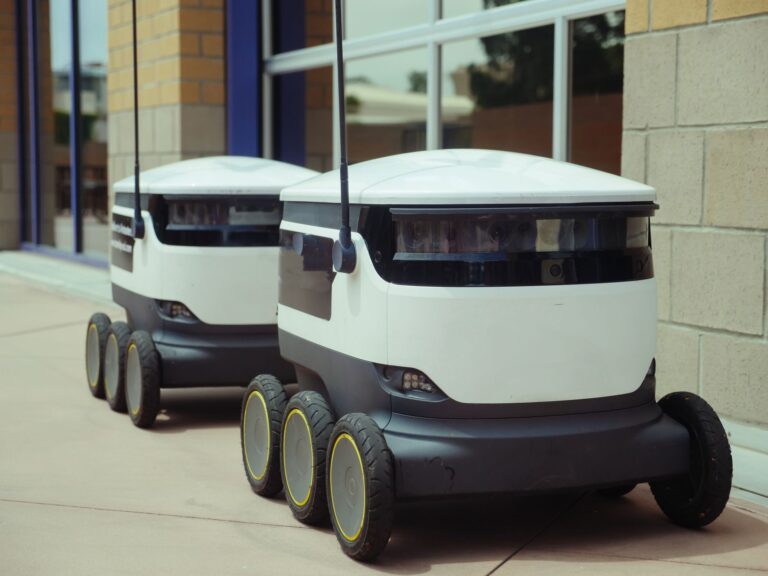
Matternet unveiled the M3 autonomous delivery platform on Sept. 28, 2026. The company lists an 11-lb payload, 10-mile radius, rooftop dock and portal for unstaffed micro-hubs, with commercial service targeted for H2 2027, according to Matternet's M3 unveiling. DoorDash received FAA Part 135 air-carrier certification and launched DoorDash Air on July 29, 2026. The company became the eighth certified operator, which authorizes its own U.S.
commercial drone delivery, with a fall 2026 start planned, according to DoorDash's certification statement covered by Insurance Journal. Dexa, formerly Drone Express, adds another operator signal. ePlane AI reports Dexa was selected for Startup Battlefield 200 and showcased its FAA-certified drone airline at TechCrunch Disrupt in San Francisco on Oct. 13-15, 2026. Rooftop docks, portals and certified airlines all reduce staff time per delivery.
What still blocks routine long-range flights?
The FAA's Part 108 routine BVLOS rule remained under White House OIRA review as of Sept. 8, 2026. PickDrones reports the rule arrived July 10, 2026, with the 90-day window ending Oct. 8, 2026 and no final rule published, according to PickDrones' Sept. 8 status update.
BVLOS means flight beyond the pilot's visual line of sight. A routine rule would replace case-by-case waivers and exemptions. Until it issues, planners should assume site-specific approvals, visual observers or sheltered routes. That constraint favors docked security, stockyard checks and short delivery legs. It delays corridor mapping, linear inspection and multi-hub delivery without extra approval work.
Which research expands inspection work?
Wingcopter introduced the all-electric Wingcopter 262 eVTOL on Sept. 14, 2026. Wingcopter lists up to 6-hour endurance and 150-km tactical range for defense reconnaissance and persistent awareness. Long endurance shifts missions from quick looks to watch-and-wait coverage. Two September papers address close-range work. Liu, Keviczky and Sun posted a contact-aware controller Sept.
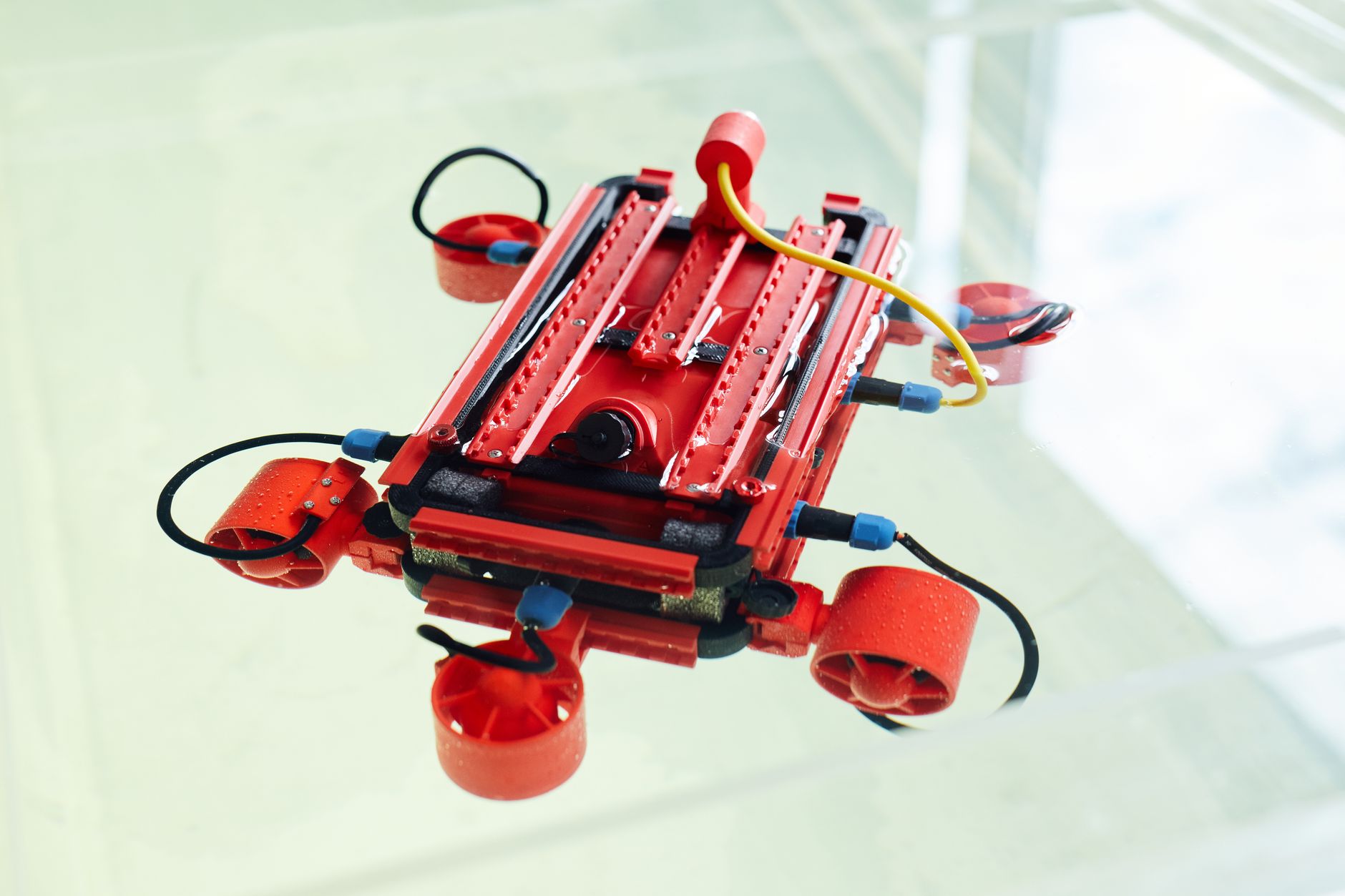
10, 2026 that combines nonlinear MPC for end-effector position and force tracking with incremental dynamic inversion for aerial writing on vertical and inclined surfaces. The method handles the push-back a wall exerts on a flying arm. Polillio and Swissler posted AeRove on Sept. 17, 2026. The compact bimodal robot rolls on propeller-guard wheels and switches flight-to-ground in 200 ms for close-range pipeline inspection with lower hover cost. Rolling saves battery during long pipe runs and under decks.
Key takeaways for automation teams
Match the new hardware to tasks that already have approval. Use docks for repeat patrols, rooftops for short deliveries and hybrid rolling for indoor or pipe-rack checks.
Reserve corridor BVLOS and multi-mile delivery for limited pilots. Order spare guard wheels and dock consumables before winter inspection season.
- Test fixed-wing docks for fence lines and solar rows; keep multicopters for towers and facades
- Size M3-style micro-hubs around 11-lb loads and 10-mile return legs
- Track Part 135 status and Part 108 timing in procurement plans
- Trial guard-wheel rolling where hover time drives battery swaps
- Require force control for any wall-contact task on slopes
You Might Also Like
- What Is New With Startups and Innovation Robotics in October 2026? Latest company releases and research papers and Key Takeaways
- What Is New With Simulation Digital Twins Robotics in October 2026? Latest company releases and research papers and Key Takeaways
- What Is New With Research Robotics in October 2026? Latest company releases and research papers and Key Takeaways