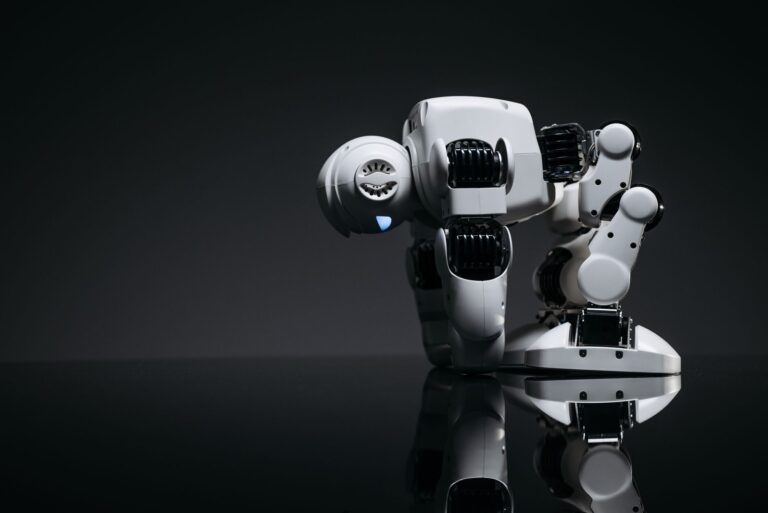

KTOS, known formally as Kratos Defense & Security Solutions, operates as a key player in the defense robotics space, developing unmanned systems and autonomous platforms for military and government applications. The company functions as a defense robotics compounder by continuously acquiring, integrating, and advancing robotics technologies that enhance its portfolio of autonomous and semi-autonomous systems.
Kratos has built a substantial presence through organic development and strategic acquisitions in areas like unmanned aircraft systems (UAS), autonomous ground vehicles, and counter-unmanned systems technology. The company’s approach to defense robotics involves layering complementary technologies—such as artificial intelligence, sensor fusion, and autonomous navigation—into cohesive platforms that address specific military challenges. For example, Kratos developed the Valkyrie unmanned helicopter platform and acquired technology for drone swarming capabilities, combining them into systems that offer both individual platform strength and networked operational advantages.
Table of Contents
- How Does Kratos Build Defense Robotics Capabilities Through Strategic Integration?
- What Technologies Define Kratos’ Defense Robotics Platform?
- What Market Drivers Support Kratos’ Defense Robotics Growth?
- How Does Kratos Compare to Other Defense Robotics Developers?
- What Technical and Operational Challenges Affect Defense Robotics Deployment?
- How Do Kratos Systems Integrate Into Military Operations?
- What Is the Future Direction of Kratos’ Defense Robotics Strategy?
- Conclusion
- Frequently Asked Questions
How Does Kratos Build Defense Robotics Capabilities Through Strategic Integration?
Kratos takes a dual-track approach to robotics development: building core technologies internally while acquiring specialized capabilities from other firms. This strategy allows the company to move faster in a competitive defense market than relying on internal development alone. The company has made numerous acquisitions to expand its robotics footprint, including purchases of drone manufacturers and unmanned system developers that bring specific expertise in propulsion, autonomy, or sensor technology.
A limitation of this acquisition-heavy strategy is the challenge of integrating disparate systems and organizational cultures. When Kratos acquires a robotics company, it must harmonize different design philosophies, manufacturing processes, and customer relationships. This integration risk can temporarily slow innovation or create redundancies in product lines, which is why larger defense contractors often maintain multiple product lines for extended periods before consolidation.

What Technologies Define Kratos’ Defense Robotics Platform?
Kratos’ robotics systems rely on advances in autonomous flight control, computer vision, and real-time decision-making algorithms. The Valkyrie platform, for instance, uses advanced flight autonomy that allows the helicopter to operate with minimal human input, executing complex missions from takeoff to landing with waypoint navigation and obstacle avoidance. The system also incorporates sensors for surveillance and targeting, making it a multifunctional platform rather than a single-purpose tool.
One critical limitation of current defense robotics platforms is regulatory and operational complexity. military and government agencies require extensive testing, certification, and validation before deploying autonomous systems in operational environments. This means Kratos must invest heavily in proving its systems meet rigorous military standards, which extends product development timelines and increases costs. Additionally, the integration of AI-based autonomy in military systems remains controversial in some circles, which influences procurement decisions and deployment strategies.
What Market Drivers Support Kratos’ Defense Robotics Growth?
The U.S. military and allied governments increasingly rely on unmanned and autonomous systems to conduct operations in contested or GPS-denied environments, support intelligence gathering, and reduce personnel risk. The Department of defense has explicitly prioritized robotics modernization, particularly in areas like counter-drone systems and autonomous teaming. This policy environment creates sustained demand for the types of systems Kratos develops.
International military tensions and technological competition with peer adversaries also drive market growth. As other nations develop advanced autonomous systems, the U.S. military prioritizes matching or exceeding those capabilities, which translates into funding for contractors like Kratos. The company benefits from multi-year contracts and long procurement cycles, which provide revenue visibility and allow for sustained R&D investment in next-generation robotics.

How Does Kratos Compare to Other Defense Robotics Developers?
Larger defense contractors like Northrop Grumman, General Atomics, and Raytheon Technologies have extensive robotics portfolios alongside their traditional defense business. Kratos’ advantage lies in its focus—it emphasizes robotics and autonomous systems more heavily than generalists. This specialization allows the company to move faster on specific platforms and attract talent focused on automation.
A tradeoff is that Kratos lacks the financial scale and diversified revenue streams of larger competitors, making it more vulnerable to budget cuts or shifting defense priorities. Smaller, specialized robotics firms and startups often innovate faster on niche capabilities but struggle with the regulatory, security, and scale requirements of military procurement. Kratos occupies a middle ground: larger than most startup competitors but smaller than the defense giants. This positioning allows the company to act with greater agility than the largest contractors while maintaining the technical credibility and security clearances needed to win government contracts.
What Technical and Operational Challenges Affect Defense Robotics Deployment?
Autonomous systems in military environments must operate reliably in unpredictable conditions—without consistent GPS signals, in heavy electromagnetic interference, or while under adversarial counter-measures. Designing robotics that function under these constraints is exponentially more difficult than laboratory testing suggests. Kratos systems must continuously validate behavior in edge cases, which requires extensive field testing and iteration.
The company must also ensure its systems won’t be remotely hijacked or spoofed, a constant security concern in defense robotics. A warning for investors and operators: autonomous systems in combat scenarios create ethical and legal questions about weapons employment that remain unresolved internationally. Military and legal experts debate whether fully autonomous decision-making in lethal scenarios is appropriate, which could shift policy and limit the deployment scope of some Kratos platforms. Additionally, adversaries actively develop counter-unmanned and cyber-warfare capabilities specifically designed to disable or disable autonomous systems, meaning Kratos must continuously update its platforms against evolving threats.

How Do Kratos Systems Integrate Into Military Operations?
Modern military doctrine increasingly emphasizes “human-in-the-loop” operations where robots and humans work collaboratively rather than operating in isolation. Kratos platforms are typically designed for close integration with traditional military command-and-control systems, allowing operators to direct unmanned systems while maintaining visibility into broader operational contexts.
For example, a Valkyrie helicopter might autonomously fly to a designated area and conduct surveillance, with human operators analyzing the data and making decisions about follow-on actions. This integrated approach means Kratos must invest in user interface design, data fusion, and communication protocols that allow seamless interaction between its robotics and existing military infrastructure. Success in this area requires understanding military workflows and user expectations in ways that pure robotics companies might not.
What Is the Future Direction of Kratos’ Defense Robotics Strategy?
The defense robotics landscape is moving toward autonomous teaming—multiple unmanned systems working together toward shared objectives with minimal human supervision. Kratos is actively developing capabilities in this area, recognizing that tomorrow’s military operations will likely involve coordinated swarms of robots performing different roles. The technical challenges are substantial: ensuring reliable communication, preventing system failures from cascading through the team, and maintaining effective command authority over distributed autonomous agents.
Looking ahead, Kratos will likely continue balancing organic development with acquisitions, seeking companies that add specific capabilities in autonomy, AI, sensor technology, or new platforms. The competitive landscape will intensify as more defense contractors recognize robotics’ strategic importance and allocate resources accordingly. Companies that successfully integrate diverse technologies into cohesive, militarily-relevant platforms will capture the greatest value.
Conclusion
Kratos Defense & Security Solutions functions as a defense robotics compounder by developing and acquiring complementary technologies that enhance its autonomous systems portfolio. The company operates in a growing market driven by military modernization, geopolitical competition, and the demonstrated advantages of unmanned systems in operations.
Investors and operators evaluating Kratos should recognize both its strengths—specialization in robotics, growing government demand, and meaningful technical achievements—and its challenges, including integration complexity, regulatory uncertainties, and intense competition from larger and more specialized rivals. The defense robotics sector will remain dynamic, with technological breakthroughs and policy shifts potentially reshaping competitive positions over the next five to ten years.
Frequently Asked Questions
What types of robots does Kratos develop?
Kratos develops a range of autonomous and semi-autonomous systems, including unmanned aircraft (particularly vertical takeoff and landing vehicles like the Valkyrie), unmanned ground systems, counter-unmanned systems, and supporting sensor and autonomy technologies.
How does Kratos acquire robotics capabilities?
The company uses both organic development and targeted acquisitions. It invests in internal R&D while strategically purchasing companies that bring specific expertise in autonomy, sensors, propulsion, or platforms that complement its existing portfolio.
What drives demand for Kratos’ defense robotics?
Primary drivers include U.S. military modernization priorities, international geopolitical competition, the desire to reduce personnel risk in operations, and the proven effectiveness of unmanned systems in modern conflicts.
What is a key limitation of current defense robotics platforms?
Regulatory approval and military certification are lengthy processes. Additionally, autonomous systems must operate reliably in contested environments with potential GPS denial and adversarial counter-measures, which significantly increases technical complexity and development time.
How does Kratos compete with larger defense contractors?
Kratos maintains a sharper focus on robotics than larger generalists, allowing faster movement on specific platforms and stronger attraction of specialized talent. However, larger competitors have greater financial resources and diversified revenue streams that provide stability during budget cycles.
What are emerging challenges for defense robotics?
Autonomous teaming, reliability in GPS-denied and electromagnetically contested environments, cybersecurity against adversarial jamming or spoofing, and unresolved ethical and legal questions about autonomous weapons systems represent significant technical and policy challenges ahead.