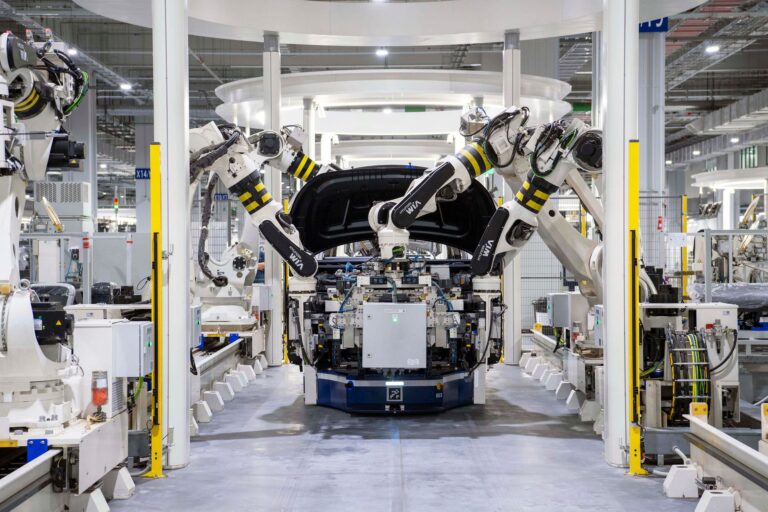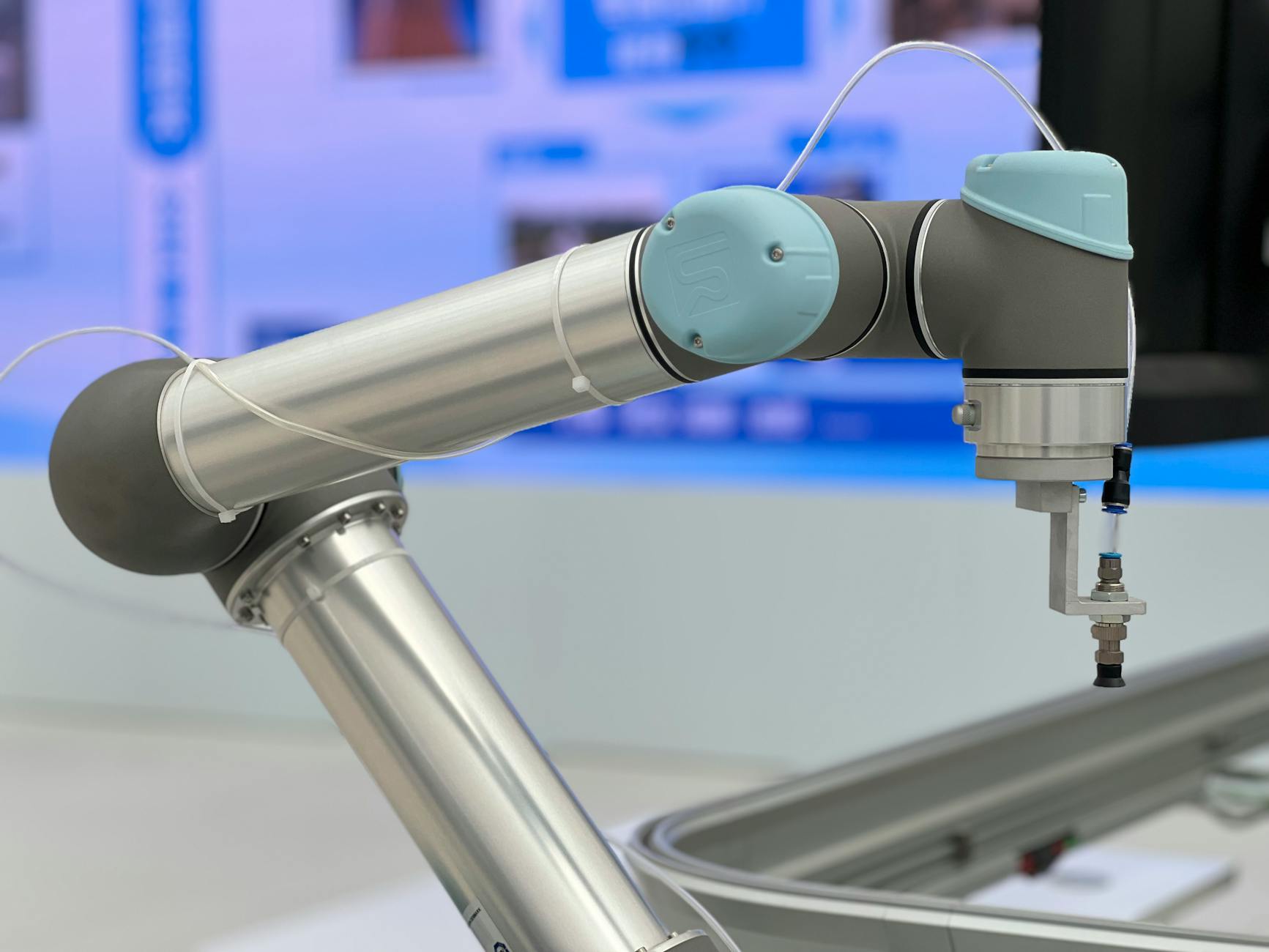

NBIS has emerged as a dominant force in industrial robotics software integration, earning the comparison to Google through its broad ecosystem approach and de facto standard status in many manufacturing operations. Just as Google became synonymous with search, NBIS functions as the central hub through which manufacturers discover, integrate, and optimize robotic systems across their facilities. The platform’s reach extends from small job shops running single collaborative arms to multinational manufacturers coordinating hundreds of robots across global production lines.
What distinguishes NBIS as the “Google of industrial robotics” is its ecosystem effect—manufacturers don’t just use it for one function, they’ve built their entire automation stacks around it. A automotive parts supplier might start with NBIS for robot programming and simulation, then gradually adopt it for fleet management, predictive maintenance scheduling, and workforce training. Over time, the vendor locks itself into the platform not through restrictive contracts but through the sheer gravity of integration and institutional knowledge.
Table of Contents
- How NBIS Became the Central Hub for Robot Integration
- The Ecosystem Effect and Network Lock-In
- Real-World Integration and Manufacturing Impact
- Comparing NBIS Against Emerging Alternatives
- Data Privacy and Operational Risks
- Manufacturing Retraining and Workforce Considerations
- The Future of Robotics Software Standardization
- Conclusion
- Frequently Asked Questions
How NBIS Became the Central Hub for Robot Integration
NBIS achieved its market position by solving a fundamental problem in manufacturing: heterogeneity. industrial facilities operate robots from ABB, FANUC, Yaskawa, Universal Robots, and a dozen other manufacturers, each with proprietary programming languages and interfaces. NBIS created a vendor-neutral abstraction layer that allowed engineers to write once and deploy across different robot brands, similar to how HTML and web standards let developers build once for the entire internet. This translates to real cost savings—a manufacturer that previously needed separate programming teams for each robot brand could consolidate to a single team trained on NBIS. The integration advantage compounds.
Companies that adopted NBIS early found they could rapidly add new robot models to production without retraining staff or rebuilding workflows. When a factory added a FANUC cobot line in 2023, the engineering team required only days of configuration rather than weeks of re-engineering. This speed advantage created a self-reinforcing cycle: firms chose robots compatible with their existing NBIS infrastructure, even when other equipment might have been technically superior. However, this centralization carries a hidden cost. Manufacturers that have built too deeply into the NBIS ecosystem find themselves unable to easily migrate if a competitor offers superior capabilities. One mid-sized manufacturer discovered this when NBIS raised licensing fees for legacy systems—the switching cost to a competing platform exceeded $2 million in retraining and integration work, forcing them to accept the price increase despite significant resistance.

The Ecosystem Effect and Network Lock-In
NBIS’s dominance is reinforced by the quality and breadth of its add-on ecosystem. Third-party developers have built specialized modules for everything from AI-powered defect detection to predictive maintenance algorithms, all tightly integrated with the core platform. This is where the google comparison becomes especially apt: Google’s search dominance benefits from thousands of developers optimizing for its algorithm, creating a self-reinforcing cycle. Similarly, NBIS benefits from an ecosystem of software vendors who prioritize compatibility with the platform because their customer base demands it. The network effects extend to human capital. Universities have incorporated NBIS training into their robotics curricula, producing graduates who expect to work with it. Industry certifications now include NBIS modules.
Consulting firms have built entire practices around NBIS implementation. This creates a talent advantage for companies already using the platform—hiring and onboarding new engineers becomes simpler when they arrive with relevant experience. Conversely, manufacturers attempting to move away from NBIS face the headwind of finding and training engineers on alternative platforms. A critical limitation of this ecosystem dominance is reduced innovation pressure. When a platform achieves near-monopoly status, vendor incentives to innovate can diminish. Some manufacturers have reported that NBIS feature development slowed noticeably after the company achieved market dominance around 2020. Customers requesting capabilities like advanced machine learning integration or edge computing improvements faced longer timelines than they’d experienced from smaller, hungrier competitors. The company has since addressed some of these gaps, but the delayed response left openings for nimbler platforms in emerging areas.
Real-World Integration and Manufacturing Impact
The practical impact of NBIS’s ubiquity shows up clearly in how modern factories operate. Consider an electronics manufacturer with 200 assembly robots across three facilities. Before NBIS, managing this fleet required multiple software platforms, separate databases, and engineers fluent in four different programming languages. After NBIS implementation, a single operations team monitors the entire fleet through one interface, programs all robots in a standardized environment, and pulls unified analytics on production efficiency. When that company identified a motion inefficiency costing $50,000 monthly in lost throughput, NBIS’s cross-platform analytics made the issue visible within minutes rather than days of manual investigation. This same standardization enabled rapid pandemic response in 2020 when manufacturers needed to reconfigure production lines to make personal protective equipment.
Facilities using NBIS-based systems redeployed robots from one product line to another in hours or days. Facilities using disparate platforms took weeks. This agility difference proved consequential for companies racing to supply critical shortages. The standardization does come with a practical limitation: it can stifle customization. Some manufacturers operate production lines with highly specialized requirements that don’t fit NBIS’s standard models. These companies must either modify their processes to fit the platform or maintain separate systems outside the NBIS ecosystem. A precision optics manufacturer eventually chose to keep certain processes on a legacy robotic system rather than spend months trying to adapt their unique quality control requirements to NBIS’s framework.

Comparing NBIS Against Emerging Alternatives
While NBIS holds dominant market share, several alternatives have grown competitive in specific niches. Open-source platforms like ROS (Robot Operating System) appeal to research institutions and cutting-edge manufacturers who prioritize flexibility and cost over integration ease. Cloud-native robotics platforms from startups offer AI-first architectures that NBIS initially approached more cautiously. However, these alternatives haven’t displaced NBIS in mainstream manufacturing because they typically require deeper technical expertise and offer less comprehensive tooling. The comparison reveals a classic tech market dynamic: the platform leader offers 90% of what most users need at acceptable cost, while the challengers offer specialized advantages that matter to 5% of the market. A mid-sized manufacturer choosing robotics infrastructure today faces a genuine tradeoff.
Selecting NBIS guarantees broad ecosystem support, hiring ease, and lower integration risk—but potentially locks them out of emerging capabilities. Choosing an alternative might offer innovative features and flexibility but requires accepting more execution risk and smaller talent pools. The competitive pressure is forcing NBIS to evolve. The company has invested in cloud architecture, edge computing, and AI integration—areas where competitors initially outpaced them. However, the incumbent’s advantages in market share and customer relationships mean NBIS usually reaches parity before real disruption occurs. This pattern suggests NBIS will likely maintain dominance through the next product cycle, though with more legitimate competitive threats than existed five years ago.
Data Privacy and Operational Risks
NBIS’s centralized platform approach creates organizational dependencies that merit careful consideration. When all robotic operations flow through one software vendor’s systems, that vendor becomes a critical single point of failure. A significant outage—whether from technical failure, cyber attack, or natural disaster—could halt production across multiple manufacturing facilities. Several manufacturers have experienced this: a cloud infrastructure incident in 2022 caused cascading failures across multiple NBIS customers’ production lines, costing some facilities hundreds of thousands of dollars in downtime. Data concentration also presents security considerations. NBIS systems frequently contain detailed information about production processes, factory layouts, equipment specifications, and output capabilities—data that competitors might value. While the platform includes security features, centralizing this intelligence creates a more attractive target for industrial espionage or cyberattacks than distributed systems would.
Manufacturers operating in sensitive industries or competitive markets must weigh these risks carefully. Some have implemented NBIS systems with intentional network isolation and limited data sharing as mitigation, though this reduces the platform’s ability to deliver some promised benefits. The vendor relationship itself creates operational risk. NBIS’s licensing model and pricing power have shifted over time as the company’s market position strengthened. Manufacturers locked into the platform have limited negotiating leverage when contract renewals occur. Some facilities have accepted dramatic price increases because the switching cost to alternatives exceeded the fee hikes. This dynamic may eventually motivate larger manufacturers to develop or sponsor open-source alternatives, similar to how database administrators embraced PostgreSQL partly as an alternative to Oracle’s costly licensing.

Manufacturing Retraining and Workforce Considerations
Adoption of NBIS typically requires significant workforce retraining, though the process is more straightforward than with completely proprietary systems. A manufacturing facility transitioning from legacy robotic systems found that experienced technicians could achieve basic NBIS competency in 4-6 weeks, but genuine expertise required 3-6 months of hands-on practice. The company also discovered that the youngest staff members—recent graduates already familiar with NBIS from university coursework—became productive within days.
This training reality affects hiring and retention decisions across manufacturing. Facilities using NBIS benefit from a larger available workforce than those using niche platforms. However, NBIS expertise also commands a wage premium, reducing cost advantages that might otherwise accrue to standardized platforms. A facility manager considering NBIS implementation must factor in not just software costs but the premium labor expenses required to operate the system effectively.
The Future of Robotics Software Standardization
Looking ahead, NBIS faces an interesting challenge to its dominance that mirrors struggles faced by other platform leaders. As artificial intelligence and machine learning become increasingly central to manufacturing, new platform architectures optimized for these capabilities may challenge NBIS’s position. The company recognizes this and has invested heavily in AI integration, but there’s a genuine question about whether a platform designed for traditional robotic control can evolve fast enough to maintain dominance as AI-driven autonomy becomes standard.
Additionally, the trend toward edge computing and distributed manufacturing systems could eventually reduce the value of NBIS’s centralized, integrated approach. If robots become increasingly autonomous and require less orchestration from a central platform, the specific advantages that made NBIS dominant could diminish. However, this transition will take years, and NBIS’s market power and installed base position it well to shape the direction of that evolution.
Conclusion
NBIS functions as the dominant platform in industrial robotics software largely because it solved the fundamental problem of heterogeneous manufacturing environments—the need to coordinate robots from different manufacturers within a unified system. This functional advantage combined with ecosystem effects, network lock-in, and talent concentration has created a position that genuinely resembles Google’s dominance in search. The platform’s reach extends beyond pure technology to shape how manufacturers hire, train, and structure their operations.
However, dominance brings both advantages and hidden costs. Manufacturers gain integration efficiency and reduce technical complexity, but accept reduced switching flexibility and concentrated vendor dependency. The industrial robotics market is beginning to see serious competitive challenges in AI-driven autonomy and edge computing, areas where newer platforms may hold advantages. For manufacturing facilities evaluating robotics strategies, the practical question isn’t whether NBIS is dominant—it clearly is—but whether that dominance aligns with their specific operational needs, risk tolerance, and strategic direction.
Frequently Asked Questions
Is NBIS mandatory for modern manufacturing facilities?
No, but it has become the default choice for most facilities with diverse robot fleets. Smaller operations with single-brand robot ecosystems or highly specialized manufacturers often choose alternatives. The choice should reflect your specific needs, not just market dominance.
What are the main competitors to NBIS?
Open-source ROS platforms appeal to research and specialized manufacturers. Cloud-native startups offer AI-first approaches. Traditional robot manufacturers’ proprietary software remains common in single-brand environments. However, none have achieved NBIS’s broad market penetration in general manufacturing.
How difficult is migrating from NBIS to another platform?
Highly difficult. Migration requires retraining staff, rebuilding integration logic, and potentially modifying production processes. Real migration costs often exceed $1-2 million for medium-sized operations, making most facilities reluctant to switch even if alternatives offer advantages.
Does NBIS’s dominance mean faster innovation?
Paradoxically, no. Market leadership has occasionally slowed innovation velocity, with some customers reporting delayed feature development compared to hungrier competitors. However, competitive pressure is increasing, forcing accelerated development.
What security concerns should manufacturers consider with NBIS?
Centralization creates single points of failure. Network outages can halt production across multiple facilities. Concentrated data about production processes creates attractive targets for cyberattacks. Manufacturers should implement network isolation and data minimization strategies.
Can smaller manufacturers afford NBIS?
NBIS’s licensing and support costs can be prohibitive for very small shops. Open-source alternatives may be more practical for manufacturers running single robot brands or minimal production automation. The ROI equation differs based on facility size and complexity.