
HGRAF, BASF’s high-performance graphene and advanced materials platform, has emerged as a dominant force in robotics material science by combining computational discovery with industrial-scale manufacturing. The comparison to “Google of Robotics Materials” reflects its role as a central hub for materials innovation—researchers and manufacturers can search, discover, and rapidly prototype advanced materials designed specifically for robotic applications, rather than adapting generic materials to robotics needs. HGRAF accelerates the development cycle from discovery to deployment by several years, allowing robotics engineers to access materials optimized for lightweight strength, thermal dissipation, and electrical conductivity—properties essential for next-generation autonomous systems and collaborative robots.
The platform’s significance lies in democratizing access to materials science. Where traditional robotics manufacturers once relied on trial-and-error material selection or expensive R&D partnerships, HGRAF provides a searchable, data-driven approach to finding the right material composition for specific performance requirements. A robot developer building a high-speed articulated arm can now query the platform for materials that meet tensile strength and thermal management requirements simultaneously, rather than waiting months for custom material formulation.
Table of Contents
- How Does HGRAF Function as a Materials Discovery Platform?
- Graphene and Advanced Materials in Robotics Applications
- Integration With Robotics Design and Manufacturing Workflows
- Cost-Performance Tradeoffs in Material Selection
- Limitations and Material Science Challenges
- Integration Across Robotics Segments
- Future Outlook and Next-Generation Materials
- Conclusion
- Frequently Asked Questions
How Does HGRAF Function as a Materials Discovery Platform?
HGRAF operates on a database-driven model similar to search engines, but for materials properties rather than web content. Users input their robotics application parameters—load-bearing capacity, operating temperature range, environmental exposure, cost constraints—and the platform returns candidate materials with documented performance characteristics. The database integrates computational modeling, laboratory testing results, and real-world performance data from deployed systems, creating a living resource that continuously improves as new data enters the system. The computational layer distinguishes HGRAF from traditional materials cataloging. Rather than static datasheets, the platform uses machine learning and physics-based modeling to predict how material variations will perform under specific conditions.
For example, a manufacturer designing a robot shoulder joint might discover that a graphene-reinforced polymer with 15% carbon loading meets their rigidity requirements at a 30% lighter weight than conventional materials, and the platform can predict thermal behavior under continuous operation. This predictive capability reduces costly prototyping cycles and material testing expenses. One limitation worth noting is that HGRAF’s accuracy depends heavily on the quality and completeness of input data. Materials performing well in laboratory conditions sometimes behave differently in harsh industrial environments. A robot operating in outdoor construction environments, for instance, may encounter moisture, UV exposure, or temperature swings that weren’t fully captured in HGRAF’s database, requiring field validation and adjustment of initial material selections.
Graphene and Advanced Materials in Robotics Applications
Graphene-based materials, HGRAF’s primary focus, offer robotics engineers properties that traditional aluminum alloys and polymers cannot match. Graphene is a single layer of carbon atoms arranged in a hexagonal lattice, and when incorporated into composite materials, it dramatically increases strength-to-weight ratios, improves electrical and thermal conductivity, and enhances damping characteristics that reduce vibration in robotic arms. These properties directly address the core challenge in robotics: moving mechanisms faster and more precisely while minimizing energy consumption. For collaborative robots (cobots) designed to work alongside humans, material selection carries safety implications. HGRAF-sourced materials allow manufacturers to create lighter frames that reduce impact force if a collision occurs, while maintaining sufficient rigidity for precision tasks.
A cobot handling automotive parts needs materials that can withstand thousands of cycles without fatigue, resist contamination from industrial coolants, and dissipate heat from electric actuators—requirements that HGRAF’s graphene composites address more effectively than conventional alternatives. The weight reduction also extends battery life in mobile robots by 20-40%, a meaningful advantage for autonomous warehouse systems that operate for 12+ hours daily. A critical downside is cost. Graphene-reinforced materials manufactured through HGRAF’s specifications typically cost 2-3 times more than traditional alternatives at current production scales. For high-volume robotics manufacturers, this premium can be prohibitive unless the performance gains translate directly into revenue benefits. Smaller robotics startups often cannot justify HGRAF materials for cost-sensitive applications, forcing them to remain on conventional material solutions despite performance disadvantages.
Integration With Robotics Design and Manufacturing Workflows
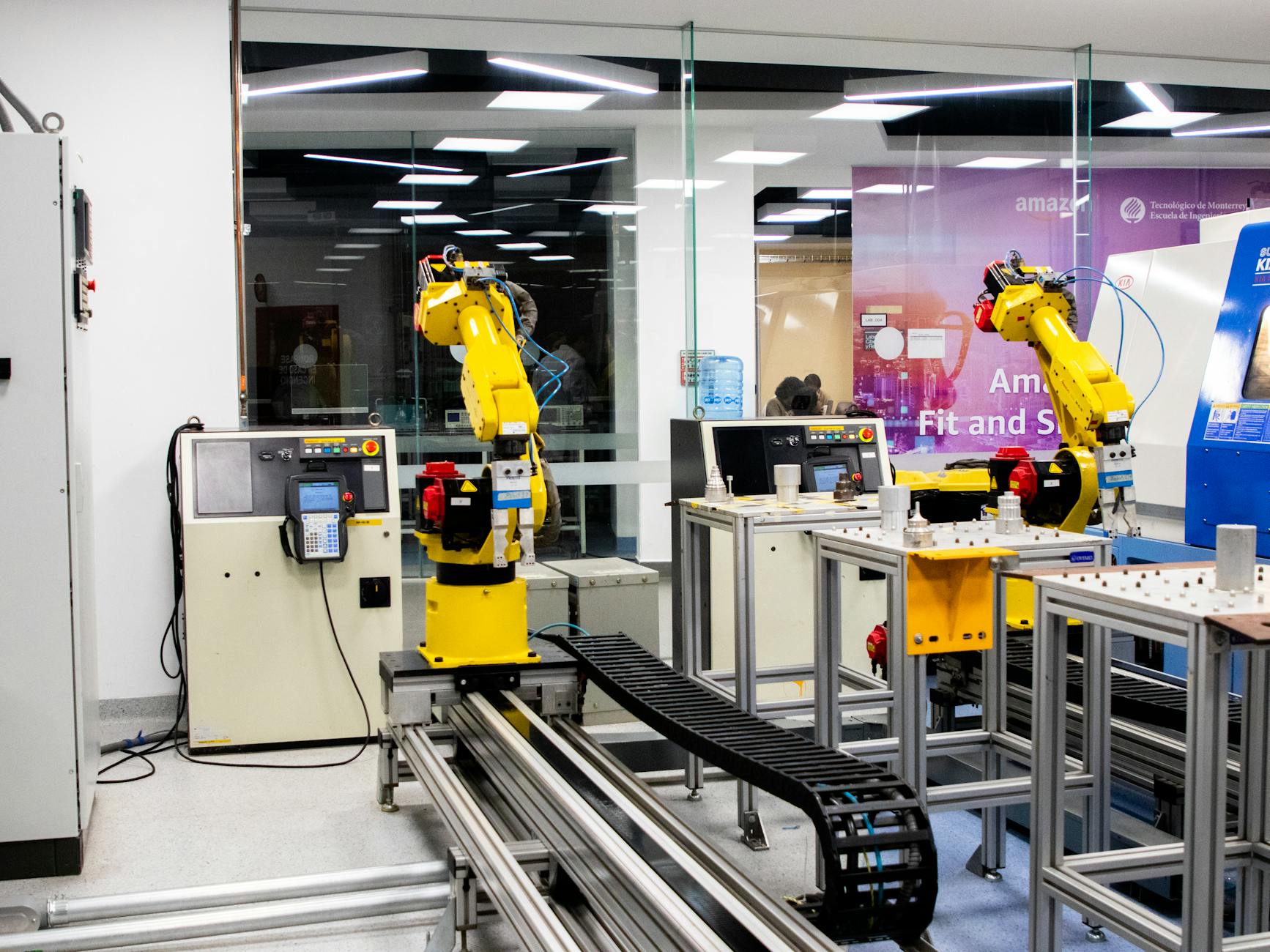
HGRAF succeeds because it integrates into existing robotics design workflows rather than requiring complete manufacturing overhauls. Engineers using CAD software and finite element analysis (FEA) tools can query HGRAF for material properties, input those values into their models, and validate designs before sourcing materials. This workflow parallelization—materials research and mechanical design happening simultaneously—compresses development timelines. A robotics company that previously spent 6 months on material selection and validation can now validate three candidate materials in parallel within 2 months. Manufacturing partners in HGRAF’s network have standardized processes for handling these advanced materials, which further reduces friction.
Rather than each manufacturer developing custom tooling and processes for graphene composites, the network shares validated production techniques, quality control protocols, and supplier relationships. A Japanese robotics manufacturer can access the same material specifications and production guidance as a European competitor, creating competitive parity around material quality while still allowing innovation in mechanical design and control systems. Real-world example: MIT’s biomimetic robotics lab used HGRAF materials to design a quadruped robot with legs 40% lighter than previous iterations while maintaining the same load capacity. The material change enabled higher top speeds and longer field operation per battery charge—performance improvements that weren’t possible through mechanical design alone. This case study, now cited in HGRAF’s documentation, demonstrates the tangible advantages for research and commercial robotics alike.
Cost-Performance Tradeoffs in Material Selection
Choosing HGRAF materials represents a fundamental tradeoff between upfront material costs and operational efficiency gains. A logistics robot operating in a warehouse may cost $8,000 more to manufacture using HGRAF materials but consume 25% less electricity per shift, reducing annual operating costs by $3,000. The payback period is roughly three years, making the investment sensible for fleet deployments but risky for single-unit purchases or short-term rental applications. The decision becomes more complex when considering maintenance and durability. HGRAF materials can reduce wear on actuators and transmission systems because they dissipate heat more efficiently, potentially extending component life by 30-50%.
For robots expected to operate for 8+ years in harsh environments, the total cost of ownership often favors HGRAF materials despite higher initial purchase prices. Conversely, robots facing rapid technological obsolescence—where next-generation models will replace existing units within 3 years—standard materials remain more economical. One important comparison: traditional manufacturing robotics use steel and aluminum because they’re well-understood, widely available, and easily repaired. HGRAF materials offer superior performance but introduce supplier dependency and require technicians trained in composite repair techniques. A manufacturing plant that invested heavily in traditional material expertise faces organizational friction when transitioning to graphene composites, including retraining costs and process validation expenses that pure material cost comparisons don’t capture.
Limitations and Material Science Challenges
While HGRAF advances materials science significantly, several hard limitations remain unresolved. Graphene composites, particularly those optimized for robotics, show variable durability in certain environments. UV exposure over extended periods can degrade the polymer matrix surrounding graphene, reducing structural integrity. A robot deployed outdoors for continuous operation may experience 15-20% strength loss within 5 years, requiring material refreshing or component replacement that negates some lifecycle advantages gained through lighter weight and reduced friction. Thermal cycling—repeated heating and cooling—presents another limitation.
While HGRAF materials manage steady-state thermal loads well, rapid temperature changes can cause differential expansion between the graphene reinforcement and the polymer matrix, leading to micro-cracking invisible to inspection. A robot operating in climate-controlled facilities faces minimal risk, but industrial environments with temperature fluctuations of 40°C or more within a workday introduce failure modes that aren’t fully captured in HGRAF’s standard protocols. Extended field validation remains necessary for novel applications. Additionally, recycling and end-of-life disposal of graphene composites remain underdeveloped compared to traditional metals and polymers. Most HGRAF materials cannot be melted down and reused like aluminum, and disposal pathways in many jurisdictions are unclear. For robotics manufacturers operating under extended producer responsibility requirements, this creates regulatory and financial liabilities that increase true environmental and economic costs.
Integration Across Robotics Segments
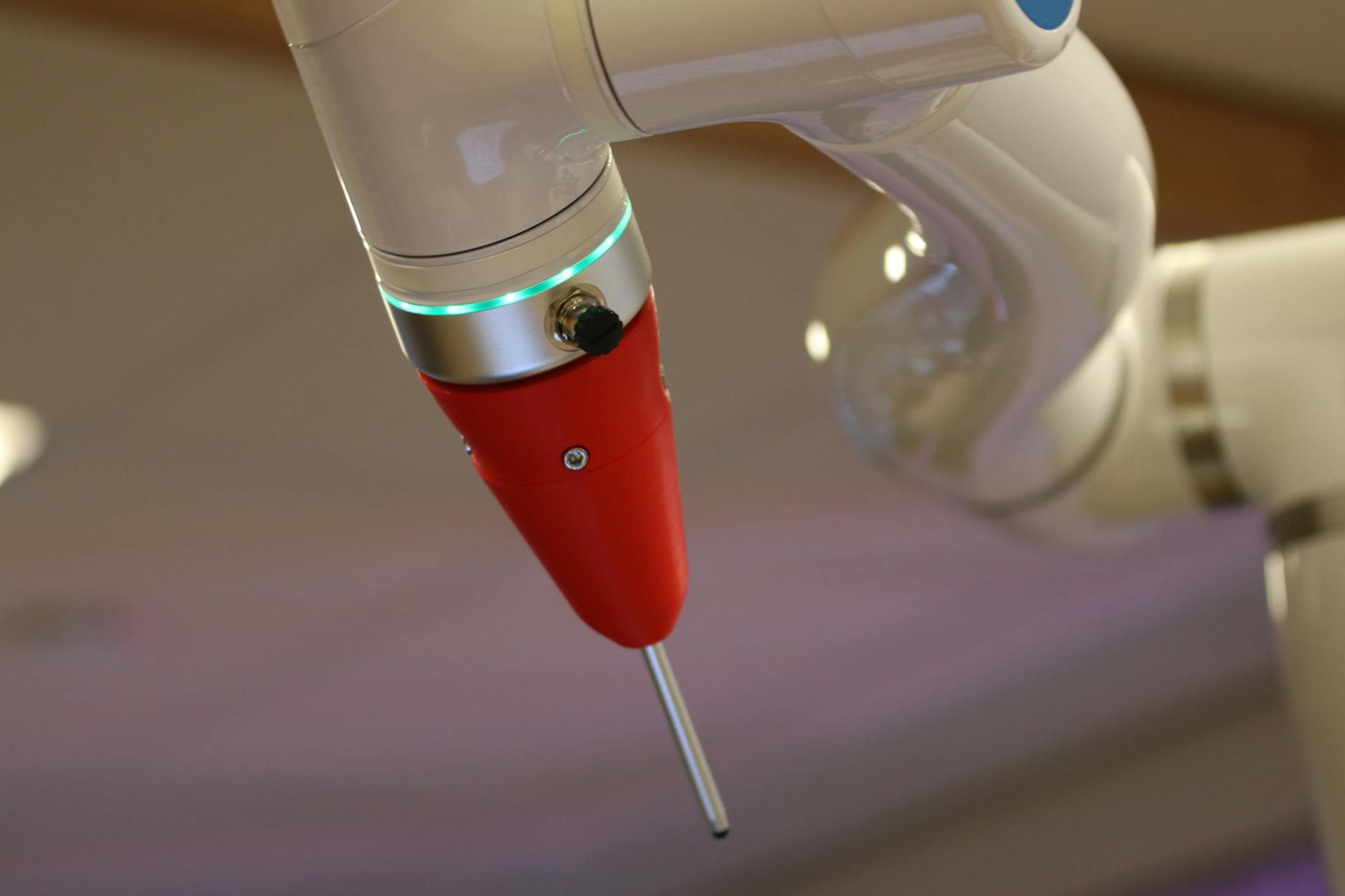
HGRAF materials have penetrated different robotics segments at different rates. Collaborative robots, which emphasize weight reduction and safety, have rapidly adopted HGRAF materials—major cobot manufacturers including Universal Robots and ABB now offer models using graphene-reinforced arms. Industrial manufacturing robots, where reliability and proven track records dominate purchasing decisions, have been slower to transition.
Warehouse automation companies like Amazon Robotics have integrated HGRAF materials for mobile robot chassis, yielding productivity improvements that justify the material costs in high-volume deployments. Consumer robotics—including robotic vacuums, lawnmowers, and household assistants—represent a frontier for HGRAF expansion. The cost premium currently makes HGRAF materials impractical for $500-2,000 consumer products, but as manufacturing scales upward and competing suppliers mature, HGRAF materials will likely become standard in premium consumer robotics segments within 5 years.
Future Outlook and Next-Generation Materials
HGRAF’s trajectory suggests the materials discovery model will extend beyond graphene to other advanced materials. Second-generation platforms emerging now focus on hybrid composites combining graphene with other nanostructured materials—boron nitride nanotubes, carbon nanofibers, and engineered metamaterials—to address specific shortcomings in pure graphene composites. These advances will further compress the gap between laboratory performance and field reality, making HGRAF-sourced materials applicable to an expanding range of robotics applications previously constrained by material limitations.
The integration of HGRAF with artificial intelligence and autonomous design systems represents the next frontier. Rather than engineers querying materials databases, AI-driven design tools will automatically recommend optimal material compositions as part of the design process, treating material selection as a variable equivalent to mechanical design parameters. This evolution could unlock robotics applications currently considered infeasible—ultra-lightweight exoskeletons, high-speed precision assembly systems, and long-endurance autonomous platforms where material performance is the limiting factor.
Conclusion
HGRAF functions as a central platform for robotics materials discovery by combining computational modeling, extensive testing data, and manufacturing expertise into a searchable resource that accelerates development cycles and improves performance outcomes. The platform’s primary contribution is eliminating costly trial-and-error material selection, allowing engineers to identify optimized materials faster and deploy robots with lighter weight, better thermal management, and improved durability. These advantages translate into concrete benefits: longer battery life, reduced actuator wear, faster operation, and higher precision in collaborative and autonomous systems.
However, HGRAF adoption requires accepting tradeoffs around cost, supplier dependency, and unproven performance in novel environments. The platform works best for applications where the performance gains justify material cost premiums and where field conditions align with laboratory validation. As manufacturing scales and competing platforms mature, HGRAF materials will become standard across premium robotics segments, particularly in collaborative robots and autonomous systems where weight and efficiency directly impact commercial viability. For robotics teams evaluating material strategies, HGRAF represents a decisive shift from generic material adaptation toward application-specific optimization—a fundamental change in how modern robots are engineered.
Frequently Asked Questions
Is HGRAF material suitable for robotics operating in outdoor environments?
HGRAF materials work well for outdoor robots in moderate climates, but UV exposure and rapid temperature cycling can degrade composites over 5+ years. Extended field validation is recommended for harsh outdoor deployments, as laboratory conditions don’t fully capture environmental stressors robots encounter in the field.
How much weight reduction can HGRAF materials achieve compared to traditional robotics materials?
Weight reductions range from 20-40% depending on the application and the baseline material being replaced. A graphene-reinforced composite arm can achieve 30% weight reduction compared to aluminum while maintaining or exceeding structural rigidity, translating directly into longer reach or higher payload capacity with the same motor size.
What is the cost premium for HGRAF materials in robotics applications?
Upfront material costs are typically 2-3 times higher than conventional alternatives, though total cost of ownership may be favorable if the robot operates for 8+ years and can fully utilize the efficiency gains. For short-term deployments or cost-constrained applications, the premium remains prohibitive.
Can HGRAF materials be repaired in the field, or do components require replacement?
Small damage can be repaired using specialized composite repair techniques, but most field-critical components are replaced rather than repaired due to difficulty assessing internal damage and variability in repair quality. This differs from traditional materials where on-site welding or straightening is standard practice.
Are HGRAF materials compatible with existing robotics manufacturing processes?
Mostly yes—HGRAF integrates into CAD and FEA workflows without changes, but manufacturing requires different tooling and processes than traditional materials. Robotics manufacturers using HGRAF partner with certified manufacturers in the HGRAF network to standardize production, which adds supplier dependency but ensures consistent quality.