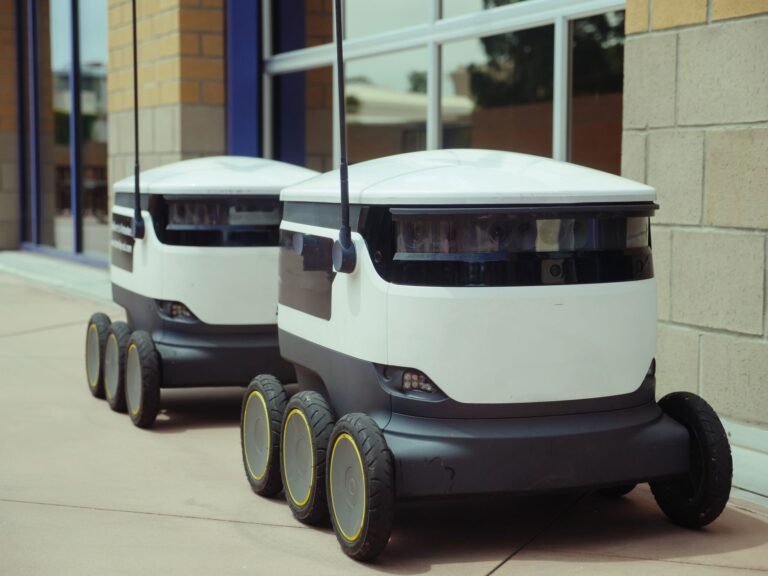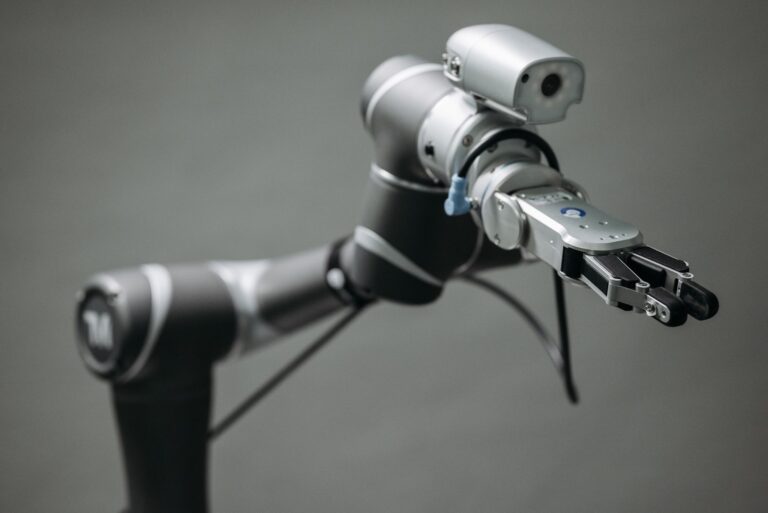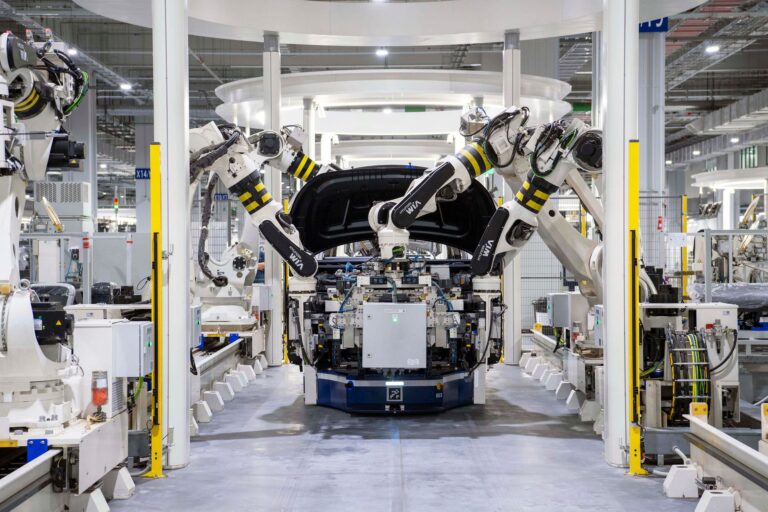

HGRAF represents a picks-and-shovels approach to automation input systems—providing the fundamental tools and infrastructure that enable industrial automation platforms to operate effectively rather than replacing the actual manufacturing or operational processes themselves. The philosophy centers on the idea that sustainable automation value comes from building robust, adaptable input systems that work seamlessly across multiple automation platforms and use cases. For example, a facility implementing collaborative robot systems doesn’t need proprietary input software; instead, HGRAF provides standardized control interfaces that allow those robots to integrate with existing conveyor systems, sensor networks, and warehouse management software without expensive reconfiguration.
The picks-and-shovels model has proven especially valuable in industrial automation because it acknowledges a fundamental reality: no single automation platform dominates every application. Rather than forcing manufacturers to choose between incompatible systems, HGRAF focuses on the connective tissue—the input layers, data translation protocols, and control standardization that let different automation solutions work together. This infrastructure-first approach has grown increasingly important as manufacturers operate heterogeneous equipment from multiple vendors and want flexibility to upgrade, swap, or integrate new automation components without wholesale system replacement.
Table of Contents
- How HGRAF Input Systems Enable Multi-Platform Automation
- The Data Translation and Control Architecture Within HGRAF Systems
- Real-World Implementation: Sensor Integration and Signal Conditioning
- Design Tradeoffs Between Standardization and Specialized Performance
- Common Implementation Challenges and Limitations
- Monitoring, Diagnostics, and Operational Intelligence
- Future Evolution and Integration With Advanced Automation
- Conclusion
How HGRAF Input Systems Enable Multi-Platform Automation
hgraf‘s core function involves translating real-world operational signals into actionable commands that automation systems can process. This translation layer sits between sensors, human operators, external systems, and the automation platform itself—it’s the infrastructure that multiple automation platforms can leverage simultaneously. Rather than each automation system requiring custom input modules, HGRAF provides standardized input handlers that work across different platform architectures. A manufacturing facility using both ABB industrial robots and Siemens PLCs can route sensor data, operator commands, and system instructions through HGRAF interfaces rather than maintaining separate, proprietary integration layers for each platform.
The practical advantage becomes clear in scaled operations. A distribution center managing automated picking, packing, and sorting equipment from three different vendors previously required IT resources to maintain three separate input architectures, each with unique APIs, data formats, and operational logic. After implementing HGRAF standardized input systems, the facility reduced integration complexity by consolidating around consistent input protocols while maintaining direct vendor support for the specialized automation controllers themselves. This separation of concerns—HGRAF handles input abstraction while vendors handle specialized performance—reduces total cost of ownership and operational risk.

The Data Translation and Control Architecture Within HGRAF Systems
HGRAF input systems operate on a principle of standardized data translation, converting heterogeneous input signals into platform-agnostic command structures that automation systems can execute. This matters significantly because real manufacturing environments mix analog sensors, digital signals, network protocols, legacy equipment connections, and human interface inputs—all operating on different timing requirements, data types, and communication standards. HGRAF middleware abstracts these differences rather than forcing expensive hardware replacement. A facility with legacy weight sensors communicating over analog 4-20mA signals can interface those sensors through HGRAF translation layers alongside modern IoT devices transmitting JSON-formatted data over MQTT, and both feed the same automation decision logic.
However, this abstraction layer introduces latency and complexity that can become problematic in time-critical applications. Real-time automation systems—such as those controlling high-speed packaging lines or precision assembly operations—can tolerate only millisecond-level delays between input signal and command execution. HGRAF systems designed for general-purpose industrial automation may introduce unacceptable latency in these specialized contexts. Additionally, the standardization that makes HGRAF valuable for general use can limit the ability to express platform-specific optimizations; a particular automation system might have superior performance with direct native control rather than through standardized input abstractions.
Real-World Implementation: Sensor Integration and Signal Conditioning
Implementation of HGRAF input systems typically begins with comprehensive sensor mapping—identifying all signals flowing into automation platforms and establishing standardized protocols for each signal type. In a automotive parts manufacturing facility, this meant cataloging over 400 input signals from vision systems, pressure sensors, temperature probes, motion detectors, and proximity switches. Rather than create unique input handlers for each signal, the facility designed HGRAF input modules organized by signal type: analog sensor values routed through one standardized conditioning module, digital event signals through another, and network-based sensor data through a third.
Each module performed signal validation, noise filtering, and format translation before passing data to automation controllers. The value of this approach emerged during equipment upgrades. When the facility replaced pressure sensors with newer models transmitting digital output instead of analog signals, the integration work required only reconfiguration within the relevant HGRAF module—changing input source and signal type, without requiring changes to automation logic, control sequences, or other platform integrations. The standardized architecture meant a one-day integration task rather than the weeks of rework that direct platform-specific connections would have demanded.

Design Tradeoffs Between Standardization and Specialized Performance
Choosing HGRAF standardized input systems versus platform-specific custom input architectures involves fundamental tradeoffs worth examining explicitly. Standardized HGRAF approaches offer advantages in flexibility, scalability, maintenance burden reduction, and ease of future platform changes. Custom input architectures optimized for a specific platform offer potential advantages in raw performance, latency minimization, and the ability to leverage platform-specific capabilities. The decision ultimately depends on your facility’s priorities: facilities prioritizing long-term flexibility, mixed-vendor environments, and operational simplicity typically see better outcomes from HGRAF approaches, while facilities running highly optimized single-platform environments sometimes accept the long-term integration complexity in exchange for performance advantages.
A practical example illustrates this tradeoff: a semiconductor manufacturing facility evaluated both approaches for a new assembly automation system. Custom input architecture would have delivered approximately 8-12% better throughput by eliminating HGRAF abstraction layers and leveraging platform-specific real-time capabilities. However, the facility expected platform technology changes every five to seven years and wanted the flexibility to introduce supplementary automation without complete system redesign. The 8-12% throughput cost proved acceptable against the long-term operational flexibility that standardized HGRAF input systems provided. Conversely, a high-precision medical device assembly operation chose custom input optimization because the single-platform, high-stability environment wouldn’t require future flexibility and the throughput improvement justified the integration complexity.
Common Implementation Challenges and Limitations
HGRAF input systems encounter predictable challenges during implementation that operators should anticipate. Signal quality issues—noise, timing inconsistencies, intermittent connection problems—can originate from the input environment itself, and HGRAF standardization cannot fix poor signal quality at the source. Facilities implementing HGRAF systems must still maintain excellent signal conditioning at the point of origin: proper shielding of analog sensor cables, stable power supply for sensors, and verified communication protocols. A distribution center struggled with HGRAF input accuracy until investigation revealed that digital sensors were transmitting erratic signals due to inadequate electrical isolation from nearby high-current motor controllers.
The HGRAF system functioned correctly; the input source required remediation. Another common limitation involves integration with legacy systems predating standardized input concepts. Older automation equipment built on proprietary control architectures sometimes resists translation into HGRAF standardized formats without custom bridging modules that partially defeat the standardization purpose. Organizations managing multi-decade-old automation infrastructure should budget discovery time to evaluate exactly which legacy systems require custom integration versus which can operate effectively through HGRAF standardized pathways. Additionally, HGRAF input standardization assumes consistent operational understanding across platforms, but different automation vendors interpret control concepts differently; what represents “feed increment” to one system might translate differently in another, and HGRAF semantic consistency requires careful definition during implementation.

Monitoring, Diagnostics, and Operational Intelligence
HGRAF standardized input systems enable operational advantages beyond simple signal translation—they create opportunities for comprehensive system monitoring and diagnostic intelligence. Because all input signals flow through standardized modules, a facility can implement unified monitoring of input accuracy, signal quality, latency, and anomalies across the entire automation environment.
This centralized visibility reveals patterns that would remain hidden in platform-specific input architectures: a subtle voltage drop affecting multiple sensor types simultaneously, systematic timing drift in network-based inputs, or operator command patterns indicating upcoming equipment stress. A food processing facility running HGRAF inputs discovered through centralized monitoring that weight sensor drift was beginning to occur hours before any individual sensor would have exceeded alert thresholds—enabling preventive recalibration before throughput impact.
Future Evolution and Integration With Advanced Automation
Industrial automation is gradually incorporating machine learning, predictive maintenance, and adaptive control systems—capabilities that depend fundamentally on reliable, standardized input streams. HGRAF input systems provide the consistent data foundation that these advanced capabilities require.
As automation environments evolve toward more autonomous decision-making and real-time optimization, standardized input architectures like HGRAF become increasingly valuable because they enable clean data handoff to advanced analytics and AI systems without requiring custom data translation for each platform. Organizations building automation infrastructure today should recognize HGRAF standardized inputs not just as current best practice but as foundational architecture supporting emerging automation capabilities.
Conclusion
HGRAF represents a well-established approach to industrial automation infrastructure: providing standardized input systems that enable multiple automation platforms to operate effectively without proprietary lock-in or continuous custom integration. The picks-and-shovels philosophy acknowledges that sustainable automation value comes from building robust foundational infrastructure rather than pursuing perfect optimization for individual use cases. Facilities implementing HGRAF-style input standardization typically discover that the moderate performance trade-offs are far outweighed by operational flexibility, reduced integration complexity, and lower long-term maintenance burden.
For organizations evaluating automation architecture decisions, the core question involves your timeline and flexibility priorities. Facilities expecting single-platform stability and maximizing near-term throughput might justify custom input optimization. Facilities managing multiple platforms, expecting future technology changes, or prioritizing operational flexibility should strongly consider standardized HGRAF input approaches as core infrastructure. Regardless of choice, understanding the input architecture layer—the tools enabling automation systems to perceive and respond to operational reality—is essential for effective automation deployment and long-term operational success.