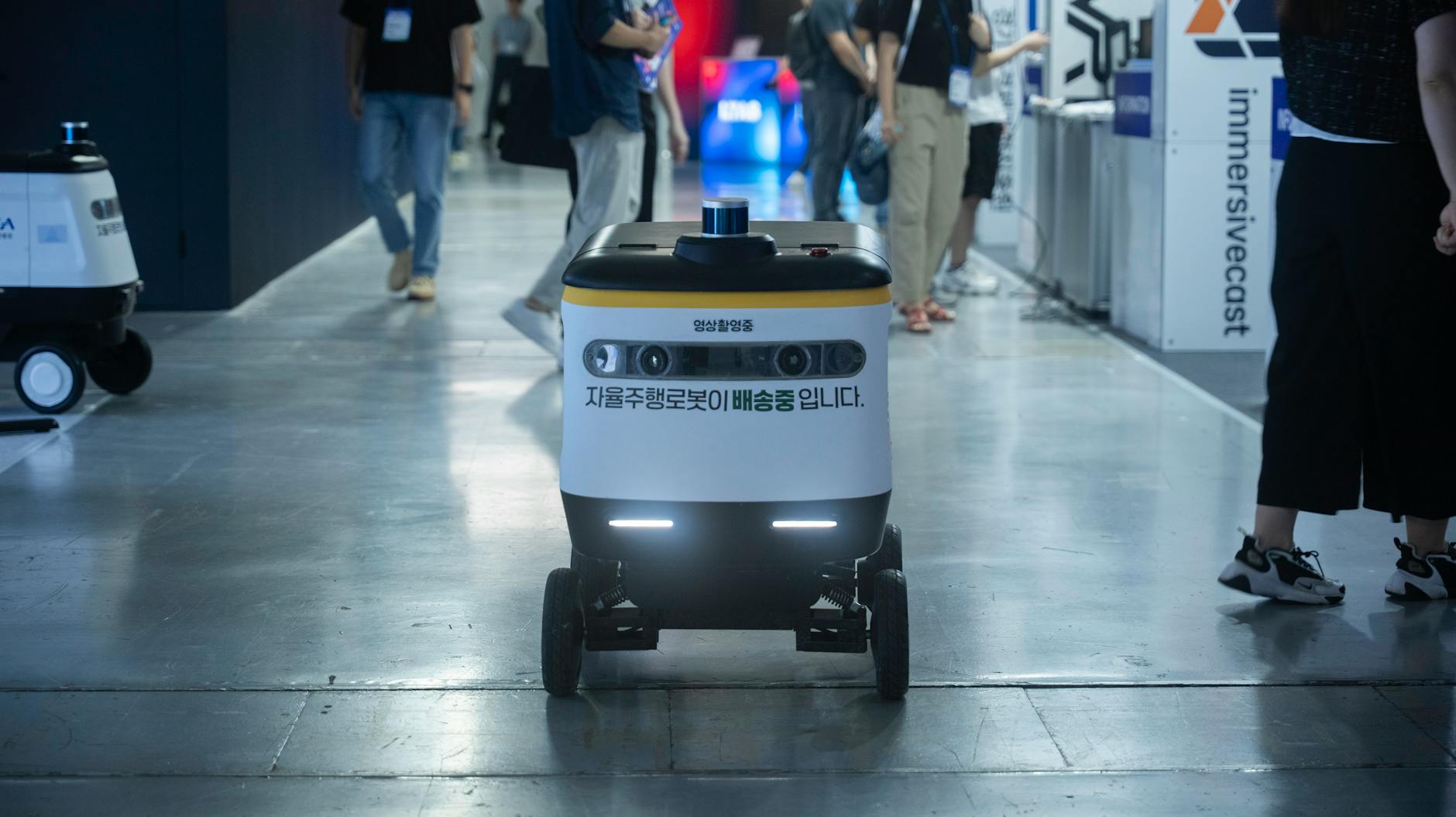

The service robotics scale play represents the fundamental challenge facing the robotics industry today: how to move beyond niche deployments and build economically sustainable businesses that can serve diverse markets profitably. Unlike manufacturing robots that operate in controlled environments performing repetitive tasks, service robots must navigate unpredictable real-world spaces, interact with humans, and deliver value across multiple verticals—hospitality, healthcare, logistics, security, and more. Scaling service robotics requires solving not just technical problems, but operational, economic, and regulatory ones simultaneously.
The core issue is unit economics. A single deployment of a cleaning robot, delivery robot, or inspection drone might work beautifully in a pilot project, but replicating that success across dozens of locations requires standardized hardware, reliable supply chains, trained operators, and predictable revenue models. Companies like Boston Dynamics, Clearpath, and Ghost Robotics have developed capable platforms, but the jump from prototype to profitable scale remains steep. The companies succeeding in service robotics scaling are those that view themselves as operators first and manufacturers second—understanding that owning the deployment, data, and customer relationships matters more than just building better hardware.
Table of Contents
- Why Service Robots Are Harder to Scale Than Manufacturing Robots
- The Leasing vs. Ownership Economics Challenge
- Data, Maps, and Deployment Friction
- Vertical Integration vs. Platform Strategy
- The Maintenance and Support Cost Hidden Tax
- Regulatory and Insurance Barriers
- The Path Forward—Narrow Markets First, Then Consolidation
- Conclusion
- Frequently Asked Questions
Why Service Robots Are Harder to Scale Than Manufacturing Robots
Manufacturing robots achieved massive scale because the problem was well-defined: perform a specific welding, assembly, or material-handling task in a predictable factory environment. The economics worked because one robot could replace multiple workers doing repetitive work at known labor costs. service robots face a fundamentally different scaling equation. Each deployment requires customization—a hospital needs different workflows than a hotel lobby, a warehouse requires different navigation capabilities than a museum.
The variability means higher engineering costs per customer and slower time-to-deployment. Additionally, service robots operate where humans work, which introduces liability, safety compliance, and training overhead that manufacturing robots don’t encounter. A warehouse robot can stop when a person enters its zone, but a cleaning robot in a 24-hour airport terminal must navigate around passengers, vendors, and service staff while maintaining safety certifications. This human-in-the-loop operational reality adds cost at every scale increment. Compare this to the semiconductor manufacturing industry, where robots operate in sealed fabs 24/7 with zero human presence—the operational cost per unit is dramatically lower even though the robots themselves are equally complex.
The Leasing vs. Ownership Economics Challenge
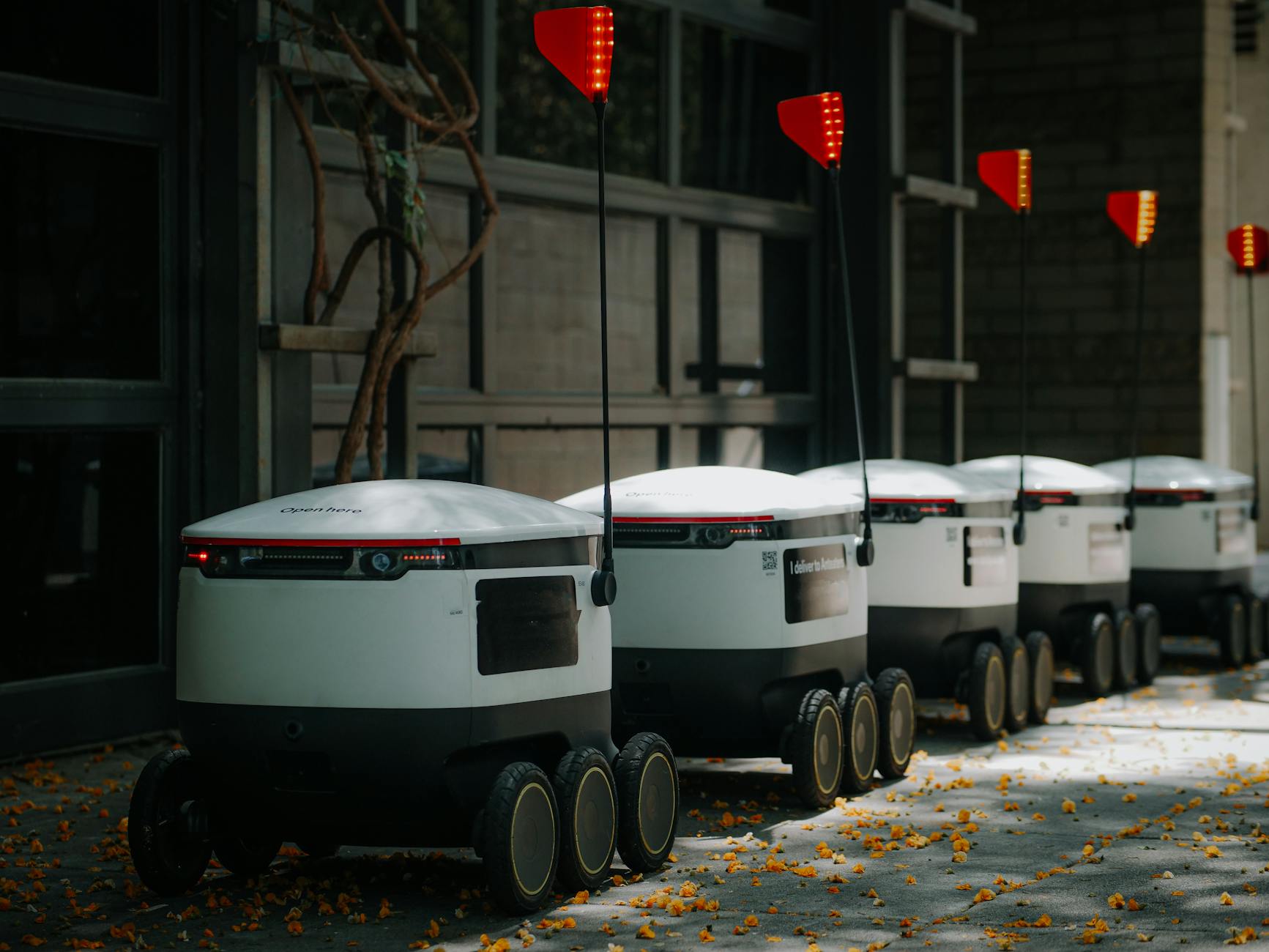
The most promising service robotics scaling models use leasing or managed operations rather than one-time sales. Companies like Locus Robotics (warehouse automation), Aeryon (inspection drones), and Moxi (hospital robots) have found that recurring revenue from managed deployments funds continuous improvement and customer support better than selling hardware outright. However, this model requires significant working capital and introduces long-term liabilities that hardware manufacturers typically avoid. The leasing model creates a structural problem: you must be right about two things simultaneously—hardware reliability and market demand. If robots fail frequently, warranty and maintenance costs eat margins. If demand drops, you have expensive assets depreciating on your books with long-term revenue commitments broken.
Tesla’s Optimus or Boston Dynamics’ Spot face this challenge directly. Spot costs around $27,500 to purchase, but the actual market for a four-legged robot that can climb stairs and navigate rough terrain is limited without a killer application. The companies succeeding at scale are those serving use cases with extreme labor costs or safety hazards—which limits the addressable market significantly. Warehouse automation scales because labor shortages are real and acute. Hospital robots scale where there’s genuine infection control or logistics bottlenecks. General-purpose robots marketed to solve unspecified problems don’t scale.
Data, Maps, and Deployment Friction
One underestimated barrier to service robotics scale is the data problem. Manufacturing robots come with CAD models and known environments. Service robots must map and understand their operating space in real time. A cleaning robot deployed in a new hospital must learn floor layouts, locate obstacles, and integrate with the existing facility management systems. This friction cost—site surveys, network infrastructure, staff training, custom integrations—can exceed the hardware cost and scales slowly because it’s manual.
Companies scaling service robots successfully are building abstractions that reduce this friction. autonomous mobile robot (AMR) platforms like those from MiR, Fetch, and Locus now come with cloud-based deployment tools that can upload environment maps, simulate robot routes, and pre-test integration before a single unit arrives. This reduces deployment time from weeks to days. However, this requires the company to be simultaneously good at robotics hardware, software, cloud infrastructure, and customer success—a rare combination. The flip side: once you solve this for one customer type, the next customer in the same vertical becomes much cheaper, which is why we’re seeing consolidation in vertical-specific robotics (healthcare, warehouse, last-mile delivery) rather than horizontal general-purpose platforms.

Vertical Integration vs. Platform Strategy
Service robotics companies face a strategic fork: build end-to-end deployed systems for specific verticals, or create platforms that customers integrate themselves. Vertical integration has worked for companies like Cobot manufacturers (Rethink, Universal Robots) because they focus on a narrow problem—helping humans and robots work together—and let system integrators handle customization. But pure vertical plays like warehouse robots or delivery vehicles face fierce competition and are increasingly commoditized. Platform plays are tempting because they offer higher margins and faster scaling, but they shift responsibility and risk to customers who often lack the expertise to deploy correctly. The practical tradeoff: vertical integration requires you to understand operations deeply, hire operational staff, and accept deployment risk.
The upside is predictable revenue and direct customer relationships. Platform plays let you outsource operations but make you dependent on integrators and expose you to negative experiences you can’t control. ABB’s robotics division chose tight vertical integration, which limits their addressable market but ensures high margins. Clearpath chose modularity and platform thinking, enabling faster iteration but requiring sophisticated customers. There’s no universally right answer, but the best scaling companies make this choice consciously rather than drifting into both models ineffectively.
The Maintenance and Support Cost Hidden Tax
Service robots fail. Sensors degrade, motors wear, software has bugs. In manufacturing, this is planned maintenance. In service robotics, it means a robot sitting idle on your customer’s site while you ship parts, arrange technician visits, or troubleshoot remotely—all costs that traditional hardware manufacturers don’t anticipate. Companies scaling service robots are being surprised by support costs that can represent 20-30% of annual revenue for deployed units.
The warning here is structural: early-stage robotics companies often have excellent hardware and software teams but underfunded operations and support infrastructure. They assume robots will work reliably; they won’t. Building a service robotics company that scales requires field technician networks, spare parts distribution, remote diagnostics capabilities, and predictive maintenance algorithms—all things that don’t exist until you already have thousands of units deployed. This chicken-and-egg problem explains why most service robotics scaling is done by companies with pre-existing logistics or field service networks (like Amazon Robotics emerging from Amazon’s operations, or Waymo’s autonomous vehicles leveraging Google’s infrastructure). A pure startup scaling service robots must either build this infrastructure themselves—capital and complexity intensive—or partner with companies that have it, which dilutes margins and reduces control.
Regulatory and Insurance Barriers
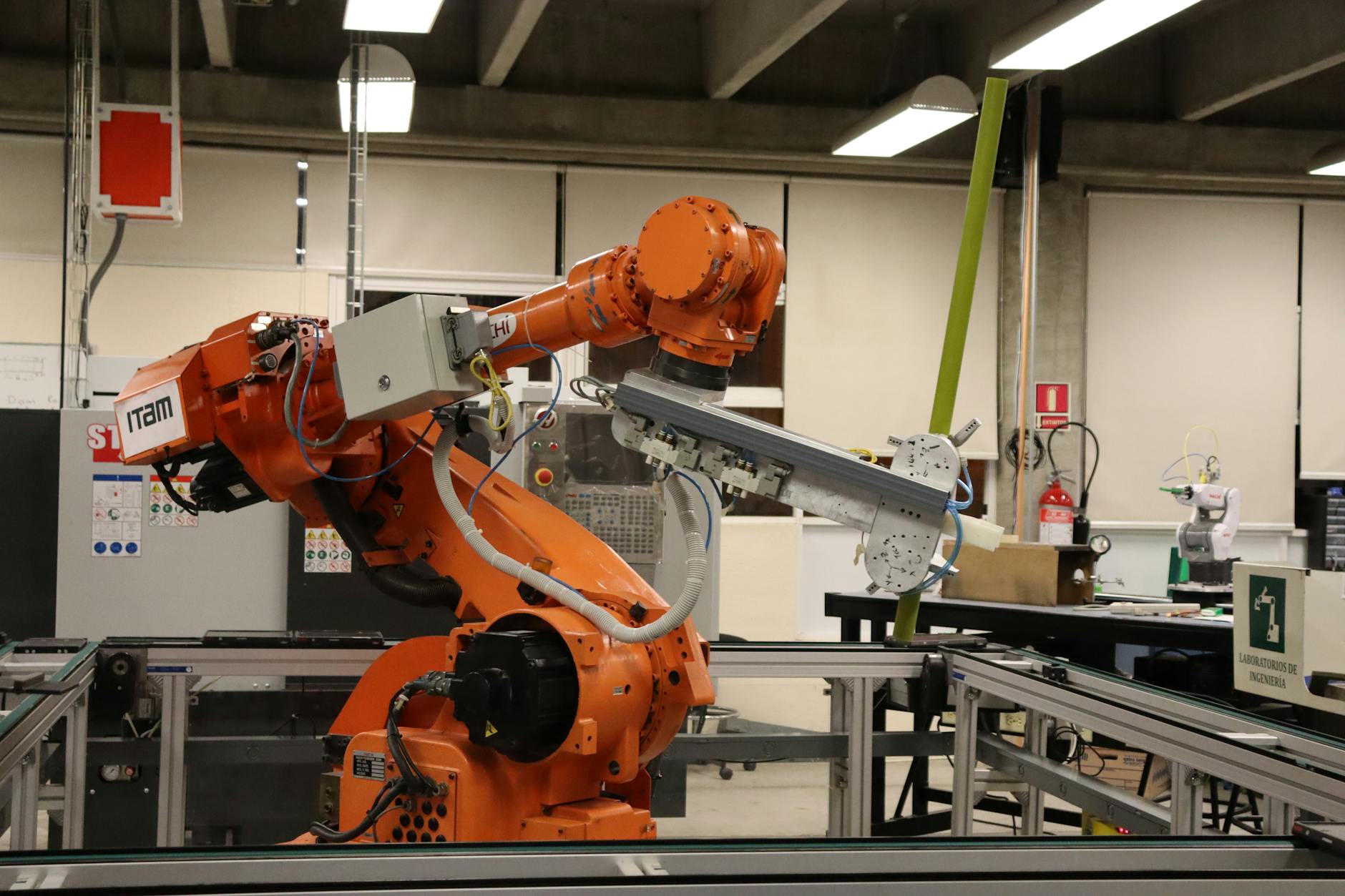
As service robots leave controlled environments, regulatory requirements increase sharply. A warehouse robot operating in a fenced area with only trained operators needs minimal safety certification. A robot operating in a public space or healthcare facility must meet liability, insurance, and safety standards that vary by region and industry. These are often outdated—most regulations around autonomous systems predate modern robotics—which creates both uncertainty and opportunity. Insurance is the hidden gate.
Few insurance products exist for deployed service robots because there’s limited loss history. A hospital might want to deploy a logistics robot, but insurance underwriters don’t know what the liability looks like. This uncertainty makes hospitals conservative, which slows adoption. Companies like Boston Dynamics and Waymo are working directly with insurance partners and regulators to establish standards, which is good for the industry but requires capital and patience that most startups don’t have. The scaling winners will be companies that can navigate this regulatory friction, either by solving it themselves or by focusing on verticals where regulatory burden is lower.
The Path Forward—Narrow Markets First, Then Consolidation
The service robotics scaling trajectory mirrors agricultural equipment, mining automation, and other capital-intensive industries: first, small players solve specific high-value problems (precision agriculture spraying, underground mine mapping). Then, as the tech matures and regulatory paths clarify, larger companies acquire those players, integrate them into broader platforms, and achieve scale through consolidation. We’re in phase one and early phase two. Companies like UiPath (automation software), Intuitive Machines (robotics for inspection), and Boston Dynamics (general-purpose robots) are acquiring smaller robotics businesses or building integrations with existing ones.
The robotics industry will likely see significant consolidation in the next five to ten years as the winners emerge. Scale in service robotics isn’t about building better robots—hardware is commoditizing. It’s about owning the operational relationship with customers, building defensible software and data moats, and establishing yourself in a vertical deep enough that you become the obvious choice. Companies pursuing broad horizontal markets (general-purpose robots that do everything) will struggle unless they have massive capital and patience. Companies pursuing focused verticals (hospitals, warehouses, last-mile delivery) with integrated operational models will scale.
Conclusion
The service robotics scale play is fundamentally about moving from impressive prototypes to profitable, repeatable business models. The technical challenges—building robots that work reliably in real environments—are largely solved. The hard problems are operational: deploying at reasonable cost, supporting systems in the field, building economically sustainable revenue models, and navigating regulatory frameworks. Companies succeeding at scale understand that they’re not really in the robotics business; they’re in the operations, data, and customer relationship business.
They’ve chosen a specific vertical, built integration capabilities and field support infrastructure, and made conscious tradeoffs between control and speed. The next phase of service robotics will be driven by companies that can combine strong robotics capabilities with operational excellence and deep vertical knowledge. This might be a startup with unique technology that partners with an established operator, or an operations company that acquires robotics capabilities and scales them through their existing networks. Either way, success requires seeing robots as the interface to a larger service delivery business, not as the business itself. The companies that recognize this distinction early will be the ones that actually scale beyond pilot projects.
Frequently Asked Questions
Why haven’t general-purpose robots like Boston Dynamics’ Spot achieved massive scale?
Spot is technically impressive but lacks a compelling economic case for most customers. It costs $27,500 upfront, requires site customization, ongoing support, and training. Compare this to hiring a person for specific tasks—the economics only work in niche applications like hazardous environment inspection. Without a high-value, repeatable use case, even a capable robot won’t scale.
What’s the difference between manufacturing robots and service robots in terms of scaling?
Manufacturing robots operate in controlled, predictable environments and replace workers doing repetitive tasks at known costs. Service robots operate in unpredictable spaces, must interact with humans, and often solve varied problems across different customers. This variability makes service robots much harder and more expensive to deploy at scale.
Are leasing models better than selling robots outright?
Leasing aligns incentives for reliability and customer success, but it requires significant capital and creates long-term liability. Selling outright is simpler but leaves you disconnected from operational problems. The best model depends on your vertical and whether you can support deployed units cost-effectively.
How do regulatory barriers affect service robotics scaling?
Regulations around autonomous systems, liability, and workplace safety are often outdated or missing. This creates uncertainty for customers and slows adoption. Companies that can navigate these barriers or focus on verticals with clearer regulatory paths will have a scaling advantage.
What should startups focus on to scale service robots?
Choose a narrow vertical with clear economic demand (not “general-purpose”), build integrated operational capabilities (deployment, support, integration), and understand your customer’s business deeply. Avoid trying to solve every problem. Depth beats breadth.
Will robots eventually become cheap and good enough to displace human workers broadly?
Possibly, but not soon. Current robots are expensive, require customization, and demand ongoing support. The path to broad displacement requires significant advances in mobility, manipulation, and general-purpose reasoning—probably 10+ years out. Near-term scaling will remain focused on high-value, well-defined tasks.