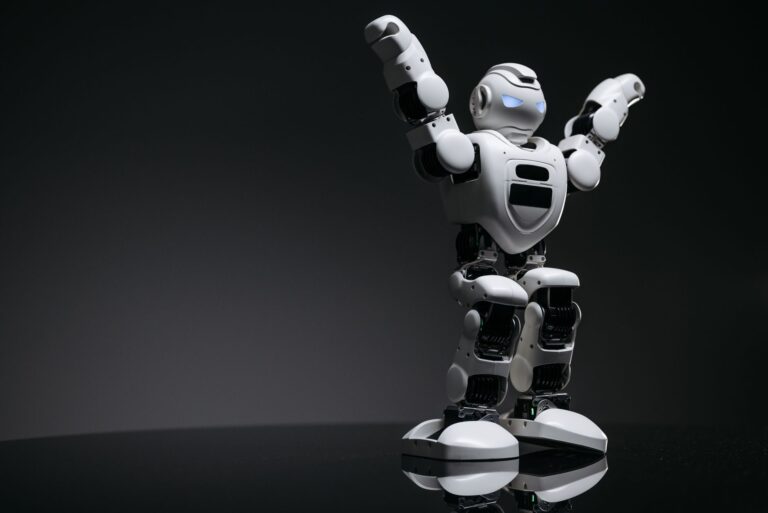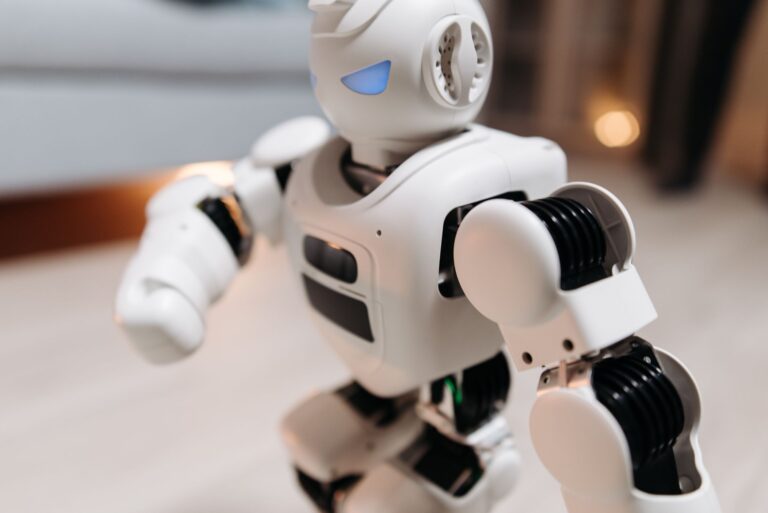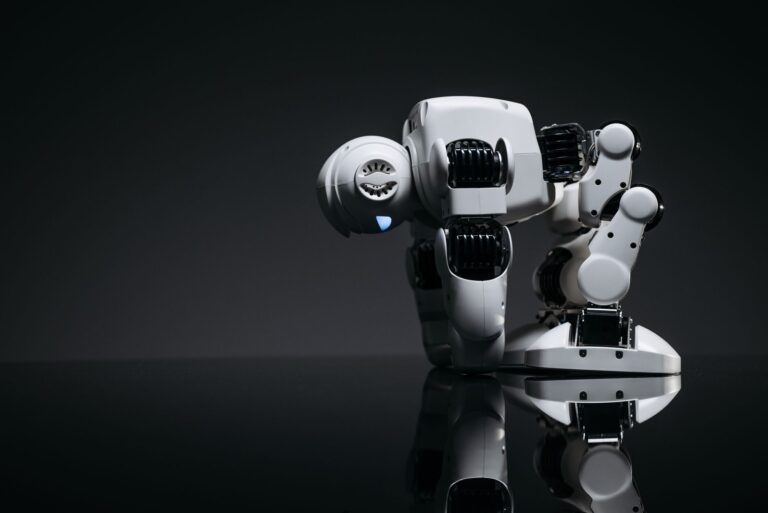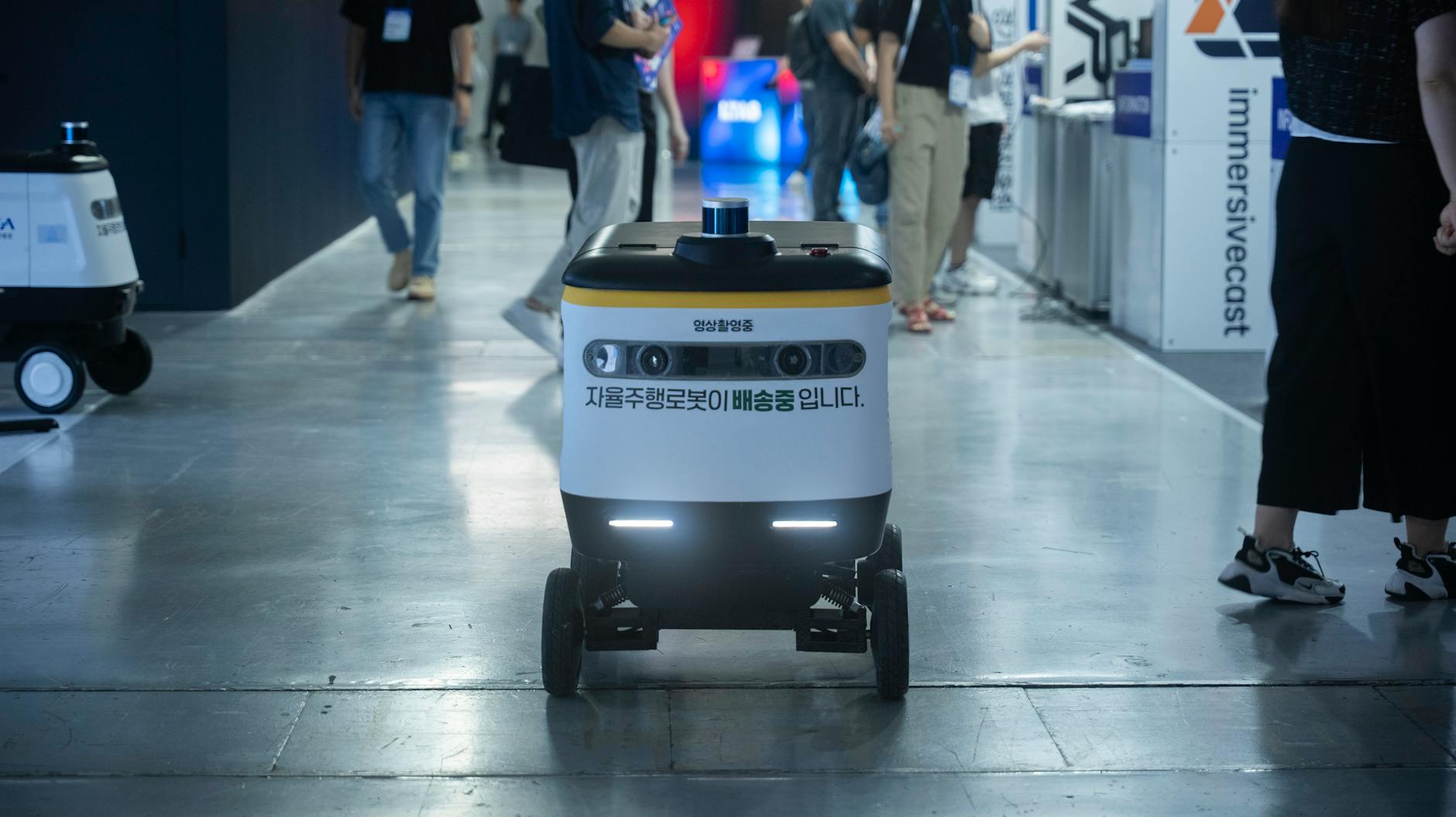

Richtech Robotics earns the comparison to NVIDIA as the Nvidia of restaurant robotics because it supplies the foundational AI and robotics platforms that enable automation across the foodservice industry, much like NVIDIA provides the chips powering the broader AI revolution. The company’s ADAM robot—an AI-powered barista capable of making espresso-based drinks with precision—represents the kind of specialized, purpose-built automation that restaurant operators depend on, while Richtech’s platform approach (using NVIDIA Jetson Orin processors and DeepStream SDK) positions it as infrastructure for the broader robotics ecosystem. When the Vegas Golden Knights deployed ADAM robots at their venues starting in November 2025 for bartending and guest engagement, Richtech proved that restaurant robots weren’t just industrial curiosities—they were practical, revenue-generating tools that hospitality operators would actively adopt.
The NASDAQ-listed company (ticker: RR) has grown substantially since its 2022 rebrand from Richtech Creative Displays. FY 2025 revenue hit $5.05 million, up 19% year-over-year, while the company now operates 20 Walmart-located restaurants through its expanded Ghost Kitchens partnership. The stock’s recent 52-week high of $7.43 and current market cap of $626.71 million reflect investor appetite for a company positioned at the intersection of labor shortage, automation demand, and AI capability—exactly where NVIDIA sits in computing infrastructure.
Table of Contents
- Why Restaurant Automation Mirrors NVIDIA’s Chip Infrastructure Role
- ADAM, Scorpion, and DEX—The Core Product Stack
- Partnerships That Signal Industry Legitimacy
- Stock Performance and Market Valuation
- Manufacturing, Supply Chain, and Operational Complexity
- The NVIDIA Connection and Technical Moat
- Restaurant Automation’s Future and Richtech’s Role
- Conclusion
Why Restaurant Automation Mirrors NVIDIA’s Chip Infrastructure Role
nvidia became dominant by providing the GPU hardware and software stack that every AI company needed. Richtech Robotics is attempting the same playbook in restaurants: it’s not just selling one robot, but building a platform of interconnected systems that operators can deploy across multiple locations. The company’s shift from display technology to robotics in 2022 was a deliberate pivot toward a sector where adoption barriers—skilled labor shortages, rising wages, operational consistency—create structural demand. The global restaurant automation market is projected to reach $28 billion in 2026, according to Fortune. Richtech’s positioning in this market mirrors NVIDIA’s in AI: not as the operator buying the technology, but as the provider of the fundamental tools. Just as restaurant chains need labor, they’re increasingly willing to adopt robots to solve that labor problem.
This is why the comparison resonates. NVIDIA didn’t need to open restaurants; it just needed to build the GPUs that made AI possible. Richtech doesn’t need to own every ghost kitchen; it just needs to equip them with robots that restaurant operators can’t function without. However, the scale difference is significant. NVIDIA’s market cap exceeds $3 trillion; Richtech’s is $626.71 million. The restaurant automation market remains fragmented, and Richtech competes against other robotics startups and legacy foodservice equipment manufacturers. The infrastructure play works only if Richtech can achieve industry-standard adoption—something that hasn’t happened yet.
ADAM, Scorpion, and DEX—The Core Product Stack
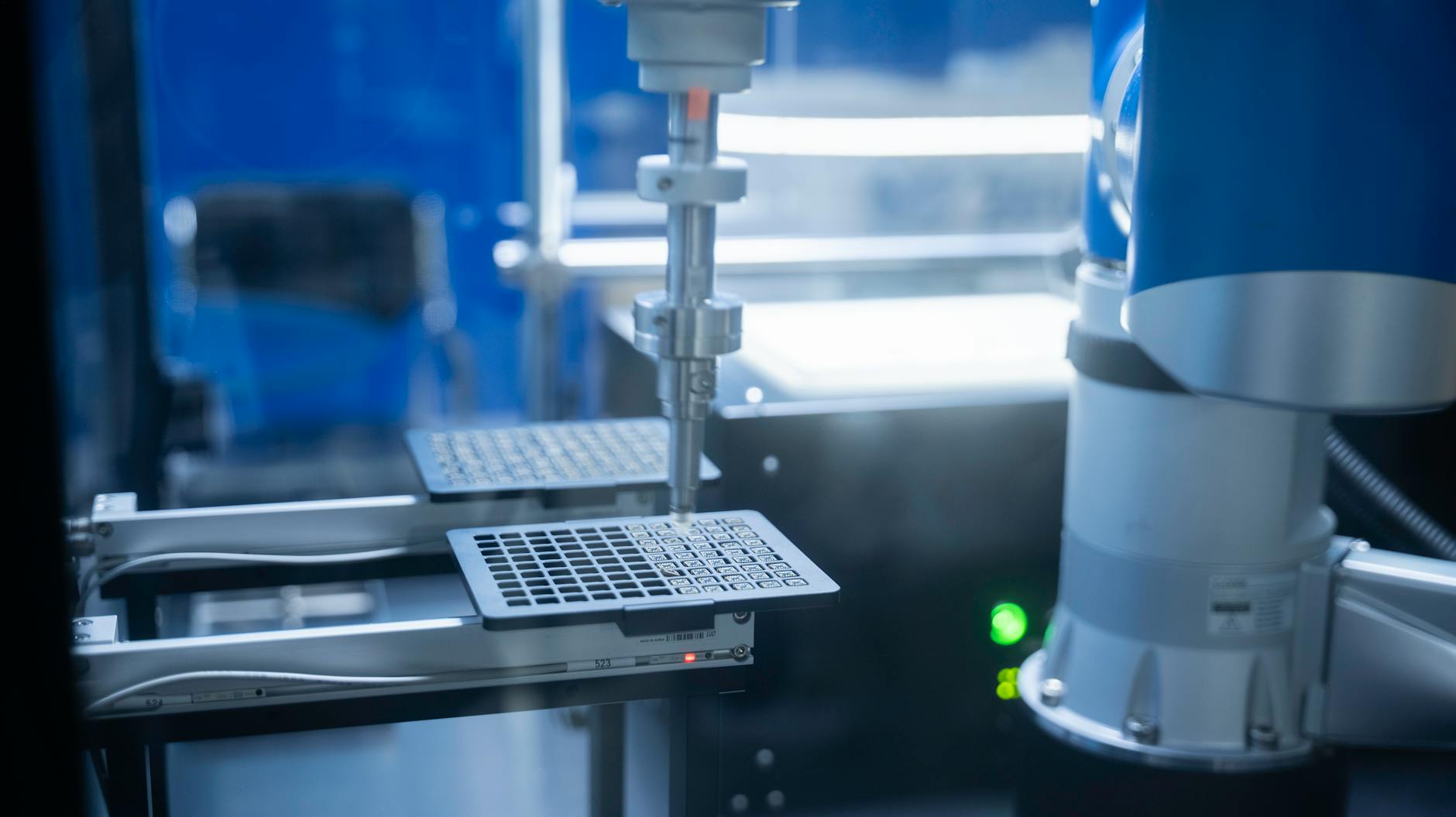
Richtech’s robot lineup mirrors the tiered approach of successful infrastructure companies. ADAM (Automated Dual Arm Mixologist) is the flagship, focused on beverage and espresso preparation with proven deployments at commercial venues. Scorpion is the visual monitoring and food assembly robot that debuted at a Walmart location in Peachtree City, Georgia, handling visual inspection and beverage/food automation tasks. DEX, unveiled at CES 2026 in January, is the mobile humanoid robot powered by NVIDIA’s Jetson Thor processor with a 4-hour battery life—a bet on the future where robots need mobility and human-like dexterity. Each robot targets different restaurant pain points. A labor-intensive coffee shop needs ADAM. A quick-service restaurant assembly line needs Scorpion.
A future restaurant where the robot can move between stations and perform varied tasks needs DEX. This product portfolio strategy reduces risk: if one category doesn’t scale, the others provide revenue. The limitation here is obvious—deploying multiple robot types across a single location creates integration complexity, staff training overhead, and maintenance challenges that Richtech hasn’t fully addressed in public communications. The technical foundation matters. These robots use NVIDIA’s Jetson platform and DeepStream SDK to achieve 95%+ accuracy in body movement detection and visual recognition. That’s not coincidental—it’s Richtech’s moat. By standardizing on NVIDIA’s processors, Richtech gains access to cutting-edge hardware, but also creates dependency. If NVIDIA discontinues a processor line or raises prices significantly, Richtech’s entire stack could become expensive to maintain.
Partnerships That Signal Industry Legitimacy
The Microsoft partnership announcement in January 2026 was a watershed moment. Richtech collaborated with Microsoft’s AI Co-Innovation Labs to develop agentic AI—software that allows robots to understand context, make decisions, and improve autonomously. This gave ADAM robots better vision models and contextual awareness, moving them beyond pre-programmed sequences toward more adaptive behavior. Real deployments validate technology faster than prototypes. The Vegas Golden Knights deal, beginning in November 2025, put ADAM robots in front of thousands of fans. The robots mixed drinks at events, engaged guests, and collected operational data showing how the robots performed under real pressure.
This is how NVIDIA built credibility—not by claiming GPUs would revolutionize AI, but by letting companies like OpenAI deploy them and prove it. Richtech’s Ghost Kitchens partnership, now operating 20 Walmart-located restaurants, provides similar proof of concept. These aren’t pilot projects; they’re live, revenue-generating operations. The warning: partnerships can obscure execution risks. A partnership with Microsoft or Walmart signals confidence but doesn’t guarantee that Richtech’s robots can reliably operate at scale across hundreds of locations. The 20 Walmart ghost kitchens are impressive, but they’re still a small fraction of the 10,000+ Walmart locations globally. Scaling from 20 to 200 to 2,000 requires solving problems that may not be visible yet—supply chain, repair logistics, software updates, staff adoption.
Stock Performance and Market Valuation
Richtech’s stock has been volatile. The 52-week high of $7.43 and low of $1.71 illustrate a stock at the mercy of narrative swings and execution concerns. As of April 23, 2026, shares trade at $2.61 with a market cap of $626.71 million. The company’s April 22 surge of 9.49% (from $2.53 to $2.77) shows that investors respond to catalysts—partnership announcements, earnings beats, robot deployments—but also that the stock is thinly traded compared to established robotics or automation companies. The revenue story matters here. $5.05 million in FY 2025 revenue growing 19% annually is respectable growth, but it’s small. At that rate, it would take over 100 years to reach just $1 billion in annual revenue.
For comparison, NVIDIA reached $60.9 billion in fiscal 2024 revenue. This isn’t a criticism of Richtech’s potential, but a reality check: the company is in the very early innings of a potentially massive market. The stock price reflects both opportunity and uncertainty. The tradeoff investors face is classic: high growth potential in a massive market versus high execution risk and unproven unit economics. A single major deployment at a QSR chain—McDonald’s, Subway, Chipotle—would likely revalue the stock dramatically. Conversely, if Richtech’s robots prove unreliable or labor unions successfully resist deployment, the stock could collapse. Right now, investors are pricing in possibility, not proven demand.
Manufacturing, Supply Chain, and Operational Complexity
Scaling robot production introduces constraints that Richtech must manage carefully. Building physical robots is harder than writing software—each unit requires components, assembly, testing, and quality control. A manufacturing defect or supply chain disruption could ground dozens of units simultaneously. Unlike software updates that deploy instantly, robot repairs require technicians and downtime at customer locations. The staffing challenge is real. Restaurant operators need to be trained on how to use each robot type, maintain safety protocols, and troubleshoot basic issues. If an ADAM robot fails mid-service, the venue loses bartending capacity immediately.
This isn’t a problem Richtech alone solves—it requires partnerships with equipment distributors, field service networks, and training organizations. Building that ecosystem is expensive and time-consuming. Companies like Miso Robotics have struggled with exactly these logistics challenges, even with successful product-market fit. A limitation worth highlighting: restaurant operators are conservative about new equipment. Despite labor shortages, many venues still prefer human workers because humans are flexible, improvable, and don’t break in the middle of a shift. Richtech’s robots need to demonstrate not just technical capability, but superior unit economics—lower total cost of ownership than hiring and training staff. At current deployments, that case may not be proven yet.
The NVIDIA Connection and Technical Moat
The comparison to NVIDIA goes beyond just market positioning. Richtech has made NVIDIA’s hardware and software the foundation of its robotic systems. Using Jetson Orin and Jetson Thor processors means Richtech benefits from NVIDIA’s annual improvements in compute density and AI performance. It’s a smart architectural choice—Richtech focuses on robotics and applications, while NVIDIA handles the AI hardware race.
The DEX robot unveiled at CES 2026 demonstrates this strategy clearly. Powered by NVIDIA’s Jetson Thor with a 4-hour battery life, DEX is fundamentally an embodiment of NVIDIA’s processing power. This positions Richtech as a preferred partner for NVIDIA, similar to how Tesla is NVIDIA’s most visible Autonomous Vehicle customer. However, this dependence cuts both ways. If NVIDIA prioritizes other robotics applications or partners, Richtech loses competitive advantage.
Restaurant Automation’s Future and Richtech’s Role
The robotics shift in restaurants isn’t hypothetical—it’s already happening. Labor costs in food service have risen 30% in the past five years, and skilled positions like bartenders and prep cooks face chronic shortages. This structural problem won’t go away, making restaurant automation increasingly inevitable rather than optional. By 2030, expect to see robots operating in thousands of U.S.
restaurant locations, with companies like Richtech positioned as suppliers of core platforms. Richtech’s future depends on three factors: achieving reliable, cost-effective manufacturing; building a durable partnership ecosystem; and proving that robot-equipped restaurants deliver superior profitability. The NVIDIA comparison is apt not because Richtech has achieved NVIDIA’s scale, but because it’s pursuing the same strategic playbook—become so essential to the industry’s infrastructure that you become indispensable. If Richtech succeeds, it could be a generational investment. If execution falters, the stock will face significant pressure from more entrenched competitors.
Conclusion
Richtech Robotics deserves the “Nvidia of Restaurant Robotics” label not for current market dominance, but for strategic positioning. The company supplies foundational AI-powered robotic platforms that enable restaurant automation across the industry, using proven NVIDIA processors and building partnerships with major operators like Walmart and the Vegas Golden Knights. The 19% revenue growth and expanding Ghost Kitchens footprint show traction in an estimated $28 billion global market.
However, investors and operators should approach Richtech with both enthusiasm and caution. The stock remains volatile, the business is early-stage, and scaling manufacturing and field operations at a national level presents challenges that remain unproven. Success requires not just great robotics, but reliable supply chains, trained technicians, and proof that robot-equipped restaurants outperform those relying on human labor. The company has the technology and market tailwinds; execution now determines whether it becomes truly indispensable infrastructure.