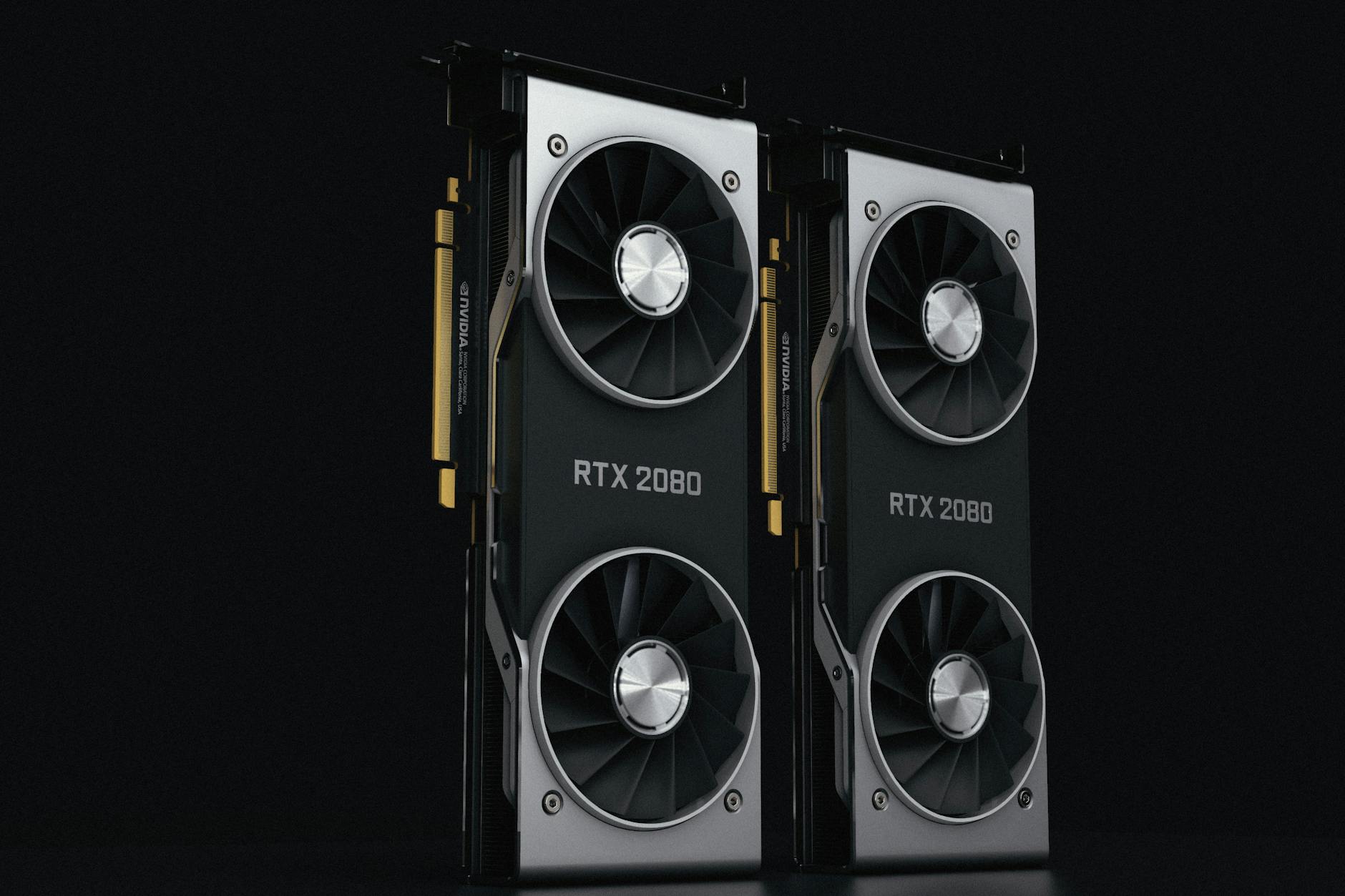

ARBE Robotics has emerged as the dominant force in autonomous vehicle radar technology—a position that earns the “Nvidia of autonomous radar” comparison. The Israeli company’s radar system delivers unprecedented detection capabilities that fundamentally outpace competing solutions, positioning it as the critical sensing technology for next-generation autonomous vehicles. Unlike vision or lidar alone, ARBE’s radar operates in conditions where other sensors fail, making it the indispensable foundation for truly weather-independent autonomous driving.
The comparison to Nvidia is apt because both companies control essential infrastructure for autonomous systems. Just as Nvidia’s GPUs became the backbone of AI computing, ARBE’s radar technology is becoming the baseline requirement for Level 3 and Level 4 autonomous vehicles. When a state-owned Chinese automaker selects ARBE’s system for production in late 2026, it signals that the technology has crossed from innovation into necessity.
Table of Contents
- How ARBE’s Radar Achieves 100x More Detection Detail Than Competitors
- All-Weather Autonomy and the Winter Driving Problem
- The Strategic Partnership with NVIDIA and Computing Integration
- Production Transition and Commercial Momentum in 2026
- Integration Challenges and the Gap Between Innovation and Deployment
- Real-World Autonomous Applications Enabled by ARBE Technology
- The Evolution of Radar as Autonomous Driving’s Primary Sense
- Conclusion
How ARBE’s Radar Achieves 100x More Detection Detail Than Competitors
ARBE’s technical advantage comes from a 2,304-channel radar array that generates over 20,000 detections per frame—approximately 100 times more environmental data than conventional automotive radar systems. This density of information transforms how autonomous systems perceive their surroundings. A standard automotive radar might detect a large vehicle at 200 meters; ARBE’s system detects not just the vehicle but distinguishes between different parts of it, reads surface textures, and identifies pedestrians at distances where they become actionable targets for emergency maneuvers.
The practical difference is measurable. In highway scenarios, ARBE’s 300-meter detection range at speeds up to 130 km/h means an autonomous vehicle has several extra seconds to process hazards before reacting. That additional reaction window is the difference between controlled emergency braking and collision avoidance. Competitors operating at lower detection densities face a fundamental physics constraint: they see less, later, with less granularity—a disadvantage that no software optimization can overcome.

All-Weather Autonomy and the Winter Driving Problem
One of autonomous driving’s most persistent engineering challenges is winter performance. Rain, snow, fog, and sleet degrade camera and lidar performance to unreliable levels. ARBE’s radar maintains detection capabilities across all these conditions because radar signals pass through precipitation in ways optical sensors cannot match. A vehicle equipped with ARBE radar can maintain Level 4 autonomy on a snowstorm highway where a camera-only system would be forced to hand control back to a human driver.
The limitation to acknowledge: ARBE’s advantage in adverse weather doesn’t eliminate the need for complementary sensors. The company positions radar as the primary decision layer—the first sense that tells the system what’s around it—but most autonomous platforms will still use vision and lidar as verification layers. This means ARBE’s technology doesn’t replace existing sensor stacks; it becomes the foundation they’re built upon. The cost implication is significant: adding ARBE’s automotive-grade system to a vehicle increases the sensor suite’s expense considerably, a barrier that still excludes mass-market adoption despite the technology’s maturity.
The Strategic Partnership with NVIDIA and Computing Integration
ARBE’s partnership with nvidia combines the radar’s massive detection capability with NVIDIA’s DRIVE AI computing platform, creating what amounts to a vertically integrated autonomous driving brain. ARBE provides the sensory input; NVIDIA provides the processing power and software frameworks to turn that input into driving decisions. This pairing matters because raw radar data—20,000 detections per frame—is only useful if processed intelligently. NVIDIA’s platform handles the computational workload, runs the neural networks trained on ARBE data, and manages the AI inference in real time.
The relationship also signals market structure. Neither company needs to build a complete autonomous vehicle; instead, they’re building essential layers of the stack. Automakers and robotics companies can license ARBE’s radar, integrate NVIDIA’s computing, and focus their engineering on application-specific behavior. A delivery robot, a self-driving taxi, a mining truck, and a highway truck all use the same ARBE-NVIDIA foundation but differ in their mission-specific logic—the pattern that dominated smartphone development through application stores.
Production Transition and Commercial Momentum in 2026
ARBE has progressed from prototype and development stages to production readiness. The company announced plans to shift its radar chipset from development to production during 2026, a timeline reflected in near-term commercial commitments. Most notably, a state-owned Chinese automaker selected ARBE’s radar for a Level 4 autonomous driving program with production start planned for December 2026. This represents the first major OEM commitment to mass production of ARBE’s technology.
The CES 2026 showcase of ARBE’s automotive-grade radar system served as the public announcement of this production readiness. For investors and industry participants, this signals that ARBE has cleared the validation hurdles that separate promising technology from deployable systems. A China automotive program is particularly significant because Chinese regulators are accelerating autonomous driving deployments, and Chinese automakers are aggressively adopting advanced driving systems. ARBE’s selection indicates the company has achieved both technical qualification and cost competitiveness in one of the world’s largest vehicle markets.
Integration Challenges and the Gap Between Innovation and Deployment
Deploying ARBE’s radar at production scale introduces complexities beyond sensor performance. Automakers must integrate the technology into existing vehicle architectures, calibrate it across different models, develop manufacturing processes to maintain consistency, and validate safety across diverse operating conditions. A single radar system failure mode that causes false positives at highway speeds becomes an unacceptable liability. This is why the transition from development to production, while announced, still requires multiple years of real-world validation.
The other barrier is less technical but equally consequential: cost. Automotive-grade radar systems capable of ARBE’s detection density are expensive relative to traditional radar. This is why early adopters are primarily Level 3 and Level 4 systems on premium vehicles or commercial robotics platforms with higher budgets. Until manufacturing scale brings unit costs down substantially, ARBE’s technology will remain concentrated in higher-tier applications rather than driving across the industry uniformly.
Real-World Autonomous Applications Enabled by ARBE Technology
The practical deployments of ARBE’s radar are beginning to materialize in commercial robotics and autonomous vehicle testing. Delivery robots navigating urban environments benefit from ARBE’s all-weather performance—they don’t shut down during rain. Autonomous mining trucks in harsh climates where dust and precipitation reduce camera effectiveness rely on radar as the primary sensor.
Long-haul autonomous trucks testing on highways depend on ARBE’s 300-meter range for advanced warning of hazards ahead. A concrete example: an autonomous shuttle testing in a northern climate can maintain reliable autonomy during winter weather while competitors face reduced capabilities or require human intervention. This shifts the competitive advantage from summer testing in favorable conditions to year-round reliability in real climates. ARBE’s radar becomes the sensor that enables geographic expansion of autonomous vehicle operations.
The Evolution of Radar as Autonomous Driving’s Primary Sense
The long-term significance of ARBE’s dominance in radar is that the industry is converging on radar as the primary decision-making sensor rather than a backup to vision or lidar. Early autonomous systems treated radar as supplementary; the future architecture treats it as fundamental. This shift reflects the physics: radar’s weather independence and range performance offer capabilities that other sensors fundamentally cannot match.
ARBE’s positioning suggests the future competitive landscape in autonomous mobility will have distinct layers—sensor providers like ARBE, computing platforms like NVIDIA, integration partners, and application-specific companies. The company is betting that radar becomes as essential to autonomous vehicles as chips are to smartphones. If that bet is correct, ARBE’s current lead in detection density and all-weather performance is the foundation for sustained market dominance, not a temporary advantage that competitors will quickly replicate.
Conclusion
ARBE Robotics deserves the comparison to Nvidia because both companies control essential enabling technology that autonomous systems cannot bypass. The company’s 100x detection advantage, all-weather capability, and 300-meter range establish a technical moat that translates into commercial traction. The December 2026 production start with a major Chinese automaker confirms the technology has moved from promising prototype to validated platform.
The path forward involves continued production scaling, cost reduction, and integration into more vehicle platforms. For the robotics and autonomous vehicle industry, ARBE’s success means radar has transitioned from a niche sensor to the foundation of reliable autonomous operation. Competitors must now match ARBE’s technical capabilities or accept permanent disadvantages in weather performance, range, and detection density—a gap that favors the market leader.