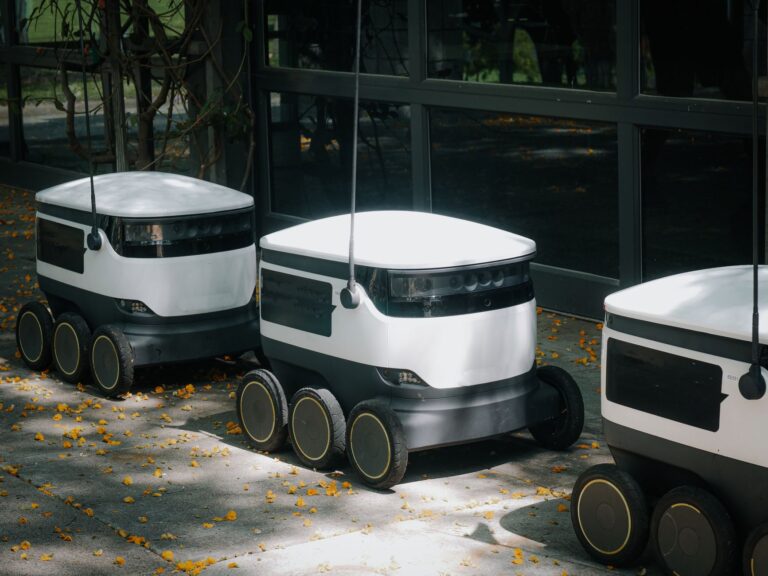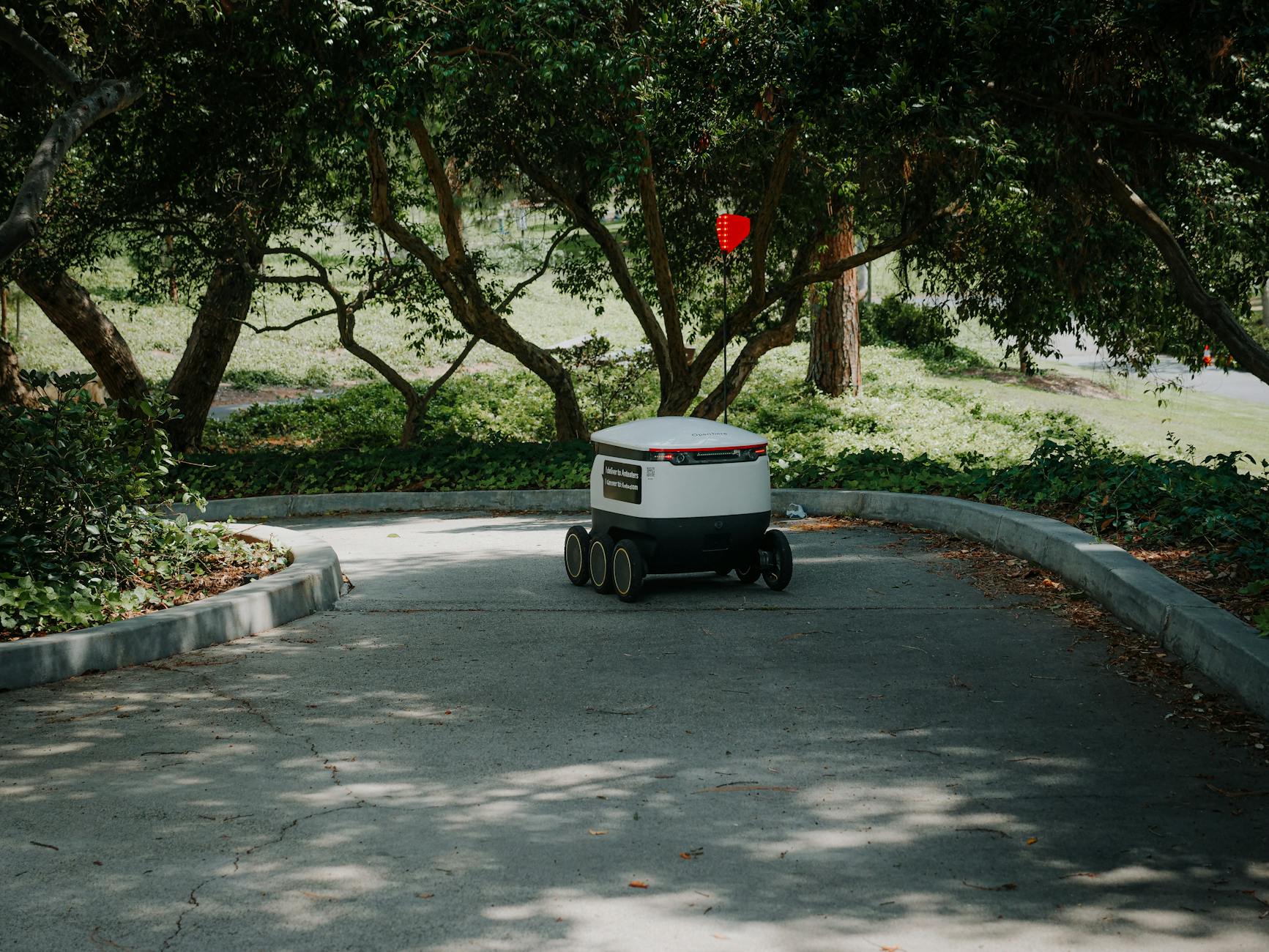

GFAI (Guardforce AI) is not the next Google—it’s a distinct autonomous security company carving its own path in robotics and AI-powered security solutions. Guardforce AI, traded on NASDAQ under ticker GFAI and headquartered in Singapore since its April 2018 founding, operates across secured logistics, robotics AI solutions, and general security services primarily in China, Thailand, and surrounding markets. While Google Cloud has been developing its own autonomous security initiatives announced at Cloud Next 2026, GFAI represents a separate wave of innovation focused on deploying autonomous agents and robotics-as-a-service in real-world security and retail environments.
The comparison highlights a critical distinction in the autonomous security landscape: large cloud providers like Google are building centralized, cloud-native autonomous agents, while smaller, specialized companies like GFAI are deploying distributed robotics and AI solutions in specific verticals. GFAI’s recent expansion shows the practical direction of autonomous security—from theoretical frameworks to on-the-ground deployments. In February 2026, the company extended a smart retail partnership with a Thailand sportswear brand and received requests for five additional retail locations in 2026 and one in 2027, demonstrating that autonomous security isn’t just a future concept but a present reality for businesses seeking scalable, AI-driven protection.
Table of Contents
- What Distinguishes GFAI’s Approach to Autonomous Security?
- The Reality of a Small-Cap Security Company in a Large Industry
- Autonomous Agents in Security—Industry Concerns and Real-World Deployment
- RaaS vs. Cloud-Native Autonomous Security—A Market Divergence
- Regulatory and Deployment Challenges for Autonomous Physical Systems
- The Role of AI Speech Therapy in GFAI’s Autonomous Future
- The Autonomous Security Landscape Beyond Tech Giants
- Conclusion
What Distinguishes GFAI’s Approach to Autonomous Security?
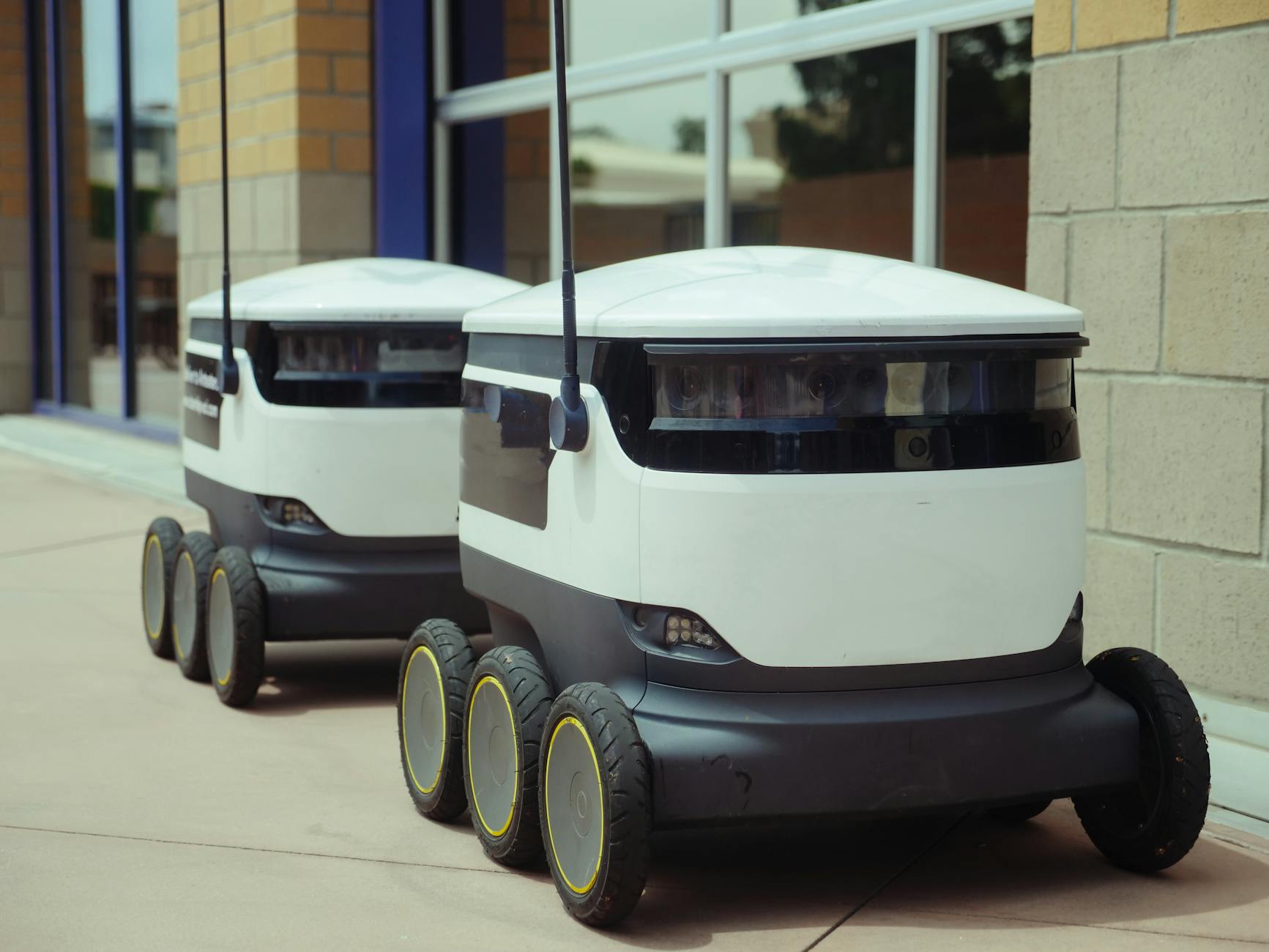
Guardforce AI’s business model centers on three operational segments: secured logistics, robotics AI solutions, and general security services. Unlike cloud-native approaches, GFAI deploys physical robots and AI agents directly into client environments, creating what the company calls Robotics-as-a-Service (RaaS). this distinction matters because autonomous security at GFAI involves actual hardware—robots patrolling retail spaces, AI systems managing logistics operations—rather than purely digital threat detection occurring in cloud infrastructure.
The company’s November 2025 rollout in Thailand exemplifies this approach. GFAI deployed its AI Agent platform alongside its RaaS capabilities, which has resulted in nearly 100 contracted events for its Wishnote solution. This illustrates a key difference from Google’s autonomous security initiatives: GFAI’s agents perform visible, customer-facing functions (retail security, facility monitoring) rather than backend threat detection. However, this approach carries a limitation—physical deployments require significant capital investment, maintenance, and local partnerships, making scaling more complex than cloud-based solutions.

The Reality of a Small-Cap Security Company in a Large Industry
GFAI remains a small-cap stock with a market capitalization of $12.53 million, which represents both opportunity and constraint. For a robotics company deploying autonomous systems, a small market cap means limited capital for research and development compared to tech giants. In February 2026, GFAI authorized a share repurchase program of up to $5 million—significant for the company but modest relative to the hundreds of millions that major cloud providers invest in AI annually.
This funding constraint shapes GFAI’s strategy. Rather than competing head-to-head with google Cloud on generalized autonomous security platforms, GFAI focuses on specific verticals where physical presence creates competitive advantage: retail operations, logistics, and regional security services. The company’s acquisition of MGAI Limited (an AI speech therapy platform serving over 110,000 patients and 20,000 rehabilitation professionals) shows strategic diversification beyond pure security, suggesting GFAI is expanding into adjacent autonomous AI markets. The limitation here is clear: a small-cap company must balance growth ambitions with operational constraints that larger competitors don’t face.
Autonomous Agents in Security—Industry Concerns and Real-World Deployment
The broader autonomous security landscape reveals a critical gap between enthusiasm and implementation concerns. A 2026 survey found that 92% of security professionals expressed concern about the impact of AI agents on their operations. These concerns range from job displacement to autonomous systems making security decisions without human oversight.
For companies like GFAI deploying robots into retail and logistics environments, this skepticism represents a real adoption barrier. The threat landscape has also shifted dramatically, with cybercriminal handoff time (the window between network breach and attacker gaining operational access) shrinking from 8 hours three years ago to just 22 seconds today, according to Google Cloud’s M-Trends 2026 report. This compression means autonomous security systems must operate at machine speed to be effective—a capability that GFAI’s AI Agent platform targets but which also underscores the stakes if autonomous systems malfunction or are compromised. Real-world deployment requires not just technical capability but demonstrable safety and reliability, which small companies must earn through successful case studies before enterprise adoption accelerates.

RaaS vs. Cloud-Native Autonomous Security—A Market Divergence
The robotics-as-a-service model that GFAI champions represents a different market evolution than cloud-based autonomous security. With RaaS, companies pay for autonomous robots deployed in their facilities—think robot security guards in retail spaces or autonomous logistics systems in warehouses. With cloud-native autonomous security (Google’s approach), security agents run in the cloud and protect digital infrastructure. The tradeoff is immediate and practical: RaaS provides visible, physical security but requires ongoing maintenance and facility integration, while cloud-based systems scale globally with zero physical footprint.
GFAI’s February 2026 retail expansion exemplifies RaaS momentum. The sportswear brand’s requests for additional deployments suggest that clients see tangible value in physical autonomous agents for retail security and operations. However, the tradeoff cuts both ways—deploying robots in Thailand requires local partnerships, compliance with regional regulations, and customer support infrastructure that cloud-native competitors don’t need. A security director evaluating options must weigh whether autonomous robots deployed on-site provide enough advantage over cloud-based threat detection to justify the operational complexity.
Regulatory and Deployment Challenges for Autonomous Physical Systems
One of the largest barriers GFAI faces is regulatory acceptance of autonomous robots in public-facing environments. While software-based autonomous agents operate in a relatively clear regulatory space (governed largely by data protection and cybersecurity frameworks), physical robots in retail or logistics trigger safety, liability, and labor law considerations. Thailand’s acceptance of GFAI’s deployed systems suggests regulatory openness in certain markets, but deployment elsewhere faces scrutiny from labor unions, workplace safety boards, and consumer protection agencies.
The liability question is particularly acute. If an autonomous security robot injures a customer, fails to detect a threat, or malfunctions during critical operations, who bears responsibility—GFAI, the client company, or the robot itself (in jurisdictions that recognize robot liability)? This legal uncertainty hasn’t prevented GFAI’s expansion, but it constrains how aggressively the company can market its systems in regulated markets like North America or Europe. For businesses considering RaaS adoption, this risk must be factored into procurement decisions, especially in high-liability environments like airports or hospitals.
The Role of AI Speech Therapy in GFAI’s Autonomous Future
GFAI’s acquisition of MGAI Limited, an AI speech therapy platform serving over 110,000 patients and 20,000 rehabilitation professionals, reveals an underappreciated dimension of “autonomous security” at GFAI. While robot security guards capture attention, autonomous systems that deliver healthcare or therapeutic services represent a more subtle but equally important market. MGAI’s platform uses AI to deliver speech therapy autonomously, with human professionals supervising and adjusting treatment—a model that echoes GFAI’s broader approach to AI deployment.
This expansion suggests GFAI views “autonomous” not as a threat to human workers but as a capability that augments professional services. In speech therapy, autonomous systems can provide consistent, scalable training while therapists focus on complex cases and patient outcomes. The same logic applies to retail security—autonomous robots handle routine patrols and perimeter monitoring, freeing human security staff for customer interactions and complex decision-making. This human-plus-autonomous model may be GFAI’s most defensible long-term positioning.
The Autonomous Security Landscape Beyond Tech Giants
The key insight about GFAI’s position is that autonomous security is not a single market dominated by one player. Google Cloud, GFAI, and dozens of other companies are building different solutions for different problems. Google addresses digital threats at scale through cloud-native agents. GFAI addresses physical and operational security through deployed robots and AI systems in specific regions.
Neither company is the “next Google”—instead, the market is fragmenting into specialized autonomous systems tailored to specific verticals and geographies. Looking forward, GFAI’s growth will depend less on outcompeting cloud giants and more on deepening penetration in Asia-Pacific markets, proving the safety and ROI of physical autonomous systems, and successfully integrating new AI platforms like MGAI into cohesive autonomous service offerings. The company’s small market cap limits its resources, but it also means GFAI must be disciplined about where it deploys capital—focusing on markets and use cases where autonomous robots create demonstrable competitive advantage. For the robotics and automation industry, companies like GFAI represent not a Google competitor but a different category of autonomous solution provider.
Conclusion
GFAI is not the next Google, nor should it aspire to be. Guardforce AI is a specialized autonomous security and robotics company executing a distinct strategy in Asia-Pacific markets, deploying physical systems and AI agents into retail and logistics environments where visible, on-site autonomous capabilities address real client needs. The company’s recent expansion—including smart retail partnerships, robotics-as-a-service rollouts in Thailand, and acquisition of an AI speech therapy platform—shows a company focused on practical autonomous deployment rather than abstract technological supremacy.
For businesses and investors evaluating autonomous security solutions, the critical question isn’t which company is the “next Google” but which autonomous system solves your specific problem. GFAI’s approach works well for companies requiring visible, physical security automation in regions where RaaS models are accepted and where the company has local partnerships. For organizations needing cloud-based threat detection at global scale, cloud providers remain the better choice. The autonomous security market is large enough for multiple approaches and business models to succeed—a reality that characterizes mature technology adoption.