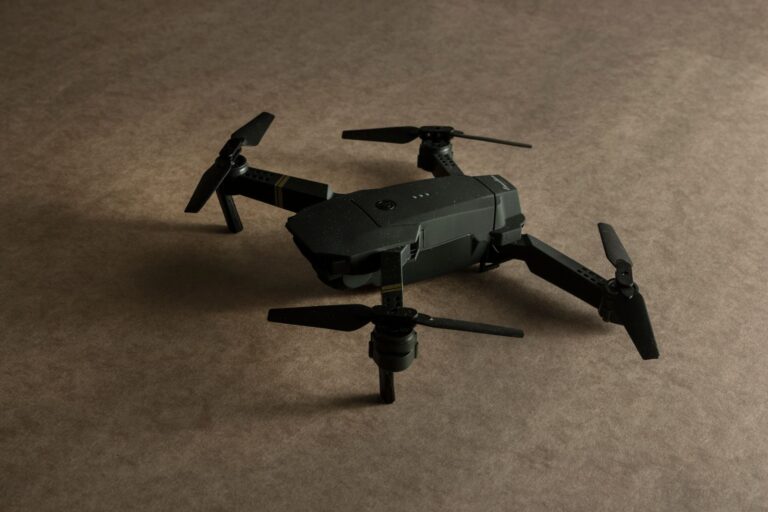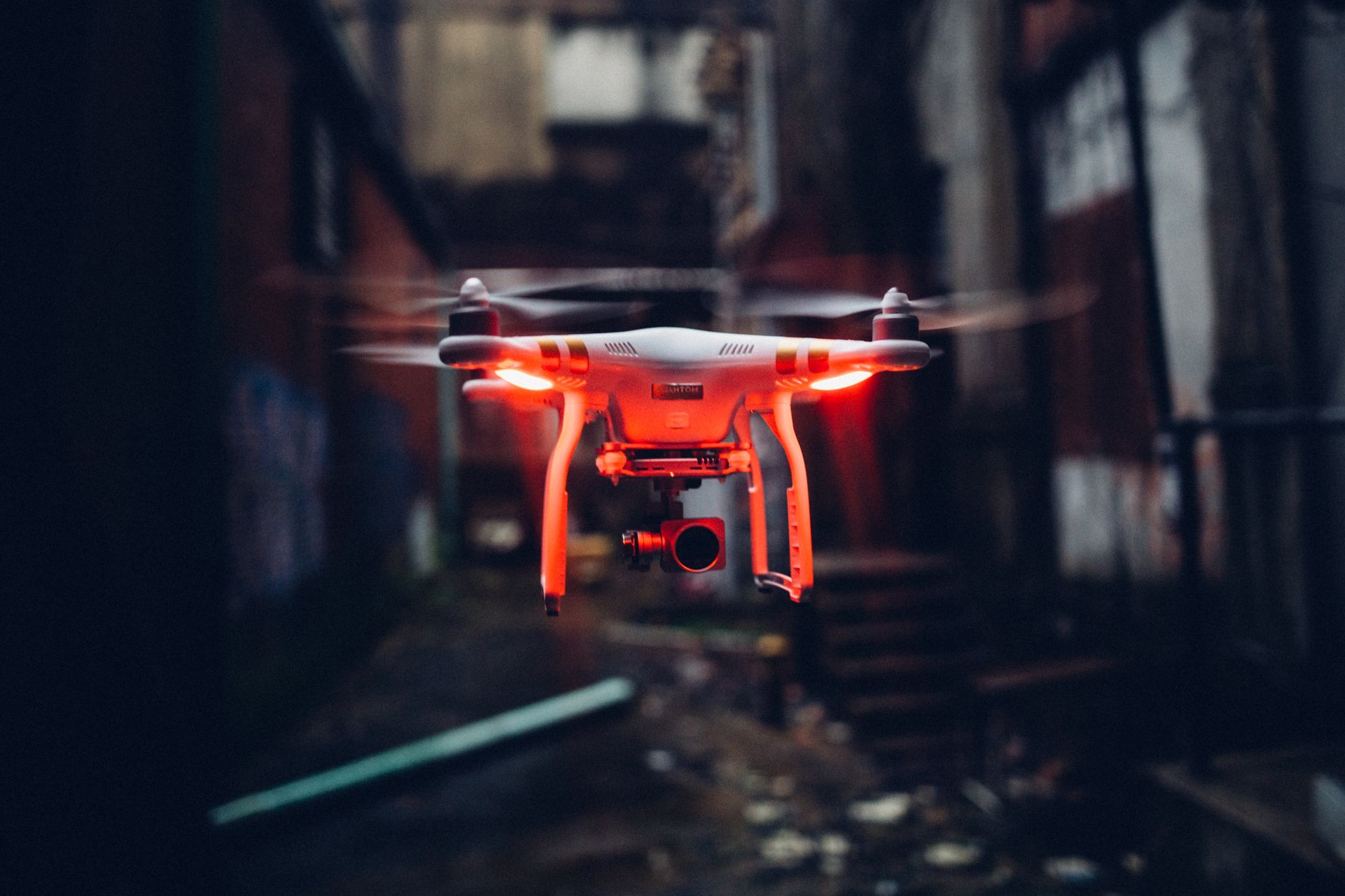

Federal authorities have dismantled what the Department of Justice describes as the largest federal prosecution to date involving coordinated drone operations smuggling contraband into prisons. On June 24, 2026, the Middle District of Georgia unsealed a 17-count indictment charging twelve individuals in an elaborate criminal conspiracy that operated for nearly three years, from September 2023 through May 2026.
Using six unmanned aircraft, the defendants conducted more than 38 documented contraband drops into ten federal prisons scattered across eight states, establishing what investigators refer to as a sophisticated logistics network powered by affordable drone technology. The operation centered on a former daycare facility in Macon, Georgia, which defendants called “The Lab”—a nerve center where drones were prepared, programmed, and launched on coordinated missions to deliver controlled substances, weapons, cell phones, and other prohibited items directly into the hands of incarcerated individuals. This case reveals how modern automation and drone technology, originally developed for legitimate commercial and recreational purposes, can be weaponized to compromise the security of the federal prison system when combined with criminal organization and coordination.
Table of Contents
- How Drones Became a Prison Contraband Delivery System
- The Technical Infrastructure Behind the Contraband Network
- What Was Smuggled and Why It Matters
- “The Lab” and the Operational Infrastructure of a Drone Smuggling Ring
- The Role of Incarcerated Coordinators and Cell Phone Networks
- Detection Methods and the Bureau of Prisons Countermeasures
- The Indictment, Federal Charges, and Prosecutorial Strategy
How Drones Became a Prison Contraband Delivery System
The conspiracy exploited a fundamental gap between prison perimeter security and airspace defense. Federal prisons, historically designed to prevent escapes and control ground-level access, had limited countermeasures against aerial delivery before this operation exposed the vulnerability at scale. Each of the six drones used in the conspiracy could carry payloads weighing several pounds, traveling from undetected launch points to designated drop zones inside facility grounds with minimal risk to the operators themselves.
The defendants rotated five of the six drones, repeatedly activating them at or near “The Lab” in the days immediately preceding planned prison drops, suggesting a disciplined operational schedule tied to coordinated timing with inmates inside the facilities. The geographic spread of the targets—ten prisons across eight different states—demonstrated that this was not a single-facility operation but rather a nationwide network. Specific facilities targeted included FCI Manchester, FMC Lexington, FCI Memphis, FCI Beckley, FCI Jesup, and FCI Talladega, among others. The Bureau of Prisons deployment of drone detection systems proved crucial to investigation, as these technologies tracked the unmanned aircraft’s make, model, and flight launch locations, allowing investigators to pinpoint the operators’ base of operations and establish patterns of criminal activity.
The Technical Infrastructure Behind the Contraband Network
The operation required more than just drones and pilots. It demanded a logistics apparatus including launch sites away from detection, staging areas for contraband preparation, and coordination mechanisms with individuals inside the prisons. “The Lab,” the former daycare facility, served as the logistical hub where contraband was assembled into packages designed for drone transport, where aircraft were maintained and programmed, and where timing windows were calculated based on intelligence from inside the prisons. This operational model mirrors legitimate drone delivery testing facilities, but inverted for criminal purposes—the infrastructure, training, and planning were nearly identical to what a legal logistics company might employ, except every component was oriented toward delivering illegal substances and escape tools.
A critical limitation in the defendants’ operational security proved to be their reliance on predictable patterns. By repeatedly launching five of six drones from “The Lab” before each operation, they created a detectable signature that Bureau of Prisons detection systems could track. Unlike a truly distributed network where drones launched from multiple locations, this operation centralized its operations around one facility, making it vulnerable to investigators who could analyze flight data, correlate drone launches with prison drops, and establish probable cause for federal charges. The concentration of activity at a single location, while convenient for the conspiracy’s management, ultimately became a critical evidence trail.
What Was Smuggled and Why It Matters
The contraband transported in these drone drops was not merely about prisoner comfort or petty violations. Among the prohibited items were methamphetamine and marijuana—substances that fuel prison-based drug markets and increase violent crime within facilities. More alarming were the saw blades specifically designed to function as both weapons and escape tools, indicating that at least some operations were directed toward facilitating escapes or enabling violence.
cell phones, perhaps the most operationally significant contraband, allowed imprisoned individuals to coordinate activities outside prison walls, schedule the drone drops themselves, and direct the criminal conspiracy from within their cells. The presence of tobacco in some drops reveals that the conspiracy operated across a spectrum of contraband priorities, from serious felony-enabling items like escape tools to substances primarily valuable for their black-market trade value within the prison economy. This mixed manifest suggests either that different defendants or different imprisoned customers had different needs, or that the operation deliberately diversified its shipments to maximize revenue and customer retention. The scale of 38+ documented drops means this was not a one-time delivery or even a small-scale operation—this was systematic supply-chain management applied to federal prison contraband.
“The Lab” and the Operational Infrastructure of a Drone Smuggling Ring
A former daycare facility may seem like an unlikely command center for federal crimes, but it provided the operational requirements the conspiracy needed: indoor space for preparing contraband packages, a secure area for maintaining and charging drones, and proximity to multiple launch points that could reach targeted prisons. The fact that defendants referred to this facility by the name “The Lab” indicates they understood they were building a technical operation, not just a casual delivery scheme. This naming convention suggests organizational thinking about the facility’s role and possibly indicates a level of operational sophistication that included training, process documentation, or deliberate role assignment among the twelve defendants.
The daycare facility’s previous use as a child-care center may also have been deliberately chosen because such facilities often have rear access, external service areas, and minimal surveillance expectations from neighbors accustomed to irregular vehicle traffic. Converting a legitimate commercial space into a criminal operations center demonstrates how the same site selection criteria that make locations attractive for legal small businesses—accessibility, modest security, community normalization—can be exploited for illegal purposes. The choice to operate from Macon, Georgia, gave the conspiracy geographic proximity to multiple targeted prisons while maintaining distance from major federal law enforcement field offices, illustrating tactical thinking about operational security geography.
The Role of Incarcerated Coordinators and Cell Phone Networks
What transformed this operation from a simple contraband delivery service into a sophisticated criminal enterprise was the participation of imprisoned individuals who used smuggled cell phones to schedule and coordinate the drone drops. Inmates at FCI Manchester, FMC Lexington, FCI Memphis, FCI Beckley, FCI Jesup, FCI Talladega, and other Bureau of Prisons facilities were not passive recipients of unplanned drops; they actively managed the logistics by communicating through cell phones to request specific items, confirm timing windows, and direct where drones should deposit contraband within facility grounds. This represented a critical vulnerability: prison security can be defeated not just from the outside but through active coordination with individuals whose locations and activities are precisely known.
The cell phones themselves, also delivered via drone in at least some instances, created a compounding security problem. Each phone became a hub for coordinating additional smuggling operations, directing traffic in prison-based drug markets, and organizing gang activities or other crimes. The investigation revealed how drone delivery and cell phone distribution are interconnected elements of a single contraband ecosystem—the phones enable the coordination that makes subsequent drone drops possible, and the drones enable the phone distribution that establishes the communication infrastructure. For the Bureau of Prisons, this revealed that detecting drones alone is insufficient; they also needed to detect and confiscate the cell phones that coordinate with those drones.
Detection Methods and the Bureau of Prisons Countermeasures
The Bureau of Prisons’ deployment of drone detection systems provided the investigative breakthrough that identified the conspiracy. These detection systems tracked unmanned aircraft’s make, model, altitude, and point of origin, creating a technical record that could be correlated with ground-based investigative work. When a drone consistently launched from the same facility in Macon and was tracked flying to multiple federal prison locations on dates when inmates reported receiving contraband drops, the pattern became irrefutable. This represented a shift in prison security technology—traditionally focused on perimeter barriers, guard presence, and internal surveillance—to include aerial defense and detection systems that could identify and locate airborne threats.
The effectiveness of the Bureau of Prisons detection systems in this case may accelerate the adoption of similar technologies across the federal prison network. However, detection alone is insufficient; detected drones require response protocols, which typically involve federal or local law enforcement interdiction. The time lag between detection and response creates a window for escape, and the geographic dispersion of the ten targeted prisons meant that federal agents could not be positioned at every potential drop zone. This limitation suggests that future drone smuggling operations, if they occur, may attempt to overwhelm detection systems through simultaneous multi-facility drops or to operate faster drones that transit between detection and landing before response assets can be mobilized.
The Indictment, Federal Charges, and Prosecutorial Strategy
The federal grand jury returned a 17-count indictment on June 10, 2026, reflecting the complexity of coordinating smuggling operations across multiple states and multiple facilities over a period of nearly three years. The number of counts—17—suggests charges extending beyond simple conspiracy to include substantive delivery offenses, money laundering, or organized crime statutes. The fact that the indictment was sealed for two weeks before public unsealing on June 24, 2026, indicates that law enforcement and prosecutors were executing simultaneous arrests or search warrants across multiple jurisdictions during that sealed period, a strategy that prevents defendants from fleeing or destroying evidence once they become aware of the investigation.
The Department of Justice’s characterization of this as the “largest federal prosecution to date” involving coordinated drone operations smuggling into prisons establishes a legal precedent. Each of the twelve defendants faces federal charges in the Middle District of Georgia, establishing a single venue despite the nationwide scope of the conspiracy. This prosecutorial choice consolidates the case and prevents defendants from being tried in separate districts where local factors might influence outcomes. The magnitude of this prosecution—twelve individuals, 38+ documented drops, 10 prisons, 8 states, and a nearly three-year operational period—signals that federal authorities are treating drone-based contraband smuggling as a major organized crime priority equivalent to drug trafficking organizations or criminal syndicates.