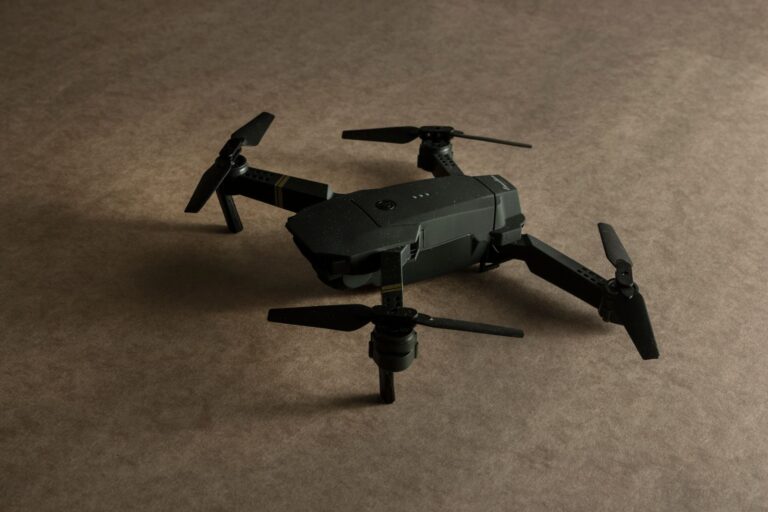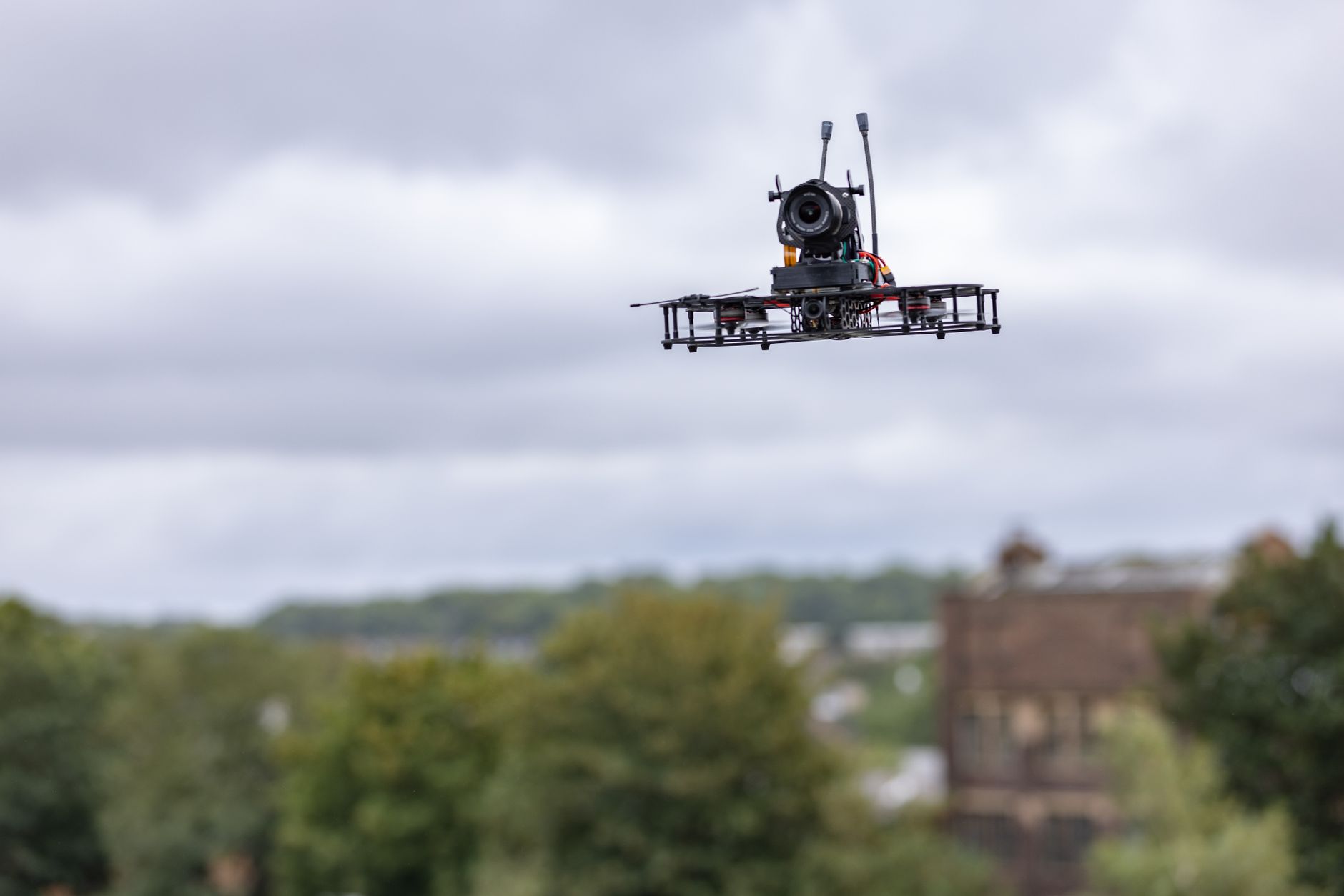

Accessible drone light displays represent a growing trend in community festivals where organizers prioritize inclusive spectator experiences alongside visual innovation. These coordinated aerial light shows use groups of illuminated drones to create patterns, shapes, and synchronized effects that audiences can experience from multiple vantage points and in various formats—visual displays, audio descriptions, tactile ground vibrations, or pre-event briefings. When properly designed with accessibility as a core principle rather than an afterthought, drone light displays can serve audiences with visual, hearing, mobility, cognitive, and other disabilities, fundamentally changing how community events engage diverse populations.
The technology enabling these displays has matured significantly over the past decade. Modern drone swarms use GPS-based flight control, allowing hundreds of units to maintain precise positions while their LED payloads render complex visuals across large sections of sky. For accessibility purposes, organizers can integrate this technical capability with auxiliary sensory channels—providing live audio commentary for visually impaired spectators, positioning viewing areas to accommodate wheelchair users without obstructed sightlines, or creating silent preview sessions so audiences with sound sensitivities can experience the display on their own terms. The result transforms what could be an exclusive spectacle into a shared community experience.
Table of Contents
- How Can Drone Light Displays Achieve True Accessibility at Community Events?
- Technical Design Considerations for Inclusive Drone Light Displays
- Sensory Description and Pre-Event Engagement Strategies
- Coordinating Multiple Access Channels in Festival Settings
- Common Accessibility Oversights and Their Solutions
- Neurodivergent and Sensory-Seeking Perspectives
- Infrastructure Decisions That Enable or Obstruct Access
How Can Drone Light Displays Achieve True Accessibility at Community Events?
True accessibility means addressing multiple disability categories simultaneously, not simply retrofitting accommodations after finalizing technical plans. For visual accessibility, this includes detailed audio descriptions that paint a picture of what’s happening in the sky—explaining drone formations, color patterns, movement trajectories, and thematic elements. The description must avoid jargon and provide context that allows listeners unfamiliar with drone technology to follow the narrative. Many displays now include a dedicated audio description channel that runs parallel to any background music or narration, accessible via personal headsets or smartphone apps that sync to the live performance.
Mobility accessibility requires rethinking viewing areas entirely. Rather than concentrating all spectator space in a single large field, inclusive displays often designate multiple viewing zones at ground level, on accessible platforms, and at varied distances—ensuring wheelchair users, people with canes or walkers, parents with strollers, and others have comfortable sightlines without crowding general seating. Beyond physical positioning, organizers should provide accessible parking, clear pathways, rest areas with seating, and accessible restroom facilities. This infrastructure planning happens months before the display and represents substantial operational investment, yet it’s what allows people with physical disabilities to attend without exhaustion or dignity loss.
Technical Design Considerations for Inclusive Drone Light Displays
The drone swarms themselves demand engineering choices that impact accessibility. Larger displays using hundreds of drones generate considerable noise—a serious problem for people with hearing sensitivities, autism spectrum individuals with auditory processing differences, and those with sound-triggered anxiety. Some organizers have shifted to operating drones with noise-dampening propeller designs or reducing flight speed to minimize acoustic output. Others stage multiple smaller displays at lower altitude rather than one massive show, reducing overall noise intensity while maintaining visual impact. Lighting intensity and color selection also bear accessibility implications.
Highly saturated, rapidly flashing displays can trigger photosensitive epilepsy in susceptible individuals or cause distress for people with sensory processing issues. Responsible drone display operators coordinate with disability advocates to test color transitions, flash frequencies, and brightness levels before public events. This often means forgoing the most aggressive visual effects in favor of sustained, smooth color changes and more gradual pattern transitions. A secondary limitation emerges with timing: displays designed around evening darkness provide visual contrast but disadvantage low-vision spectators who may benefit from twilight or daytime displays when ambient light aids their perception. Some progressive organizers now offer both dusk and later evening performances specifically to serve different visual access needs.
Sensory Description and Pre-Event Engagement Strategies
Providing meaningful access extends beyond the live display moment. Many festivals now offer “tactile briefing sessions” where organizers describe the planned flight patterns, formations, and narrative arc using physical models, verbal description, and small-scale drone demonstrations. Blind and low-vision participants can build mental models of what they’ll experience. These pre-event sessions also benefit people with intellectual disabilities, autism, or anxiety who function better with predictability and advanced preparation.
Real-time audio description during the display itself represents another layer. Professional describers trained in accessible narration—the same practitioners who work in theaters and museums—provide live commentary synchronized to drone movements. Describers use present-tense language, specific directional references (upper left quadrant, moving horizontally across the center), and comparative descriptions that help listeners orient themselves. Where a casual observer might note “the drones are making shapes,” an accessible description might specify: “Approximately eighty drones cluster into a twelve-foot circle at the center of the sky, their white lights intensifying, then gradually shifting to blue while maintaining their circular formation. The outer ring of drones begins moving clockwise while the inner group stays stationary.” This precision allows listeners to construct a coherent mental image.
Coordinating Multiple Access Channels in Festival Settings
Offering audio description, captioning, ASL interpretation, accessible seating, and pre-event briefings simultaneously requires sophisticated coordination that most festivals have historically avoided. Drone display operators increasingly partner with disability organizations and professional accessibility consultants to integrate these services. The logistics include securing trained describers and interpreters weeks in advance, testing communication equipment that links interpreters to audio systems, establishing clear audio routing so description feeds don’t interfere with entertainment sound, and training volunteer staff to guide patrons to appropriate viewing areas. Technology tools now facilitate this coordination.
Mobile apps can deliver personalized audio descriptions to individuals’ headphones based on their preferences. Some displays use augmented reality features that overlay text descriptions or animated diagrams when viewed through smartphone cameras—simultaneously offering visual engagement for some spectators while providing detailed information access for others. The tradeoff is operational complexity: each additional access channel requires trained personnel, equipment, testing, and contingency planning. Smaller community events often cannot afford comprehensive multi-channel access, limiting their inclusivity regardless of organizers’ intentions.
Common Accessibility Oversights and Their Solutions
Event organizers frequently overlook cognitive and developmental disabilities when designing drone displays. People with intellectual disabilities, autism spectrum conditions, or ADHD may become overwhelmed by unpredictable flight patterns, abrupt changes, or sensory intensity. The solution includes offering a “sensory-friendly” performance—either a separate, quieter version of the display with longer transitions between formations and modified lighting, or a pre-display rehearsal open to families with sensory-sensitive members. Some organizers provide “escape spaces” near viewing areas where spectators can retreat if overwhelmed without missing the experience entirely. Another frequent gap involves communication access.
Deaf and hard-of-hearing spectators need real-time captioning or video remote interpreting services, not just audio accommodations. Captioning must appear prominently visible across the viewing area, requiring careful screen placement and brightness calibration. Video interpreters need sight lines to the drone display while remaining visible to patrons. These requirements conflict with typical stage design and often get deferred. A practical warning: captioning in outdoor evening settings is genuinely difficult and represents a legitimate technical challenge, not merely an oversight. Organizers attempting this for the first time should pilot it in smaller displays before scaling to larger events.
Neurodivergent and Sensory-Seeking Perspectives
Beyond accommodating sensory sensitivities, some event designs now intentionally serve sensory-seeking individuals. Neurodivergent people with ADHD or autism often seek intense sensory experiences, and well-designed drone displays can satisfy this without causing distress.
Placing spectators at varying distances from flight paths means some can experience the displays at high intensity (close proximity, rapid formations, bright colors) while others experience them more gently. Offering event programs that clearly indicate which performance segments will have intense sensory elements and which will be calmer allows attendees to make informed choices about their participation. One community documented that offering a “high-intensity sensory-rich” performance session alongside a calmer version doubled attendance from neurodivergent families, as both preference groups felt genuinely welcomed.
Infrastructure Decisions That Enable or Obstruct Access
Venue selection itself determines accessibility outcomes before any drone planning occurs. A field with steep terrain, no parking within reasonable walking distance, or inadequate lighting for navigation at dusk automatically excludes people with mobility disabilities, vision disabilities, and others. Progressive event planners consult accessibility maps of potential venues and prioritize locations with flat terrain, adjacent accessible parking, clear pathways, and existing shelter or shade structures.
Temporary infrastructure—portable ramps, accessible portable restrooms, temporary lighting, and seating areas—can retrofit less-ideal venues but at substantial cost and effort. One practical consideration: drone displays create congregating crowds, and accessible viewing areas must remain uncrowded to function safely for people with mobility devices or cognitive support needs. This requires advance crowd management planning, volunteer training, and potentially limiting display times or crowd size rather than maximizing attendance.