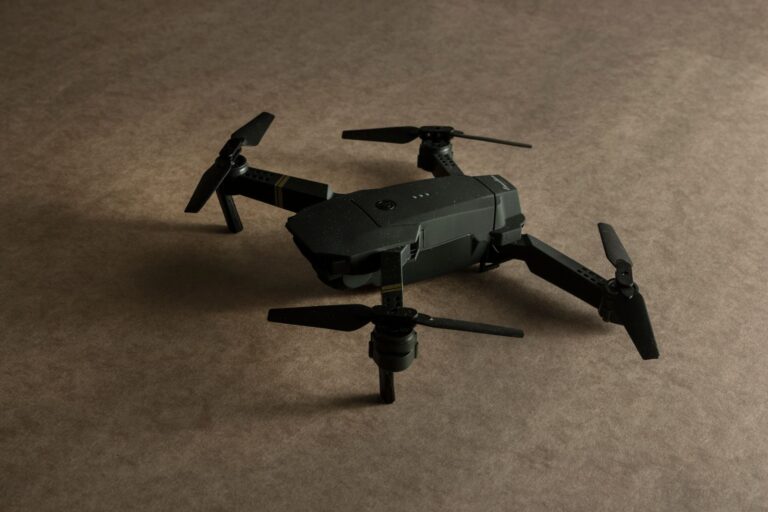

Ukraine has pursued strategic partnerships with allied nations to develop and deploy advanced drone technologies in response to modern warfare demands. These collaborations represent a critical shift in how nations approach rapid innovation in autonomous systems, moving beyond traditional procurement to joint development frameworks. The partnerships have enabled Ukraine to accelerate its capability development by combining domestic engineering expertise with international technical resources and manufacturing capacity.
Such partnerships typically involve technology transfer, joint design initiatives, and shared manufacturing arrangements that allow for faster iteration and deployment than any single nation could achieve independently. The collaborative model also helps distribute production risk and costs across multiple nations while building standardized platforms that can operate across allied forces. This approach reflects broader recognition that modern drone technology requires continuous advancement and adaptation that no single country can sustain alone.
Table of Contents
- How Strategic Drone Partnerships Shape Modern Defense Collaboration
- The Technical Challenges of International Drone Development
- Knowledge Transfer and Capability Building Through Partnerships
- Production Scaling and Manufacturing Considerations
- Export Controls and Regulatory Barriers to Collaboration
- Interoperability Standards and Systems Integration
- Long-Term Sustainability of Collaborative Drone Programs
How Strategic Drone Partnerships Shape Modern Defense Collaboration
International drone partnerships operate on several distinct models, each with different implications for technology transfer and capability development. Direct technology licensing allows one nation to manufacture foreign designs under agreement, while joint development creates new platforms from shared requirements. The most complex model involves establishing shared production facilities or distributed manufacturing networks where components are produced in different countries and assembled according to joint specifications.
Real-world defense partnerships demonstrate the practical advantages of these arrangements. Nations collaborating on military systems often reduce development timelines by 30-40 percent compared to individual programs because they can combine existing expertise and avoid redundant research phases. However, these partnerships require significant coordination overhead—standardizing specifications, managing export controls, and ensuring manufacturing quality across borders adds administrative complexity that single-nation programs avoid. The requirement to protect intellectual property while sharing technical knowledge creates inherent tensions that must be managed through detailed agreements.
The Technical Challenges of International Drone Development
Developing drone systems collaboratively introduces technical constraints that single-nation programs don’t face. Different countries may have conflicting design philosophies, manufacturing standards, or component preferences that require compromise solutions. When Ukraine partners with Western allies, engineers often must reconcile Soviet-era design legacy with NATO-standard components, creating integration challenges that demand extensive testing.
Component sourcing represents a persistent limitation in collaborative drone programs. If any partner nation faces sanctions, supply chain disruptions, or diplomatic tensions, the entire production pipeline can be compromised. Ukraine has experienced multiple instances where international suppliers restricted access to certain components due to export control regulations, forcing redesigns that delayed deployments. Additionally, joint programs sacrifice some degree of operational security—sharing technical specifications with multiple allies increases exposure risk, and each partner nation introduces additional stakeholders with potentially competing interests in how technology is deployed or upgraded.
Knowledge Transfer and Capability Building Through Partnerships
Strategic partnerships accelerate capability development by enabling direct knowledge transfer from nations with established drone programs to countries building these capabilities from recent experience. Ukrainian engineers gain access to proven design methodologies, manufacturing processes, and maintenance protocols that would otherwise require years of independent experimentation. This transfer works most effectively when partner nations provide not just equipment but also training programs and technical documentation.
The practical benefit extends beyond hardware to institutional knowledge about operating drone fleets at scale. Nations with extensive drone operations share operational protocols, pilot training methods, and maintenance schedules that represent hard-won experience. A smaller nation building drone capability for the first time can avoid costly mistakes by learning from allies who have already confronted problems in field deployment, harsh weather operation, or enemy countermeasures. However, knowledge transfer also creates dependency risk—nations relying on partner expertise may struggle with sustainability if that partnership ends or if political relationships shift.
Production Scaling and Manufacturing Considerations
Manufacturing partnerships distribute production capacity across multiple nations, allowing for higher output volumes than any single factory could achieve independently. When Ukraine partners with allies on drone production, components may be manufactured in different countries based on where each nation has existing capacity, specialized equipment, or cost advantages. This distributed model means a single drone platform might have fuselage sections assembled in one country, propulsion systems from another, and electronics integrated in a third location before final assembly. The tradeoff is substantial complexity in logistics and quality control.
Coordinating production across international borders requires strict adherence to specifications because tolerances cannot be verified during assembly—parts must arrive ready to integrate without adjustment. This demands tighter manufacturing standards than domestic-only production, increasing costs per unit. Additionally, shipping components across borders introduces delays and vulnerability to disruption. Supply chain visibility becomes critical; if any supplier experiences downtime, the entire program slows. Nations sometimes address this by establishing redundant suppliers for critical components in different countries, but this further increases costs and administrative overhead.
Export Controls and Regulatory Barriers to Collaboration
International drone partnerships operate within complex export control frameworks that restrict what technologies can be shared and with which nations. Most advanced democracies maintain weapons technology export restrictions that create friction even between allies. Components classified as defense articles may require government approval for export, creating approval delays that can stretch from weeks to months. These restrictions exist for legitimate security reasons but can significantly slow collaborative programs.
A critical limitation of partnerships is that they can sometimes become vehicles for circumventing export controls through intentional obfuscation of component sourcing or end-use claims. This creates legal and diplomatic risk for all participating nations. Enforcement agencies monitor international technology transfers specifically to prevent sensitive capabilities from reaching adversarial nations, meaning legitimate collaborative programs must maintain extremely clear documentation of all technology movement. Nations must also navigate conflicting export policies—one partner’s regulatory framework may prohibit sharing certain technical specifications that another partner considers essential for the joint program, creating deadlock until creative solutions are found.
Interoperability Standards and Systems Integration
When multiple nations collaborate on drone platforms, they must establish shared standards for communication protocols, data formats, and operational interfaces. These standards allow drones from different partners to operate together in joint operations, share sensor data, and coordinate across allied forces. NATO has developed extensive interoperability standards that allied nations typically follow, but translating these standards into functional drone systems requires careful engineering.
Real interoperability extends beyond just technical compatibility—it includes shared training so pilots and operators from different nations can operate equipment built by partners without extensive custom training. Ukraine’s partnerships typically include training components where allied instructors teach Ukrainian personnel how to maintain, operate, and repair systems. This training transfer becomes part of the partnership’s value, enabling rapid scale-up of operational capability without requiring years of institutional knowledge buildup.
Long-Term Sustainability of Collaborative Drone Programs
Maintaining collaborative drone programs long-term requires ongoing technical support, spare parts supply, and upgrades as adversaries develop countermeasures. Partnerships must include commitments to sustained support beyond initial deployment, typically lasting 10-20 years or more. This creates long-term dependencies where one nation’s industrial capacity or political commitment directly affects another nation’s operational capability.
The sustainability challenge becomes acute when allied nations’ strategic priorities diverge. If a partner reduces its commitment to the collaborative program due to budget constraints or shifting geopolitical focus, supporting nations may find themselves unable to upgrade platforms or maintain production capacity. Ukraine’s drone partnerships must account for this risk, potentially including provisions for technology transfer that enables domestic production if international partnerships become unreliable.
- —