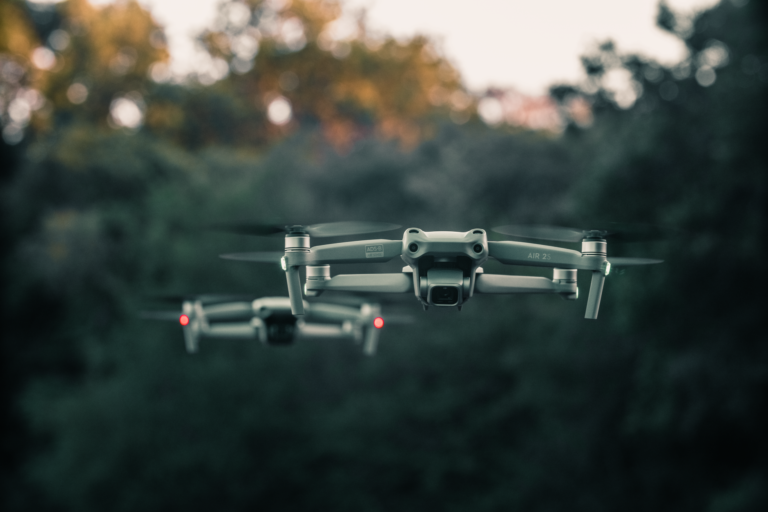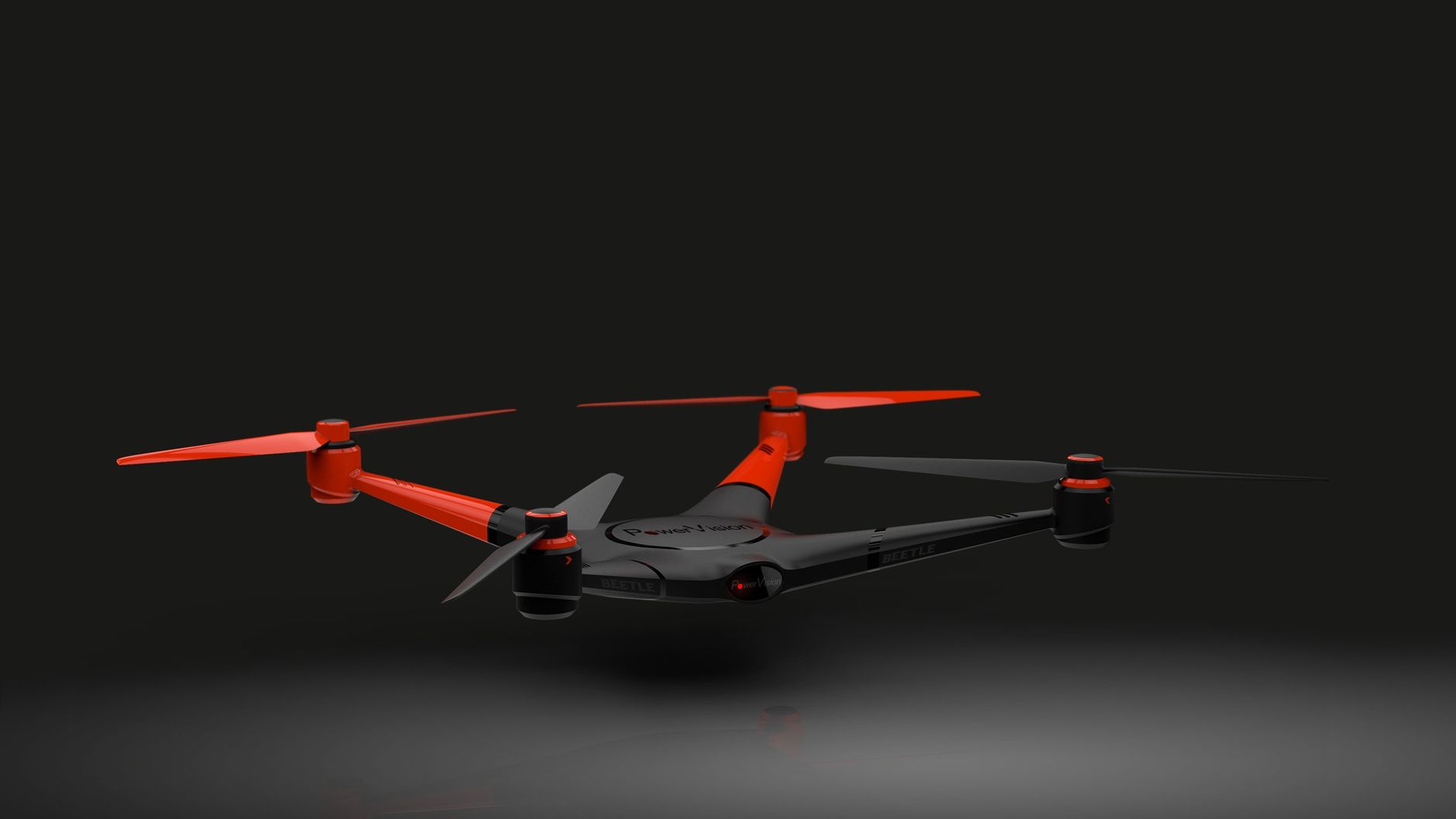

Retail drone delivery is expanding into Nebraska as part of a broader push across the Midwest, marking a gradual shift toward automated logistics in regions that were slower to adopt the technology than coastal markets. This expansion reflects both operational maturity in drone systems and growing recognition that last-mile delivery economics increasingly favor airborne routes over ground-based alternatives, particularly in areas with less dense urban congestion. A key advantage for retailers entering the Nebraska market involves the relatively straightforward airspace conditions and regulatory environment compared to major metropolitan areas, allowing for faster operational scaling.
The Midwest represents a strategic frontier for drone delivery expansion. Unlike early-stage pilots confined to handful of retailers or experimental zones, current deployments involve real retail operations handling consumer orders from point-of-sale to customer doorstep via aircraft. This maturation reflects improvements in battery technology, autonomous flight systems, and regulatory frameworks that have evolved since drone delivery first emerged as a concept nearly a decade ago.
Table of Contents
- Why Are Retailers Targeting the Midwest for Drone Delivery Expansion?
- The Technical and Regulatory Reality of Expanded Midwest Operations
- How Drone Delivery Fits Into Existing Retail Logistics Networks
- Evaluating the Cost-Benefit Tradeoff of Midwest Drone Operations
- Weather, Airspace, and Operational Limitations in the Midwest
- What Happens to Last-Mile Delivery Workers
- Current State of Midwest Drone Deployment
Why Are Retailers Targeting the Midwest for Drone Delivery Expansion?
The Midwest offers specific logistical advantages that make it attractive for expanded drone operations. Lower population density in many areas means fewer airspace conflicts and simpler route planning compared to coastal regions. Weather patterns are more predictable in certain seasons, and the regulatory landscape has clarified sufficiently for operators to plan multi-year service buildouts rather than operating in constant uncertainty. Retail economics in the region also favor automation. Labor costs for ground delivery have risen substantially, and driver availability remains challenging in rural and suburban areas.
Drone delivery addresses both constraints by eliminating human drivers from certain routes and operating at fraction of traditional last-mile cost once infrastructure reaches scale. A retailer serving a town of 50,000 people spread across suburban neighborhoods can potentially handle 60-70% of same-day orders via drones if range and payload capacity align with order sizes. However, service viability remains limited by practical constraints. Current systems typically handle payloads up to 5-10 pounds with flight ranges of 10-20 miles depending on battery capacity and weather conditions. Orders exceeding these parameters still require ground delivery, meaning retailers must segment order types and customer locations to determine which are drone-eligible.
The Technical and Regulatory Reality of Expanded Midwest Operations
Regulatory approval from federal aviation authorities represents the single largest barrier to broader expansion. Each new service area requires explicit authorization, and operators must demonstrate compliance with airspace rules, safety protocols, and community notification requirements. This means expansion is gradual by necessity, not by choice—adding a new delivery zone takes months of coordination with authorities, not weeks. Battery degradation becomes increasingly problematic in cold climates, a significant factor for Nebraska and surrounding states during winter months. A drone rated for 20-mile range in 70-degree conditions might achieve only 12-15 miles in 30-degree weather, effectively shrinking the practical service area and forcing retailers to adjust delivery zones seasonally.
Wind also presents challenges that are underestimated in early discussions; sustained winds above 20-25 mph can ground entire fleets, which occurs frequently enough in Midwest weather patterns to impact service consistency. The infrastructure requirement is substantial. Retailers need charging stations at distribution hubs, maintenance facilities for damaged aircraft, and logistics software to coordinate hundreds of daily flights. Unlike traditional delivery, where a single warehouse can support a wide region, drone operations require distributed infrastructure closer to customer endpoints. A retailer serving Nebraska’s eastern population centers would need multiple hubs rather than a single centralized location.
How Drone Delivery Fits Into Existing Retail Logistics Networks
Most retailers implementing drone delivery do not replace ground logistics entirely—they segment the system. Fast-moving consumer goods like over-the-counter medications, snacks, or small household items are prime drone candidates because they align with payload limits and customer urgency. Bulkier items continue through traditional delivery networks. This hybrid model complicates operations slightly but maximizes the productivity of each delivery method. The integration challenge is real.
Retailers must manage inventory across physical stores, warehouses, and drone-optimized fulfillment nodes. A customer ordering a greeting card and batteries from different physical locations requires either pre-staging inventory in fulfillment hubs or consolidating orders before dispatch. Both approaches introduce operational overhead compared to traditional centralized fulfillment. One comparative advantage drone delivery offers is speed at the final mile. A customer ordering at 2 PM in a Nebraska town might receive a package by 4 PM via drone, whereas traditional delivery typically guarantees next-day or two-day service. This narrow window creates both opportunity and competitive pressure; customers may shift buying patterns toward retailers offering same-day drone delivery, even if ground alternatives remain viable for non-urgent items.
Evaluating the Cost-Benefit Tradeoff of Midwest Drone Operations
The economics of drone delivery scale differently across geographies. In densely populated urban areas, the cost advantage evaporates because ground delivery networks already operate at high efficiency and utilize vehicles that are filled with multiple stops per route. In moderate-density suburban and rural settings, however, drone delivery can outperform ground-based alternatives. A delivery van serving 12 stops across a sprawling area might cost $20-30 per delivery when labor is factored in; a drone system serving the same area might reduce that to $3-5 per delivery once infrastructure exists. However, the infrastructure investment required upfront creates a significant capital barrier.
Retailers must fund charging stations, maintenance facilities, aircraft inventory, and specialized software before flying a single order. This capital expenditure is recouped only if order volumes reach sufficient thresholds—typically hundreds of daily deliveries across a service region. Smaller retailers or those in lightly populated areas may lack sufficient order density to justify the investment, limiting drone delivery adoption to major retail chains and well-funded logistics companies. The comparison to traditional express delivery is instructive. Premium ground express delivery—guaranteeing same-day arrival—costs retailers $8-15 per delivery in direct costs. Drone delivery can undercut this price while offering comparable or faster delivery times, which is the primary economic advantage driving current expansion.
Weather, Airspace, and Operational Limitations in the Midwest
Seasonal weather patterns in Nebraska and neighboring states create specific challenges often overlooked in national drone expansion discussions. Winter conditions reduce operational windows significantly; rain, snow, and icing create safety risks that force operators to suspend flights for days at a time. A system designed to serve 70% of orders via drones in summer might handle only 40% during winter months, requiring retailers to staff and maintain backup ground delivery capacity year-round anyway. Airspace coordination is more complex than it initially appears. As drone networks expand, multiple retailers and logistics companies operate simultaneously in the same geographic regions, creating potential collision hazards.
Traffic management systems are still developing, and current regulations often require human oversight of flights in shared airspace. This overhead increases operational costs and limits the true autonomy that drone systems can achieve. A practical warning: early-stage deployments often encounter community resistance based on noise, privacy, and safety concerns. Neighborhoods with frequent drone overhead traffic report noise annoyance, and some residents express concerns about aerial surveillance even when cameras are not present. Retailers expanding drone services must invest in community engagement alongside operational buildout.
What Happens to Last-Mile Delivery Workers
The expansion of drone delivery raises legitimate questions about workforce impact. Retailers may reduce ground delivery staffing in drone-enabled areas, shifting those employees to other roles or reducing headcount. This is a real employment consideration for communities adopting these systems at scale. However, drone operations still require significant human labor—maintenance technicians, customer service specialists for failed deliveries, infrastructure technicians, and logistics coordinators.
The nature of last-mile work shifts rather than disappears entirely. The skills mismatch presents a challenge. A delivery driver displaced by drone automation requires retraining for technical roles that pay differently and require different educational backgrounds. Some larger retailers have implemented transition programs, but this remains inconsistent across the industry and geography.
Current State of Midwest Drone Deployment
Drone delivery pilots and initial service expansions in the Midwest region have demonstrated that the technology functions reliably under realistic conditions, though not without friction. Service areas typically cover 5-15 mile radius from fulfillment hubs, and retailers currently handle between 100-500 daily drone deliveries in early expansion zones. These volumes are meaningful but represent a small fraction of total orders, confirming that drone delivery serves a complementary role rather than replacement for existing logistics.
The path to broader adoption requires continued regulatory clarity, further battery technology improvements, and demonstrated profitability across multiple retailers. Current operations generally show lower per-delivery costs once infrastructure reaches minimal scale, validating the economic case. However, retailers are proceeding cautiously with expansion, scaling gradually through geographic growth rather than rapid national rollout. This measured approach reflects recognition that operational complexity, community acceptance, and regulatory adaptation require time.
- —