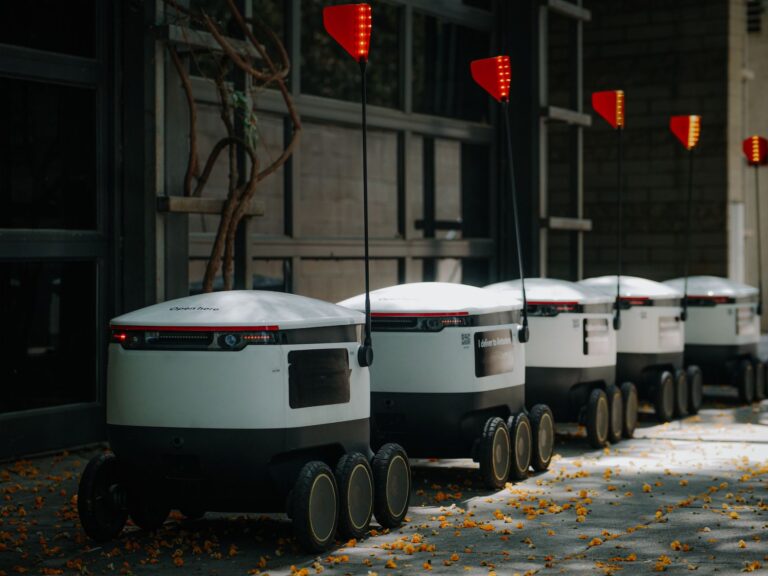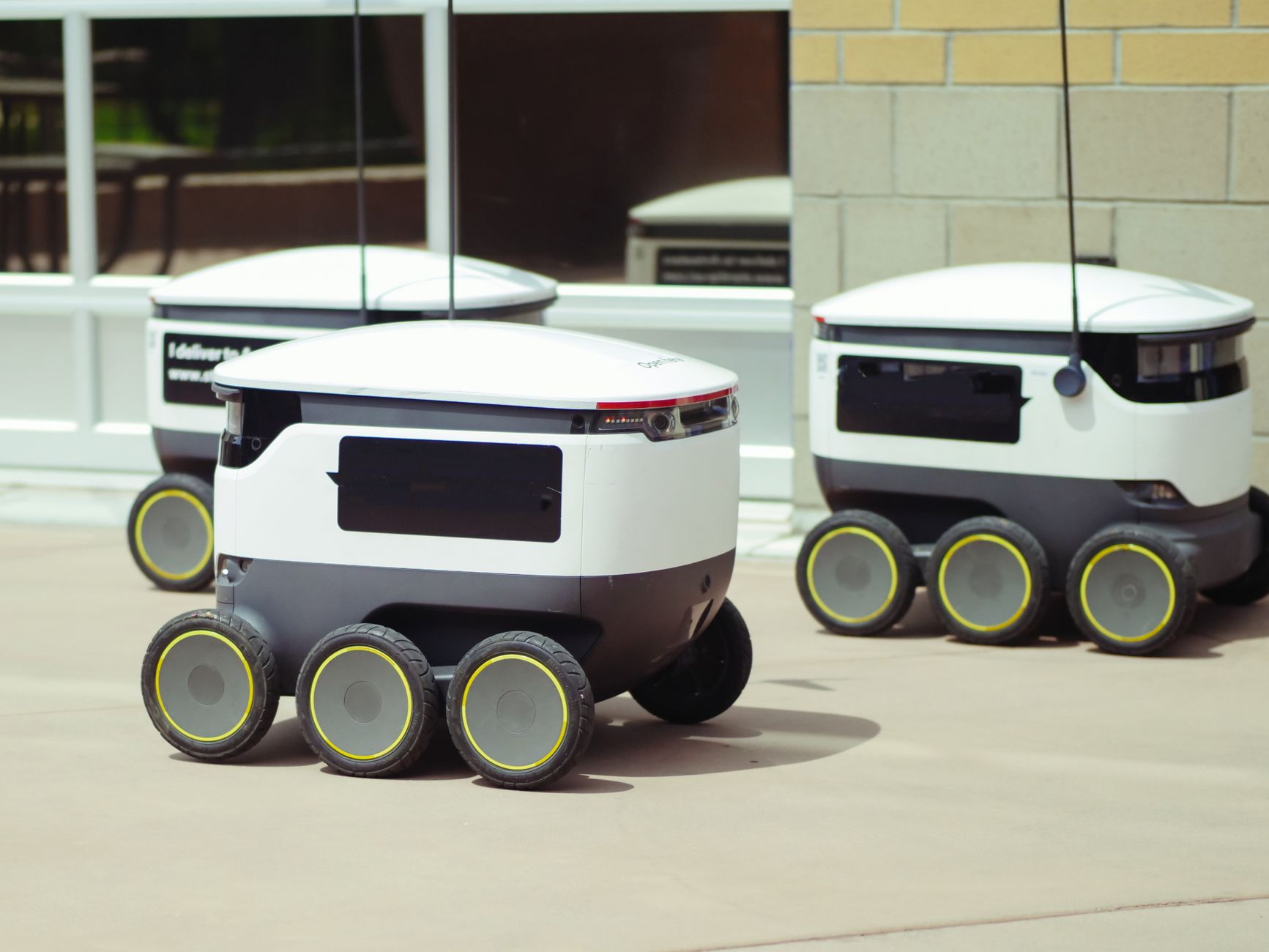

Delivery robots operating on public sidewalks face an increasingly complex patchwork of local regulations that vary significantly between municipalities, particularly in college towns and downtown districts. Yes, sidewalk rules directly limit where and how these autonomous vehicles can operate, and local governments are establishing their own frameworks to manage robot traffic, pedestrian safety, and sidewalk usage. The regulatory environment has become one of the primary operational constraints for companies deploying autonomous delivery systems, forcing them to obtain permits, adhere to speed restrictions, and navigate variable rules about hours of operation and robot size.
The challenge intensifies in college towns and urban centers because these areas prioritize pedestrian infrastructure and often face congestion concerns that make sidewalk access contentious. A college town might ban robots from operating during peak class-change times, while a downtown district could require them to use only certain streets or maintain active human supervision. These aren’t federal mandates—they’re locally determined rules that reflect each community’s priorities around public space.
Table of Contents
- Why Do Sidewalks Need Rules for Autonomous Delivery Robots?
- College Towns and Their Distinctive Robot Regulations
- Downtown Districts and Pedestrian-First Policies
- How Delivery Companies Adapt to Variable Sidewalk Rules
- Technical Challenges Imposed by Sidewalk Restrictions
- Local Government Perspectives and Safety Concerns
- Current Deployment Patterns and Operational Realities
Why Do Sidewalks Need Rules for Autonomous Delivery Robots?
Sidewalk regulations for delivery robots emerged from legitimate public safety and infrastructure concerns. Pedestrians, wheelchair users, parents with strollers, and other sidewalk users share space with these autonomous vehicles, creating potential collision risks and accessibility issues.
Municipalities recognized that allowing unregulated robot traffic could block pedestrian pathways, interfere with outdoor dining, or create bottlenecks at busy intersections. The regulatory impulse also reflects deeper questions about who owns the public right-of-way and how commercial use of sidewalks should be managed. A sidewalk is fundamentally shared public space, and allowing unlimited robot deployment raises fairness questions: Should one company dominate sidewalk space? Should robots have priority over pedestrians? What happens to foot traffic flow when multiple robot companies operate in the same area? These questions don’t have obvious answers, which is why cities are taking cautious approaches with testing periods, limited deployment zones, and permit requirements rather than unrestricted access.
College Towns and Their Distinctive Robot Regulations
College towns impose particularly strict sidewalk rules because they combine high pedestrian density with institutional interests. Universities often control significant campus real estate, create predictable traffic patterns based on class schedules, and have safety-conscious constituencies that include parents and administrators. A college town’s downtown may see foot traffic surge during certain hours and nearly empty out during breaks, creating highly variable conditions that make standard robot operations impractical.
Many college towns have responded by restricting robot operations during peak foot traffic times—morning class changes, lunch hours, evening social times. Some require robots to be geofenced to specific routes away from heavy pedestrian zones or main walkways. The limitation here is real: companies with robots that operate in college towns often face a narrower time window for deliveries, which reduces the operational efficiency that makes these services economically viable. Campustown areas in places like college communities have become testing grounds where local officials learn which regulations work and which create unintended consequences.
Downtown Districts and Pedestrian-First Policies
Downtown and midtown districts present different regulatory challenges because they’re designed for mixed-use density—retail, restaurants, offices, and residential spaces share tight quarters. A downtown sidewalk in a mid-sized city might have outdoor seating for cafés, retail storefronts with merchandise displays, bus shelters, and street trees, leaving little room for robot traffic.
Many downtowns have enacted strict rules about robot size, requiring smaller units, or have banned robots entirely from premium retail corridors. Some downtown districts have tried compromise approaches, designating specific off-peak hours when robots can operate or creating robot-only lanes or pathways. But this creates enforcement challenges: How do you prevent a robot from wandering into a restricted area? What happens when a robot breaks down on a busy pedestrian street? The operational friction is significant, which explains why some delivery robot companies have reduced downtown deployments in favor of suburban and residential areas where sidewalk regulations tend to be more permissive.
How Delivery Companies Adapt to Variable Sidewalk Rules
Companies deploying delivery robots have adapted by building compliance flexibility into their operations. Modern delivery robots use GPS mapping and geofencing to understand local regulatory boundaries and adjust their behavior accordingly. A robot operating across multiple jurisdictions can switch between different speed limits, approved routes, and operating hours as it crosses municipal boundaries—much like traffic rules change when you cross a state line, except the granularity is down to individual city blocks.
The tradeoff is complexity and cost. Managing permits across dozens of municipalities, updating maps and rules as regulations change, and maintaining human customer service for deliveries that need special handling all add operational overhead. This burden tends to favor larger companies with compliance teams and funding for legal negotiations, while smaller robot startups may lack the resources to operate across multiple restrictive jurisdictions. The result is a concentration of deployment in cities and regions that take permissive approaches to robot traffic.
Technical Challenges Imposed by Sidewalk Restrictions
Sidewalk regulations often require technical capabilities that robots don’t naturally possess. Rules requiring “active human monitoring” mean someone must actively watch the robot’s progress—not just receive alerts if something goes wrong. Requirements for rapid shutdown or geofencing mean robots need reliable wireless connectivity and precise GPS accuracy, which isn’t always available in urban canyons with tall buildings.
Speed limits designed for pedestrian safety—often five to ten miles per hour—limit the delivery radius and payload capacity of autonomous systems. One significant warning: regulations that require robots to yield to pedestrians or stop at curb cuts impose automation challenges that existing robot systems don’t fully solve. A robot detecting a pedestrian can brake, but handling complex scenarios—a mother with a stroller taking up a narrow section of sidewalk, someone stepping out suddenly from behind a parked car, or a street vendor blocking a geofenced path—requires human judgment that regulations may implicitly expect. This gap between regulatory expectations and technical reality has led to incidents in several test markets, which then triggers additional restrictions.
Local Government Perspectives and Safety Concerns
City planners and municipal officials view delivery robots through the lens of existing sidewalk management challenges. Municipalities already manage competing demands for limited sidewalk space: bus stops, utility boxes, street trees, outdoor dining, newspaper racks, and the fundamental requirement to accommodate pedestrian traffic. Adding commercial robot traffic requires solving coordination problems that don’t have easy answers. Safety concerns drive most local skepticism.
A robot malfunction on a busy sidewalk isn’t just an inconvenience—it’s an obstacle in a space designed for mobility. Cities have liability exposure if someone trips over a broken robot or suffers an injury. This regulatory caution isn’t irrational; it reflects genuine public safety considerations and finite urban infrastructure. Some municipalities have taken a wait-and-see approach, allowing limited pilots with liability insurance requirements and regular reporting, rather than granting unrestricted access.
Current Deployment Patterns and Operational Realities
The current pattern of delivery robot deployment reflects regulatory constraints as much as consumer demand. Companies operate robots most extensively in suburban residential neighborhoods and in specific city districts that have granted favorable permits. College towns appear as nodes in this network, typically in limited campus-adjacent areas rather than throughout the entire town. Downtown districts remain robot-sparse compared to surrounding neighborhoods.
Some cities that initially embraced robot pilots have added restrictions after real-world operations revealed challenges—increased customer service calls for stuck robots, complaints about robots blocking accessibility access ramps, or concerns about robot traffic during peak hours. This has created a feedback loop where early regulatory caution looks justified, which makes subsequent cities more cautious. The result is that sidewalk regulations continue to tighten in many markets rather than normalize or relax as the technology matures. For companies building delivery robot businesses, this regulatory tightening means the sidewalk access assumptions they made when planning expansion may not hold as those markets develop.
- —